
 esportsmastersarena62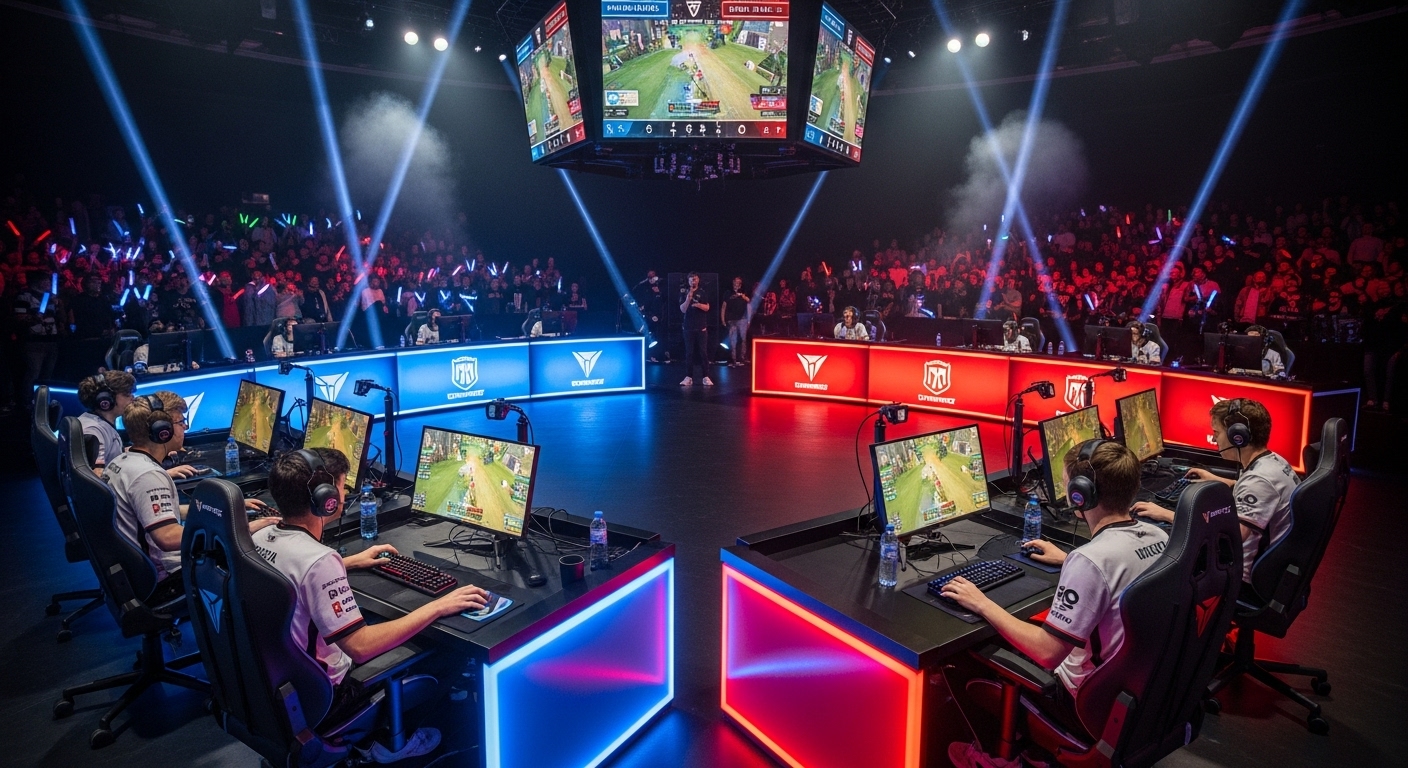
Esports has become one of the most influential forces in modern entertainment, reshaping how people compete, connect, and consume media. What began as small gatherings of hobby gamers has evolved into a global cultural movement with professional athletes, massive arenas, sponsorships, and millions of passionate fans. Today, esports stands proudly beside traditional sports, offering intense rivalries, dramatic moments, and the thrill of competition. This blog explores the rise of esports, how it has changed society, and what its extraordinary future might hold.
The Humble Beginnings of Competitive Gaming
Before esports became a worldwide phenomenon, competitive gaming existed in modest forms. Early arcade competitions during the 1970s and 1980s served as the first taste of organized gaming. Gamers would compete for high scores on machines placed in local arcades, creating friendly yet fierce rivalries.
The introduction of home consoles expanded gaming accessibility, but it was the rise of personal computers and multiplayer capabilities during the 1990s that truly shaped the path of esports. LAN events allowed players to face off in real time, creating a foundation for what would later become professional gaming. These early competitions may not have had massive crowds or sponsorships, but they showcased the passion, strategy, and skill that define esports today.
The Shift From Casual Gaming to Professional Esports
As technology improved, gaming shifted from a pastime to a profession. Competitive gaming communities grew into organized leagues, teams, and tournaments. Professional players began training rigorously, dedicating hours daily to refining skills, studying strategies, and building team chemistry.
Teams now operate similarly to traditional sports organizations. They hire coaches, analysts, nutritionists, and mental performance specialists to support their players. Many teams have state-of-the-art training centers, complete with practice rooms, fitness areas, and strategy labs. This level of professionalism has pushed esports into mainstream recognition, eliminating outdated stereotypes about gaming being unproductive or lacking structure.
Iconic Games That Shaped the Esports Landscape
Esports covers a wide range of game genres, each with its own community, competitive structure, and global appeal. Multiplayer online battle arena games are among the most popular, offering complex strategies and intense team-based gameplay. First-person shooters captivate fans who enjoy fast reflexes and high-pressure decision-making moments.
Battle royale titles introduce unpredictable action, while sports games replicate the excitement of traditional athletic competitions. Fighting games remain timeless competitive staples, emphasizing skill precision and one-on-one mastery. The diversity of these games ensures that esports caters to many personalities and interests, helping the industry appeal to people of all ages.
The Spectacle of Global Esports Tournaments
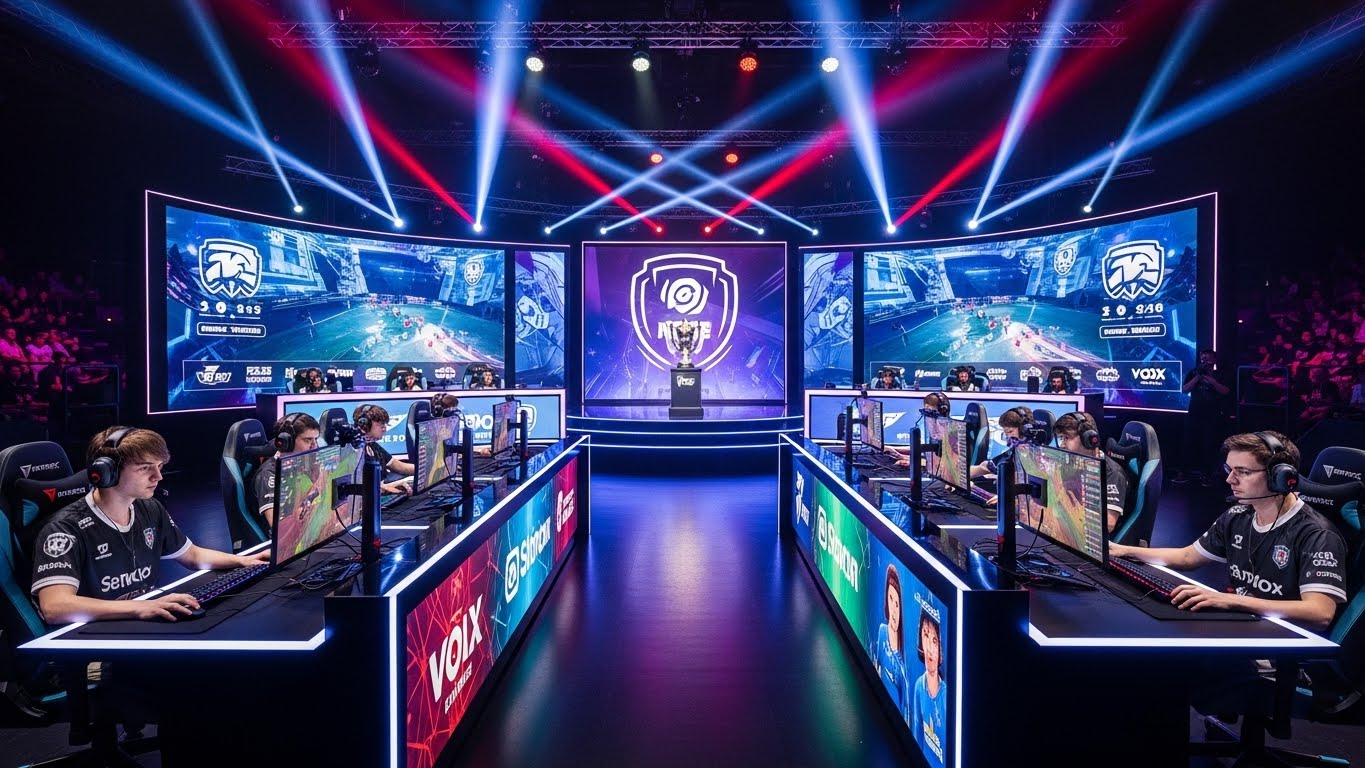
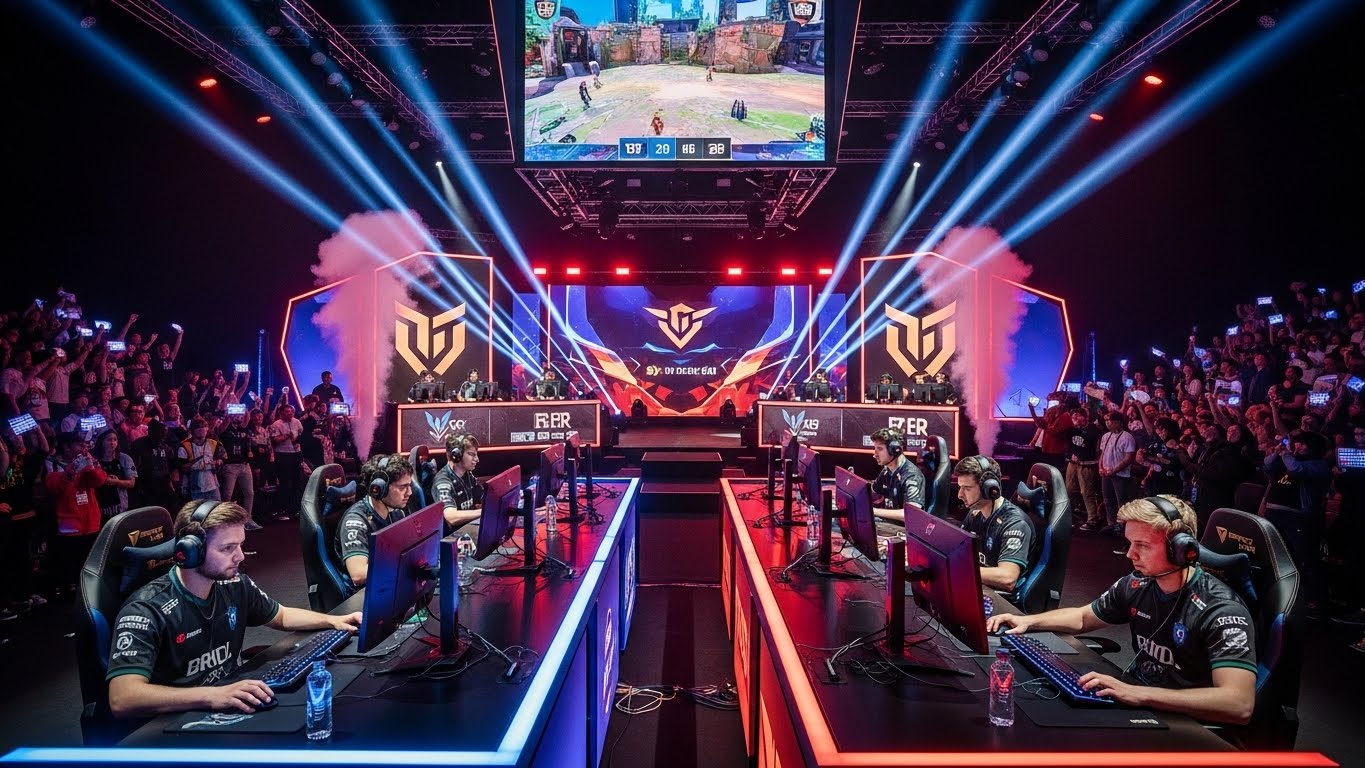
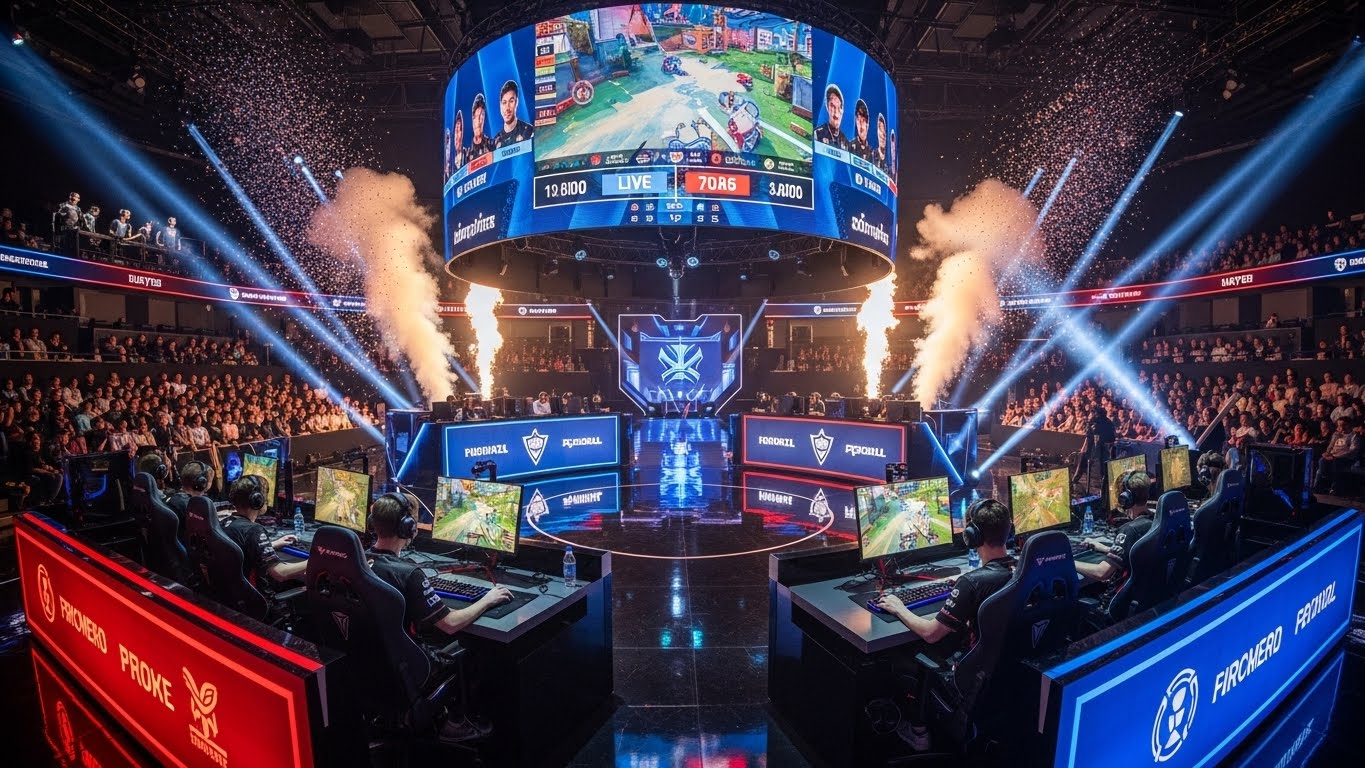
Esports events today are extraordinary spectacles that rival major traditional sporting events. Large arenas are filled with cheering fans, waving team banners, chanting victory songs, and celebrating unforgettable plays. Giant screens display every thrilling moment while commentators provide insights into strategies, mistakes, and turning points.
The energy in these arenas is electric. Even those who do not play games find themselves captivated by the intensity, strategy, and passion on display. The global reach of these tournaments is remarkable, drawing millions of viewers from every corner of the world. Esports championships become cultural moments that bring together diverse audiences united by their love for competitive gaming.
Streaming and the New Era of Gaming Entertainment
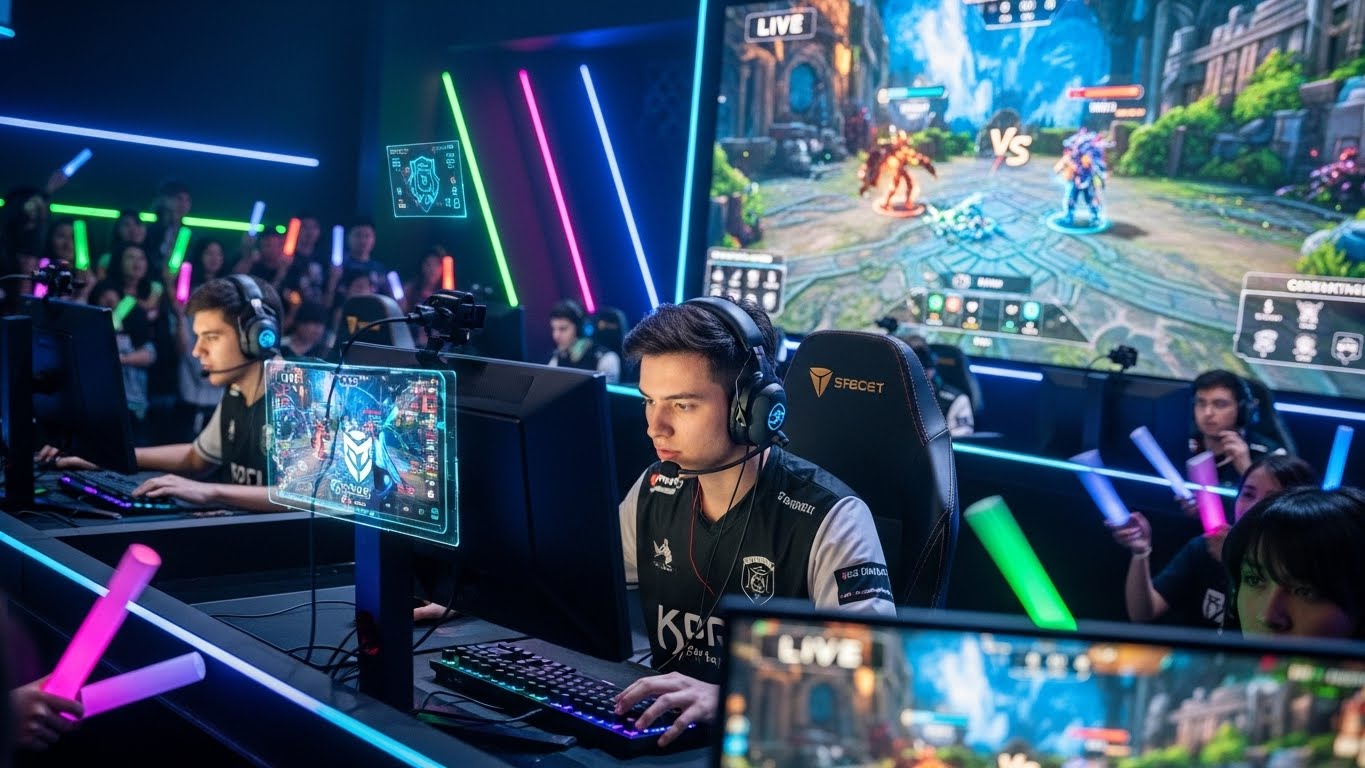
The growth of streaming platforms has fueled the worldwide success of esports. Players and creators can broadcast their gameplay to massive audiences, allowing fans to watch, learn, interact, and engage in real time. Live streaming removes barriers between players and fans, creating closer relationships and fostering vibrant communities.
Streamers have become influential figures in entertainment, often achieving fame that extends beyond gaming. They inspire aspiring players, entertain casual viewers, and contribute significantly to the popularity of the games they play. Streaming also democratizes opportunities, enabling talented players from any background to build careers through skill and personality.
The Social and Cultural Impact of Esports
Esports has significantly influenced modern culture. Gaming terminology has entered everyday vocabulary, gaming fashion has become a trend, and esports personalities have earned mainstream attention. This cultural transition highlights gaming’s power in shaping how younger generations communicate, express themselves, and form communities.
Esports also fosters global unity. Players from different countries, cultures, and backgrounds compete together, bridging language and cultural barriers. Fans celebrate victories from teams thousands of miles away, demonstrating the universal appeal of competition and storytelling. Esports proves that digital spaces can be powerful platforms for connection and shared experiences.
Esports in Education and Career Development
Educational institutions worldwide now recognize the value of esports. Schools and universities have launched esports teams, programs, and scholarships to support aspiring players. These programs enhance skills such as leadership, communication, critical thinking, and collaboration.
Beyond professional gaming, esports also opens doors to various careers. Students interested in technology, broadcasting, event management, graphic design, coaching, or marketing can find opportunities within the esports ecosystem. The industry’s rapid growth continues to generate jobs that require creativity, technical expertise, and a passion for gaming.
The Intense Training Behind Esports Success
Esports athletes dedicate significant time and effort to their craft. Training sessions can last several hours a day, focusing on reactions, game knowledge, coordination, and strategic thinking. Many players follow fitness routines to maintain physical health and prevent injuries such as repetitive strain.
Mental stamina is equally important. Professional gamers face pressure from competition, fans, and personal expectations. To maintain peak performance, teams often hire mental health experts who help players manage stress, build confidence, and maintain a healthy balance between gaming and personal life. The level of discipline required to succeed in esports is often underestimated but undeniably demanding.
Women in Esports and the Push for Inclusivity
Although esports was once dominated by male players, the industry is becoming increasingly diverse. Women compete professionally, stream, coach, create content, and lead organizations. Female representation in esports continues to grow, inspiring others and highlighting the importance of inclusion.
Events, teams, and organizations are working to create safer, more supportive environments for everyone. Diversity enriches the esports community and strengthens its future by welcoming new ideas, perspectives, and talents. A more inclusive atmosphere ensures that esports continues to thrive as a space where everyone can compete and belong.
Challenges the Esports Industry Must Overcome
Despite its impressive progress, esports faces several challenges. Player burnout remains a significant concern due to demanding training schedules and intense competition. Toxic behavior from some online communities can discourage beginners and damage the overall experience.
Additionally, the industry needs stronger regulations to protect players’ rights, ensure fair contracts, and maintain integrity in competitions. As esports grows, addressing these challenges is crucial for maintaining trust, fairness, and long-term stability within the industry.
The Economic Growth of Esports
Esports contributes significantly to the global economy. Revenue comes from sponsorships, ticket sales, merchandise, broadcasts, marketing, and game-related purchases. Sponsors see the value in esports due to its highly engaged and youthful audience.
The industry has also created numerous job opportunities across game development, streaming technology, journalism, event production, management, and creative fields. Its economic impact continues to expand yearly, proving that esports is not simply entertainment but also a powerful business sector.
What the Future Holds for Esports
The future of esports is filled with potential. Rising technologies like virtual reality and augmented reality may create new types of competitive experiences. Artificial intelligence may help coaches analyze gameplay, predict strategies, and support players in improving their performance.
Esports may become more intertwined with mainstream entertainment, creating larger crossover events, reality shows, themed attractions, and global festivals. As mobile gaming grows, esports will reach new regions and audiences, especially in areas where traditional gaming equipment is less accessible. The trajectory of esports suggests that it will continue to innovate, expand, and redefine global competition.
Conclusion: Esports as a Beacon of Modern Competition
Esports represents the evolution of competition in a world driven by technology, creativity, and global connection. It showcases the skill, passion, and dedication of players who master virtual arenas with the same intensity as physical athletes. Esports connects millions of fans, inspires new careers, and bridges cultures worldwide.
What began as simple gaming has transformed into a powerful symbol of modern entertainment and community. Esports is more than a trend; it is a movement shaping the future of how humans compete, celebrate victory, and come together through shared experiences. The digital age has created a new arena of champions, and esports stands proudly at its center.