
 esportsmastersarena62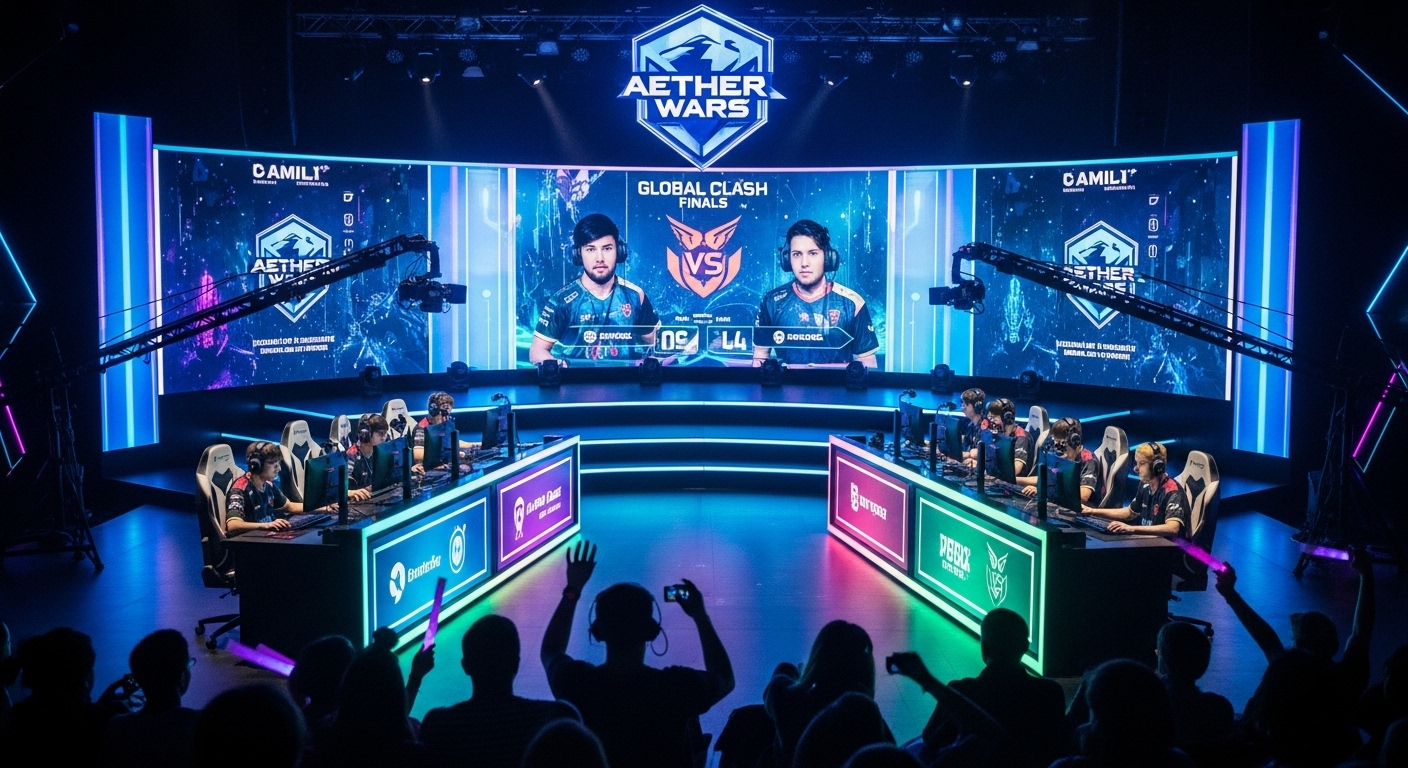
Esports has come a long way in the past few decades. Once regarded as a niche hobby for gamers, it has evolved into a multi-billion-dollar industry that rivals traditional sports in terms of viewership, fan engagement, and commercial opportunities. Today, esports has captured the attention of millions of fans worldwide, with professional players, teams, and organizations making names for themselves on a global stage. But what exactly is driving this meteoric rise? And what does the future hold for esports as it continues to grow?
In this blog post, we’ll explore the fascinating journey of esports, its impact on gaming culture, its economic influence, and what we can expect in the coming years. Whether you’re an avid esports fan or just starting to get involved, there’s much to learn about this exciting and rapidly evolving world.
What Is Esports?
At its core, esports (short for electronic sports) is competitive video gaming at a professional level. Just like traditional sports, esports involves organized competitions, often between professional players or teams, playing video games for prizes, fame, and sponsorships. However, unlike traditional sports, esports can be played virtually and doesn’t require physical prowess in the conventional sense.
Esports covers a wide variety of video games, ranging from multiplayer online battle arenas (MOBA) like League of Legends and Dota 2 to first-person shooters (FPS) like Counter-Strike: Global Offensive (CS:GO) and Call of Duty. The genre variety and the highly skilled nature of competitive gaming have made esports accessible to a global audience of gamers and non-gamers alike.
The History and Rise of Esports
Esports isn’t a new phenomenon—it has been around since the early days of video gaming. The first significant tournament dates back to 1972 when Stanford University hosted the Intergalactic Spacewar Olympics, a competition featuring the popular game Spacewar. While it was a small event, it marked the beginning of what would become a global phenomenon.
In the late 1990s and early 2000s, the internet began to connect gamers across the globe, allowing for online multiplayer gaming. Games like StarCraft, Quake, and Warcraft III laid the groundwork for competitive gaming and online tournaments. By the mid-2000s, esports began to establish itself as a serious industry, with organizations, teams, and professional players emerging in countries like South Korea, where StarCraft competitions were particularly popular.
The real explosion of esports came in the 2010s. As streaming platforms like Twitch and YouTube allowed fans to watch live broadcasts of tournaments and gameplay, esports began to gain mainstream recognition. Prize pools for major tournaments reached millions of dollars, and brands, advertisers, and sponsors started to take notice. Companies like Intel, Coca-Cola, and Red Bull invested heavily in esports, propelling it further into the public eye.
The Impact of Esports on Gaming Culture
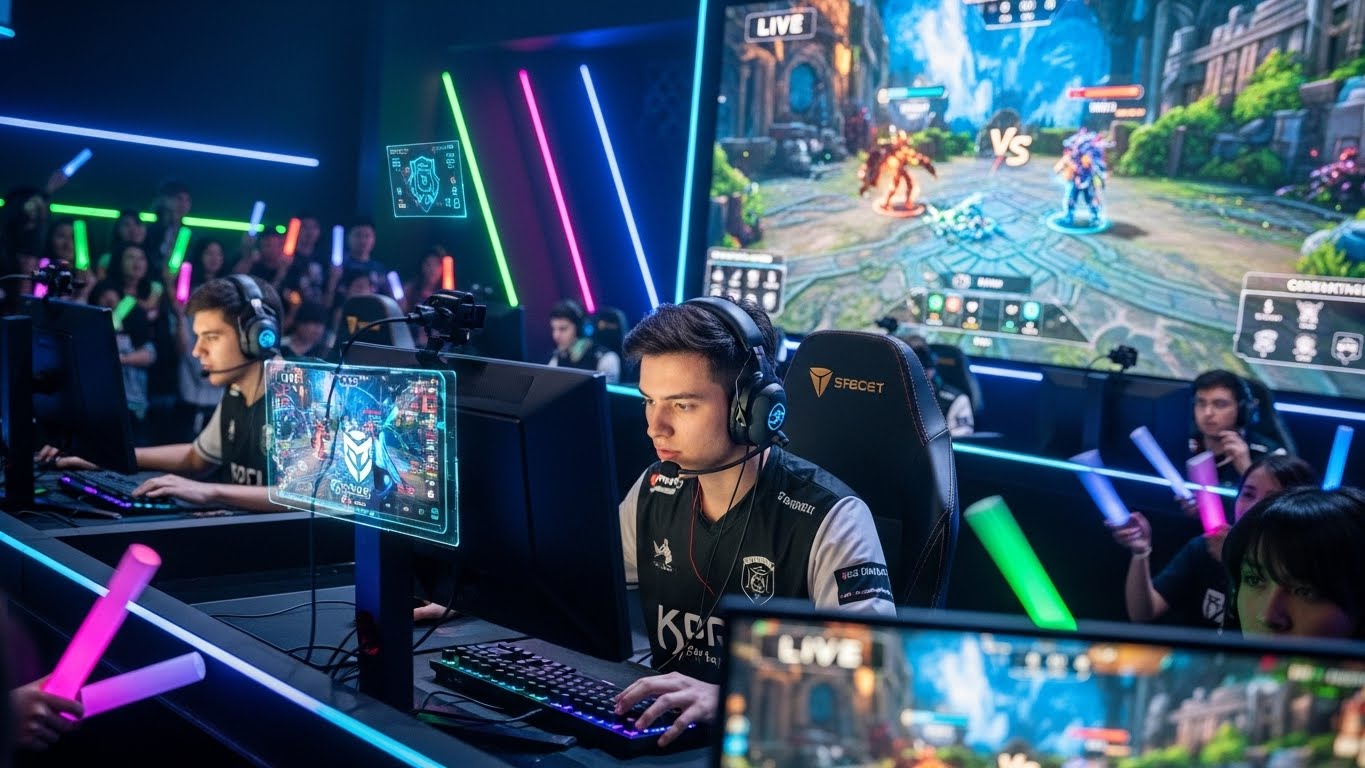
Esports has played a pivotal role in shaping the broader gaming culture. Unlike traditional video game players who might enjoy games casually, esports players are often highly dedicated, spending hours each day perfecting their skills. This level of commitment has led to a shift in how games are perceived. Esports has raised the profile of gaming, moving it from a hobby to a legitimate career path for talented individuals.
One of the most significant impacts of esports has been the development of gaming communities. Players of all skill levels have found their place within these communities, whether they’re watching tournaments, discussing strategies, or supporting their favorite teams. The ability to connect with like-minded individuals from around the world has created a sense of belonging for millions, and this cultural shift has helped redefine what it means to be a “gamer.”
Furthermore, the rise of esports has also contributed to the diversification of gaming. Competitive gaming has attracted players from different walks of life, and with it, a more inclusive environment has emerged. Players from various backgrounds, genders, and countries can now compete on equal footing, leading to a more diverse and welcoming gaming culture.
Esports as a Professional Career
For many aspiring gamers, esports has opened up new professional avenues. Just as in traditional sports, there are now careers in esports, including professional players, coaches, analysts, broadcasters, and even team managers. In some games, the competition is so fierce that players often begin their careers as teenagers, honing their skills in ranked matches or local tournaments before being recruited by professional teams.
In addition to the traditional player roles, esports also offers numerous behind-the-scenes opportunities. Game developers are in high demand for competitive gaming events, as they work to ensure that games are balanced and optimized for competition. Event organizers and production companies handle everything from organizing tournaments to broadcasting and streaming live events. With the increasing popularity of esports, the job market surrounding it is booming, offering both technical and creative career options.
The Commercial Power of Esports
As esports grew in popularity, so did its commercial potential. Today, the esports industry is valued in the billions, with revenue streams coming from a variety of sources:
- Sponsorships and Advertising – Major brands have partnered with esports organizations to tap into the growing esports audience. Companies like Coca-Cola, Nike, and BMW sponsor teams, tournaments, and events, providing substantial financial backing to the industry.
- Streaming and Media Rights – Streaming platforms like Twitch, YouTube, and Facebook have become integral to esports. The ability for fans to watch live gameplay has created a new media landscape. Esports organizations and event organizers sell broadcasting rights to these platforms, which generate significant revenue through ads and subscriptions.
- Merchandising – Esports teams, just like traditional sports teams, sell merchandise, from jerseys to accessories. Fans enjoy showing support for their favorite teams by purchasing team-branded gear.
- Prize Pools – Major esports tournaments often offer multi-million-dollar prize pools. The International (Dota 2’s annual championship) holds the record for the largest prize pool in esports history, often exceeding $30 million.
- Game Publishers and Developers – Companies like Riot Games (League of Legends) and Blizzard (Overwatch) make significant revenue from in-game purchases and esports events, solidifying their position as major players in the industry.
Esports Tournaments and Global Appeal
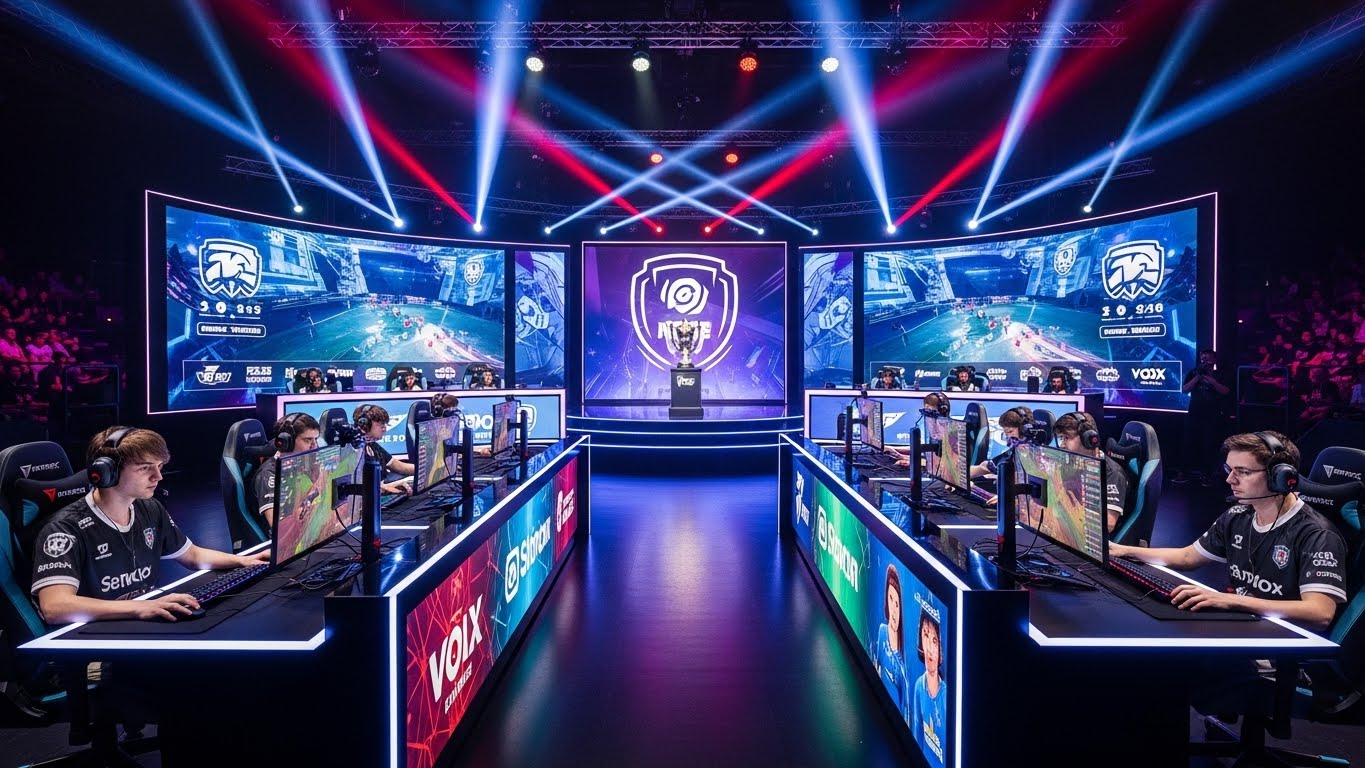
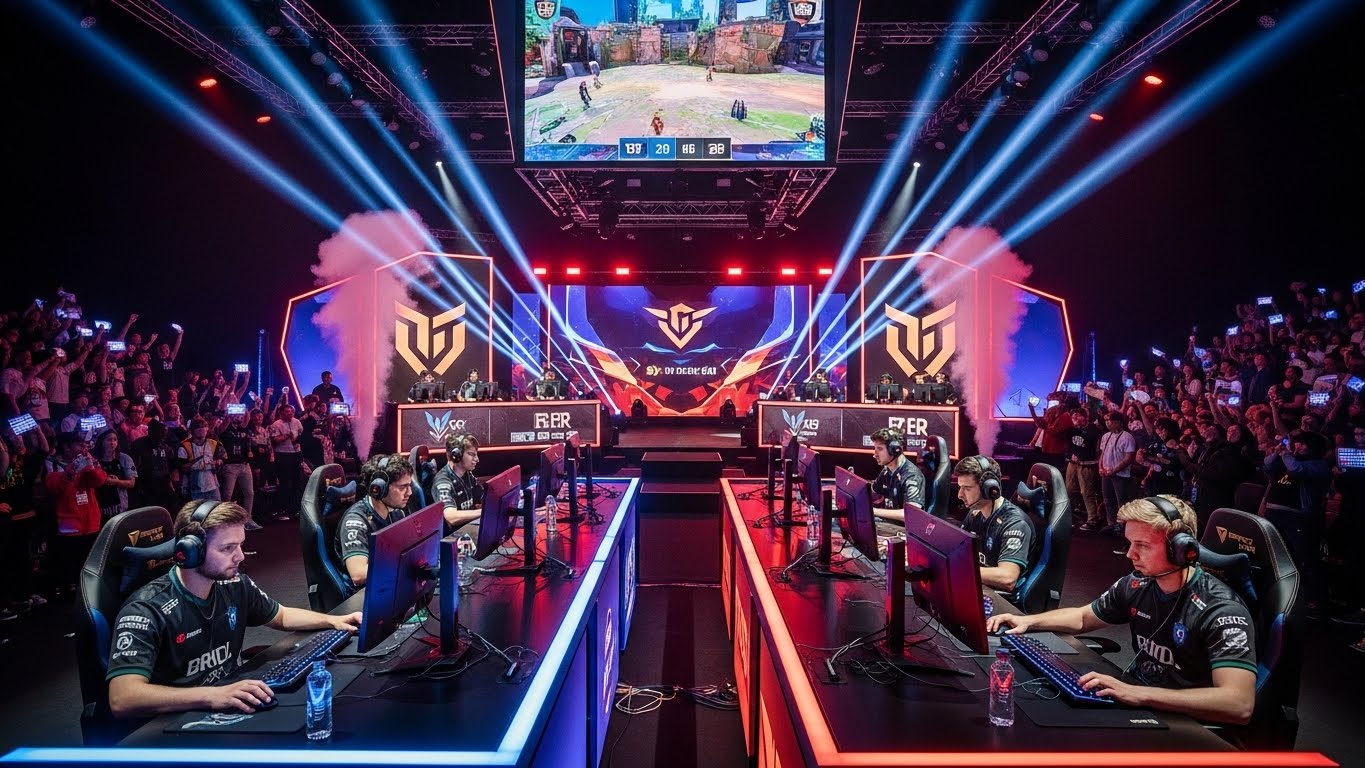
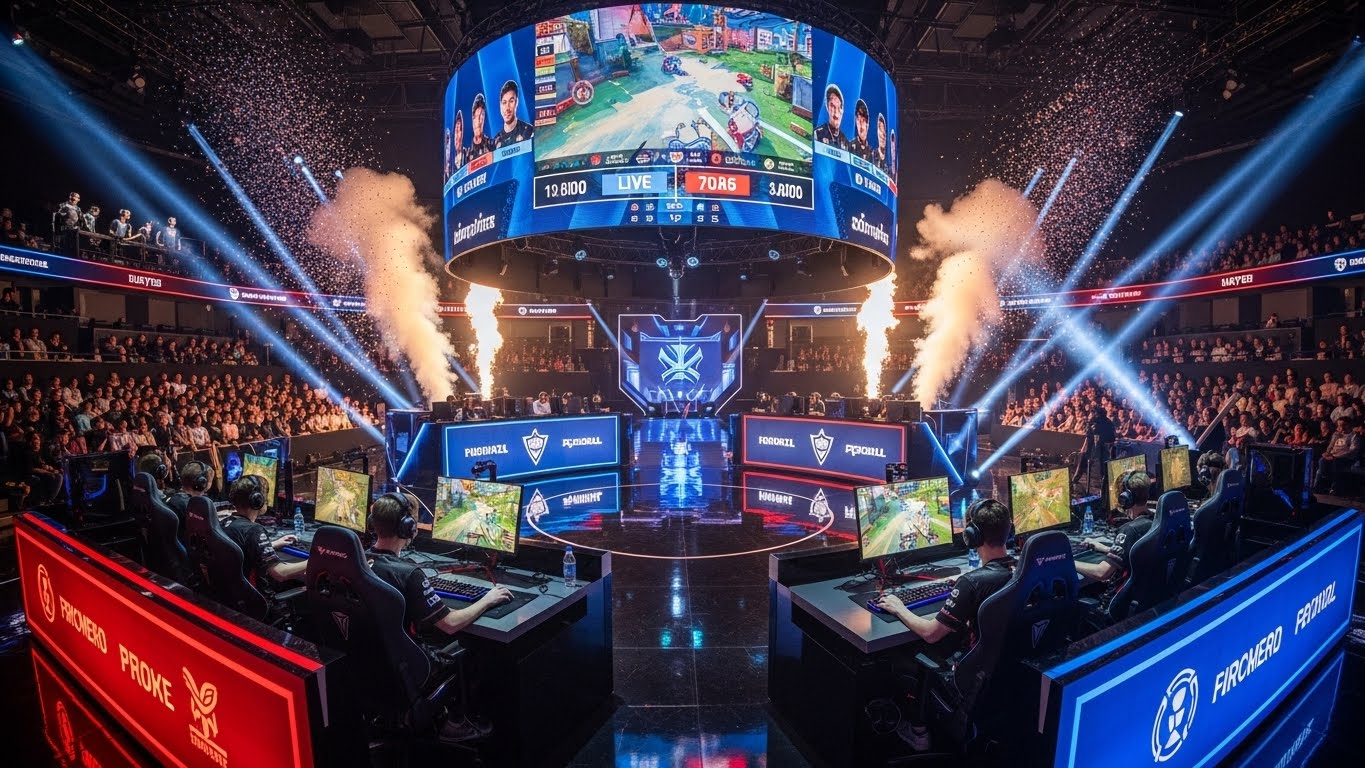
Esports tournaments have grown in scale and prestige, with some events even surpassing traditional sports in terms of viewership. The League of Legends World Championship, The International (Dota 2), and Overwatch League Grand Finals regularly attract millions of viewers. These tournaments often take place in massive arenas, with tens of thousands of spectators attending in person.
What makes these events unique is the global reach of esports. Unlike traditional sports, which are often confined to specific regions, esports competitions draw fans from every corner of the globe. Players and teams come from various countries and continents, and the games themselves are accessible to anyone with an internet connection.
The ability to live-stream these events has further expanded their reach. Fans no longer need to attend an event in person to enjoy the spectacle— they can watch from the comfort of their homes. Platforms like Twitch offer live streaming, while sites like YouTube allow fans to rewatch past matches and catch up on highlights. This accessibility is one of the key factors driving the rapid growth of esports.
The Future of Esports
As esports continues to evolve, there are several exciting developments on the horizon.
- Esports in Schools and Colleges – Many educational institutions have already started to embrace esports by creating esports teams and offering scholarships for gamers. This trend is expected to continue, with more schools providing resources and opportunities for students to pursue esports professionally.
- Virtual Reality and Augmented Reality – The future of esports could be closely tied to emerging technologies like VR and AR. These technologies have the potential to enhance the immersive experience of competitive gaming, offering new forms of gameplay and audience engagement.
- Integration with Traditional Sports – Esports and traditional sports may converge in the future. We are already seeing professional sports teams, such as the NBA’s Warriors Gaming Squad, invest in esports. As the two industries intersect, we may see more crossover events and collaborations between the two.
- Global Expansion – Esports is no longer confined to specific regions. As internet access improves globally, countries in Africa, Latin America, and Asia are increasingly becoming major players in the esports scene. The growth of these regions will add even more excitement and diversity to the world of esports.
Conclusion
Esports has proven itself to be much more than a passing trend—it’s a global, multi-billion-dollar industry that continues to evolve at a rapid pace. From its humble beginnings in the 1970s to its current status as a global phenomenon, esports has captured the hearts of millions around the world. Whether it’s through watching thrilling tournaments, supporting favorite teams, or even pursuing a career as a professional player or coach, esports has become a significant part of modern culture.
As technology advances and the industry continues to grow, the future of esports looks incredibly bright. From more professional opportunities to greater global reach, the next chapter in esports is sure to be just as exciting as its rise. The question is no longer “Is esports a passing trend?” but rather, “How will esports continue to shape the world of entertainment and sports in the years to come?” One thing is for sure—esports is here to stay, and its impact will only grow stronger.