
 esportsmastersarena62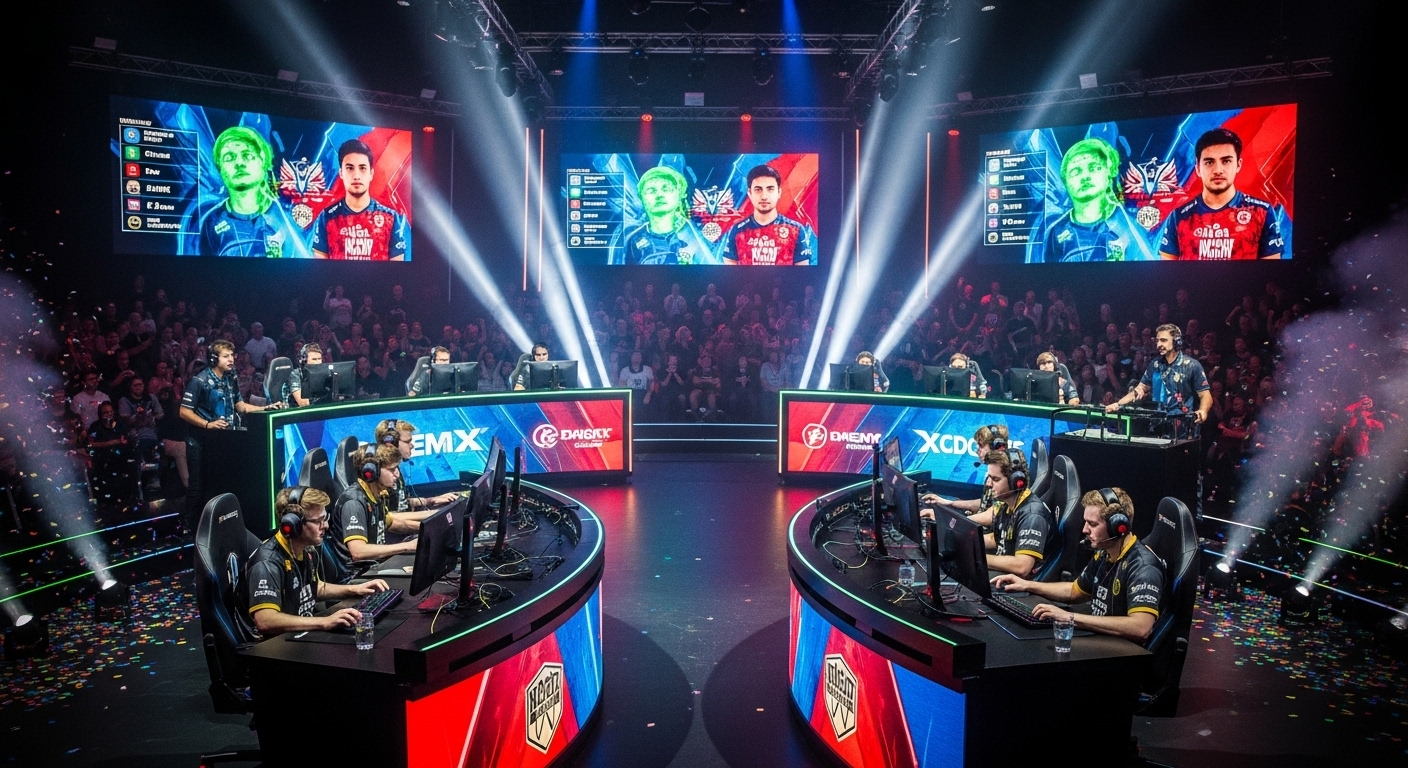
Introduction
Over the past few decades, a quiet revolution has taken place in the world of entertainment. What once started as a niche hobby for dedicated gamers has now transformed into a global, multi-billion-dollar industry. eSports, or electronic sports, has evolved from informal tournaments in basements and online multiplayer rooms into fully organized competitions with massive audiences, sponsorships, and professional players. Today, eSports is recognized not only as a form of entertainment but also as a legitimate career path, a spectator sport, and a cultural movement. As digital technologies continue to advance and gaming becomes more integrated into everyday life, the influence and reach of eSports grow exponentially.
What is eSports?
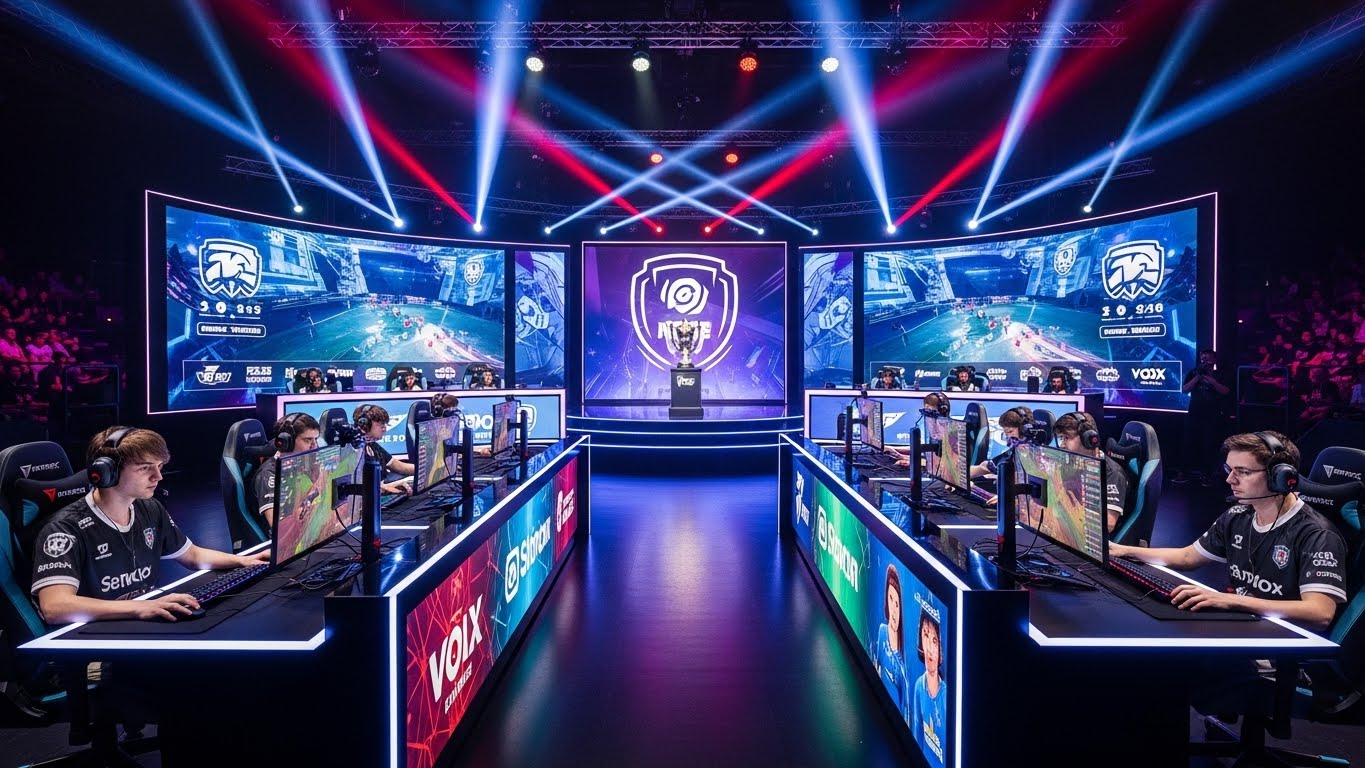
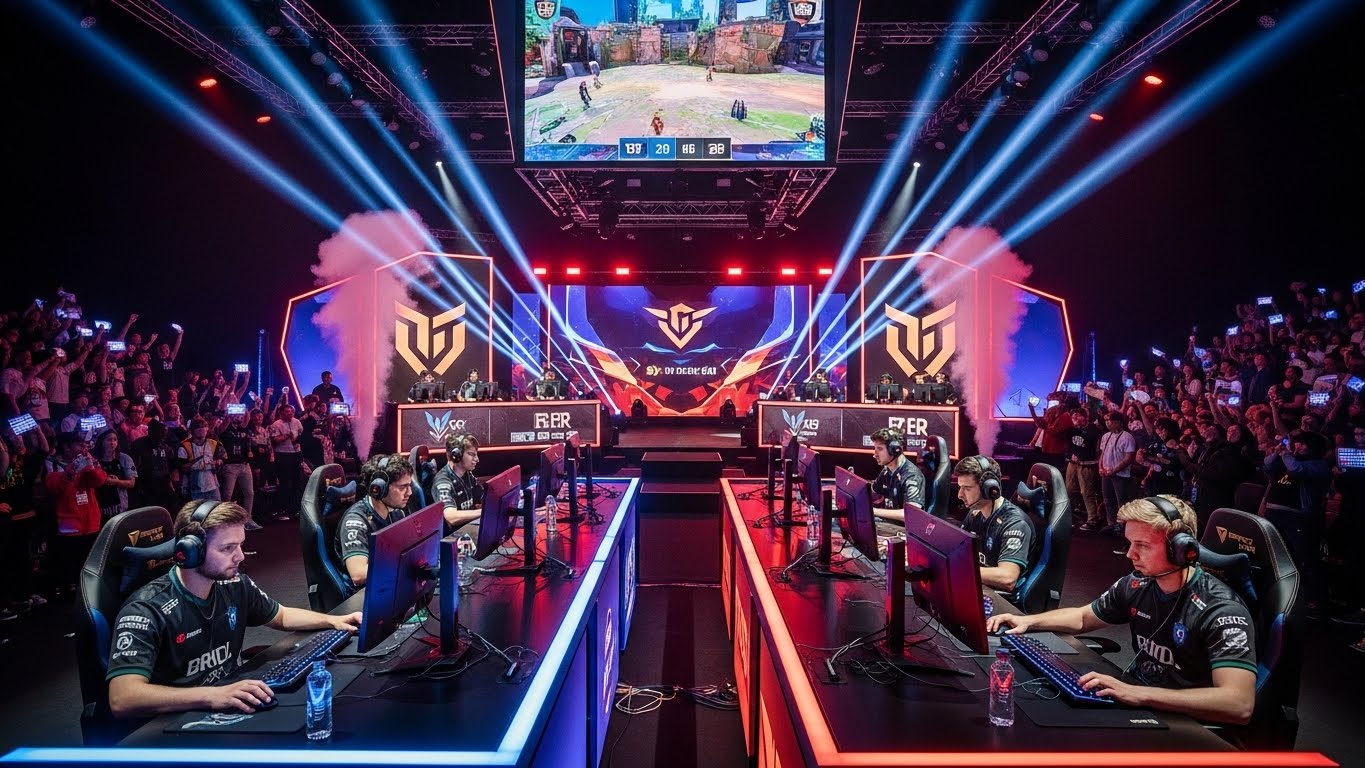
At its core, eSports refers to competitive video gaming. It involves players or teams competing against one another in various games, often organized into leagues or tournaments. These competitions can take place in person at live events, or remotely, streamed online for millions of viewers. The games themselves vary widely in genre, ranging from strategy-based games like League of Legends to first-person shooters like Counter-Strike: Global Offensive and Overwatch, as well as sports simulations like FIFA and NBA 2K.
In eSports, players are often seen as professional athletes, and the competitions are structured in similar ways to traditional sports events. They are governed by rules and regulations, with referees overseeing gameplay, and they are usually broadcasted live via streaming platforms such as Twitch, YouTube Gaming, or Facebook Gaming.
The Evolution of eSports: From Hobby to Profession
eSports has come a long way from its humble beginnings in the 1990s. The concept of competitive gaming can be traced back to the early arcade days, when players would compete for high scores and bragging rights. In the late 1990s and early 2000s, the rise of online multiplayer games, such as StarCraft and Warcraft III, led to the first major eSports events. These were small-scale tournaments with modest prizes, often organized by game developers or fan communities.
It wasn’t until the mid-2000s that eSports began to gain serious traction. The launch of platforms like Twitch in 2011, which allowed gamers to stream their gameplay live to audiences, brought a new level of visibility to competitive gaming. From that point on, eSports began to attract a growing number of players, sponsors, and viewers.
The 2010s saw explosive growth in the eSports industry. Major gaming events like the League of Legends World Championship and The International (Dota 2’s premier tournament) offered multi-million-dollar prize pools and attracted millions of viewers. The recognition of eSports as a legitimate sport by organizations such as the International Olympic Committee (IOC) and its integration into universities as part of athletic programs further legitimized the industry.
eSports as a Career Path: Professional Players and Teams
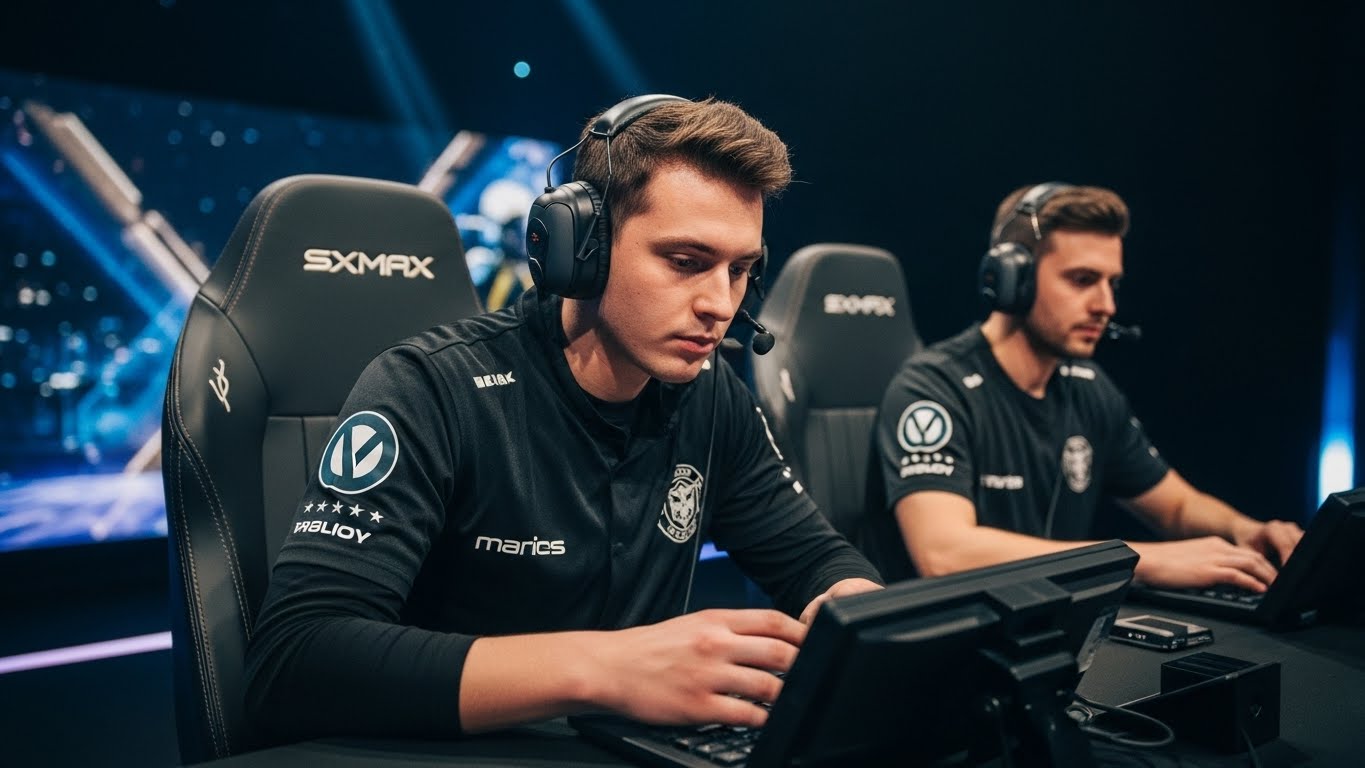
Today, eSports is not just for hobbyists; it’s a full-time career for many professional players. These individuals dedicate countless hours to practice, strategize, and refine their skills, just like athletes in traditional sports. Top eSports players can earn significant salaries through tournament winnings, sponsorships, streaming platforms, and merchandise sales. Some of the highest-paid players, such as those involved in Dota 2 or Fortnite competitions, have earned millions of dollars throughout their careers.
Professional eSports teams, which often consist of five to six players, are comparable to traditional sports teams in terms of structure and competition. They recruit players from around the world, offering salaries, training facilities, coaching, and sponsorship deals. The most successful teams have dedicated fanbases and can compete on a global scale. Popular teams like Cloud9, Team Liquid, and FaZe Clan have become household names, with dedicated social media followings and merchandise sales.
Furthermore, many players transition into content creation once they retire from competitive gaming. Streaming on platforms like Twitch allows them to continue engaging with their fans while earning a steady income from ads, subscriptions, and donations. Some even become influencers, collaborating with brands or creating their own gaming-related products.
The Audience: eSports Viewers and Fans
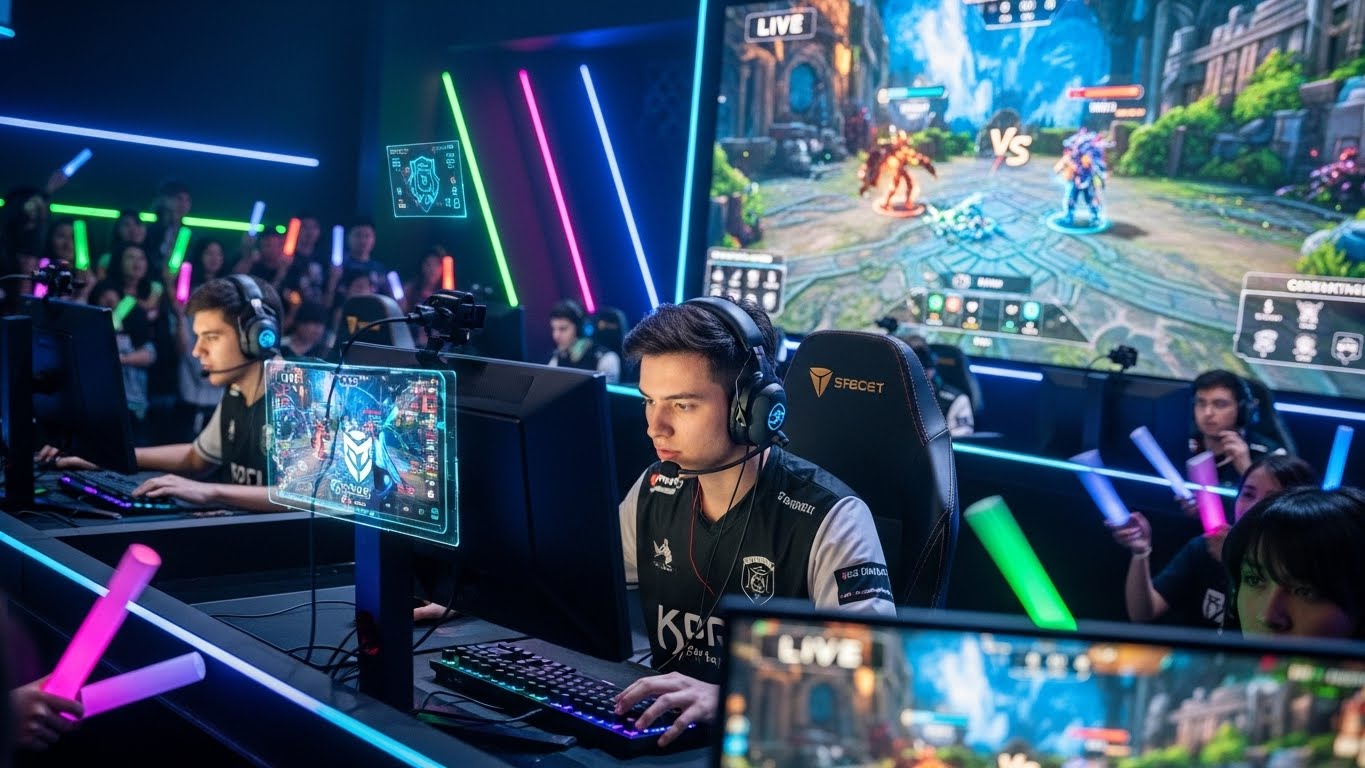
The rise of eSports can also be attributed to its massive audience. Millions of people around the world now tune in to watch tournaments, whether through live streams, TV broadcasts, or highlights posted on social media. eSports tournaments attract not just gamers but also mainstream sports fans, tech enthusiasts, and pop culture followers.
One of the unique aspects of eSports is its ability to connect people globally. Unlike traditional sports, where geographical location often limits the audience, eSports competitions are accessible to anyone with an internet connection. This global reach has allowed eSports to create an inclusive community of fans who engage not just in watching the games but also in discussions, forums, and fan events.
For major tournaments, live viewership numbers rival those of traditional sports broadcasts. The League of Legends World Championship regularly attracts over 100 million viewers across multiple platforms, while The International Dota 2 tournament draws crowds in the tens of millions. The excitement of watching eSports is not confined to just the competition; it’s also about the personalities of the players, the drama of the games, and the sense of community that comes with cheering for your favorite team or individual.
The Business of eSports: Sponsorships, Partnerships, and Growth
Like any major industry, eSports has become big business. Sponsorships from top-tier brands have poured into the sector, with companies ranging from energy drink manufacturers to tech giants and even car companies sponsoring teams and tournaments. Brands see eSports as a valuable marketing platform, offering them access to a dedicated, tech-savvy, and global audience.
Major companies like Intel, Coca-Cola, and Nike have partnered with eSports organizations, and streaming platforms such as Twitch, YouTube, and Facebook have invested heavily in broadcasting eSports content. Merchandise sales, including jerseys, branded equipment, and even collectible items, have also become significant revenue streams.
In addition to traditional sponsors, game developers themselves play a crucial role in the eSports ecosystem. Companies such as Riot Games (the developer behind League of Legends), Blizzard Entertainment (creators of Overwatch and StarCraft), and Valve Corporation (the company behind Dota 2 and Counter-Strike: Global Offensive) actively promote eSports and help fund tournaments and leagues. These companies often partner with eSports organizations to ensure their games remain at the forefront of competitive gaming.
The Role of eSports in Mainstream Culture
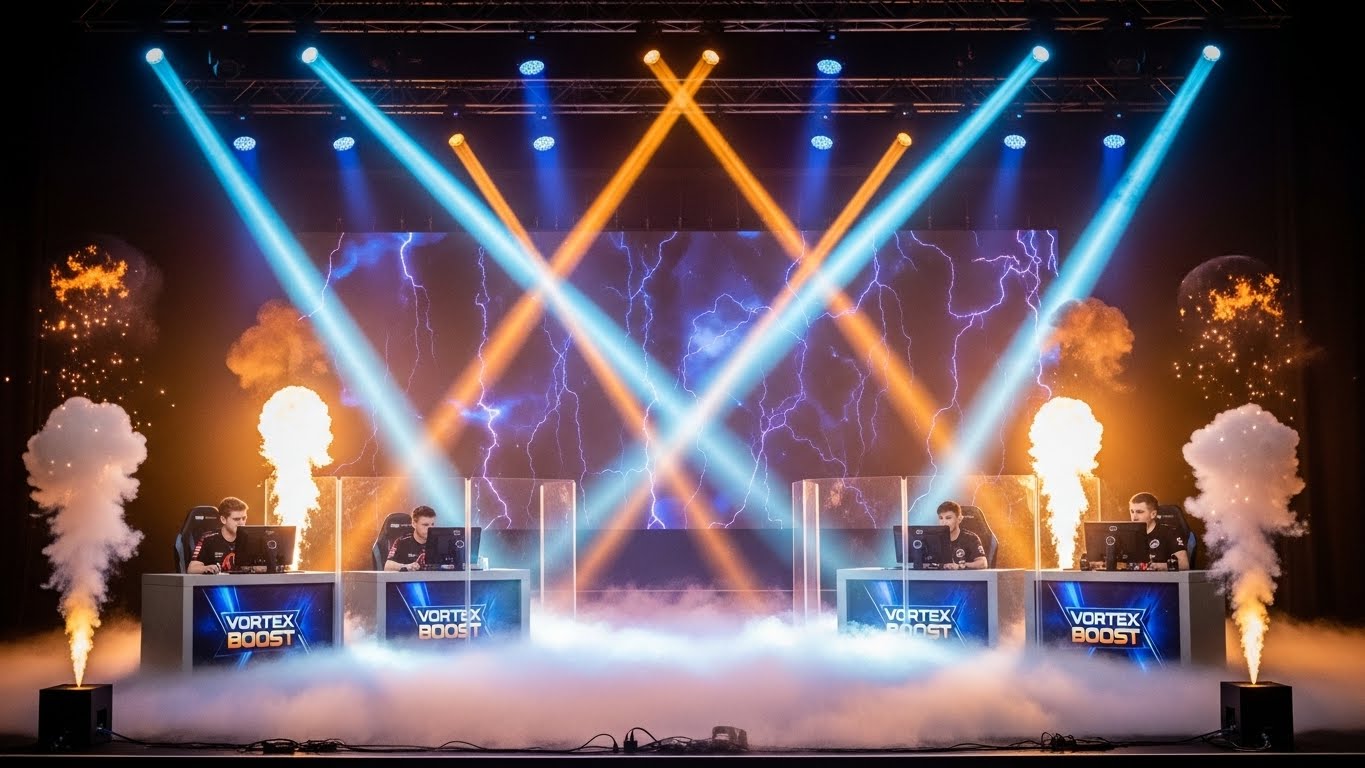
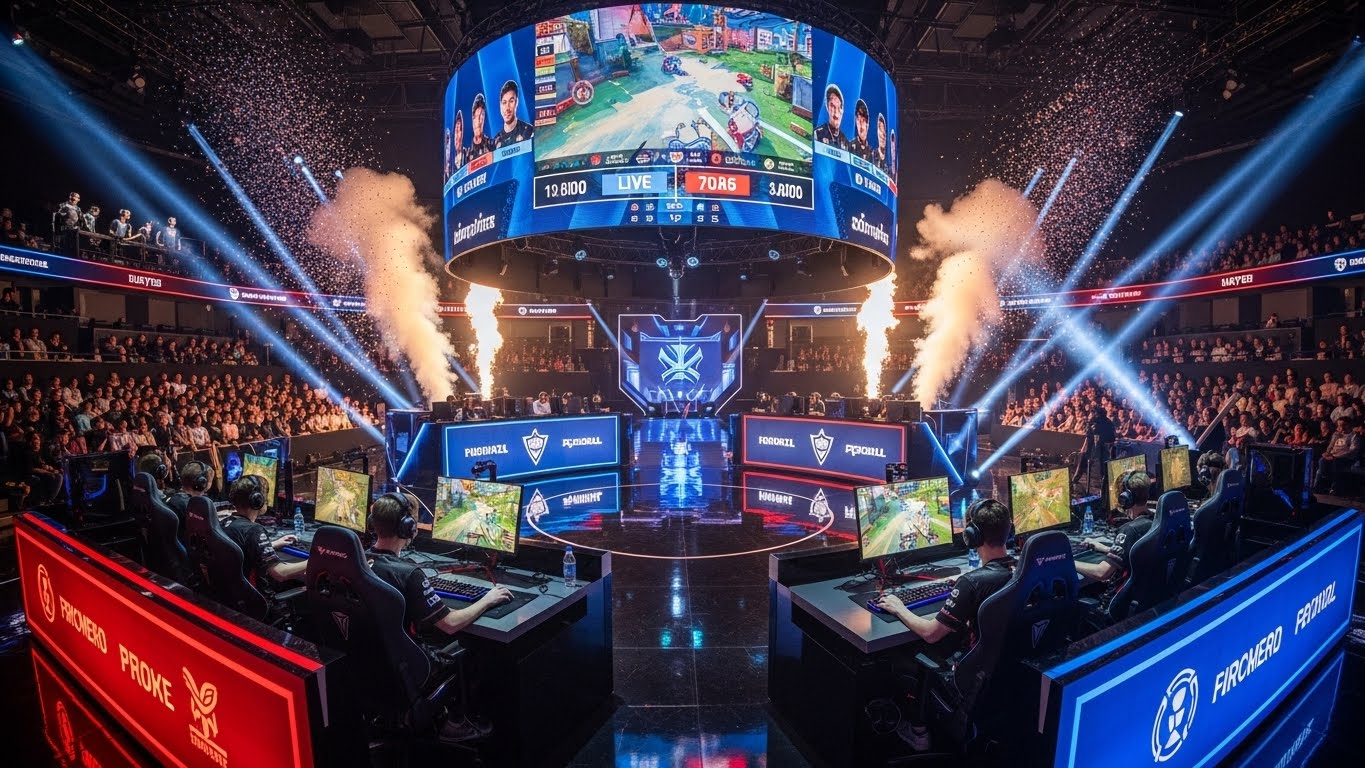
eSports is no longer confined to the digital realm; it has made its way into mainstream culture. Television networks are increasingly broadcasting eSports tournaments, and major event organizers are hosting live tournaments in large arenas with thousands of spectators. The League of Legends World Championship has been held in some of the world’s most iconic stadiums, including the Staples Center in Los Angeles and the Bird’s Nest Stadium in Beijing, providing eSports with the same level of legitimacy and grandeur that traditional sports enjoy.
Additionally, eSports stars are gaining recognition and endorsement deals similar to athletes in traditional sports. Players like Faker, Ninja, and Shroud have become recognizable public figures, with lucrative sponsorship deals and large followings on social media platforms. These players are not just competitors; they are entrepreneurs and influencers, shaping the culture of gaming and beyond.
The Future of eSports: Challenges and Opportunities
While eSports is experiencing rapid growth, it also faces challenges. The issue of player burnout is a growing concern, as many professional gamers are forced to maintain a grueling schedule of practice, tournaments, and content creation. The intense pressure to perform can lead to mental and physical exhaustion, which is why many organizations are beginning to recognize the need for better player support systems, including mental health resources and better work-life balance.
Additionally, as eSports continues to grow, there is a need for more regulation and standardization in terms of tournament structures, player contracts, and anti-cheating policies. While eSports is currently booming, it still faces skepticism from some critics who question its legitimacy as a sport. The integration of eSports into traditional sporting events, such as the Asian Games or even the Olympics, is still a topic of debate.
Nevertheless, the future of eSports looks incredibly promising. With the continued rise of mobile gaming, the increasing accessibility of high-speed internet in emerging markets, and the expansion of VR and AR technologies, eSports is poised to continue its upward trajectory. As the industry matures, it will likely see greater commercialization, with bigger sponsorships, higher production values, and even more international recognition.
Conclusion
eSports has evolved from a niche hobby into a global cultural and economic force. With its ability to blend entertainment, competition, and community, it has carved out a space in the entertainment world that rivals traditional sports. Whether you’re a casual gamer, a passionate fan, or a professional player, the world of eSports offers something for everyone. As the industry continues to grow, one thing is certain: the future of gaming is bright, and eSports is here to stay.