
 esportsmastersarena62
In recent years, eSports has evolved from a niche hobby to a global phenomenon. What started as small LAN parties and amateur competitions has now transformed into a multi-billion-dollar industry with millions of viewers worldwide. From League of Legends to Dota 2 and Counter-Strike: Global Offensive, competitive gaming has captured the hearts of players and fans alike. But eSports is more than just gaming—it’s an ecosystem of competition, entertainment, and sportsmanship that spans across the globe. In this blog post, we’ll explore the rise of eSports, the factors driving its growth, and what the future holds for this electrifying world of digital sports.
What is eSports? A Digital Revolution in Competitive Gaming
At its core, eSports refers to organized, multiplayer video game competitions, particularly between professional players, teams, or leagues. Unlike traditional sports, which typically take place in physical arenas, eSports occurs in virtual environments, where players compete in games that test their strategic thinking, teamwork, reflexes, and decision-making abilities.
The most popular eSports games range from real-time strategy games like StarCraft to first-person shooters like Call of Duty, and battle arena games like League of Legends and Fortnite. What makes these games unique is not just their complexity and depth but also the competitive scenes that surround them—players practice tirelessly, teams are formed, and massive tournaments are held in front of live audiences, both online and offline.
The Explosion of eSports: From Casual to Global Phenomenon
The rise of eSports can be traced back to the late 1990s and early 2000s when gaming tournaments like Quake and StarCraft began to gain traction in South Korea. These early tournaments sparked a growing interest in competitive gaming, leading to the establishment of professional leagues and broadcasting on television.
However, it wasn’t until the rise of streaming platforms like Twitch and YouTube in the mid-2010s that eSports began to explode into the global phenomenon we know today. These platforms allowed players to broadcast their gameplay to an ever-growing audience, creating a new breed of stars who gained fame and fortune through their skills and online presence. As the industry grew, so did the prize pools, sponsorships, and the overall legitimacy of eSports as a career option. Today, major tournaments like The International for Dota 2 or the League of Legends World Championship attract millions of viewers worldwide, with prize pools reaching upwards of tens of millions of dollars.
Why eSports is Different: The Competitive Edge of Digital Sports
eSports stands apart from traditional sports in several key ways. The most obvious difference is the virtual nature of the competition. Players aren’t physically on a field or court—they’re sitting at a desk with a controller or keyboard, competing in a digital arena. However, the fundamentals of competition remain the same: strategy, skill, teamwork, and mental fortitude.
One unique aspect of eSports is the speed at which the action unfolds. Matches can last anywhere from a few minutes to several hours, with fast-paced gameplay and near-constant decision-making required from the players. Unlike traditional sports, where a team might have months or years to practice and improve, eSports players often focus intensely on improving specific in-game skills or strategies in a matter of weeks or even days, making for an ever-evolving and highly competitive environment.
The Players: Stars of the eSports World
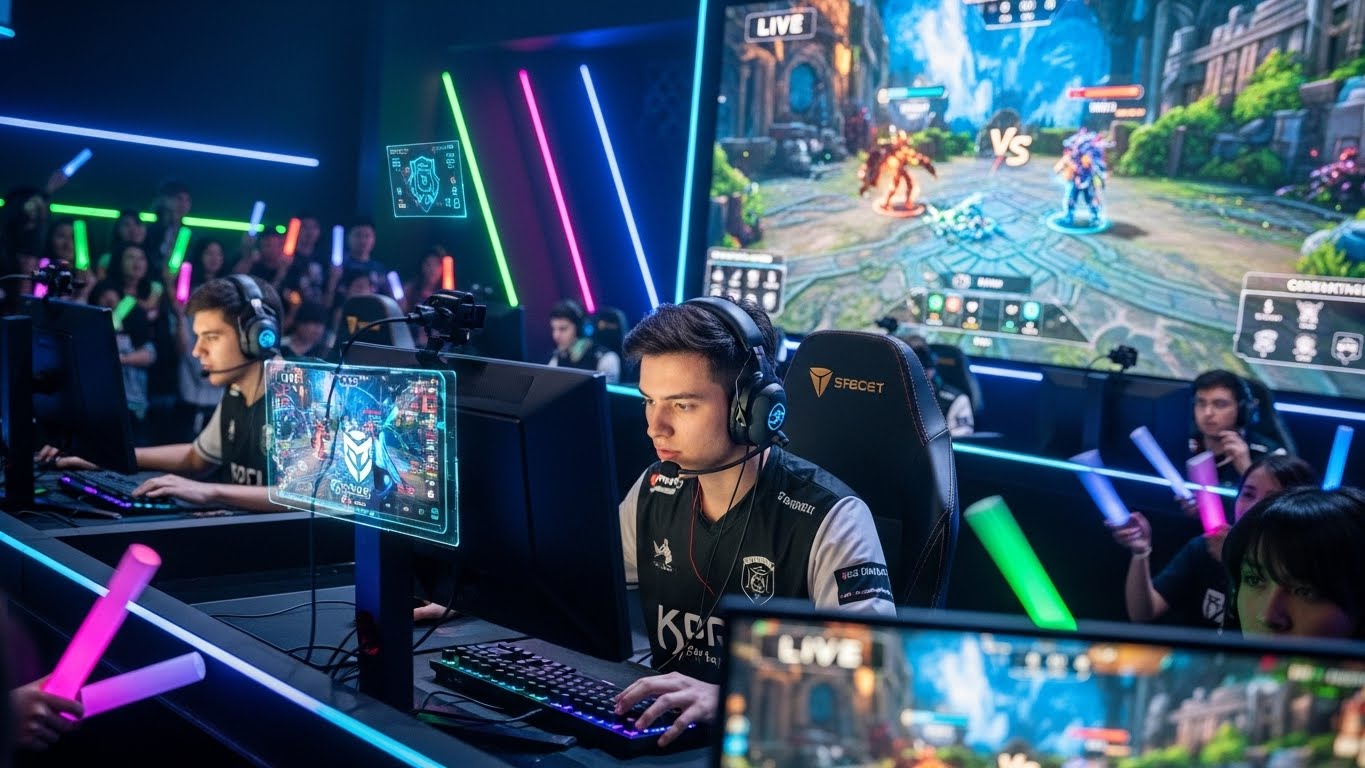
Behind every eSports competition is a dedicated player or team of players. The most successful eSports athletes are much like traditional sports stars—they train relentlessly, often spending hours each day refining their skills. These players are known for their lightning-fast reflexes, deep understanding of game mechanics, and ability to work seamlessly with teammates.
Some eSports players have become household names, with millions of followers on social media and streaming platforms. Players like Faker (Lee Sang-hyeok) in League of Legends or Ninja (Tyler Blevins) in Fortnite have achieved global recognition, not only for their gameplay but also for their charismatic personalities and ability to connect with fans. These players often sign sponsorships with major brands, participate in media appearances, and even have their own merchandise lines. As the industry grows, the opportunities for eSports players to turn their passion into a lucrative career continue to expand.
eSports Tournaments: The Epic Events that Bring Gamers Together
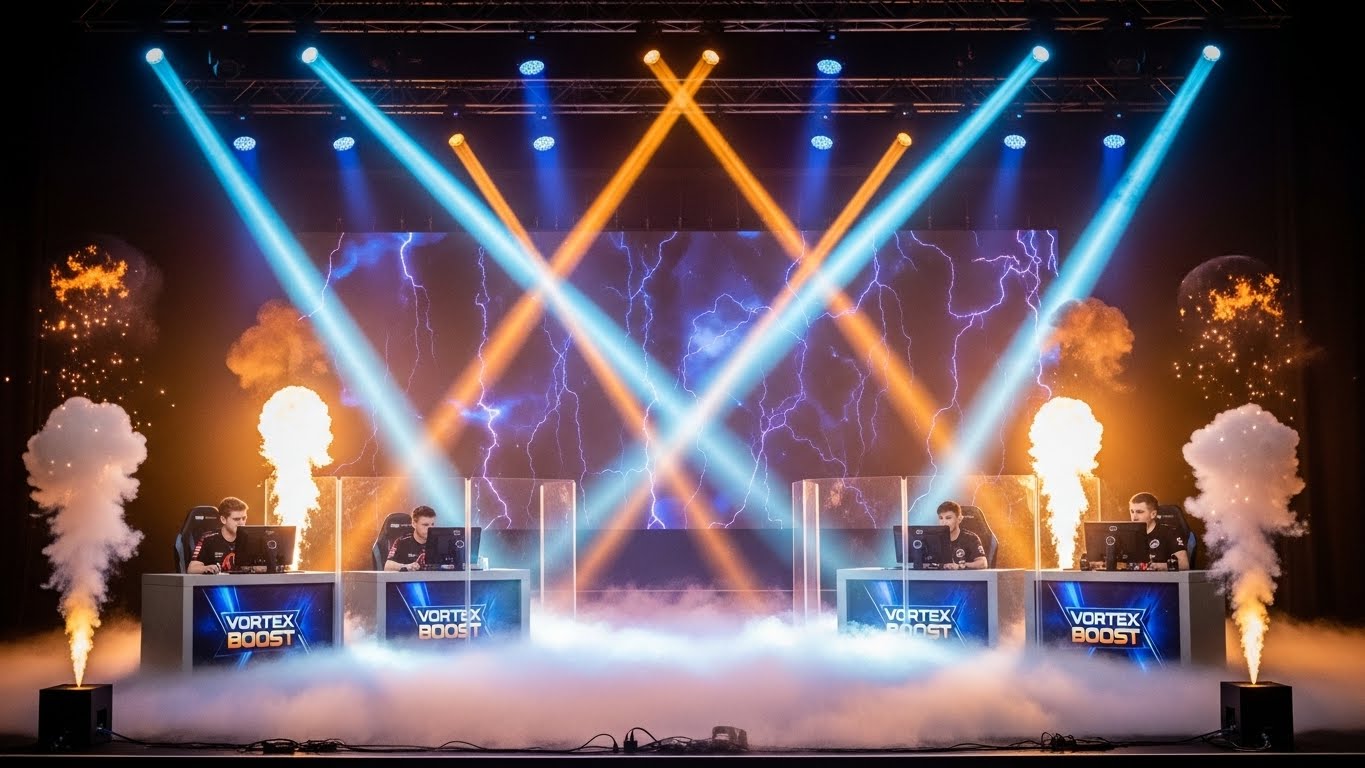
Tournaments are the lifeblood of the eSports ecosystem. These events, both online and offline, bring together the best players and teams from around the world to compete for glory and a share of multimillion-dollar prize pools.
Some of the most famous eSports tournaments include:
- The International (Dota 2)
- League of Legends World Championship (LoL)
- Intel Extreme Masters (CS:GO)
- Overwatch League (OWL)
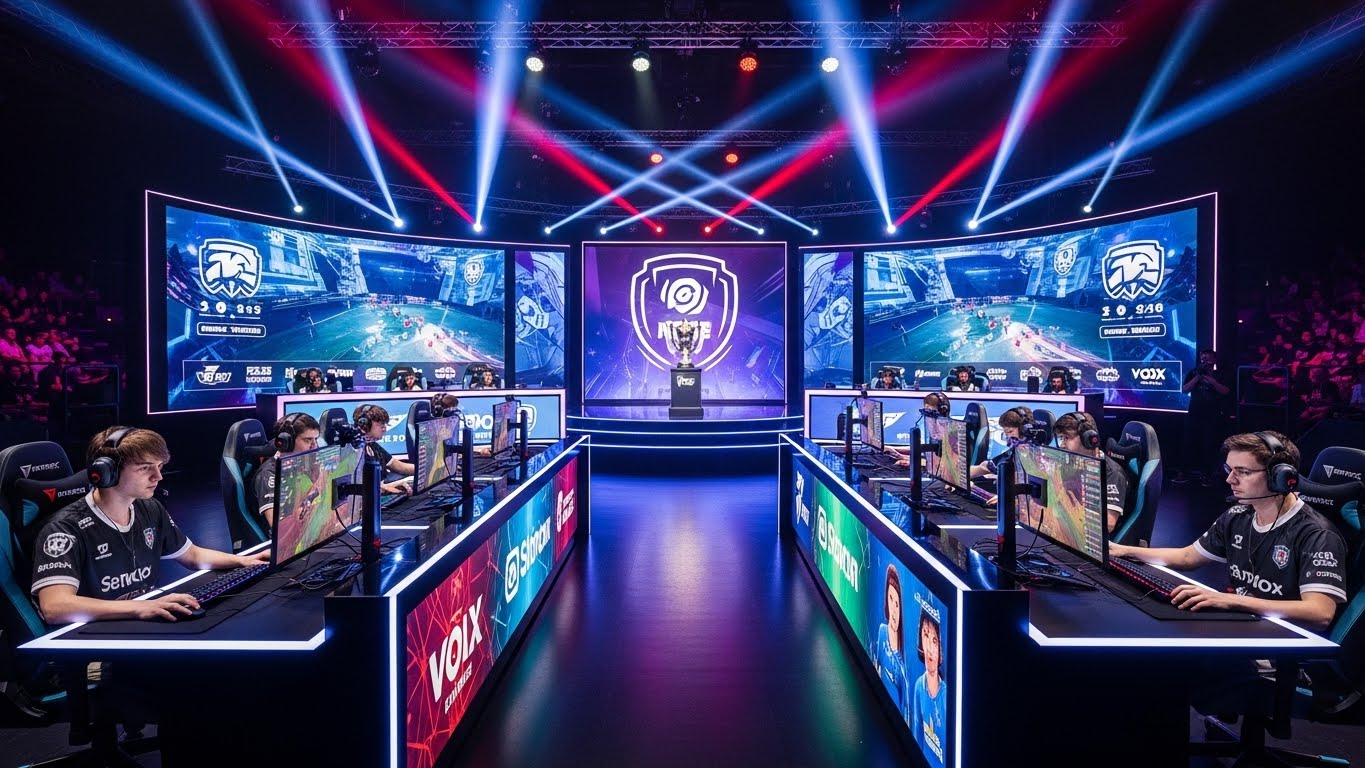
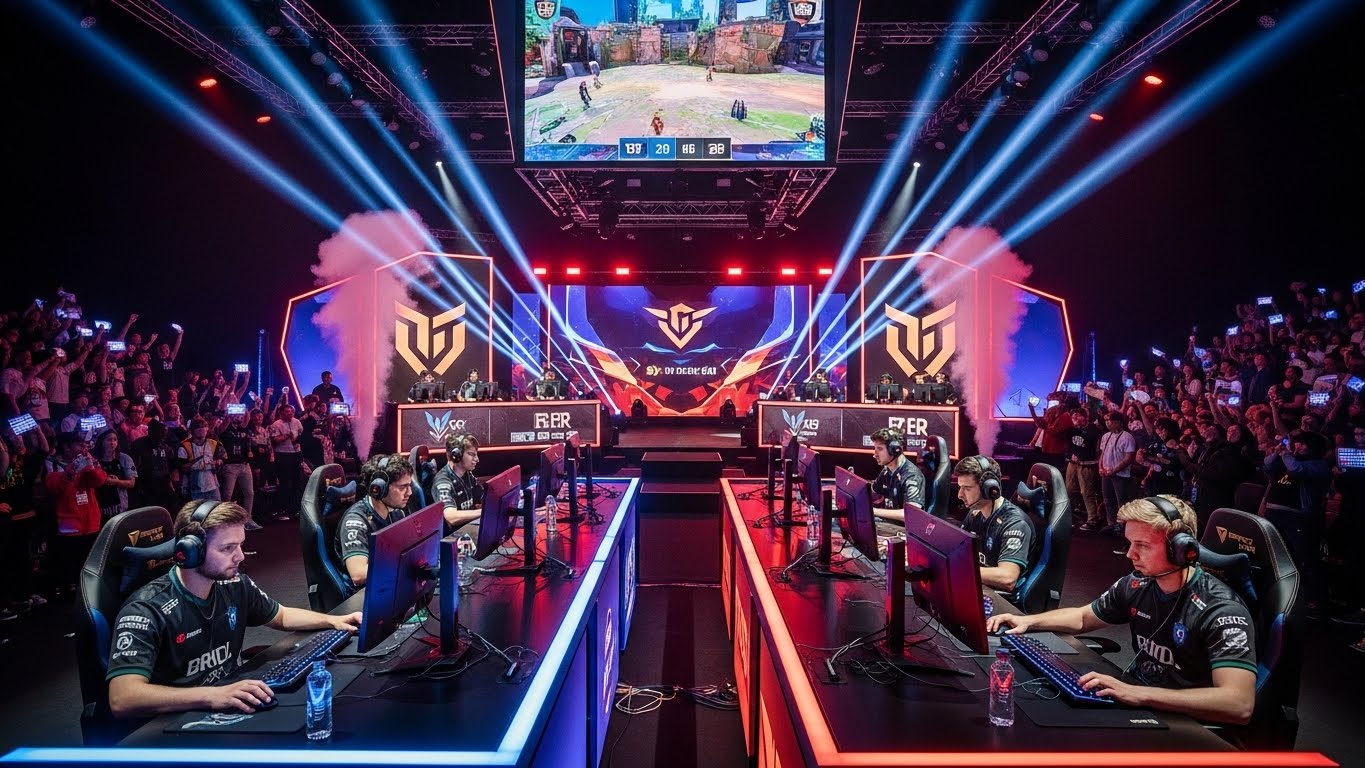
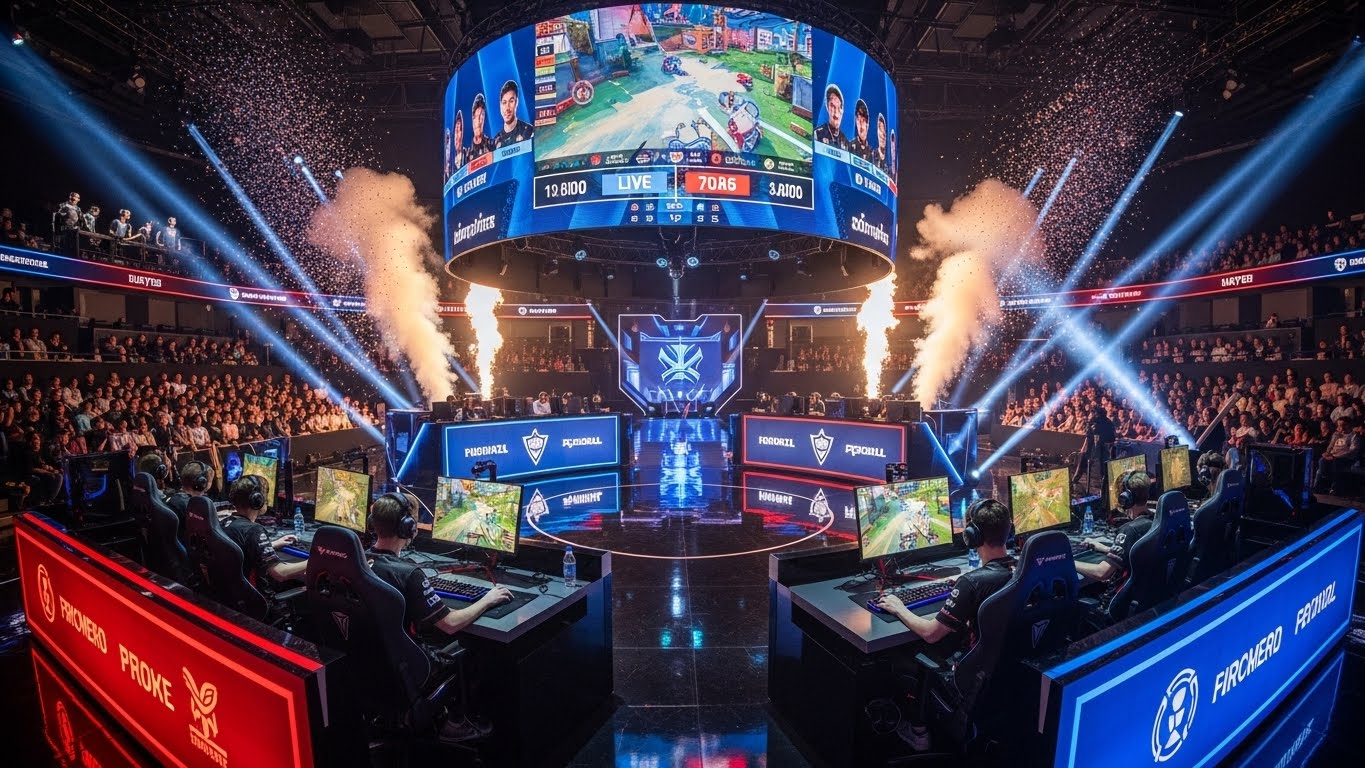
These tournaments often attract massive live audiences, either in person or via streaming platforms, where millions of fans tune in to watch the action. Major tournaments are broadcasted on multiple platforms, including Twitch, YouTube, and dedicated eSports networks. Some tournaments even fill stadiums with cheering crowds, giving eSports a level of prestige and excitement akin to traditional sports leagues.
The Economics of eSports: A Billion-Dollar Industry
One of the driving forces behind the rise of eSports is the booming economics of the industry. In 2021, the global eSports market was valued at over $1 billion, and it continues to grow year after year. Much of the revenue comes from sponsorships, advertising, media rights, ticket sales, and merchandise.
Major global brands like Coca-Cola, Intel, and Red Bull are all heavily invested in eSports, seeing it as a powerful marketing tool to engage with a young, tech-savvy demographic. Furthermore, eSports organizations, teams, and players are increasingly entering the mainstream, with major investment firms and celebrities backing teams or forming partnerships. This influx of capital has led to a higher standard of competition, better production values for events, and greater financial opportunities for players and organizers alike.
The Future of eSports: A Digital Sports Legacy
As we look to the future, eSports shows no signs of slowing down. The industry is expected to continue growing as new games enter the competitive scene and more countries legalize gambling and sports betting, which will further fuel the popularity of eSports.
Technology will also play a significant role in shaping the future of eSports. Virtual reality (VR) and augmented reality (AR) are two areas where we could see major innovations. Imagine a Counter-Strike match, not on a flat screen but in a fully immersive virtual environment, or a League of Legends tournament that combines real-world physics with digital gameplay in a hybrid experience. The possibilities are limitless.
Moreover, with the rise of college and high school eSports leagues, the next generation of professional players is already starting to emerge, further solidifying eSports as a legitimate career path. As the gaming community continues to expand and attract new talent, the world of eSports will evolve into a mainstream form of entertainment, recognized alongside traditional sports.
Conclusion: eSports—The Future of Competitive Gaming
eSports has undeniably come a long way since its humble beginnings. Today, it stands as a dynamic, growing industry that offers exciting opportunities for players, fans, and investors alike. With a unique blend of skill, strategy, and entertainment, eSports has established itself as a dominant force in the world of digital entertainment.
As technology continues to advance and the global audience for gaming grows, eSports will only continue to thrive, creating new opportunities for aspiring athletes and fans around the world. Whether you’re a casual gamer or a dedicated fan, it’s clear that eSports is here to stay, offering a thrilling future for competitive gaming enthusiasts everywhere.