
 esportsmastersarena62
Introduction: The Evolution of Competitive Gaming
Over the past two decades, competitive gaming, commonly known as esports, has transitioned from a niche hobby to a global phenomenon. What was once confined to basements, arcades, and small-scale tournaments has evolved into a multi-billion-dollar industry attracting millions of fans worldwide. Unlike traditional sports, esports leverages digital platforms, advanced technology, and online communities, creating an entirely new dimension of competition. The rise of esports not only showcases the skill and strategy of players but also reflects the changing landscape of entertainment, social interaction, and professional opportunities in the digital era.
Understanding Esports: More Than Just Gaming
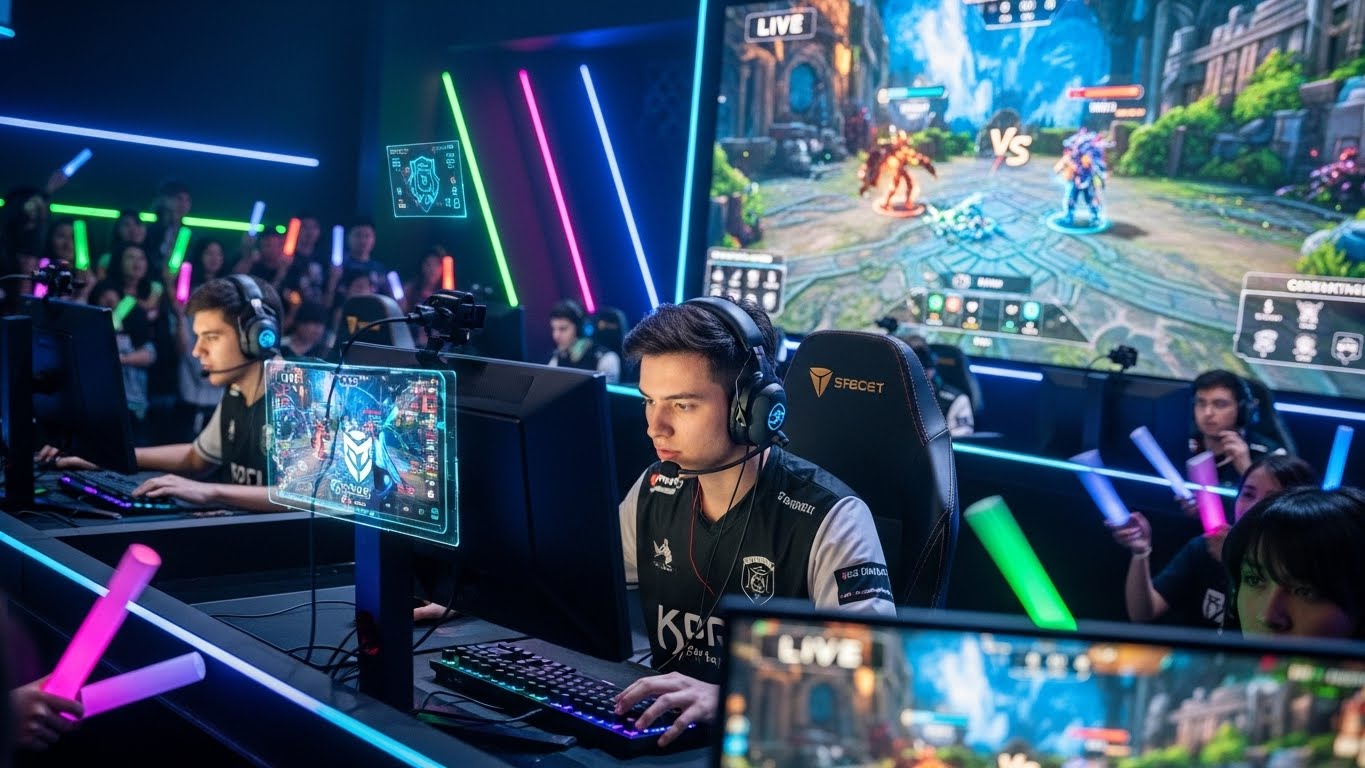
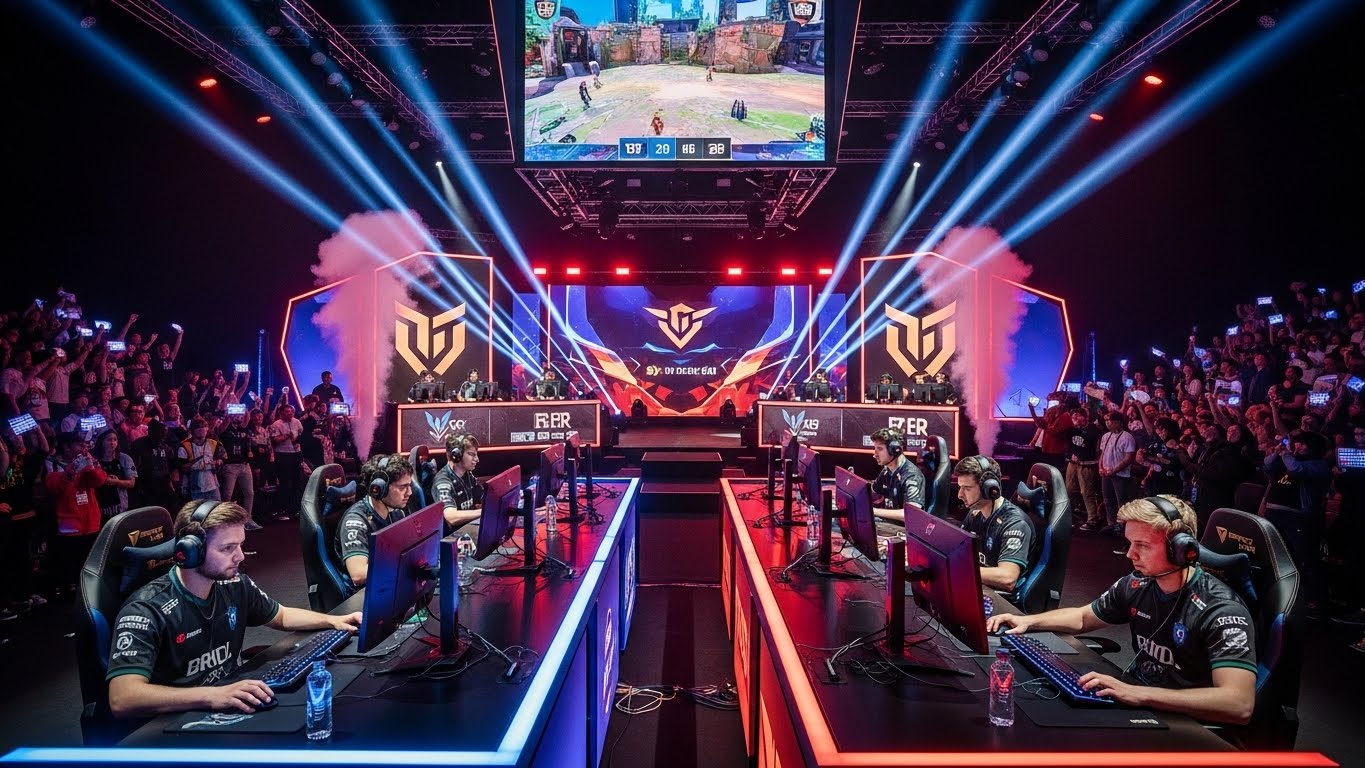
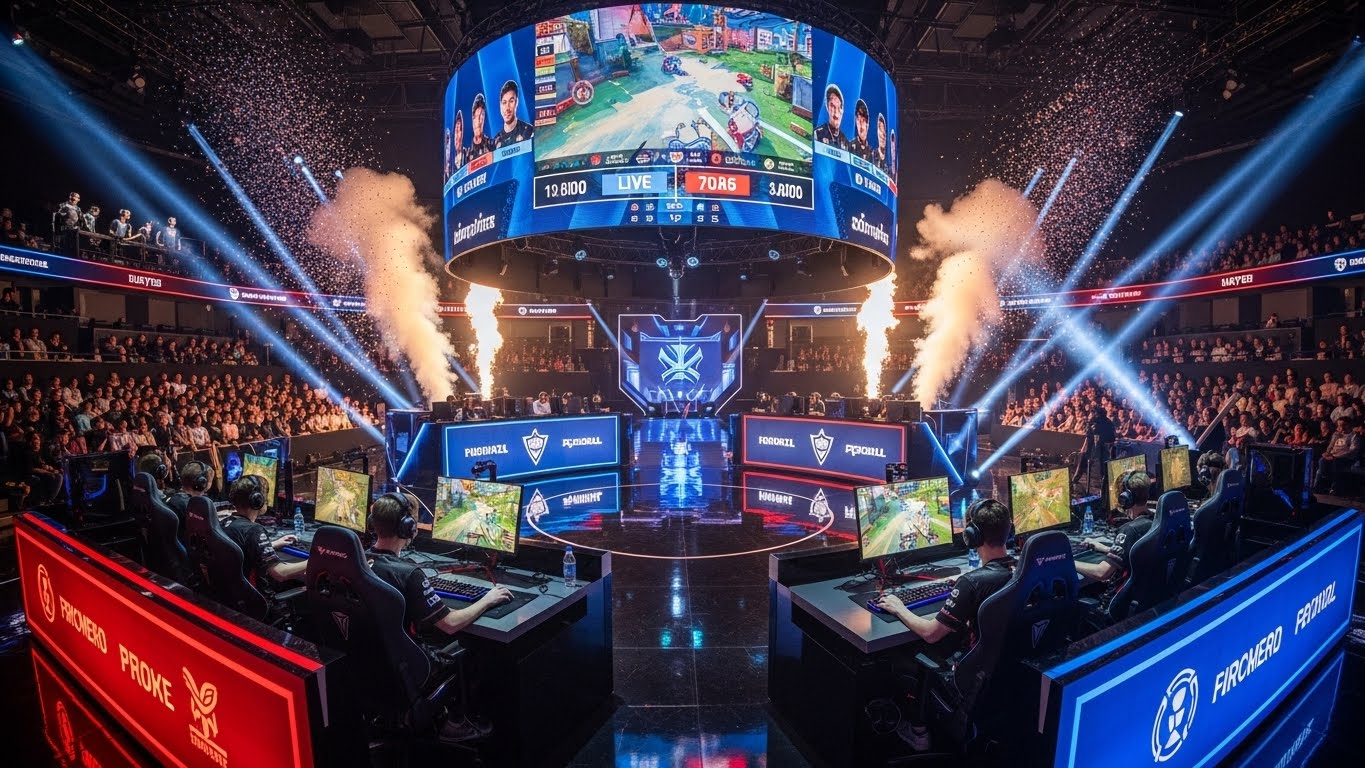
At its core, esports is organized, competitive video gaming. Participants, ranging from amateurs to professional athletes, compete in a variety of games across genres, including real-time strategy, first-person shooters, battle royale, and multiplayer online battle arenas. The essence of esports lies in strategy, teamwork, reflexes, and mental acuity. Unlike casual gaming, esports requires rigorous training schedules, study of opponent strategies, and mastery of game mechanics. Players often invest significant time perfecting their skills, akin to traditional athletes preparing for high-stakes matches. Esports tournaments can take place online, but major events now fill arenas and stadiums, attracting tens of thousands of live spectators while reaching millions via streaming platforms.
The Popularity Surge: Why Esports is Exploding Globally
Several factors have contributed to the meteoric rise of esports. First, accessibility has played a crucial role. With personal computers, gaming consoles, and high-speed internet, competitive gaming is more reachable than ever. Players from diverse backgrounds can join online competitions and build reputations without geographical limitations. Second, the integration of streaming platforms has transformed esports into a spectator-friendly experience. Platforms allow fans to watch live gameplay, interact with players, and follow entire leagues with ease. Third, the community aspect has strengthened engagement. Online forums, social media, and fan events create a sense of belonging and shared excitement around esports teams and players.
Economic Impact: Esports as a Thriving Industry
Esports is not only a cultural phenomenon but also a powerful economic force. The industry encompasses game developers, tournament organizers, team franchises, sponsors, content creators, and media companies. Professional players can earn substantial incomes from prize money, sponsorship deals, and streaming revenue. Teams operate like traditional sports franchises, recruiting talent, signing contracts, and building fan bases. Sponsorships from technology brands, apparel companies, and energy drink manufacturers provide additional revenue streams. Major tournaments now boast prize pools in the millions, signaling the immense value and recognition esports has achieved. This financial growth has also encouraged educational institutions to introduce esports programs, further legitimizing the field.
Esports as a Career Path: Opportunities Beyond Playing
While professional players often receive the spotlight, the esports ecosystem offers diverse career opportunities. Coaches, analysts, and strategists guide teams to victory by examining gameplay patterns and developing tactics. Event organizers and production teams handle the logistics, broadcasting, and marketing of tournaments, ensuring a smooth experience for audiences. Commentators and content creators engage fans by providing insights, entertainment, and community building. Additionally, game developers, software engineers, and designers contribute to creating the immersive experiences that make esports possible. The industry’s rapid expansion ensures that talent in various domains can find meaningful opportunities within esports.
Mental and Physical Challenges in Esports
Despite its digital nature, esports demands both mental and physical discipline. Professional players endure long hours of practice, requiring intense focus and strategic thinking. Mental stamina is crucial, as even minor lapses can determine the outcome of a high-stakes match. Physical health also plays a role; posture, hand-eye coordination, and reaction times are vital components of performance. To maintain optimal performance, many esports athletes incorporate exercise routines, proper nutrition, and mental wellness practices into their schedules. Organizations increasingly recognize the importance of holistic support systems, offering training programs and resources to prevent burnout and injuries, reflecting a professional approach comparable to traditional sports.
Cultural Influence: Esports in Mainstream Media
Esports has permeated mainstream culture, influencing entertainment, fashion, and social trends. Popular games inspire merchandise, animated series, and cinematic adaptations, blending digital gaming with broader media narratives. Celebrities and athletes have begun participating in esports events, further bridging the gap between traditional and digital sports. Schools and universities have embraced esports, creating collegiate teams and scholarships that mirror conventional athletic programs. This cultural integration enhances visibility, challenges stereotypes about gaming, and promotes esports as a legitimate, respected field. The social impact of esports is significant, fostering connections, teamwork, and shared experiences among players and fans worldwide.
Global Competitions and Iconic Games
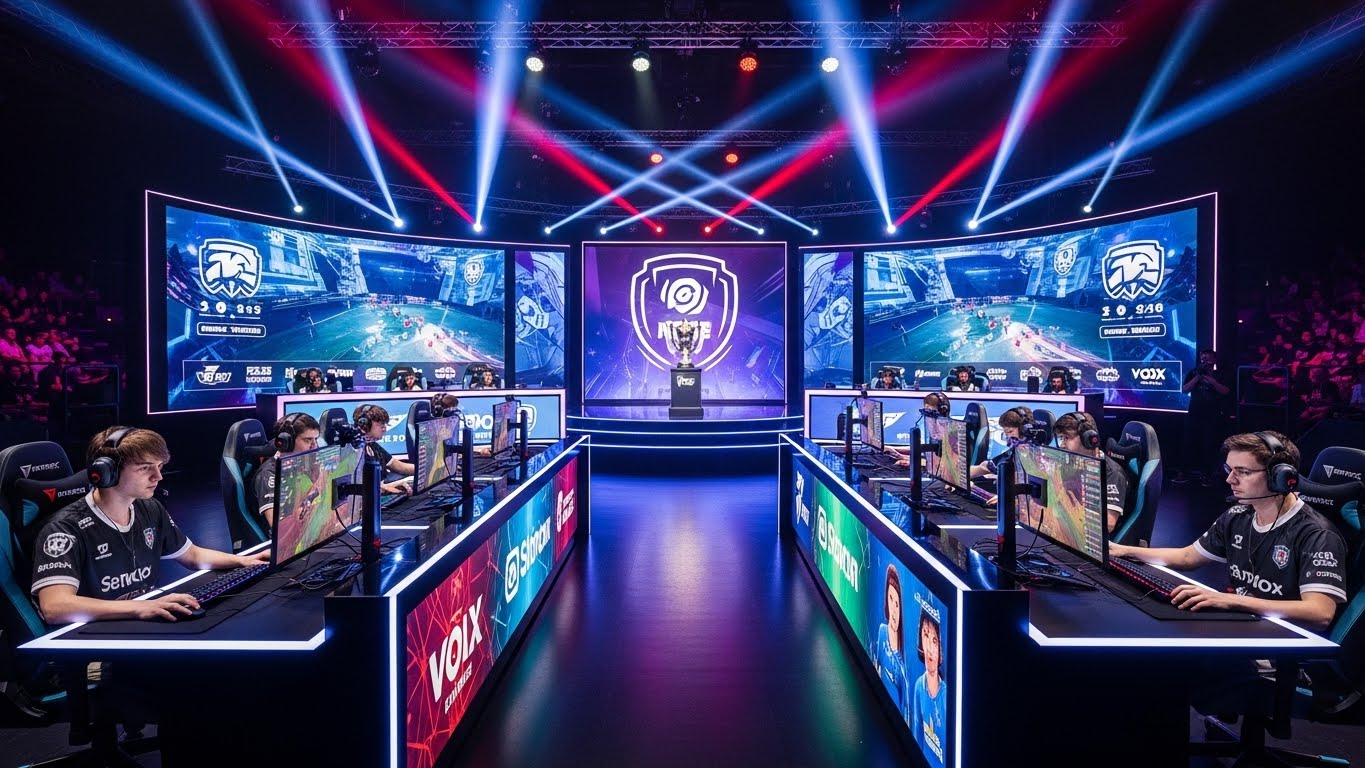
Certain esports games have become iconic due to their popularity, strategic depth, and competitive scenes. Titles like League of Legends, Dota 2, Counter-Strike: Global Offensive, Fortnite, and Call of Duty dominate tournaments and draw massive audiences. Each game has its unique gameplay mechanics, community culture, and professional leagues. International competitions, such as world championships and regional leagues, bring together players from different continents, highlighting the global reach of esports. These events are celebrated with high production value, live audiences, and elaborate opening ceremonies, emphasizing the spectacle and professionalism of competitive gaming.
The Role of Technology in Esports
Technology is the backbone of esports, driving gameplay, streaming, and audience engagement. High-performance computers, gaming peripherals, and network infrastructure ensure seamless experiences for players and viewers. Artificial intelligence and data analytics are increasingly used to analyze player behavior, optimize strategies, and enhance broadcasting quality. Virtual reality and augmented reality present emerging frontiers, promising immersive esports experiences that blend physical and digital interactions. Technology not only enhances gameplay but also strengthens the connection between players, teams, and fans, creating an interactive, dynamic ecosystem that continues to evolve rapidly.
Challenges and Controversies in Esports
Despite its rapid growth, esports faces challenges and controversies. Issues such as cheating, toxic behavior, and gambling have occasionally marred the industry’s reputation. Player exploitation, lack of standardized regulations, and inconsistent contract enforcement remain concerns, particularly in regions where esports is still developing. Mental health challenges and burnout are prevalent due to intense practice schedules and competitive pressure. Addressing these issues requires collective effort from organizations, developers, players, and communities to establish ethical standards, provide support systems, and promote fair competition while maintaining the industry’s integrity.
The Future of Esports
The future of esports appears promising, with continued expansion in audience reach, technological innovation, and professional opportunities. Mobile esports are gaining popularity, making competitive gaming accessible to a broader demographic. Integration with emerging technologies, such as cloud gaming, artificial intelligence, and virtual reality, could redefine gameplay and fan interaction. Educational programs and esports academies are nurturing the next generation of players and industry professionals. As mainstream acceptance grows, esports may achieve parity with traditional sports in terms of cultural significance, career prospects, and global influence.
Conclusion: Esports as a Cultural and Professional Revolution
Esports has undeniably transformed the landscape of competition, entertainment, and career development in the digital age. It represents more than just gaming; it is a cultural movement that blends strategy, skill, community, and technology into a globally celebrated phenomenon. From small-scale online matches to stadium-filling tournaments, esports continues to redefine what it means to compete and connect in the 21st century. As the industry matures, it promises to offer sustainable career paths, innovative experiences, and opportunities for millions of enthusiasts worldwide. The rise of esports is a testament to the power of human ingenuity, collaboration, and passion in the ever-evolving digital frontier.