
 esportsmastersarena62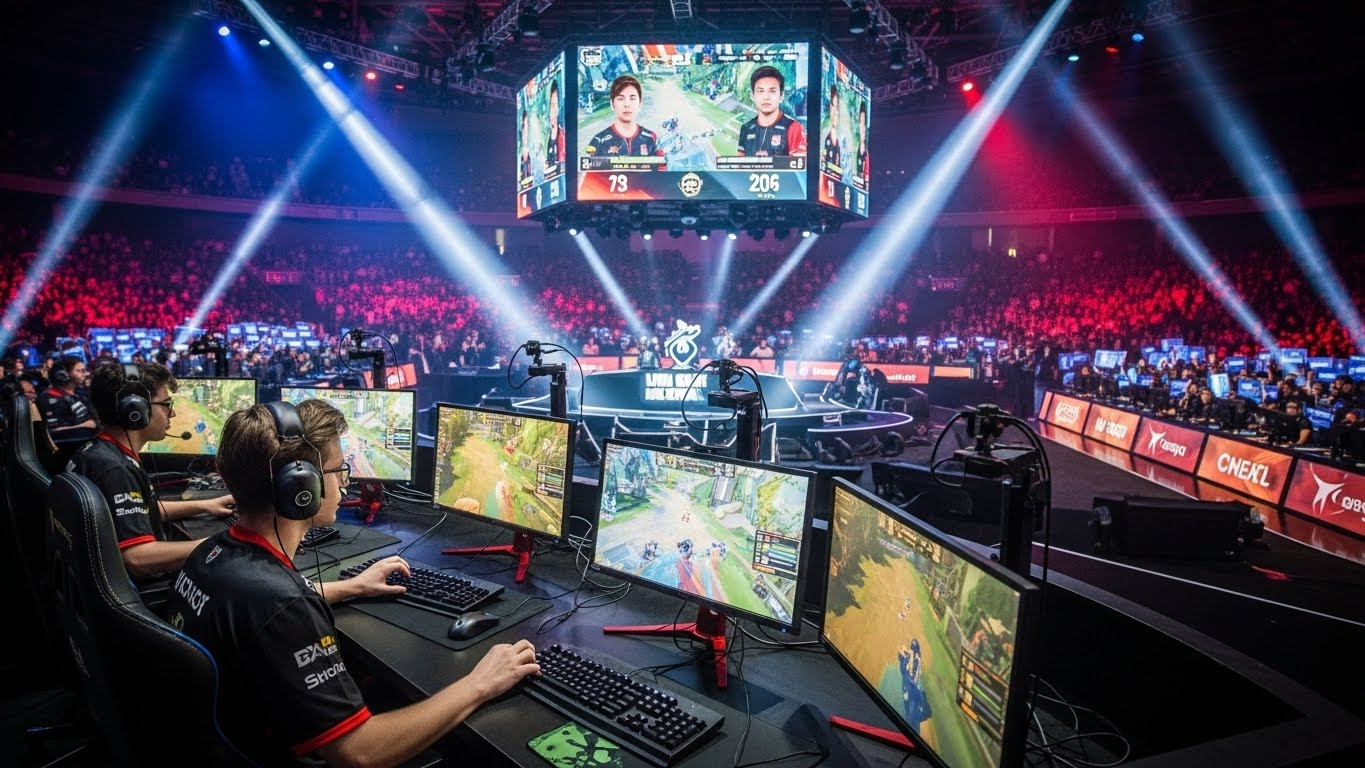
eSports, or competitive gaming, has grown from a niche hobby into a global phenomenon. What was once limited to small communities of gamers has now become a multi-billion-dollar industry with professional players, global tournaments, and millions of fans worldwide. eSports is not just entertainment—it represents innovation, competition, and a new form of cultural expression. In this blog, we explore the evolution of eSports, its benefits, challenges, and the future of competitive gaming.
The Origins of eSports
The roots of competitive gaming trace back to the late 1970s and early 1980s when arcade competitions and home computer games gained popularity. Early tournaments, such as Space Invaders championships, attracted small but dedicated crowds. By the 1990s, games like StarCraft and Counter-Strike introduced organized competitive play, laying the groundwork for modern eSports.
Internet connectivity revolutionized competitive gaming, allowing players from different regions to compete in real time. Online tournaments and communities flourished, creating the first professional gaming networks. These early developments demonstrated that gaming could be more than casual play—it could be serious competition with skill, strategy, and dedication at its core.
The Growth of eSports as an Industry
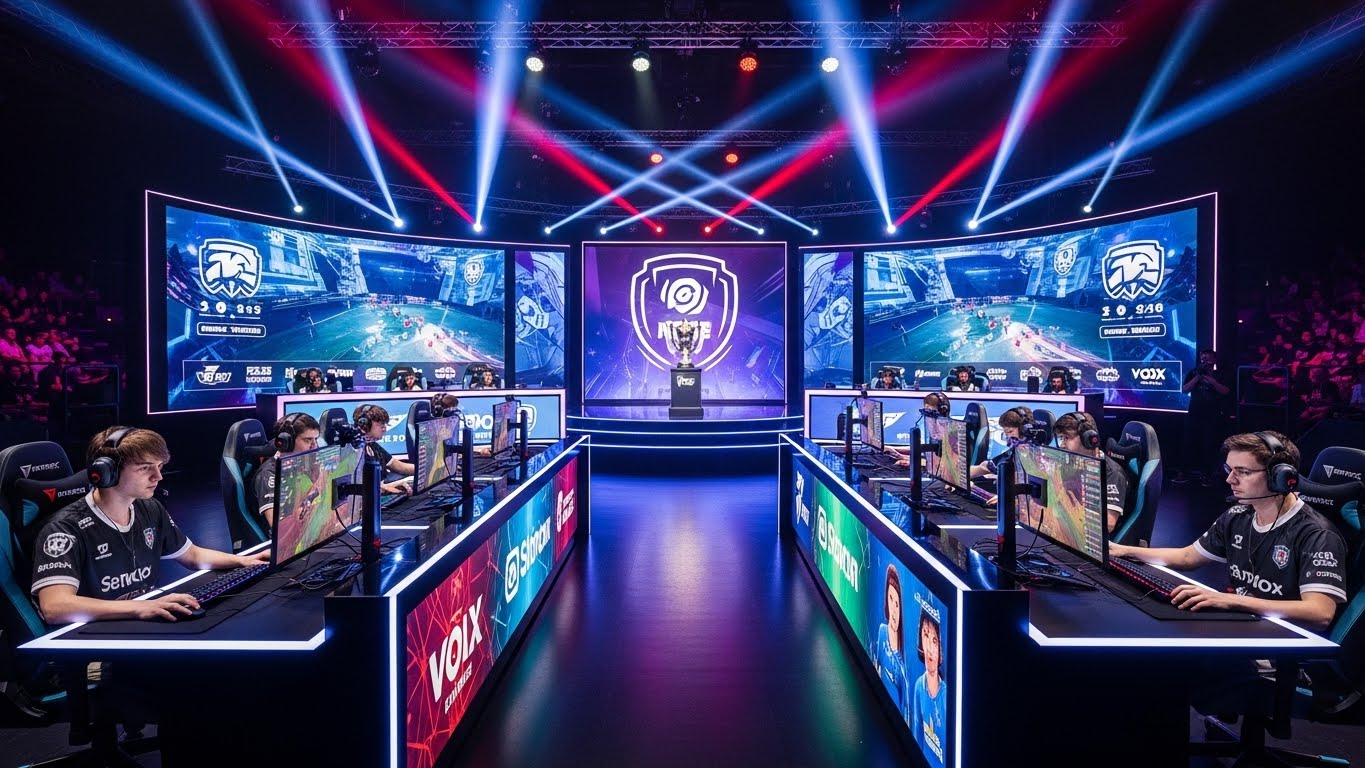
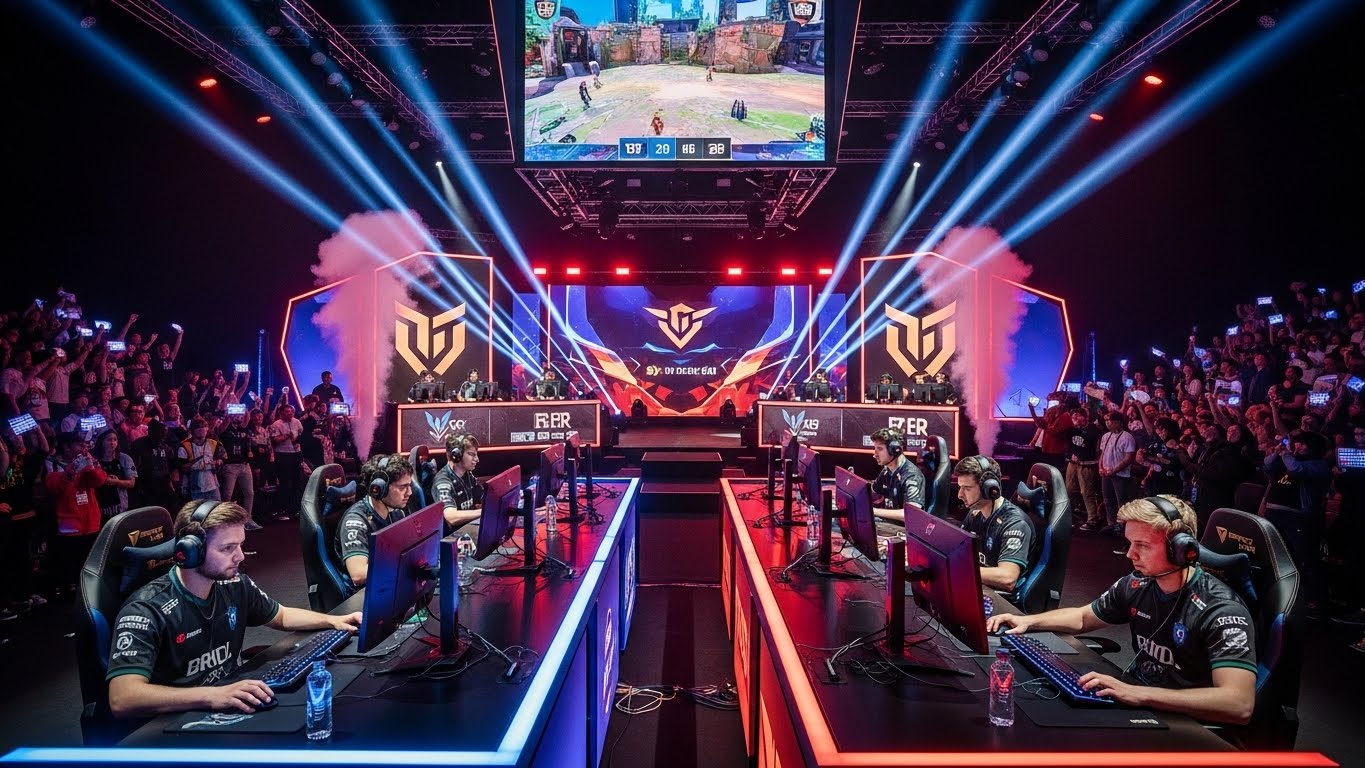
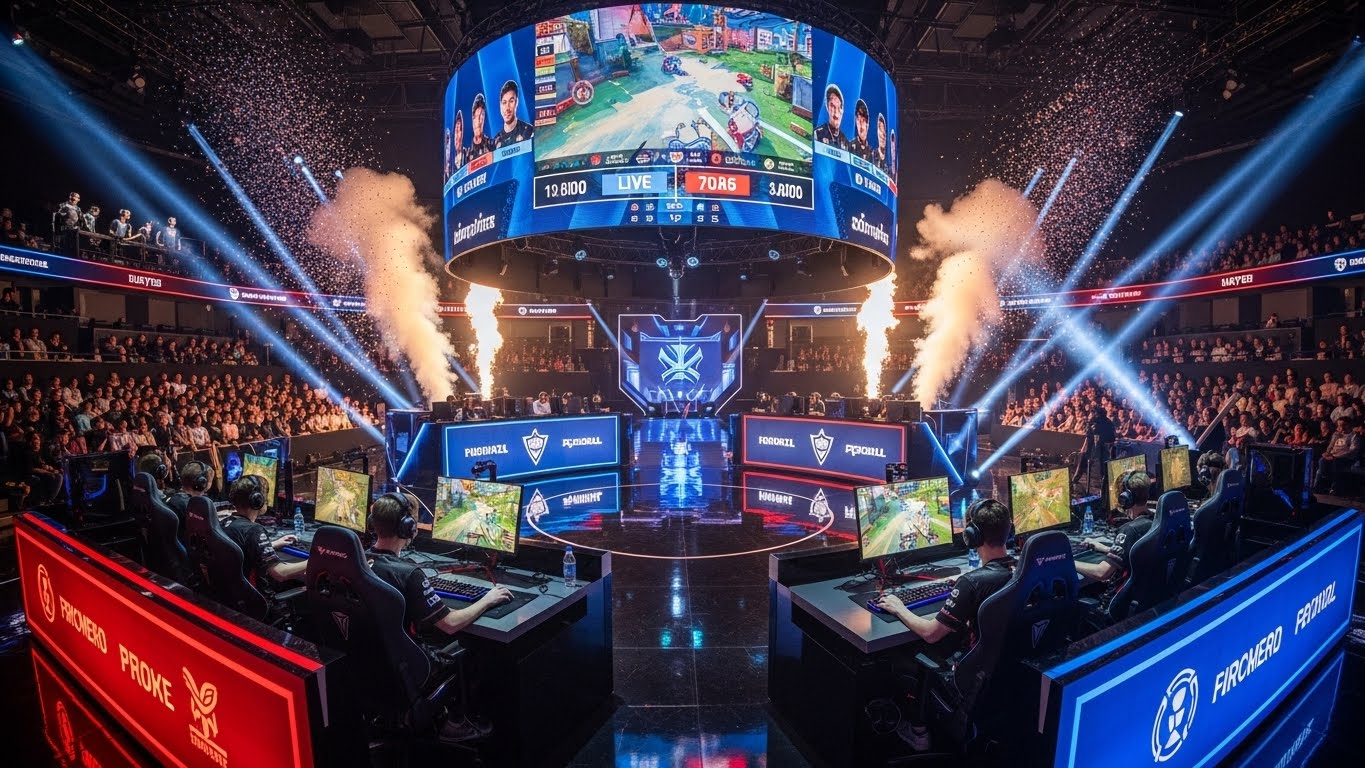
The 21st century witnessed explosive growth in eSports. Major games such as League of Legends, Dota 2, Fortnite, and Call of Duty have become household names in competitive gaming. Tournaments now feature millions of dollars in prize pools, attract millions of viewers, and are broadcast globally. The eSports industry includes professional players, coaches, analysts, event organizers, sponsors, and broadcasters, all contributing to its expansion.
Streaming platforms have further fueled growth, allowing fans to watch live gameplay and interact with players in real time. This accessibility has turned eSports into a spectator sport on par with traditional athletics, building global communities and inspiring new generations of players.
The Skills Behind eSports
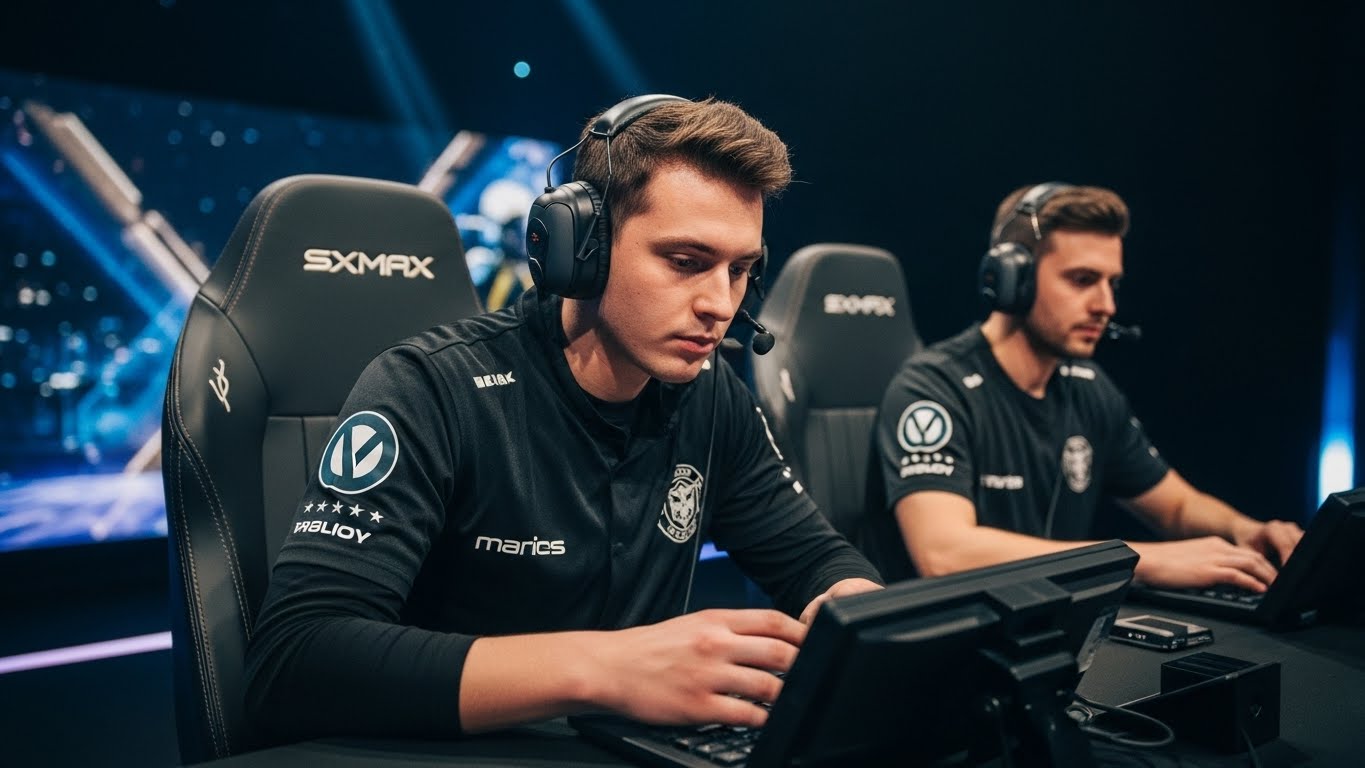
Success in eSports requires a unique combination of skills. Hand-eye coordination, reflexes, and precision are essential, especially in fast-paced games. Strategic thinking, teamwork, and decision-making under pressure are equally critical. Players must anticipate opponents’ moves, plan tactics, and adapt strategies on the fly.
Mental stamina and focus are vital for professional players who spend long hours practicing. Unlike casual gaming, professional eSports demands discipline, time management, and resilience. It is not merely about playing games; it is about mastering skills, analyzing data, and consistently performing at peak levels.
eSports and Teamwork
Many eSports titles, such as League of Legends, Dota 2, and Overwatch, are team-based. Success depends on collaboration, communication, and synergy among team members. Each player assumes a role, contributes their strengths, and coordinates strategies to achieve victory.
Even in individual-focused games, players often work with coaches, analysts, and support staff. The collaborative nature of eSports fosters leadership, problem-solving, and interpersonal skills. Teams spend hours analyzing gameplay, reviewing strategies, and practicing coordination, highlighting the importance of preparation and collective effort.
The Role of Technology in eSports
Technology is the backbone of eSports. High-performance computers, fast internet connections, and advanced peripherals are essential for competitive play. Game design itself is critical, as developers continually balance mechanics to ensure fairness, skill-based outcomes, and spectator engagement.
Streaming technology has transformed eSports viewing. Fans can watch live matches, follow tournaments, and interact with players globally. Analytics software allows teams to track performance, study opponents, and refine strategies. Virtual reality and augmented reality are beginning to shape new gaming experiences, promising even more immersive and interactive competitions.
eSports as a Career
Professional eSports offers viable career opportunities. Players can earn substantial salaries through tournament winnings, sponsorships, and streaming revenue. Coaches, analysts, commentators, and event organizers also contribute to the ecosystem, creating diverse career paths beyond gameplay.
The legitimacy of eSports careers has grown, with institutions offering scholarships, training programs, and academic pathways for aspiring players. Universities and esports academies now provide structured development for talent, combining gaming skills with education and personal growth.
Psychological and Social Impact
eSports impacts both players and spectators psychologically and socially. For players, it promotes focus, strategic thinking, and resilience. Professional competition can boost confidence, teach discipline, and encourage goal-setting. However, the high-pressure environment also requires mental health awareness and support to manage stress and prevent burnout.
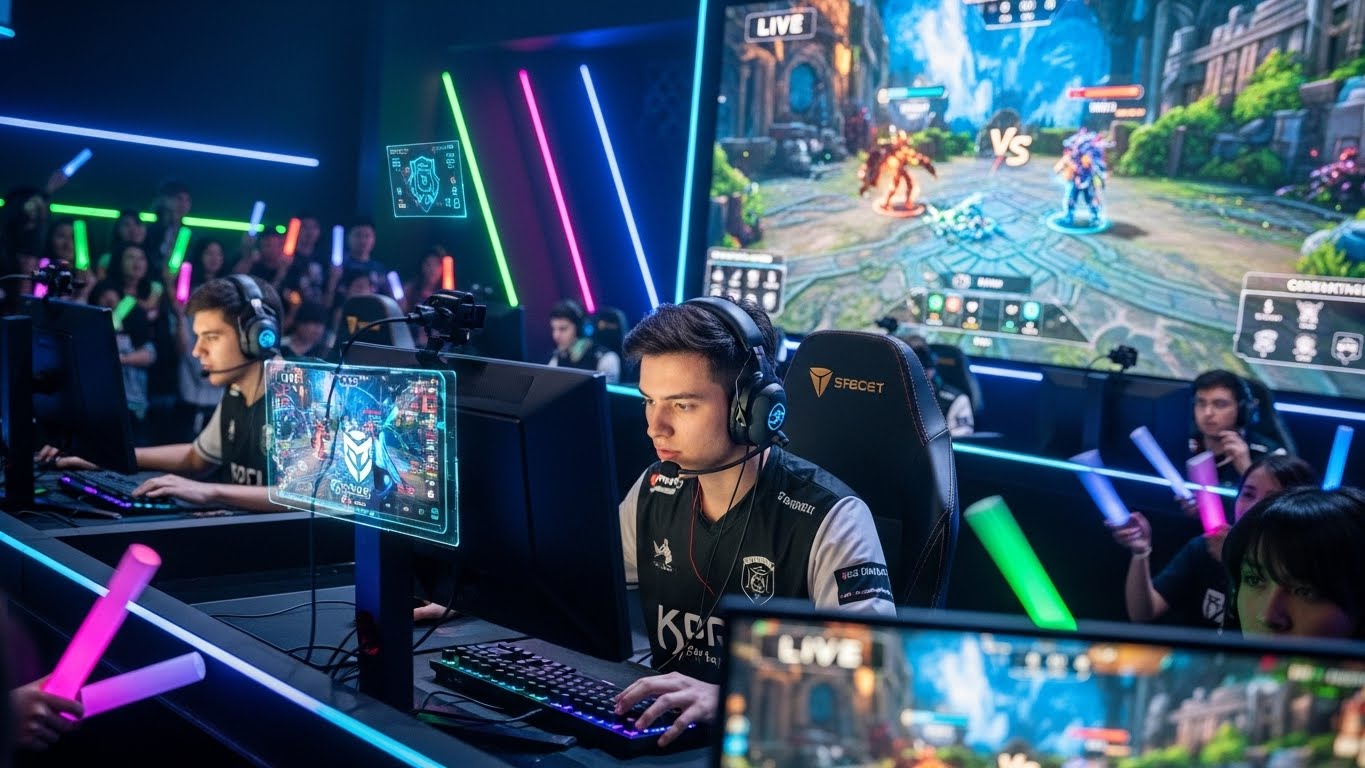
For spectators, eSports fosters community and connection. Fans interact through streaming platforms, online forums, and live events, sharing experiences and supporting their favorite teams. eSports communities are often inclusive, connecting people from diverse backgrounds and cultures through shared interests.
eSports and Global Culture
eSports has transcended national boundaries, becoming a global cultural phenomenon. International tournaments, such as the League of Legends World Championship and The International for Dota 2, attract fans from around the world. Players and teams achieve celebrity status, influencing fashion, lifestyle, and pop culture.
The global nature of eSports promotes cultural exchange, collaboration, and mutual understanding. It has created a new form of entertainment that is participatory, interactive, and digitally connected, reflecting the modern age of communication and connectivity.
Challenges in eSports
Despite its growth, eSports faces challenges. Player health, both physical and mental, is a concern, as long hours of practice can lead to fatigue, injuries, and stress. Issues such as cheating, match-fixing, and gambling threaten the integrity of competitions. The industry also contends with inequality in opportunities, with certain regions and demographics underrepresented in professional play.
Ensuring fair play, inclusivity, and ethical standards is crucial for sustaining the credibility and longevity of eSports. Mental health support, structured training schedules, and regulatory frameworks are essential for creating a healthy competitive environment.
The Future of eSports
The future of eSports is promising and dynamic. Emerging technologies such as virtual reality, augmented reality, and artificial intelligence will create new forms of immersive gameplay and spectator experiences. Expansion into mobile gaming and cloud-based platforms will make eSports more accessible to global audiences.
eSports will continue to integrate with mainstream entertainment, bridging gaming, media, and live events. Educational institutions and professional organizations will formalize pathways for talent development, promoting diversity, inclusivity, and sustainability. As eSports evolves, it will redefine competition, entertainment, and digital culture worldwide.
Conclusion
eSports is more than a trend—it is a cultural revolution. It combines skill, strategy, teamwork, and technology to create a competitive and entertaining experience unlike any other. From humble beginnings in arcade competitions to global tournaments with millions of viewers, eSports has grown into a legitimate industry and a source of inspiration for players and fans alike.
With continued innovation, inclusivity, and support for mental and physical health, eSports will remain a transformative force in the digital age. Whether as a player, spectator, or professional, engaging with eSports offers excitement, community, and an opportunity to witness the future of competitive entertainment.