
 esportsmastersarena62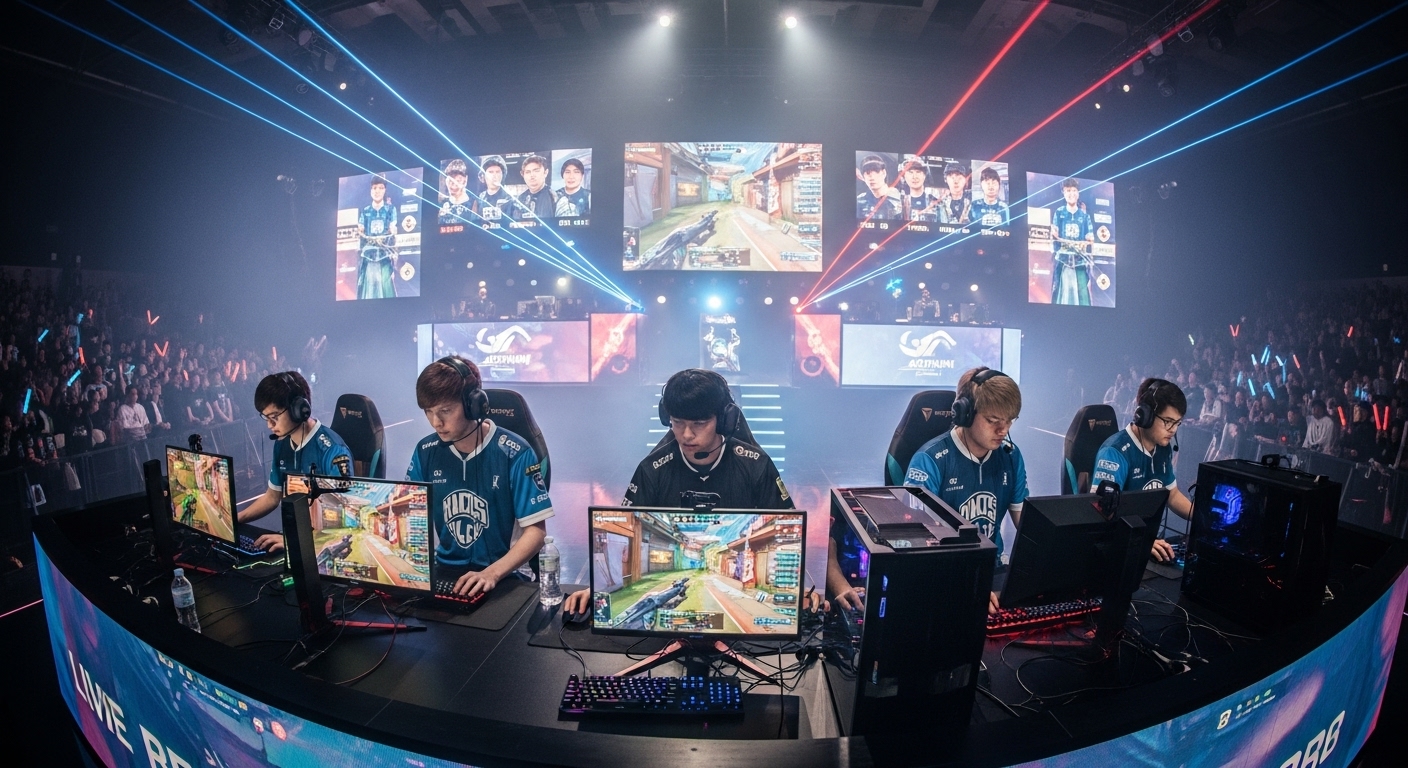
The Evolution of Competitive Gaming
Once seen as a niche hobby confined to arcades and bedrooms, gaming has evolved into one of the most dominant entertainment industries in the world. The birth of esports, or electronic sports, has transformed gaming from casual fun into a global competitive stage where skill, strategy, and teamwork are celebrated. Over the past two decades, esports has become a cultural revolution that transcends age, language, and geography. From humble beginnings in the early 2000s to packed arenas and billion-dollar sponsorships, esports now stands shoulder to shoulder with traditional sports.
The concept of organized gaming competition dates back to the late 20th century, but the true foundation of esports began with the rise of multiplayer online games. Titles like StarCraft, Counter-Strike, and Warcraft III helped establish early esports communities. Players competed in small tournaments, often organized by passionate fans rather than corporations. As internet infrastructure improved, the global connectivity allowed players from different continents to face each other, setting the stage for international competition.
From Arcades to Arenas
In the 1980s and 1990s, gaming tournaments were mostly local events held in arcades or gaming cafes. The participants were enthusiasts who competed for bragging rights or small prizes. The turning point came when PC gaming and home consoles became more accessible. Games like Quake and Unreal Tournament introduced fast-paced, skill-based multiplayer experiences that appealed to a wider audience.
By the early 2000s, the idea of professional gaming started to gain traction. Countries like South Korea were among the first to treat gaming as a legitimate profession. Television networks began broadcasting gaming tournaments, and professional teams were formed with sponsorships, coaches, and structured training schedules. South Korea’s success in this space laid the groundwork for the global esports ecosystem we know today.
The Explosion of Online Platforms
One of the biggest reasons for the growth of esports is the rise of streaming platforms. In the past, watching someone play video games was limited to live events or pre-recorded clips. The introduction of live streaming changed everything. Platforms that allowed gamers to broadcast their gameplay created a new form of entertainment that combined competition, commentary, and community.
Fans could now follow their favorite players and teams, learning strategies and engaging in discussions. Streaming turned professional gamers into celebrities. Viewers felt personally connected to their favorite streamers, which fueled fan loyalty and expanded the esports audience. The accessibility of streaming content also democratized the field, allowing anyone with talent to showcase their skills to the world.
Esports Titles That Changed Everything
Certain games have played a monumental role in shaping esports. Titles like League of Legends, Dota 2, Counter-Strike: Global Offensive, and Overwatch have become synonymous with competitive gaming. Each of these games has built massive global communities and professional circuits that attract millions of fans.
League of Legends is perhaps one of the most influential esports games ever made. Its developer supported competitive play from the beginning, creating seasonal tournaments that culminate in a grand world championship. The structure of its leagues around the world mirrors traditional sports like football, with franchised teams, coaches, analysts, and commentators.
Meanwhile, Dota 2 revolutionized esports prize pools with its annual tournament known as The International. Funded largely by player contributions through in-game purchases, The International consistently offers multi-million-dollar rewards. These massive figures drew media attention, legitimizing esports as a serious professional pursuit.
First-person shooters like Counter-Strike: Global Offensive and Call of Duty have also maintained a dominant presence in esports. Their simple objectives—team-based competition and fast reflexes—make them accessible for viewers and thrilling to watch. Fighting games such as Street Fighter and Super Smash Bros. maintain dedicated fanbases that emphasize precision and timing.
Professionalism and Player Lifestyle
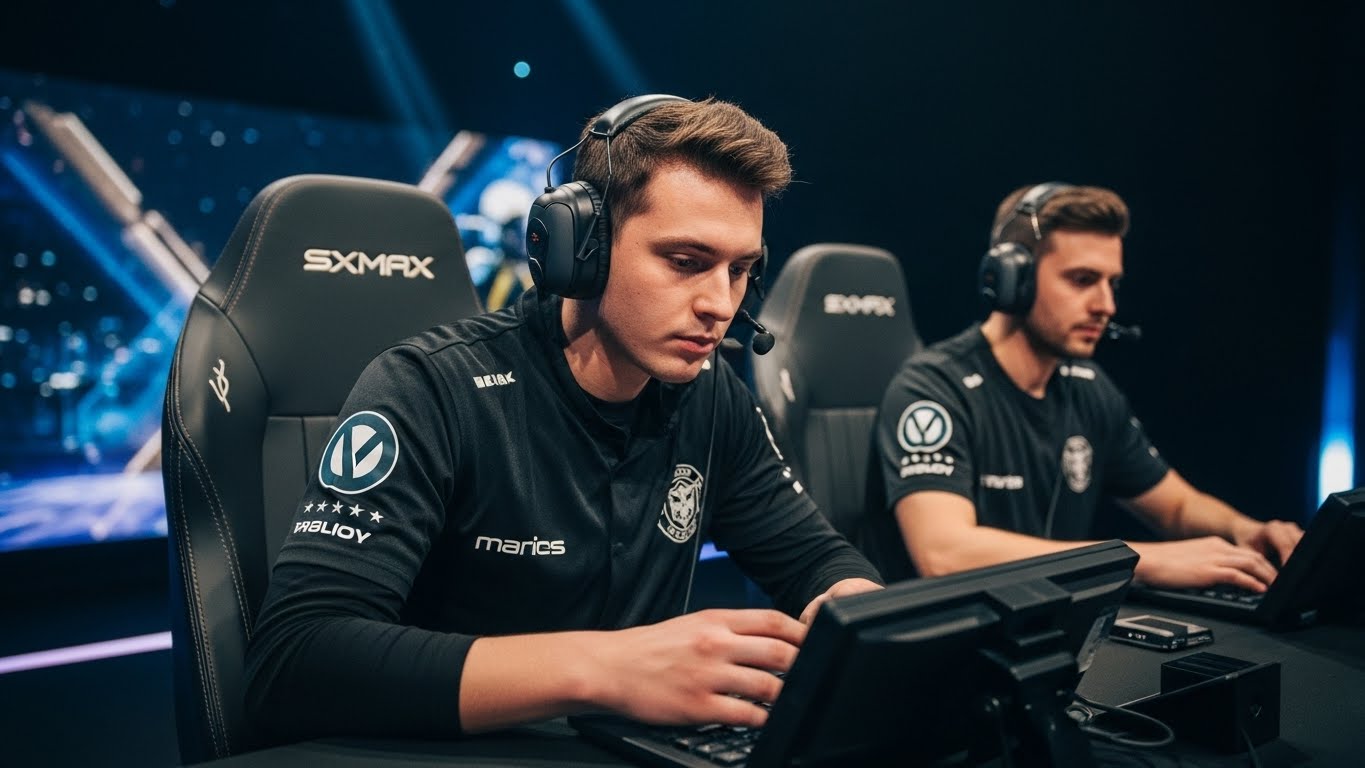
As esports matured, it adopted many of the professional standards seen in traditional sports. Players now have agents, nutritionists, and rigorous training routines. Professional teams often live together in “gaming houses,” where they practice daily under the supervision of coaches and analysts. Their training includes mechanical skill drills, strategy sessions, and psychological conditioning.
The professionalization of esports has also led to structured contracts, player unions, and leagues that ensure fair competition. While early esports players often struggled with unstable careers, today’s top players earn six or even seven figures annually through salaries, sponsorships, and tournament winnings. Some have even transitioned into full-time content creation or coaching after retirement, extending their influence beyond active competition.
The Role of Esports Organizations
Esports organizations play a crucial role in shaping the competitive landscape. They are more than just teams—they are brands that represent a community, a culture, and a lifestyle. Prominent organizations operate across multiple games, managing dozens of players and content creators. These organizations partner with major brands, create merchandise, and host their own events.
The professionalism of esports organizations has elevated the industry’s reputation. They focus not only on winning competitions but also on creating sustainable ecosystems for players and fans. The introduction of franchise leagues, similar to those in basketball or football, has provided stability and consistency to the scene. This business model ensures long-term investment and steady growth.
The Spectator Experience
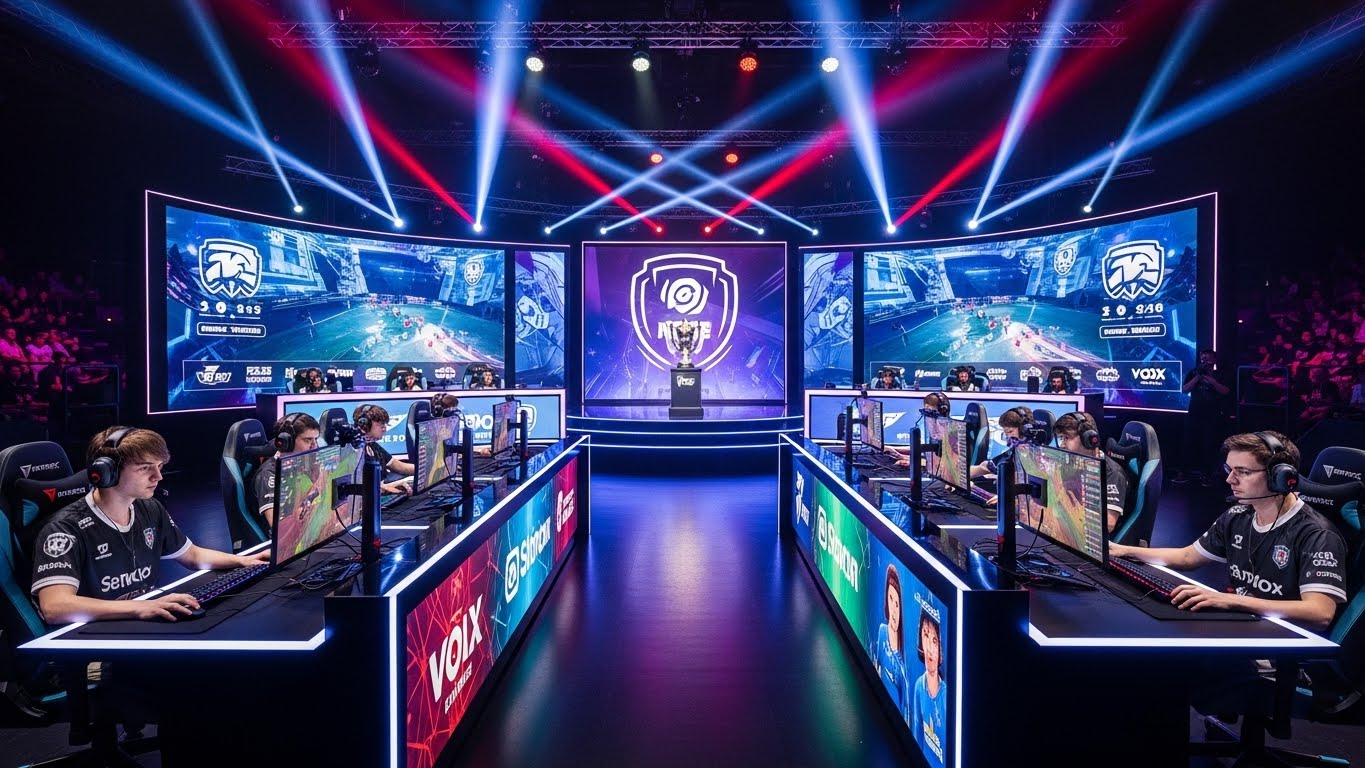
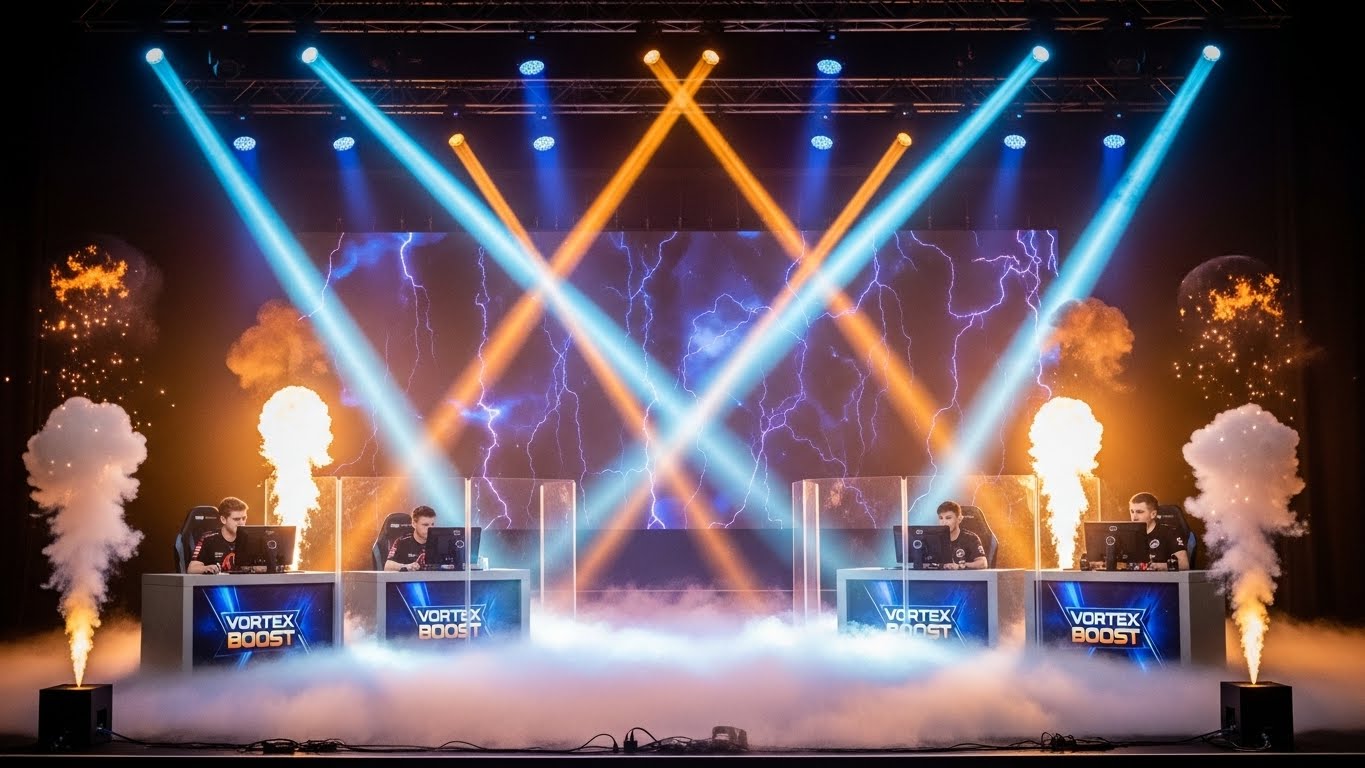
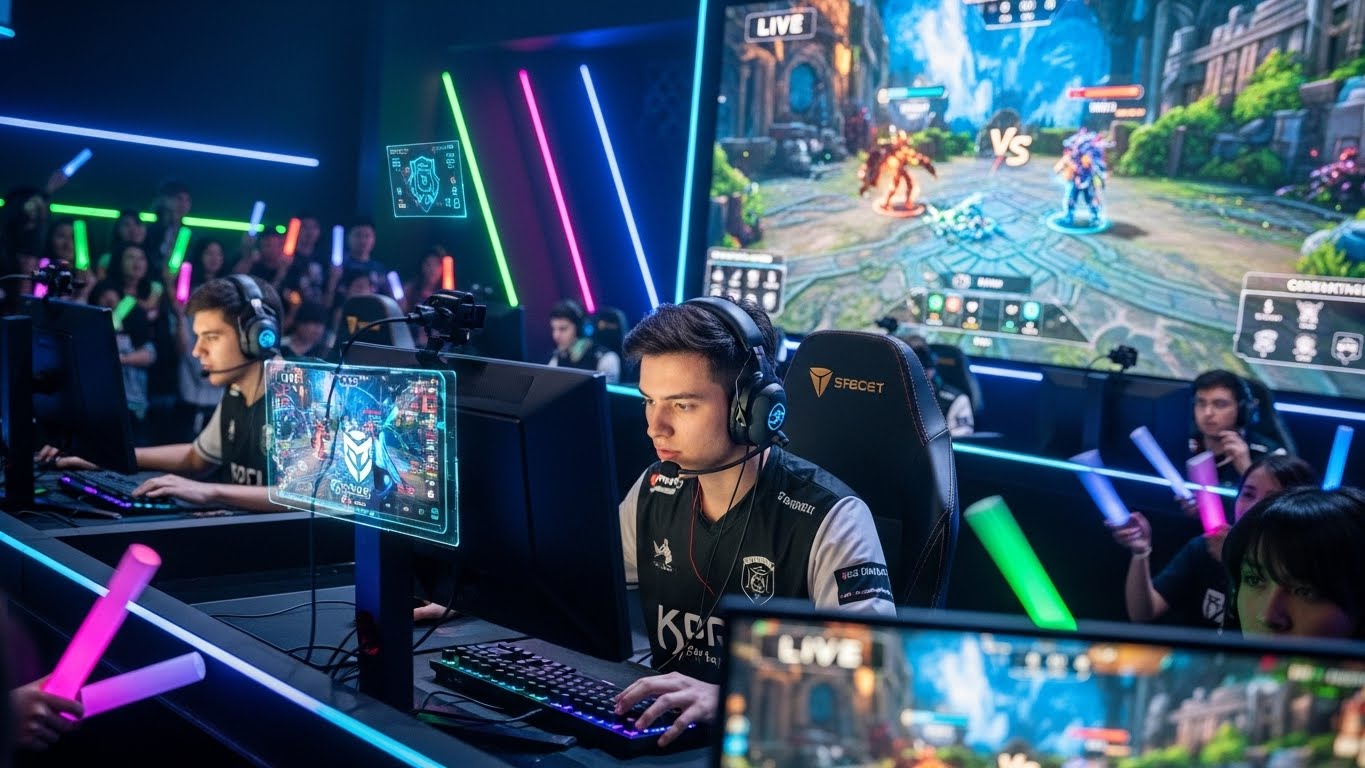
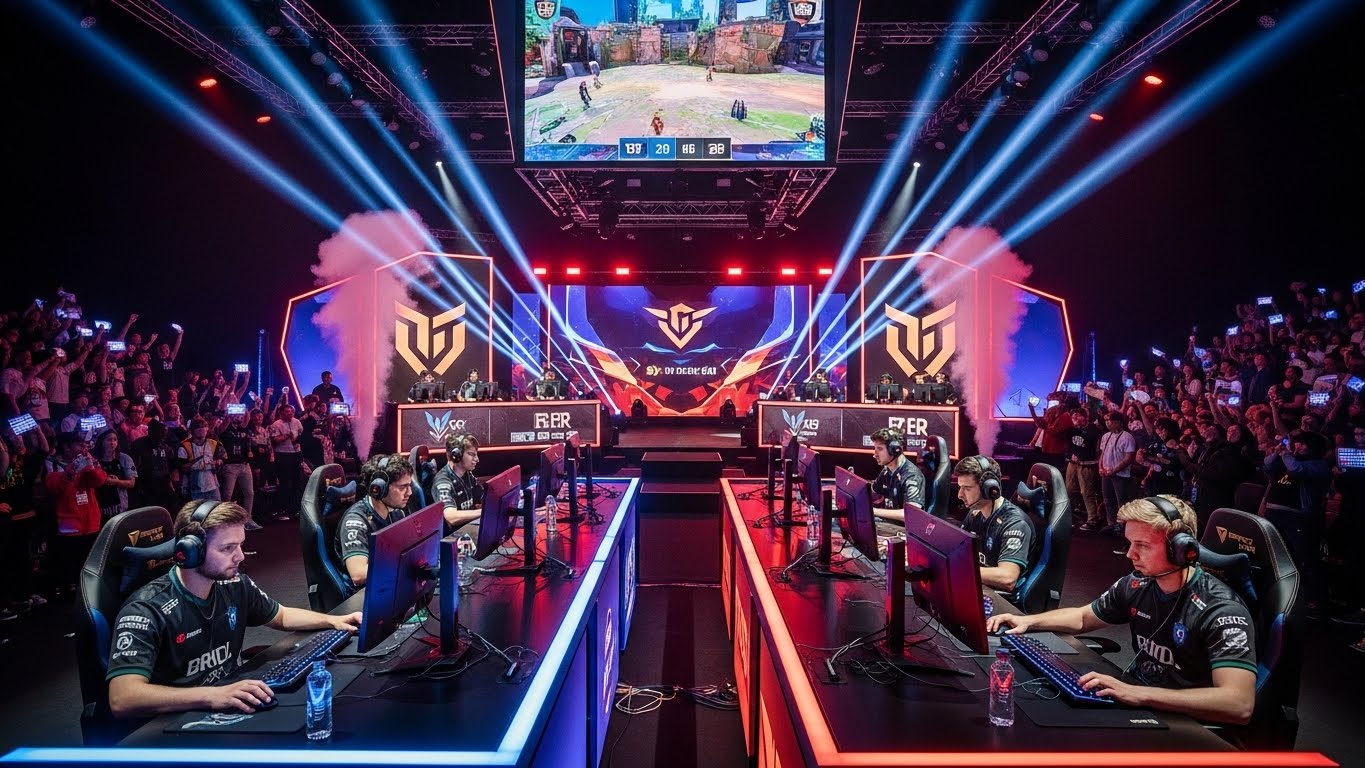
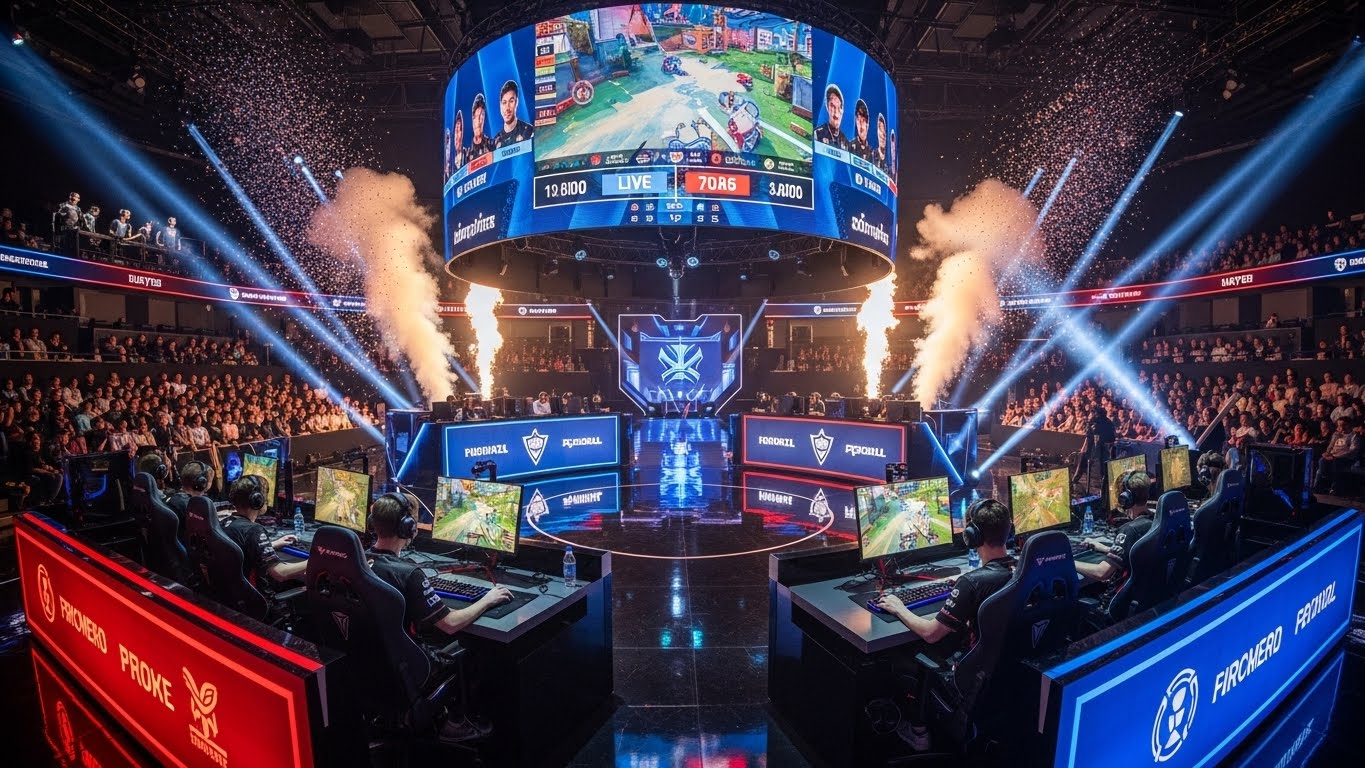
Watching esports is an entirely different experience from playing games. The production value of tournaments rivals that of major sporting events. From live commentary to cinematic camera work, esports broadcasts are designed to keep viewers engaged. The thrill of seeing two world-class teams battle in a high-stakes final can be as exhilarating as any physical sport.
Esports audiences are incredibly diverse. Fans tune in from every corner of the world, and broadcasts are often translated into multiple languages. Online chatrooms and social media amplify the sense of community, allowing fans to celebrate or commiserate together in real time. The connection between player and viewer is much closer than in traditional sports, thanks to the accessibility of social media and streaming platforms.
Esports and Education
As esports gained legitimacy, educational institutions began to take notice. High schools and universities around the world now offer esports programs and scholarships. These initiatives not only nurture talent but also promote teamwork, leadership, and strategic thinking. Students who might have been dismissed for spending too much time gaming now find themselves with genuine academic and professional opportunities.
Esports in education is also helping to break down negative stereotypes about gaming. Instead of being seen as a distraction, gaming is now recognized as a form of skill development. Schools and colleges organize tournaments, build gaming arenas, and incorporate esports into curricula focused on digital media, marketing, and management.
Global Impact and Cultural Influence
The cultural impact of esports extends far beyond the games themselves. It has influenced fashion, music, and social media trends. Esports athletes appear in advertisements, collaborate with major brands, and even feature in documentaries. The blending of gaming culture with mainstream entertainment has blurred the lines between traditional sports, digital media, and pop culture.
Countries are beginning to recognize esports as legitimate sporting disciplines. Major tournaments attract tourism, generate revenue, and boost national pride. Esports is now included in global multi-sport events, showcasing its international acceptance. Governments and corporations alike are investing in esports infrastructure, training centers, and arenas designed specifically for gaming competitions.
Challenges Facing Esports
Despite its success, esports faces several challenges. One of the biggest concerns is player burnout. The intense competition, long hours of practice, and constant travel can take a toll on mental and physical health. Many players retire in their mid-twenties, significantly earlier than athletes in most traditional sports.
Another challenge lies in regulation. Because esports spans multiple countries and organizations, there is no universal governing body. Issues like cheating, match-fixing, and player exploitation have occasionally surfaced, leading to calls for standardized rules and oversight. As esports grows, maintaining integrity will be crucial to its continued success.
There’s also the question of accessibility. While esports is global, not every region has equal infrastructure or support. Some areas lack proper internet speeds, funding, or recognition, limiting opportunities for talented players. Bridging these gaps is essential to ensure that esports remains inclusive and fair.
The Future of Esports
The future of esports looks brighter than ever. With technological advancements like virtual reality, augmented reality, and artificial intelligence, the possibilities for competitive gaming are endless. Future tournaments may blend the digital and physical worlds in ways we can hardly imagine today.
Esports is also likely to expand further into mainstream entertainment. Collaborations with film, television, and music are already happening. As younger generations grow up in a world where gaming is normal, the line between traditional sports fans and esports fans will continue to blur.
Moreover, as sustainability and mental health gain attention, the industry will likely adopt more balanced approaches to player management. Organizations are already implementing mental health programs and creating support systems to ensure longevity in players’ careers.
The Power of Community
At its core, esports thrives because of its community. Millions of fans around the world contribute to its success by watching, supporting, and participating. The passion of players, the creativity of developers, and the enthusiasm of viewers all come together to create something extraordinary. Esports is more than just competition—it is a movement that celebrates human creativity and the pursuit of excellence in a digital age.
Gaming has always been about connection, and esports magnifies that spirit on a global scale. Whether it’s a teenager in a small town or a professional player on a world stage, everyone shares the same love for the game. That unity, more than anything else, is what makes esports one of the defining phenomena of the modern era.
Conclusion
Esports has come a long way from its humble beginnings. It is no longer just a pastime but a professional, cultural, and economic powerhouse that continues to evolve. The passion, dedication, and innovation driving the industry show no signs of slowing down.
As technology continues to advance and more people embrace gaming as a legitimate form of competition and entertainment, esports will only grow stronger. It represents the future of sports and digital culture—a world where skill, strategy, and creativity define success.
The story of esports is still being written, and the next chapters promise even greater achievements, larger audiences, and deeper cultural integration. From the smallest local tournaments to the grandest world championships, one thing remains constant: esports is here to stay, and its journey has only just begun.