
 esportsmastersarena62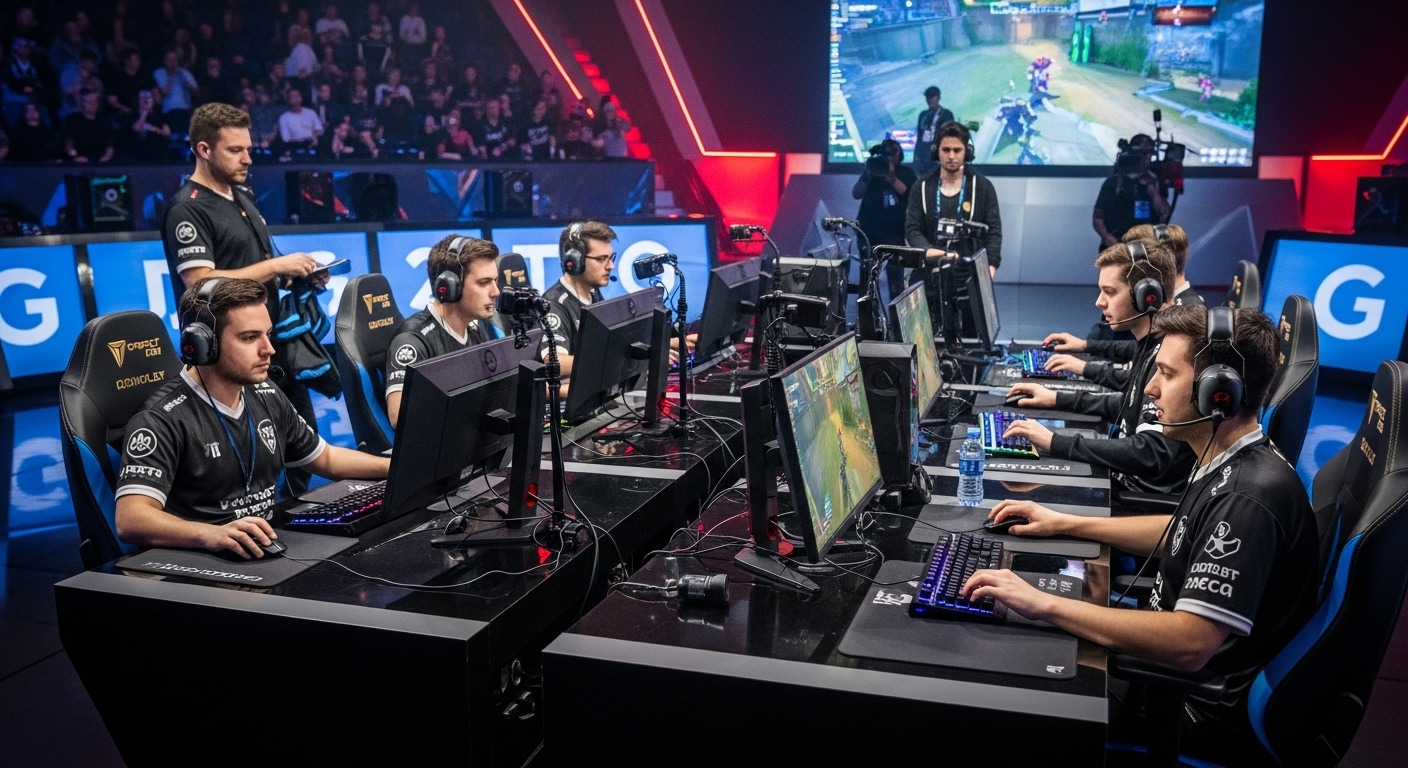
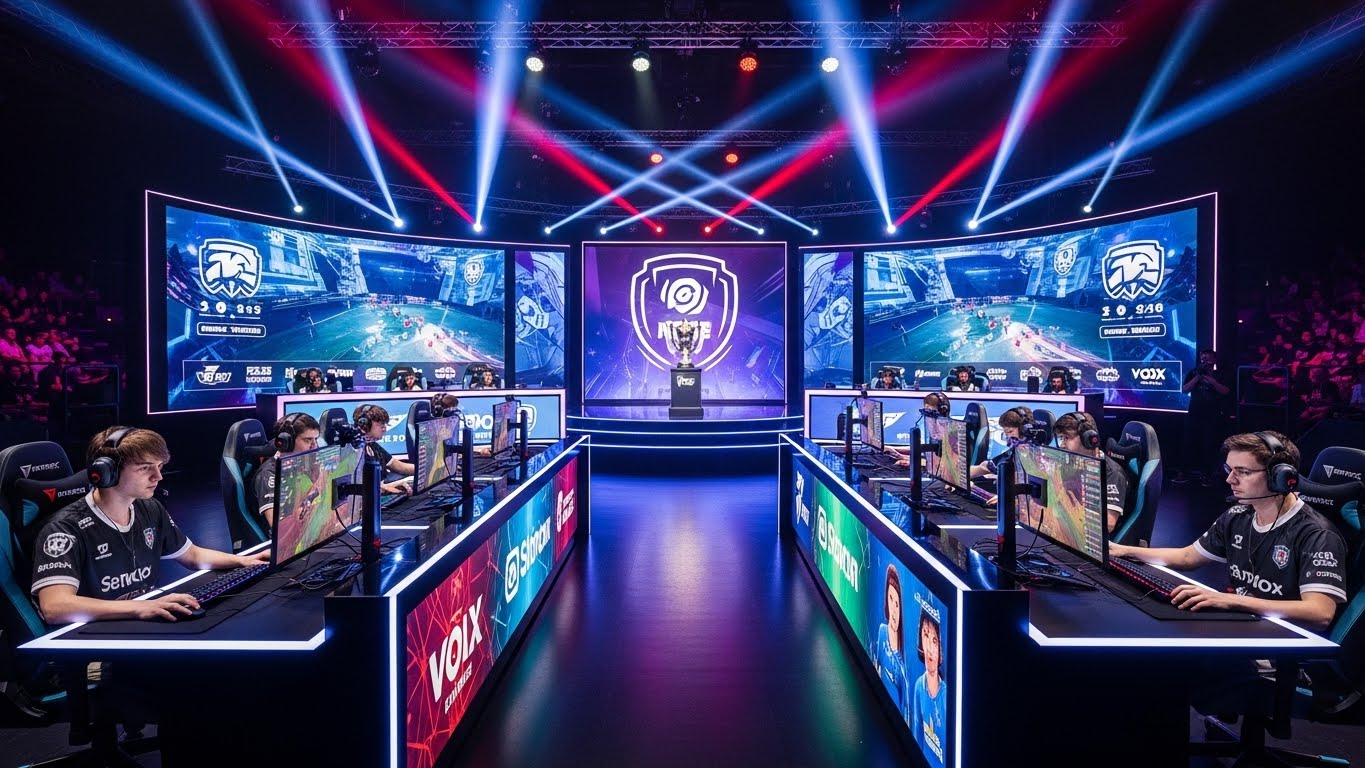
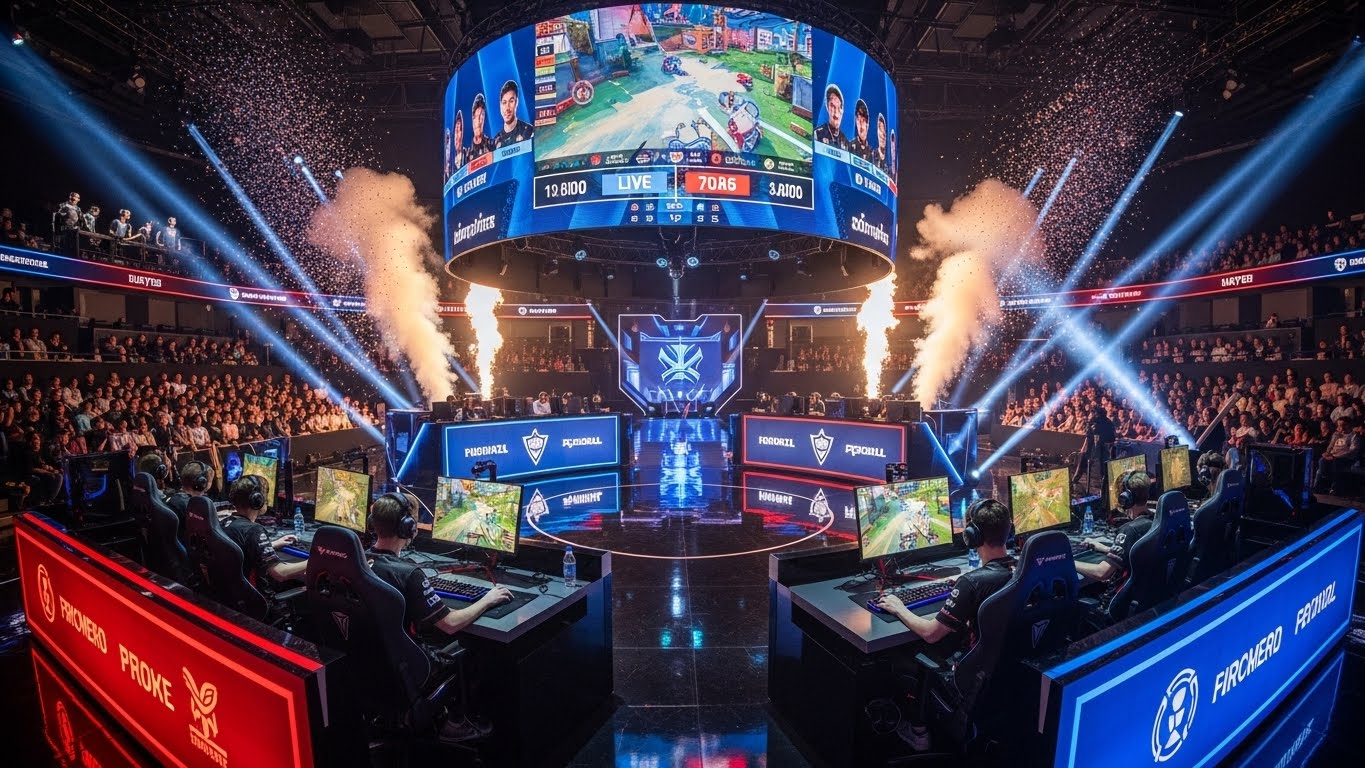
Esports, or competitive video gaming, has grown from a niche pastime into a global phenomenon. Once considered a hobby for a small group of enthusiasts, esports has evolved into a multi-billion-dollar industry with professional leagues, tournaments, and players who are celebrated much like traditional athletes. This transformation reflects broader trends in technology, entertainment, and social interaction, and it signals a shift in how society views competition, media, and professional gaming careers.
Early History of Competitive Gaming
The roots of esports can be traced back to the early 1970s, when video games were first gaining popularity. One of the earliest known competitive gaming events took place in 1972 at Stanford University, where students competed in a game called Spacewar. Throughout the 1980s, arcade games like Pac-Man and Donkey Kong became popular, and high-score competitions began to emerge. These competitions often received attention in gaming magazines and fostered a community of players striving to achieve the highest scores.
The 1990s marked a turning point as personal computers and home consoles became more widely available. Games such as Doom, Quake, and StarCraft were among the first to facilitate competitive multiplayer gameplay. Early LAN (Local Area Network) tournaments allowed players to connect and compete in person, creating a sense of camaraderie and rivalry. These grassroots competitions laid the foundation for modern esports, demonstrating that gaming could be more than a casual hobby—it could be a serious, organized pursuit.
The Evolution of Esports Tournaments
Esports tournaments have come a long way since their humble beginnings. In the early 2000s, events like the Cyberathlete Professional League and the World Cyber Games began to formalize competitive gaming with structured leagues and prize money. These tournaments attracted players from around the world, raising the profile of esports and legitimizing it as a form of professional competition.
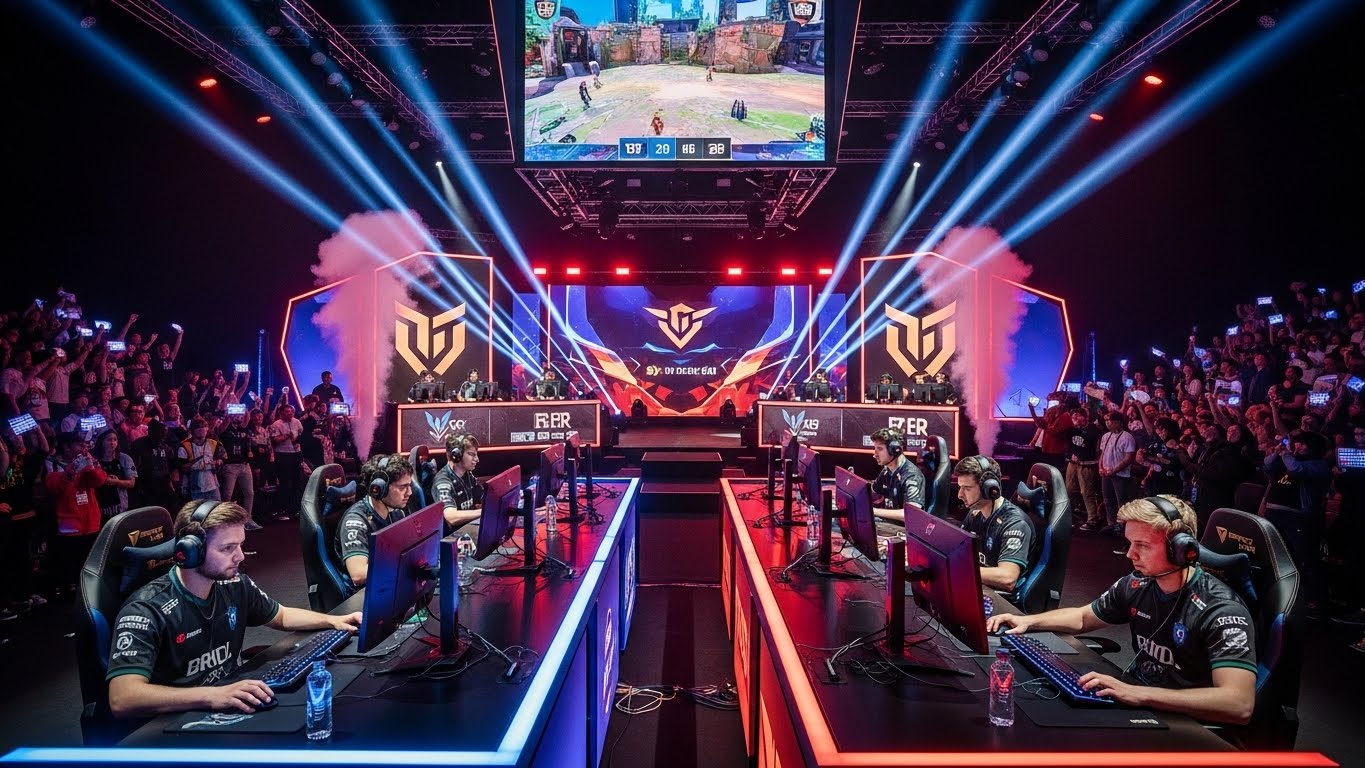
The introduction of streaming platforms in the 2010s revolutionized esports. Websites such as Twitch allowed fans to watch live gameplay from anywhere in the world. This accessibility increased the visibility of competitive gaming and helped cultivate massive audiences. Major tournaments, such as The International for Dota 2 or the League of Legends World Championship, now feature multi-million-dollar prize pools and attract millions of viewers online. This growth has made esports one of the fastest-growing segments of the entertainment industry.
Popular Esports Games and Genres
Esports encompasses a wide range of game genres, each with unique gameplay mechanics and competitive communities. Multiplayer online battle arena (MOBA) games, such as League of Legends and Dota 2, are among the most popular esports titles. In these games, teams of players work together to destroy the opponent’s base while defending their own. The strategic depth, teamwork, and skill required make MOBAs highly competitive and engaging for both players and spectators.
First-person shooters (FPS) like Counter-Strike: Global Offensive, Call of Duty, and Overwatch are another major esports category. FPS games require precision, quick reflexes, and tactical coordination, making them thrilling to watch and challenging to master. Fighting games, such as Street Fighter and Super Smash Bros., focus on one-on-one combat and reward individual skill and timing. Additionally, battle royale games like Fortnite and Apex Legends have introduced new competitive dynamics, combining survival, exploration, and shooting mechanics into large-scale competitions.
The diversity of esports games ensures that there is something for every type of player and viewer. Whether it is the strategic depth of MOBAs, the intense action of FPS games, or the technical mastery of fighting games, esports offers a wide range of competitive experiences.
The Role of Professional Players
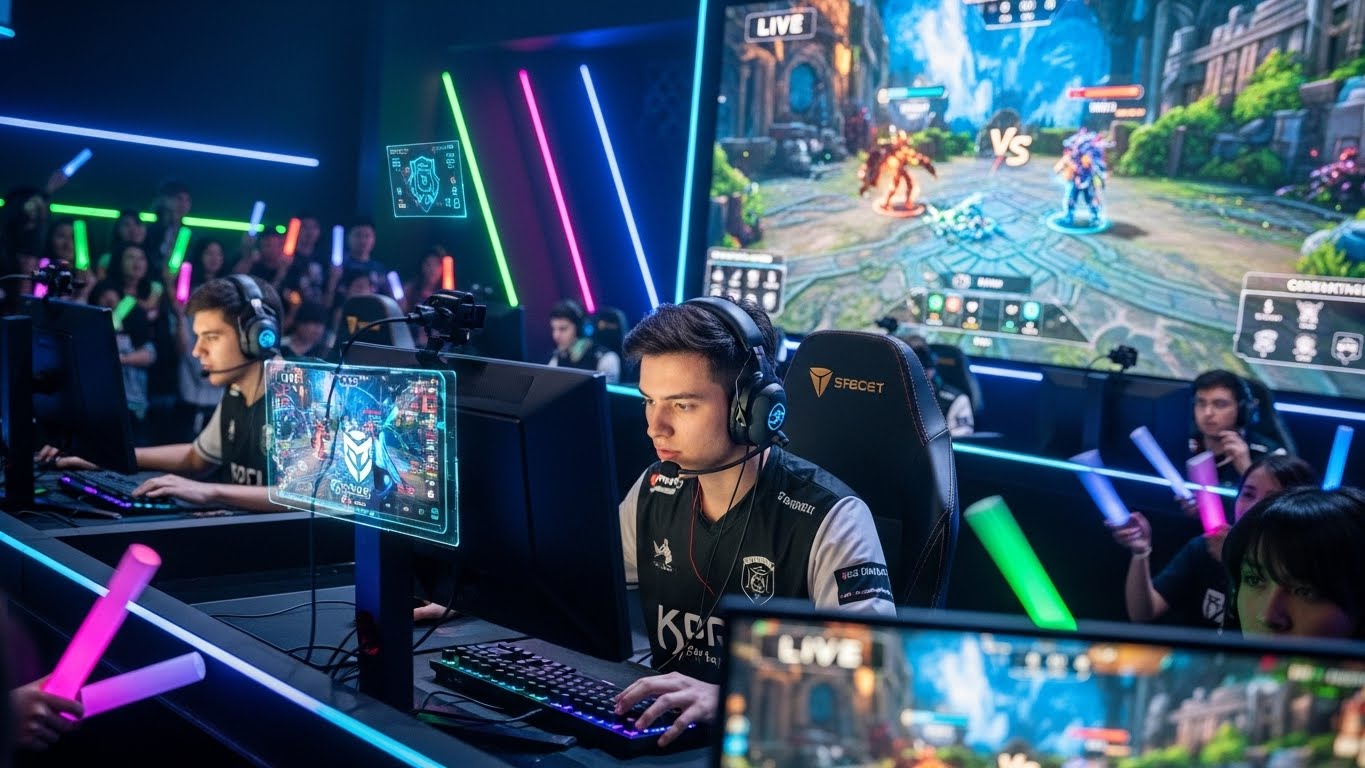
Professional esports players have become central figures in the industry. Unlike casual gamers, these individuals dedicate countless hours to practicing, studying strategies, and honing their skills. Top-tier players often follow rigorous training schedules, similar to traditional athletes, with coaches, analysts, and support staff assisting them in improving performance.
The rise of esports celebrities has transformed the perception of gaming careers. Players such as Faker in League of Legends or s1mple in Counter-Strike are celebrated for their skill, discipline, and competitive achievements. Many players also engage with fans through social media, streaming platforms, and content creation, building personal brands and expanding their influence beyond tournaments.
Esports teams operate like professional sports franchises, providing players with salaries, housing, and sponsorship opportunities. Major organizations invest in talent development, training facilities, and mental health support, emphasizing the professionalism and longevity of esports careers. The dedication of professional players demonstrates that competitive gaming requires not only natural talent but also discipline, strategy, and teamwork.
Economic Impact of Esports
The economic impact of esports is substantial and continues to grow. Revenue streams include tournament prize money, sponsorships, advertising, media rights, merchandise sales, and streaming subscriptions. Major tournaments now feature prize pools exceeding ten million dollars, attracting global attention and investment.
Sponsorship deals play a critical role in funding the industry. Brands from gaming hardware companies to mainstream corporations invest in esports to reach younger, tech-savvy audiences. Advertising and media rights generate significant revenue as platforms pay to stream events and secure exclusive content. Merchandising, including jerseys, accessories, and branded digital content, further contributes to the economic ecosystem.
Esports has also stimulated local economies by creating jobs, attracting tourism for major events, and inspiring new businesses. Cities hosting large tournaments experience increased hotel bookings, restaurant activity, and overall economic engagement. As the industry expands, it continues to create employment opportunities in event management, content production, marketing, and game development.
The Social and Cultural Impact of Esports
Esports has not only transformed gaming but also influenced social and cultural norms. Competitive gaming provides a platform for community building, bringing together players and fans from diverse backgrounds. Online forums, social media groups, and live event audiences foster a sense of belonging and shared identity.
The cultural impact of esports is evident in mainstream media coverage, celebrity endorsements, and academic recognition. Universities now offer esports scholarships, degrees, and research programs, acknowledging the legitimacy and value of competitive gaming. Additionally, esports has challenged traditional notions of athleticism, showing that mental agility, strategic thinking, and teamwork are equally important in competitive pursuits.
Esports has also promoted inclusivity and diversity. Women’s leagues, LGBTQ+ initiatives, and accessibility-focused games are creating opportunities for underrepresented communities. While challenges remain, such as combating toxicity and ensuring equitable representation, the industry continues to evolve toward a more inclusive culture.
Technological Innovations Driving Esports
Technological innovation has been a driving force behind the growth of esports. High-speed internet, cloud gaming, and streaming platforms have enabled real-time global competitions and large-scale audience engagement. Advanced gaming hardware, including high-refresh-rate monitors, gaming mice, and specialized controllers, enhances performance and creates immersive experiences.
Data analytics and artificial intelligence have also transformed competitive strategy. Teams now use performance metrics, heat maps, and predictive modeling to gain a competitive edge. In addition, virtual reality and augmented reality are beginning to create new esports experiences, offering immersive gameplay that blends physical and digital competition.
Technology has not only expanded the possibilities of gameplay but also enhanced the spectator experience. Interactive streaming, in-game overlays, and live commentary provide audiences with deeper engagement, making esports an entertainment medium in its own right.
Challenges Facing the Esports Industry
Despite its rapid growth, esports faces several challenges. One major issue is the lack of standardized regulations and governance. Unlike traditional sports, esports does not have a universal governing body, leading to inconsistencies in tournament rules, player contracts, and competitive standards. This can create uncertainty for players, teams, and organizers.
Another challenge is sustainability and player well-being. The demands of professional gaming, including long practice hours and intense travel schedules, can contribute to physical and mental health issues. Organizations are increasingly recognizing the need for support systems, such as mental health programs, ergonomic equipment, and career transition planning.
Monetization and market saturation also pose challenges. While the industry generates significant revenue, competition among games, teams, and platforms can create volatility. Esports organizations must continuously innovate and adapt to maintain audience engagement and financial stability.
The Future of Esports
The future of esports looks promising, with continued growth and mainstream acceptance expected. Emerging technologies, including cloud gaming, virtual reality, and blockchain integration, could redefine competitive gaming and fan engagement. New genres and game formats will expand opportunities for players and spectators alike.
Esports may increasingly intersect with traditional sports, entertainment, and education. Partnerships between esports organizations and professional sports teams are becoming more common, blending fan bases and expanding cultural relevance. Academic programs focused on esports management, game design, and performance analytics are preparing the next generation of professionals for careers in this dynamic industry.
As esports continues to evolve, its impact on culture, technology, and society will only deepen. Competitive gaming is no longer just a pastime—it is a global movement that reshapes how we think about competition, entertainment, and community.
Conclusion
Esports has transformed dramatically from its early days as a niche hobby to a global industry with professional leagues, millions of fans, and substantial economic impact. Its growth reflects broader technological, social, and cultural shifts, and it continues to challenge traditional ideas of competition and athleticism. Professional players, innovative tournaments, and technological advancements have created an ecosystem that blends entertainment, sports, and digital culture.
While challenges remain, such as regulation, player well-being, and market stability, the trajectory of esports suggests a bright future. As audiences, players, and sponsors continue to invest in competitive gaming, esports will remain a defining feature of modern entertainment and a testament to the power of technology, skill, and community.