
 esportsmastersarena62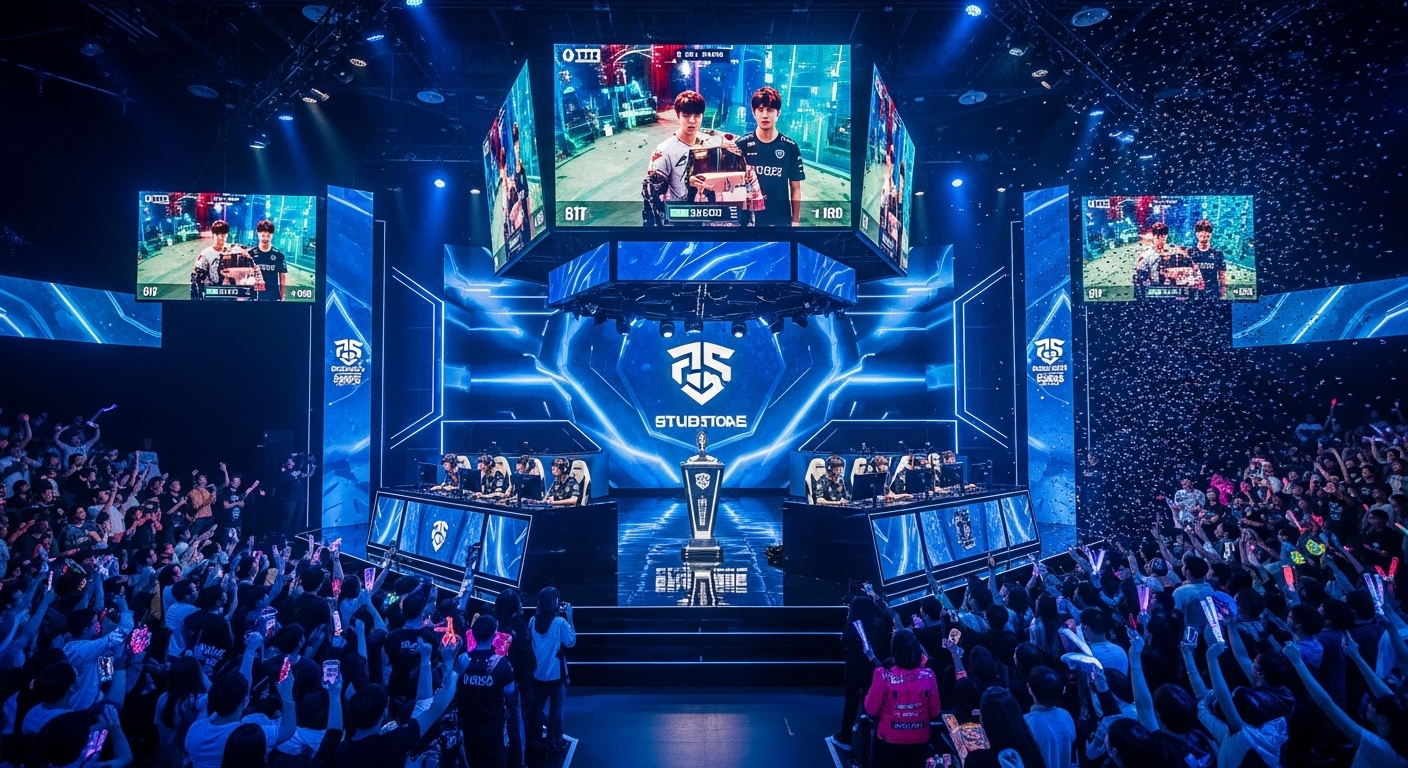
Introduction to the World of Esports
Esports, or electronic sports, has grown from a niche hobby to a global entertainment powerhouse, attracting millions of players, fans, and sponsors worldwide. What was once seen as just another form of gaming has blossomed into a multi-billion-dollar industry that rivals traditional sports in terms of viewership, professional opportunities, and cultural impact. In recent years, esports has shifted from casual competitions to structured, high-stakes tournaments, creating an entirely new realm of professional gaming.
Esports is more than just playing video games—it’s a competitive, team-based sport where individuals and organizations push the boundaries of strategy, skill, and technology. From action-packed multiplayer games like “League of Legends” to first-person shooters like “Counter-Strike: Global Offensive,” esports encompasses a wide range of titles that test players’ reflexes, tactics, and mental acuity. This growth is driven by the increasing accessibility of gaming, the evolution of online platforms, and a growing audience that views gaming as an athletic pursuit.
The Origins of Esports: From Arcade Games to Online Tournaments
The roots of esports can be traced back to the early days of video gaming. In the 1970s and 1980s, competitive gaming was primarily limited to arcade games. Titles like “Space Invaders” and “Pong” were played in local arcades, and high-score competitions emerged as a way for players to test their skills. However, it wasn’t until the late 1990s and early 2000s that the concept of organized online tournaments began to take shape.
The game “StarCraft,” released in 1998, was a turning point in the development of esports. The game’s strategic complexity and fast-paced action attracted a dedicated fanbase, particularly in South Korea, where it became a national pastime. In fact, South Korea is often credited with being the birthplace of professional esports. The establishment of television networks dedicated to broadcasting esports tournaments, like Ongamenet, helped legitimize competitive gaming as a sport, and soon, professional teams and sponsorships emerged.
As broadband internet connections improved and gaming platforms like Blizzard’s Battle.net and Valve’s Steam grew in popularity, the esports ecosystem expanded globally. Tournaments like the World Cyber Games (WCG) and Electronic Sports World Cup (ESWC) allowed players from all corners of the world to compete in large-scale events. What started as grassroots competitions became more organized, with larger prize pools, professional teams, and official leagues.
The Professionalization of Esports
The professionalization of esports took a giant leap forward in the 2010s with the formation of major esports leagues and the rise of dedicated esports organizations. One of the most significant developments in the industry was the creation of franchise leagues, such as the League of Legends Championship Series (LCS) and the Overwatch League (OWL). These leagues brought structure, stability, and long-term career prospects to players, making esports a legitimate career option.
Franchise leagues operate similarly to traditional sports leagues, with teams owning franchise spots in the league, and players signing contracts to compete at the highest level. This model helped elevate esports to a new level of professionalism and brought in significant investments from corporate sponsors, media companies, and traditional sports organizations. Major sports teams like the New England Patriots and the Los Angeles Lakers now have their own esports divisions, reflecting the increasing mainstream appeal of competitive gaming.
At the same time, streaming platforms like Twitch, YouTube Gaming, and Facebook Gaming became critical in the rise of esports. These platforms allowed players and teams to build large followings by broadcasting their gameplay live to global audiences. This not only provided a new revenue stream for players and organizations but also enabled fans to engage directly with their favorite gamers and teams. Twitch, in particular, has played an essential role in turning esports into a spectator sport, with millions of people tuning in to watch high-level gameplay and tournaments.
The Growth of Esports Viewership
Esports has become a spectator sport in its own right. The rise of streaming platforms like Twitch and YouTube has enabled millions of fans to watch their favorite players and teams in action. In 2020, the global esports audience surpassed 450 million, and this number continues to grow as esports expands into new regions and platforms. Esports events, such as “The International” (Dota 2’s annual championship), the “League of Legends World Championship,” and “The Fortnite World Cup,” attract viewers comparable to major traditional sports events.
What makes esports unique is the combination of skill, entertainment, and interaction. Unlike traditional sports, where the audience is a passive observer, esports fans have the opportunity to engage with players in real time through live chat, social media, and interactive streams. This level of engagement has created a new kind of sports culture, one where fans feel closely connected to the players and teams they support.
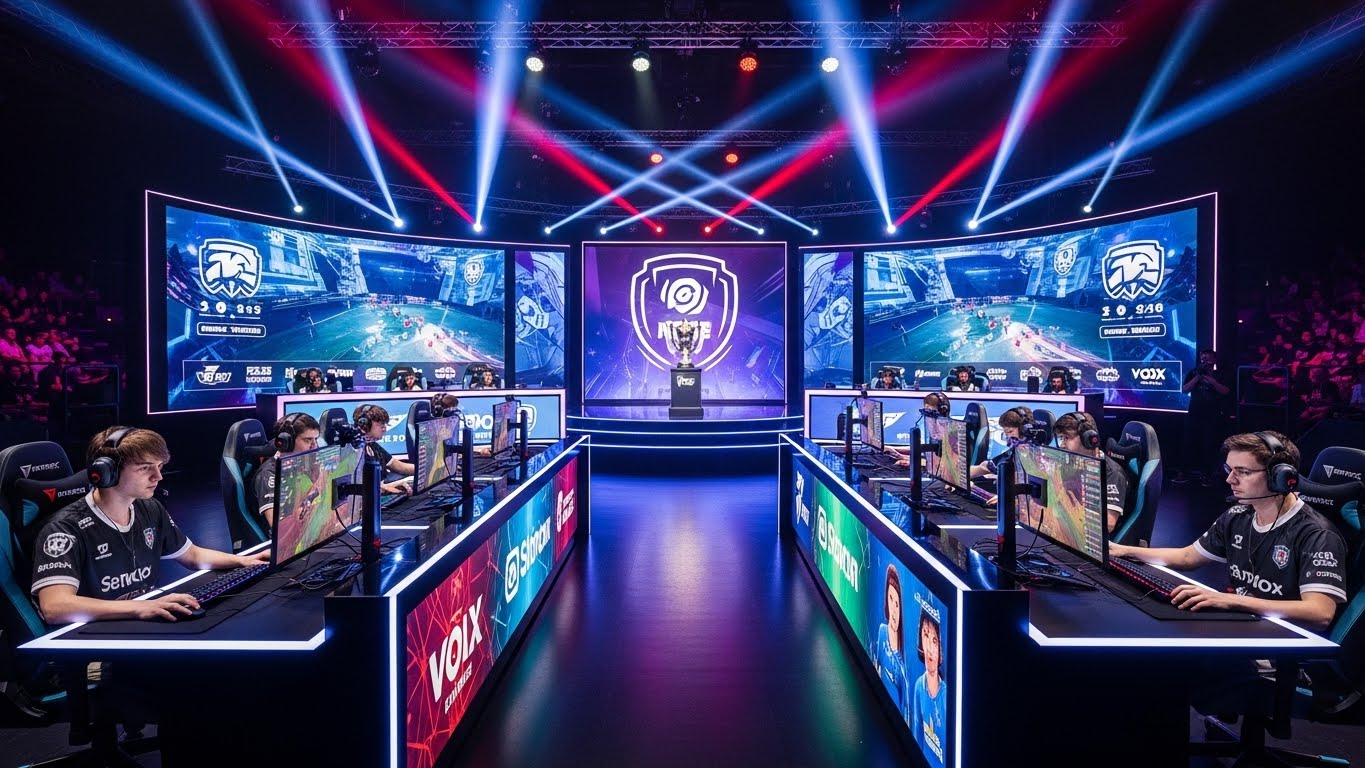
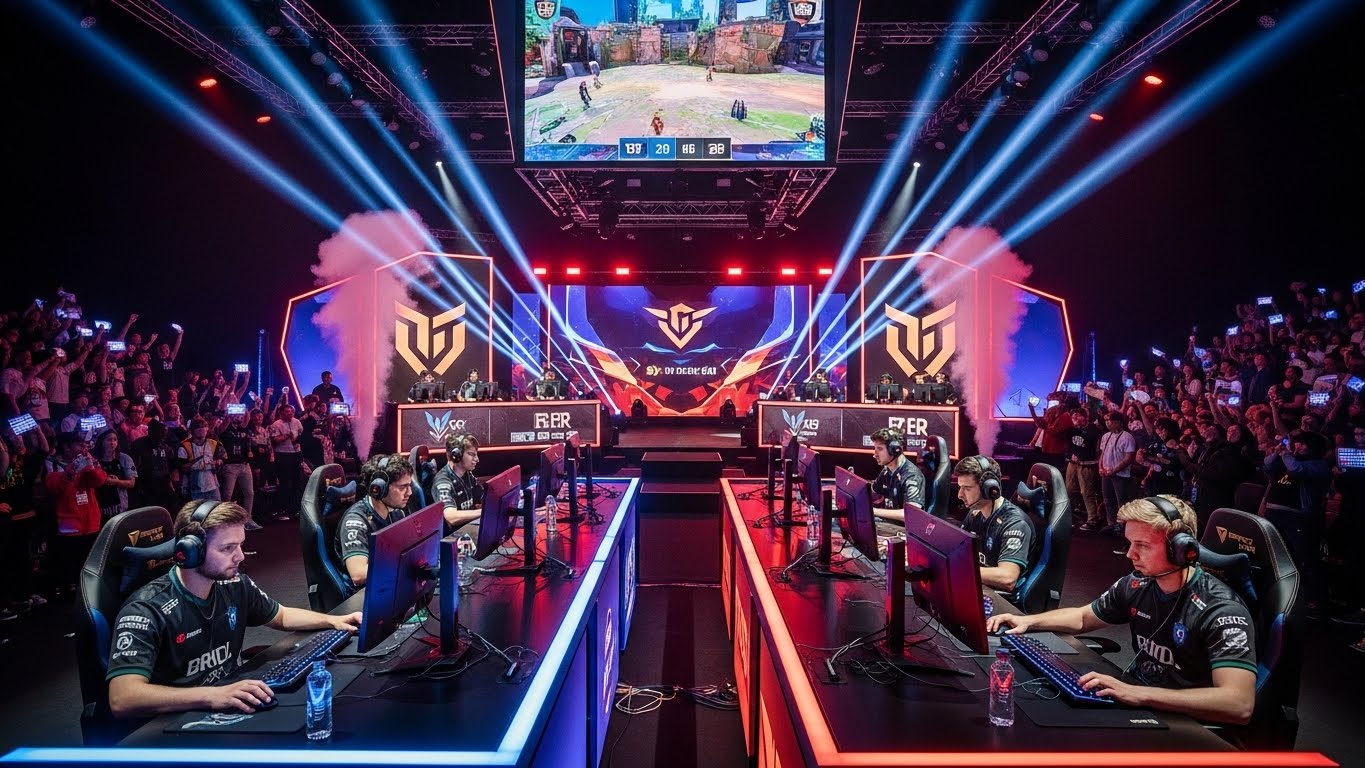
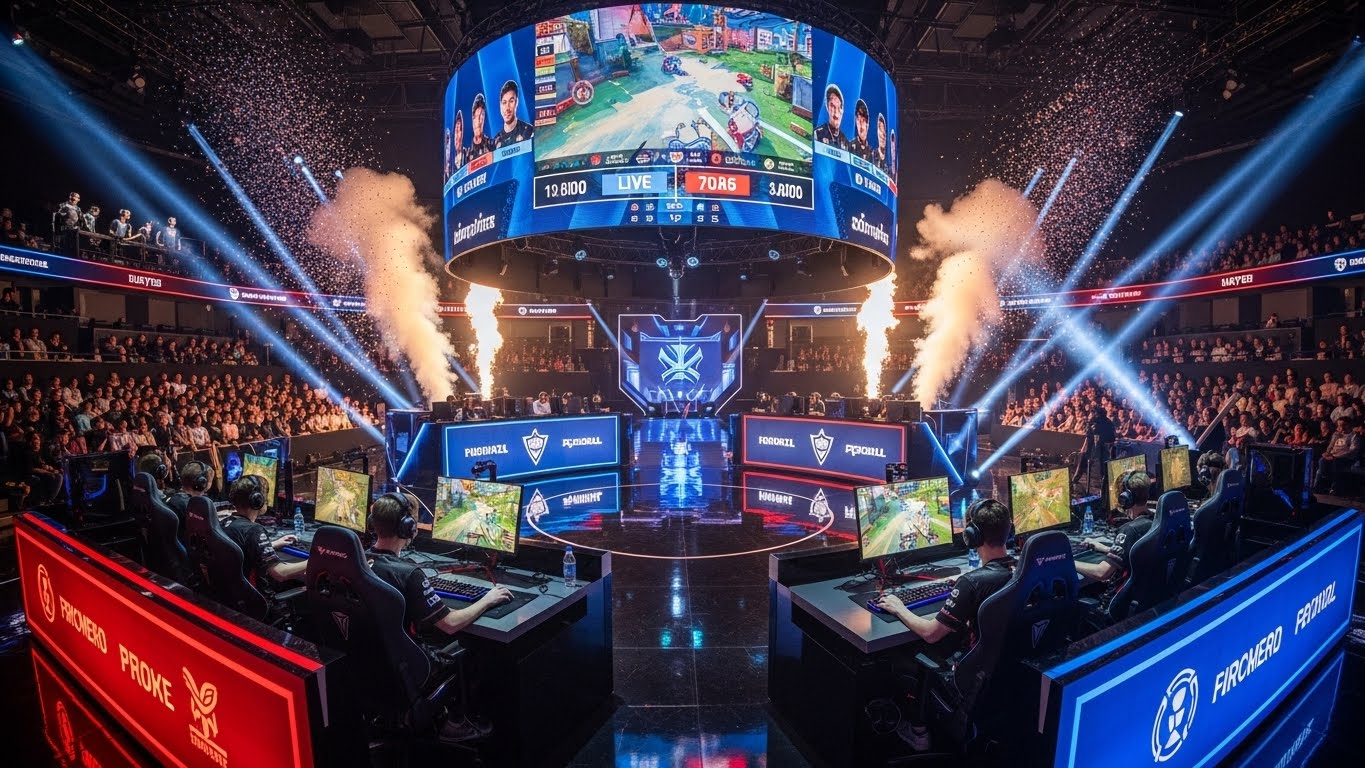
Esports viewership is not only limited to online streaming platforms; live events have also gained immense popularity. Tournaments like the League of Legends World Championship and the Overwatch League Grand Finals fill arenas with thousands of fans. These live events are often accompanied by elaborate opening ceremonies, musical performances, and fan interaction, elevating esports into a full-fledged entertainment spectacle. With the continued growth of esports, it’s not inconceivable that we will soon see esports events in the same arenas as traditional sports like basketball or soccer.
The Impact of Sponsorship and Revenue Streams
The esports industry’s rapid growth has been driven in large part by sponsorships and revenue from media rights. Major brands, both within and outside of the gaming industry, are eager to tap into the esports market. Companies like Coca-Cola, Intel, Red Bull, and Toyota are just a few examples of brands that have invested heavily in esports sponsorships. These companies sponsor tournaments, teams, and individual players in exchange for exposure to a highly engaged and often younger audience.
Esports organizations also generate revenue from a variety of other sources. Prize pools from tournaments are often supplemented by ticket sales for live events, merchandise sales, and exclusive content available to fans. Media companies have secured broadcasting deals, allowing esports events to be aired on television, which further legitimizes esports as a mainstream form of entertainment.
The success of esports as an industry is exemplified by its potential for long-term revenue growth. In 2020, the global esports industry was valued at over $1 billion, and this figure is expected to continue rising as esports becomes even more ingrained in popular culture.
The Role of Technology in Esports
Technology plays a critical role in shaping the esports landscape. From the games themselves to the infrastructure supporting competitive play, advancements in technology enable players and organizations to reach new heights of performance and engagement.
At the heart of esports is the technology that powers the games themselves. Game developers continually push the boundaries of what’s possible, delivering visually stunning worlds, complex mechanics, and dynamic gameplay. The technological sophistication of games like “League of Legends,” “Fortnite,” and “Valorant” ensures that players are constantly challenged to refine their skills, while also providing audiences with a thrilling spectacle.
On the infrastructure side, high-speed internet, powerful gaming PCs, and professional-grade peripherals like gaming mice, keyboards, and headsets give players a competitive edge. Tournament organizers rely on cutting-edge streaming technology to broadcast events in high-definition and to provide a seamless viewing experience for millions of viewers.
Virtual reality (VR) and augmented reality (AR) are also emerging as potential game-changers in the esports world. VR could offer players an even more immersive experience, while AR could enhance the live viewing experience by providing viewers with dynamic overlays and real-time statistics. As esports continues to grow, new technologies will continue to evolve and expand the possibilities of competitive gaming.
The Future of Esports
The future of esports is incredibly promising. As the industry matures, we can expect more mainstream adoption, increased revenue, and expanded opportunities for players, teams, and organizations. Esports is likely to continue its integration into traditional sports arenas, with multi-sport venues hosting both physical and virtual events.
One key area for growth is the expansion of esports into schools and universities. Many educational institutions have already embraced esports, creating leagues and offering scholarships for competitive gamers. This trend could lead to the development of esports talent pipelines, much like those found in traditional sports.
Another exciting possibility is the potential for esports to become an Olympic sport. While there are challenges in making esports part of the Olympics, discussions are already underway. Given the global appeal of esports and its growing legitimacy as a professional sport, it’s possible that esports will one day be included in the Olympic Games, further solidifying its place in mainstream culture.
Conclusion: Esports as the Future of Entertainment
Esports has firmly established itself as a global phenomenon that transcends traditional gaming. What began as small competitions between friends has now become a professional industry with millions of fans, multi-million-dollar sponsorships, and a growing global presence. With its expanding audience, increasing professional opportunities, and technological advancements, esports is positioned to continue its rise as a major form of entertainment, rivaling traditional sports in both scope and influence.
As esports continues to evolve, it is clear that the future holds immense potential. The world of esports is more than just a game—it is a cultural force that brings people together, challenges their skills, and provides a new platform for entertainment. Whether you’re a player, a fan, or an industry professional, the world of esports offers a thrilling and dynamic future that is just getting started.