
 esportsmastersarena62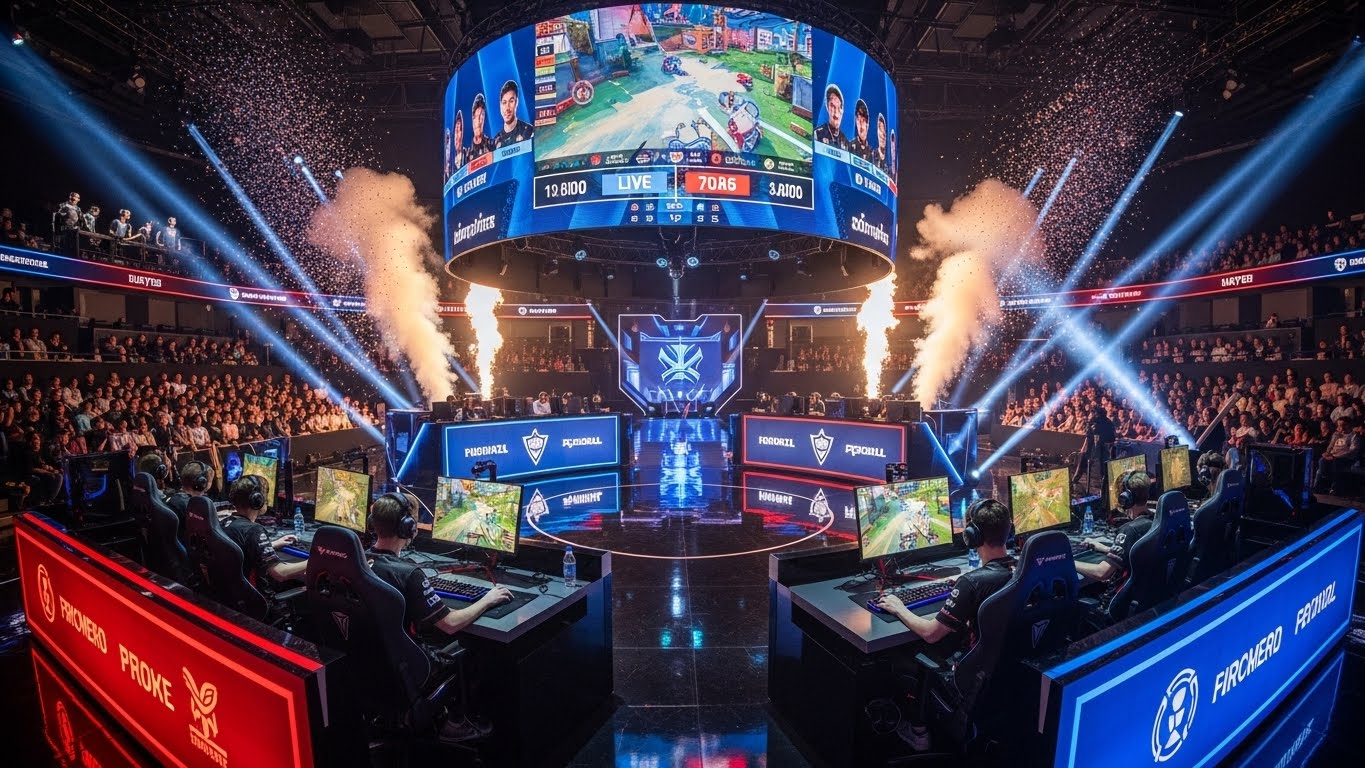
Esports, or competitive video gaming, has emerged as one of the fastest-growing entertainment phenomena in the world. Once considered a niche hobby, esports now attracts millions of viewers, thousands of professional players, and billions of dollars in revenue globally. It represents a convergence of technology, skill, strategy, and entertainment, redefining what it means to compete in the modern era. In this blog, we will explore the history, impact, and future of esports, along with its cultural, social, and economic significance.
The Origins of Esports
The story of esports begins with the early days of video gaming. In the 1970s and 1980s, arcade games such as Space Invaders and Pac-Man sparked the first waves of competitive play. Players would gather to see who could achieve the highest score, laying the foundation for organized gaming competitions.
By the 1990s, multiplayer games such as Quake and StarCraft introduced a new dimension of competition. Gamers began forming teams, participating in tournaments, and even broadcasting matches to wider audiences through emerging internet technologies. The establishment of professional leagues and tournaments, such as the Cyberathlete Professional League and the World Cyber Games, marked the formal beginning of esports as a recognized competitive field.
Understanding Esports as a Sport
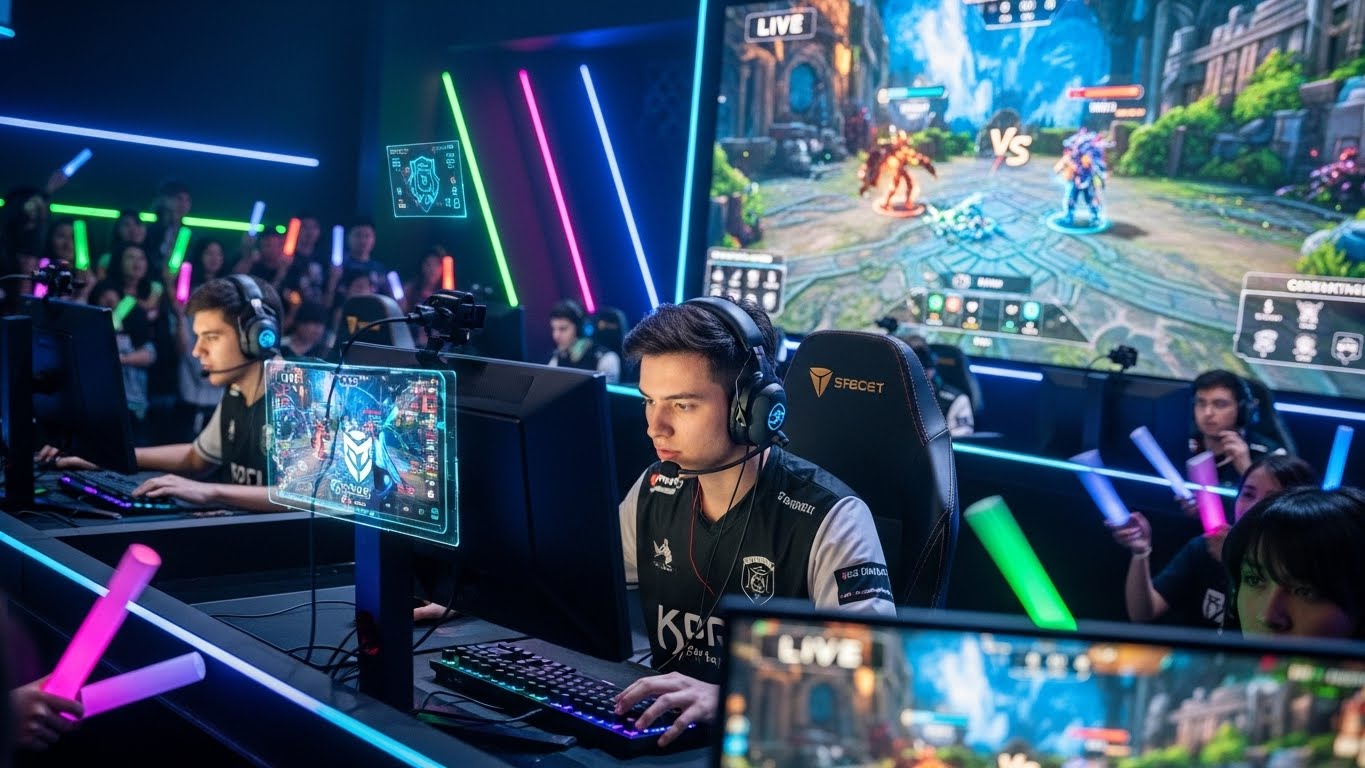
While esports does not involve traditional physical activity, it shares many characteristics with conventional sports. Players require precision, hand-eye coordination, strategic thinking, and mental endurance. Training regimens for professional esports athletes are rigorous, often including hours of practice, physical fitness routines, and psychological preparation to maintain focus during high-stakes matches.
Games in esports can be team-based or individual, spanning genres such as multiplayer online battle arenas, first-person shooters, sports simulations, and real-time strategy games. Popular titles like League of Legends, Dota 2, Counter-Strike, and Fortnite have global followings, each with dedicated tournaments and professional players.
The Growth of the Esports Industry
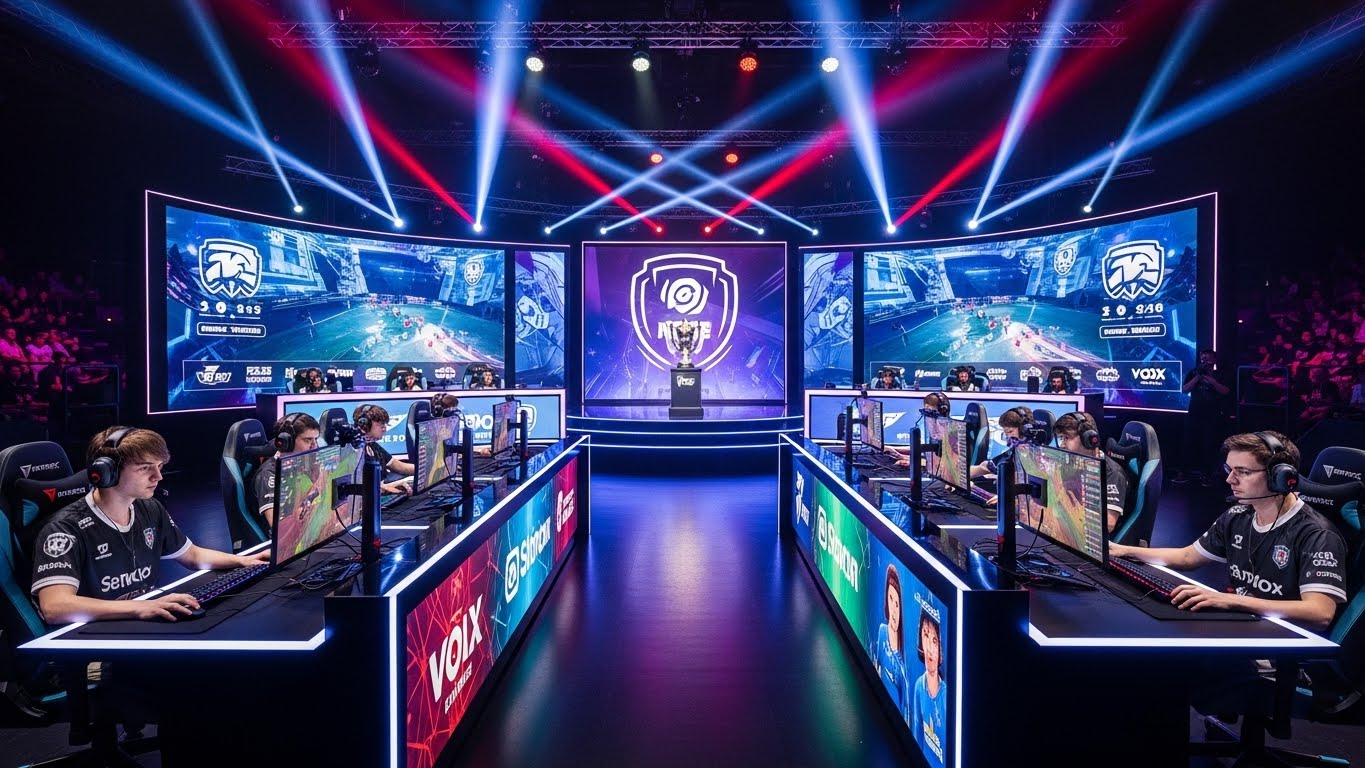
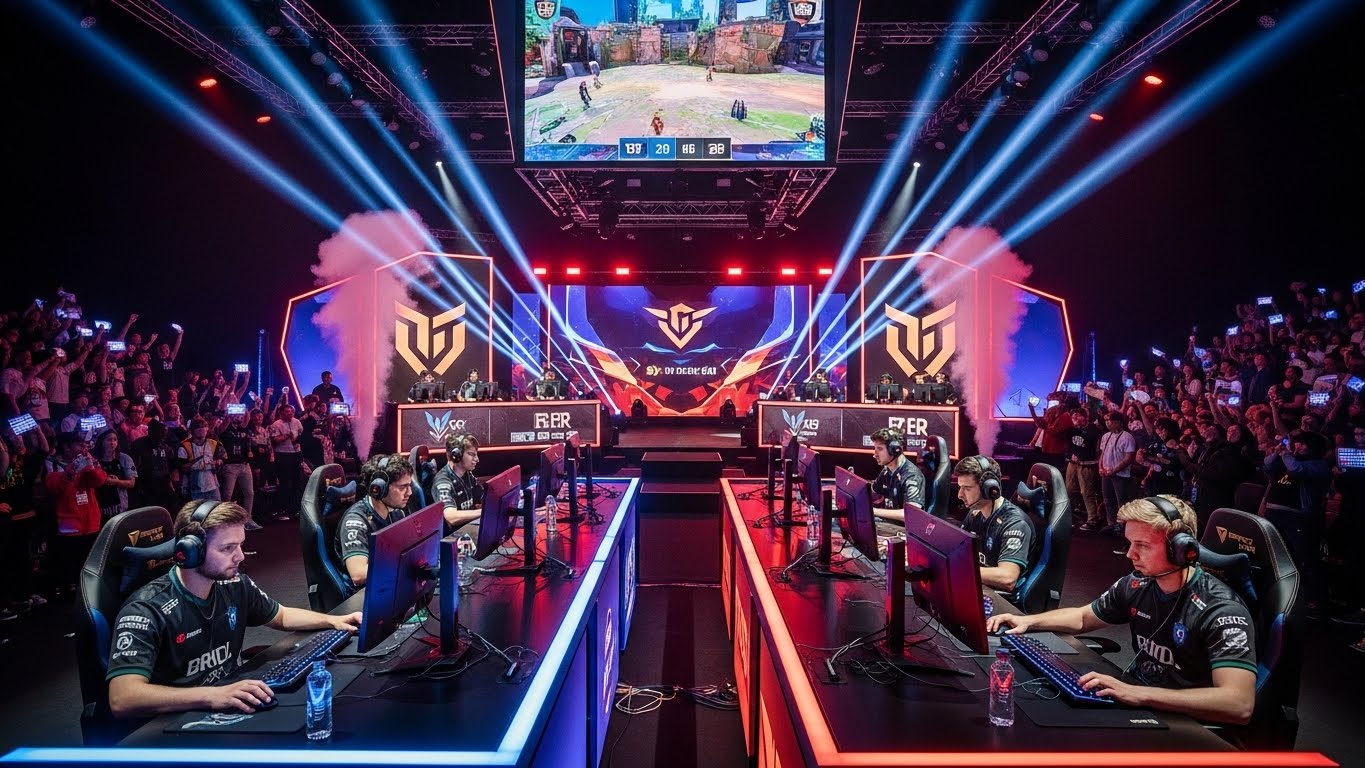
The growth of esports over the past decade has been unprecedented. From local competitions in internet cafes to stadium-sized events with live audiences, esports has transformed into a billion-dollar industry. Sponsorships, merchandise, broadcasting rights, and in-game purchases contribute to its financial success.
Streaming platforms and social media have further accelerated esports’ popularity. Millions of fans watch live streams, highlights, and tutorials, creating a vibrant ecosystem where players, fans, and brands interact. Unlike traditional sports, esports transcends geographic boundaries, allowing players from any part of the world to compete and collaborate.
Mental and Cognitive Benefits of Esports
Participation in esports develops a variety of cognitive and mental skills. Strategy, teamwork, and quick decision-making are essential in competitive gaming. Players must analyze constantly changing scenarios, adapt their tactics, and anticipate opponents’ moves—skills that strengthen critical thinking and problem-solving abilities.
Esports also improves concentration and reaction times. Many games require split-second decisions and precise control, enhancing mental agility. Moreover, esports fosters resilience and patience. Just like in traditional sports, losing matches is part of the process, teaching players to manage stress, recover quickly, and refine their strategies for future success.
Teamwork and Collaboration
Esports is not only about individual talent; teamwork is a fundamental aspect of competitive gaming. Team-based games like League of Legends, Overwatch, and Counter-Strike demand synchronized strategies, effective communication, and mutual trust among players.
Collaboration in esports develops leadership and interpersonal skills. Players often take on specific roles such as strategists, attackers, or defenders, and success relies on understanding each teammate’s strengths and weaknesses. These experiences mirror professional teamwork in other industries, highlighting esports as a platform for building transferable skills.
Esports and Cultural Impact
Esports has become a cultural phenomenon, influencing entertainment, fashion, music, and social media. Professional players achieve celebrity status, inspiring young fans to pursue gaming as a career. Major tournaments are celebrated like traditional sporting events, featuring elaborate productions, commentary, and fan engagement.
Esports also bridges cultures. International competitions bring together players and fans from diverse backgrounds, fostering global connections and understanding. The rise of cosplay, fan art, and online communities around esports games reflects the deep emotional and cultural connection players and fans have with the digital world.
Education and Esports
Educational institutions are increasingly recognizing esports as a legitimate form of competition and skill development. Schools and colleges offer esports programs, scholarships, and clubs, integrating gaming with academic growth.
Students participating in esports gain skills in communication, leadership, strategic planning, and time management. In addition, esports can promote inclusivity and accessibility, providing opportunities for students who might not participate in traditional sports to engage in competitive activities and pursue potential careers in gaming, game development, or broadcasting.
Health Considerations in Esports
While esports provides mental and social benefits, it also presents health challenges. Long hours of practice can lead to eye strain, repetitive strain injuries, poor posture, and sleep disruption. Professional players often incorporate physical exercise, ergonomic setups, and proper nutrition to maintain their well-being.
Mental health is equally important. The competitive nature of esports can create stress, anxiety, and pressure to perform. Teams and organizations increasingly provide counseling and psychological support to ensure players’ overall health, recognizing that peak performance relies on both mind and body wellness.
The Role of Technology in Esports
Technology is at the heart of esports. High-performance computers, gaming peripherals, and internet infrastructure enable smooth gameplay and high-level competition. Innovations like live streaming, virtual reality, and advanced analytics enhance both player performance and fan engagement.
Artificial intelligence and data analytics are becoming integral in strategy development, allowing players to study patterns, predict opponents’ moves, and improve their gameplay. Meanwhile, streaming platforms provide interactive experiences where fans can watch, comment, and participate in real time, creating a dynamic and immersive ecosystem.
Economic Impact of Esports
Esports has a profound economic impact. Beyond prize money, professional gaming generates revenue through sponsorship deals, merchandising, advertising, and media rights. Major tournaments attract thousands of spectators, contributing to tourism and local economies.
Esports also creates employment opportunities across various sectors, including game development, coaching, marketing, event management, and broadcasting. With the industry continuing to grow, esports offers sustainable career paths for players and professionals alike, illustrating its significant role in the modern economy.
Challenges Facing the Esports Industry
Despite its rapid growth, esports faces several challenges. The lack of standardized regulations and governance can lead to disputes, cheating, or unfair practices. Concerns about player exploitation, burnout, and mental health need continued attention.
Additionally, social perceptions of gaming as a “non-serious” activity still persist in some regions, affecting support and recognition. Ensuring inclusivity, fair play, and long-term sustainability requires coordinated efforts from organizations, governments, and communities worldwide.
The Future of Esports
The future of esports looks promising and transformative. Emerging technologies like virtual reality, cloud gaming, and artificial intelligence are likely to redefine gameplay and audience experiences. The expansion of mobile esports opens opportunities for players in regions without access to high-end gaming equipment.
Esports is also moving toward mainstream acceptance, with more educational institutions, media outlets, and global events embracing competitive gaming. Its blend of skill, entertainment, and technology ensures that esports will continue to inspire, connect, and challenge players and fans for generations.
Conclusion: Esports as a New Era of Competition
Esports represents a new era of competition, merging digital innovation with human skill, strategy, and perseverance. It transcends traditional boundaries, creating a global community where passion, talent, and determination define success.
From mental and cognitive development to cultural impact, education, and economic significance, esports offers multifaceted benefits while addressing unique challenges. Whether as a player, fan, or professional, involvement in esports teaches resilience, teamwork, and the pursuit of excellence in ways that extend far beyond the digital arena.
In a world increasingly connected by technology, esports is more than just gaming—it is a cultural force, a professional pathway, and a testament to the limitless possibilities of human creativity and competition. The rise of digital arenas marks a defining moment in the evolution of sports and entertainment, ensuring that esports will remain a driving force in shaping the future of global competition.