
 esportsmastersarena62
Esports has evolved from being just a pastime for gamers into a billion-dollar global industry, and one of the most exciting developments within this field is the rise of college esports programs. As competitive gaming gains recognition as a legitimate career path and academic focus, colleges around the world are beginning to embrace esports as part of their athletic and educational systems. The future of college esports programs looks bright, with opportunities for students, institutions, and the gaming industry as a whole to benefit. This blog explores how college esports are evolving, what challenges and opportunities they present, and what the future holds for this rapidly growing domain.
The Rise of Esports in Education
Esports has transformed from small local tournaments into major international competitions watched by millions. As the audience and revenue potential of esports have grown, academic institutions have started taking notice. Colleges now see esports as more than just entertainment—it’s a platform for skill development, teamwork, strategic thinking, and technology integration.
In the early 2010s, a few pioneering universities in North America began to experiment with structured esports programs. They established varsity teams, offered scholarships to talented players, and began integrating gaming into student life. The popularity of games like League of Legends, Overwatch, and Rocket League helped fuel the momentum. Today, hundreds of universities worldwide have official esports programs, and the number continues to increase.
This shift has helped legitimize esports in the eyes of educators and parents who once viewed gaming as a distraction. Now, gaming is being recognized for its educational potential, combining elements of communication, technology, and competition that align with 21st-century learning.
The Structure of College Esports Programs
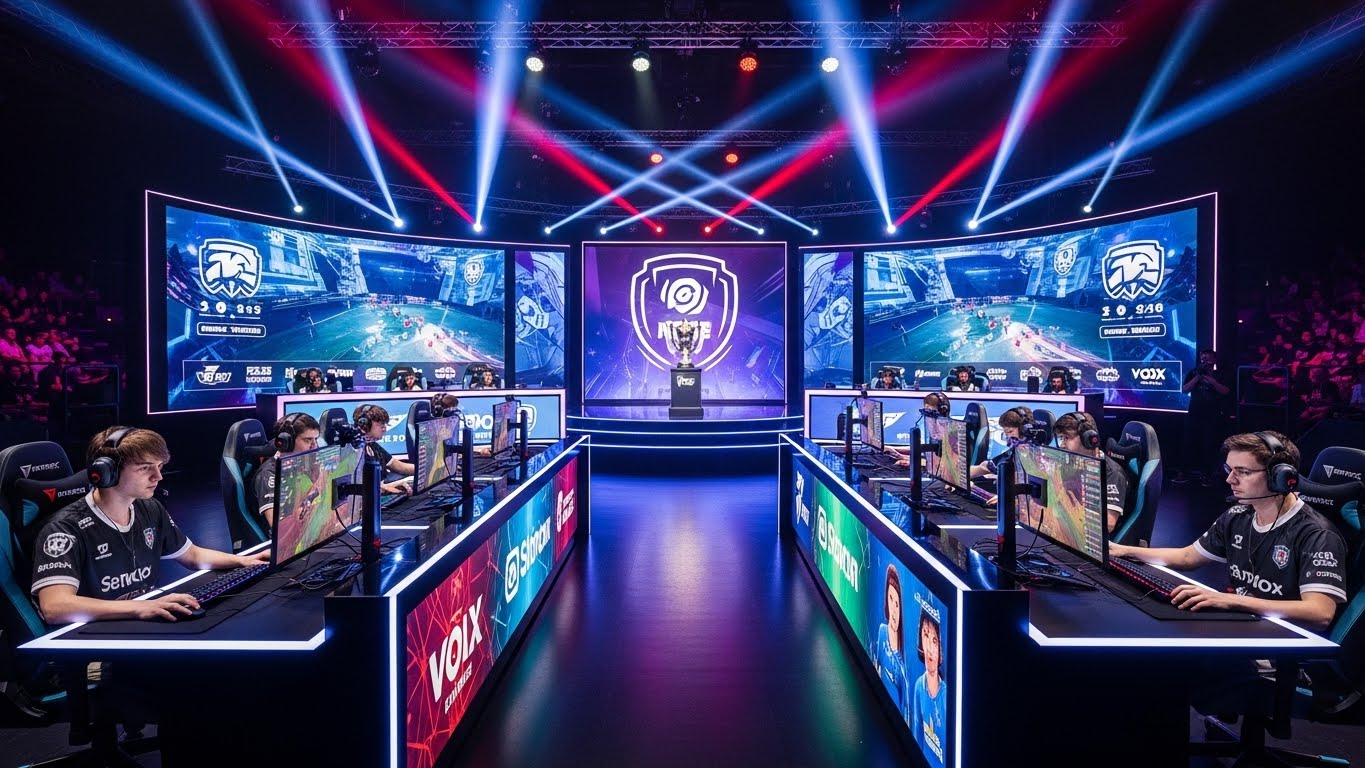
College esports programs typically mirror traditional athletic departments, complete with coaches, analysts, and training facilities. Many universities have built high-tech arenas equipped with gaming PCs, streaming setups, and spaces for team practice. These facilities often double as learning environments where students can study broadcasting, game design, or event management.
Players are recruited based on skill and performance, and in some cases, they receive scholarships just like traditional athletes. These scholarships can cover tuition, equipment, or travel costs to tournaments. Beyond the players, college esports programs often involve a range of roles—coaches, strategists, analysts, and even marketing students who manage the team’s public image.
Colleges are also partnering with major esports organizations and game publishers to ensure that their programs stay relevant. These partnerships often result in sponsored tournaments, internships, and collaborative research opportunities.
Academic Opportunities Through Esports
Esports in colleges isn’t just about competition; it’s also becoming a key part of academic development. Many institutions now offer degrees or minors related to esports, covering topics such as game design, esports management, digital media, and marketing.
Students studying these programs learn not only about the games themselves but also about the ecosystem that supports them. They explore broadcasting techniques, tournament logistics, player psychology, and brand partnerships. This helps prepare them for careers in a fast-growing industry that demands a blend of creativity, strategy, and technical knowledge.
Esports also aligns with STEM (Science, Technology, Engineering, and Mathematics) fields. Game development, hardware engineering, and artificial intelligence are closely linked to competitive gaming. Students studying computer science, for example, can use esports data to analyze performance metrics or develop better game algorithms.
In the future, esports could become as common in university curricula as sports management or media studies, offering pathways for both competitive players and non-players who want to work in the industry.
Scholarships and Career Pathways
One of the strongest driving forces behind college esports programs is the introduction of scholarships. Just as athletic scholarships attract talented players in traditional sports, esports scholarships bring in highly skilled gamers.
These scholarships provide financial aid and open the door to higher education for students who might not otherwise have pursued college. For many, esports becomes a bridge between passion and profession. Students gain not only a degree but also valuable networking opportunities and experience that can launch careers in the gaming industry.
Career paths in esports are diverse. Graduates can pursue roles as professional players, coaches, commentators, event organizers, game developers, or marketing specialists. The industry also overlaps with broadcasting, software engineering, and content creation, allowing students to find multiple routes into stable careers.
In the future, as the industry becomes more structured, colleges may create career placement programs specifically tailored to esports graduates, ensuring smooth transitions from education to employment.
Technological Advancements and Their Role
The evolution of technology has always driven the growth of esports, and this trend continues in college programs. High-performance gaming equipment, virtual reality, artificial intelligence, and data analytics are all becoming part of the collegiate esports experience.
Many college teams use data analytics to analyze player performance, similar to how traditional sports teams study match statistics. AI tools can track reaction times, strategy patterns, and communication efficiency, providing coaches with detailed reports to improve training.
Virtual reality and augmented reality could also transform college esports. These technologies might introduce entirely new competitive formats that blend physical movement with digital play. Colleges with strong technology departments are likely to lead this transformation, creating immersive experiences that combine education and entertainment.
As 5G and cloud gaming become more accessible, remote participation will expand. This could allow students from different campuses or countries to compete without needing to be physically present, opening doors to global collegiate tournaments and collaborations.
The Role of Collegiate Esports in Building Communities
One of the most underrated aspects of college esports programs is their ability to build community. For many students, joining an esports team provides a sense of belonging similar to joining a traditional sports club or cultural organization.
Esports clubs encourage teamwork, leadership, and inclusivity. They bring together students from different backgrounds who share a common passion for gaming. This inclusivity has been particularly important for students who may not identify with traditional athletics but still want a competitive and social outlet.
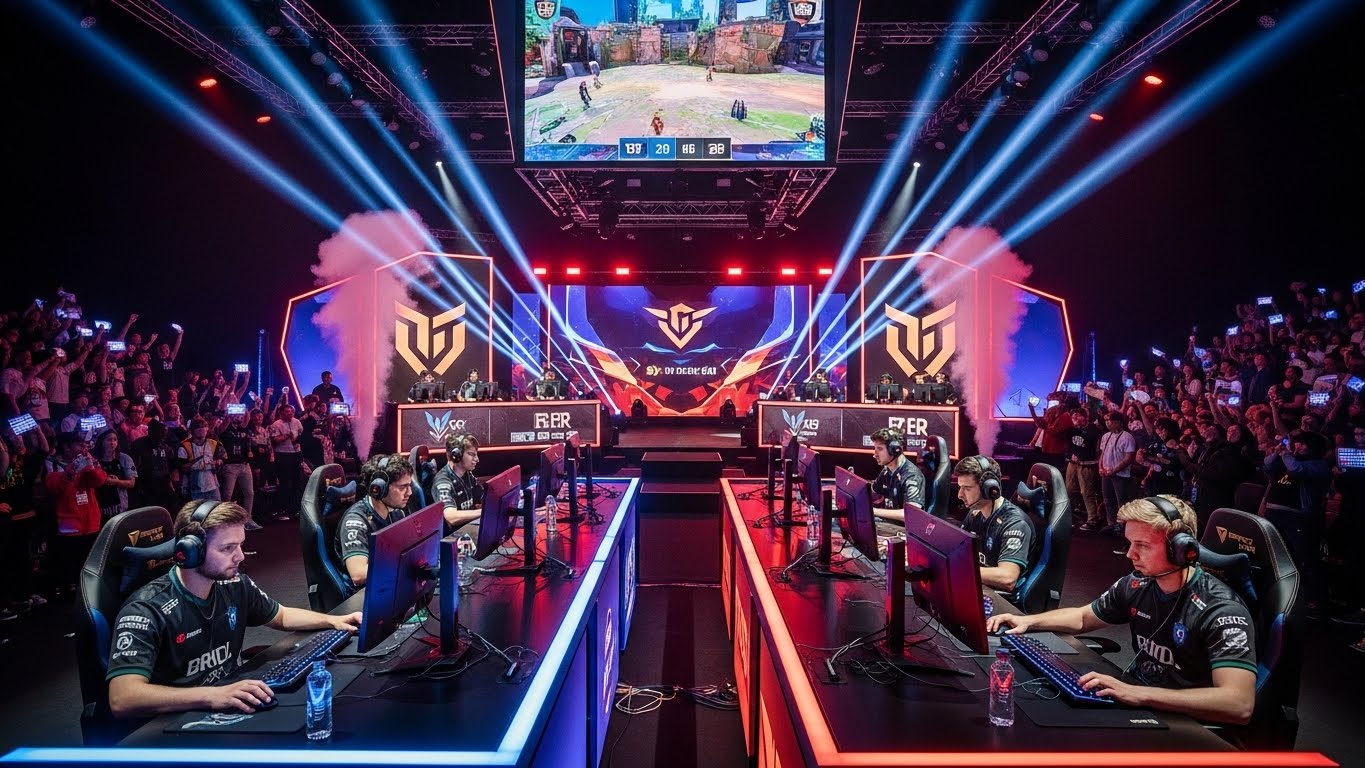
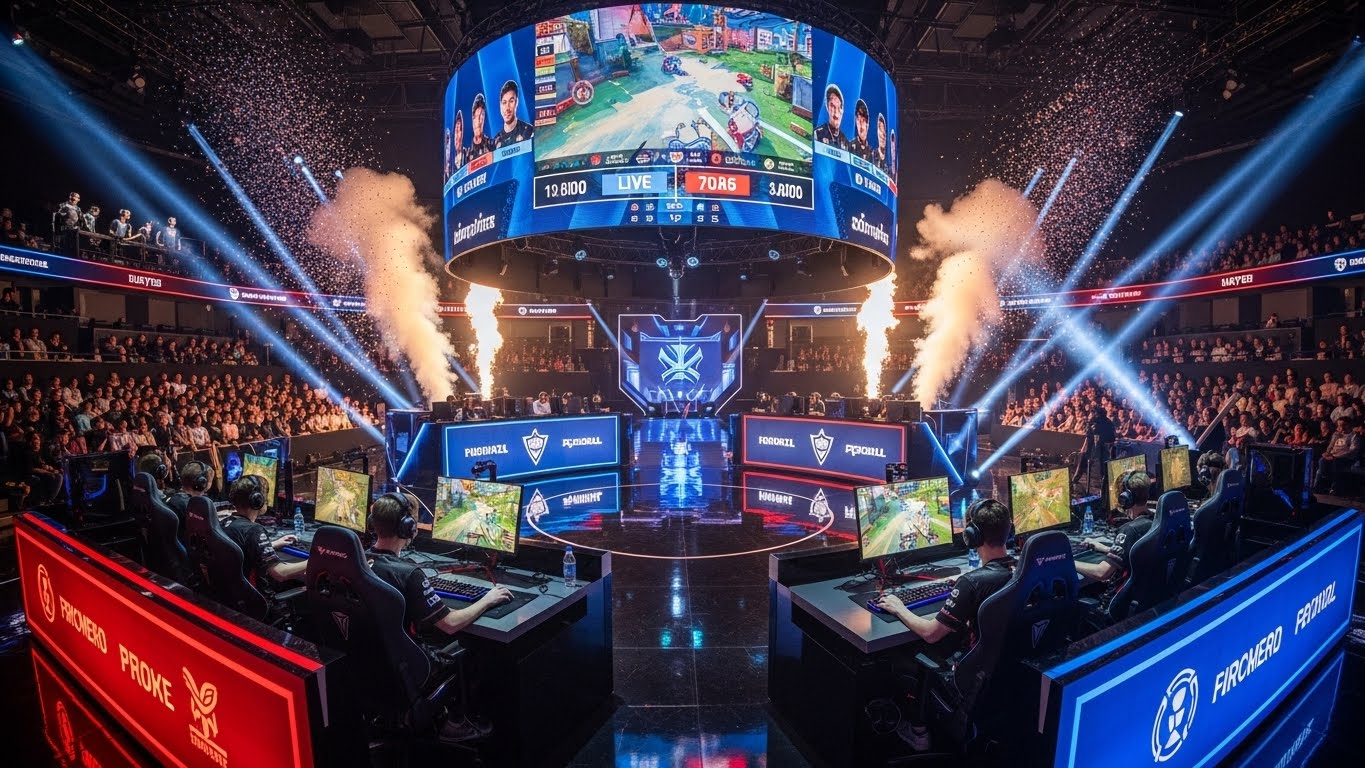
Collegiate esports events also draw large audiences, both online and on campus, fostering school pride and engagement. Some universities even stream matches on campus television networks or student-run media platforms, turning gaming into a shared cultural experience.
In the future, these communities will likely expand into broader alumni networks and professional associations, helping graduates stay connected and find career opportunities in the esports industry.
The Global Expansion of College Esports
While the United States has been a leader in the development of collegiate esports, the movement is spreading rapidly worldwide. Countries in Europe, Asia, and the Middle East are investing heavily in their own college esports infrastructures.
In South Korea, where esports is already a cultural phenomenon, universities have long offered courses related to game design and competitive gaming. In Europe, countries like the United Kingdom and Germany are integrating esports into their academic frameworks. Meanwhile, countries in Asia and the Middle East are establishing national college esports leagues to promote local talent.
This global expansion means that college esports could soon become an international educational network. Students might participate in global tournaments, exchange programs, or research collaborations focused on gaming and technology. Such developments would not only elevate the status of esports but also encourage cultural exchange and international cooperation.
The Challenges Facing College Esports Programs
Despite their rapid growth, college esports programs still face several challenges. One major issue is funding. Unlike traditional sports, esports does not yet have decades of institutional support, so programs often rely on sponsorships or donations to sustain operations.
Another challenge is balancing academics and gaming. While esports requires dedication and practice, students must also maintain their academic performance. Colleges are still learning how to create structures that support both competitive excellence and educational success.
There are also health and wellness concerns. Extended gaming hours can lead to physical strain or mental fatigue. Colleges need to ensure players receive guidance on ergonomics, nutrition, and mental health. Some programs are beginning to integrate wellness coaches and mandatory breaks into their training schedules.
Additionally, the esports landscape changes rapidly. Games rise and fall in popularity, and competitive formats evolve. Colleges must stay flexible and update their programs to remain relevant, which can be difficult when dealing with long academic planning cycles.
Gender Diversity and Inclusion in College Esports
Another significant challenge—and opportunity—for the future of college esports is gender diversity. Historically, competitive gaming has been male-dominated, but colleges have the chance to lead in creating inclusive environments.
More universities are establishing women’s esports teams, hosting inclusive tournaments, and encouraging female gamers to take leadership roles in the community. Educational institutions can help bridge the gender gap by offering mentorship programs, safe gaming spaces, and scholarships for underrepresented groups.
The future of college esports will depend on inclusivity. A diverse gaming environment enriches the experience for everyone and reflects the global audience that esports already commands.
Esports Research and Innovation in Universities
As esports grows, it is also becoming a serious field of academic research. Colleges are conducting studies on various aspects of gaming, from player psychology and team communication to the economic impact of the industry.
This research not only enhances our understanding of esports but also provides data that can improve player performance and well-being. For example, studies on reaction time and mental focus can help design better training programs. Research into audience behavior can inform marketing strategies for teams and sponsors.
In the future, universities might establish dedicated esports research centers, combining technology, psychology, and business to drive innovation in the gaming world. These centers could become key contributors to the development of the global esports ecosystem.
The Economic and Institutional Impact
College esports programs are not just benefiting students—they are also proving valuable for the institutions themselves. By offering esports programs, universities can attract a new demographic of students interested in gaming and technology.
Esports events on campus can generate revenue through sponsorships, ticket sales, and broadcasting rights. They also boost the institution’s visibility, especially among younger audiences. Colleges that position themselves as esports-friendly can build strong brand identities and appeal to tech-savvy generations.
In the future, universities may integrate esports into their overall marketing and recruitment strategies, using it as a symbol of modernity, inclusivity, and innovation.
Predictions for the Future of College Esports
The next decade promises remarkable growth for college esports programs. Here are some trends and predictions:
- Integration with Academics – Esports will become a core part of higher education, not just an extracurricular activity. Expect more degree programs, research opportunities, and academic recognition.
- Professional Pathways – Colleges will serve as talent pipelines for professional esports leagues, similar to how college basketball and football feed into professional sports.
- Technological Innovation – VR, AI, and data-driven coaching will revolutionize how teams train and compete.
- Global Tournaments – International college leagues will connect students worldwide, fostering cross-border collaboration.
- Health and Wellness Focus – Colleges will adopt comprehensive support systems for mental and physical health in esports athletes.
- Inclusivity and Diversity – Programs will continue to emphasize gender equality and representation across all levels of play.
- Institutional Growth – Universities will invest more in dedicated esports arenas, broadcasting facilities, and technology labs.
Conclusion
The future of college esports programs is one of immense potential. What began as an experimental initiative has evolved into a transformative movement that bridges education, technology, and entertainment. Colleges around the world are recognizing esports as a legitimate field that cultivates valuable skills and opens doors to new careers.
As the industry matures, college esports will play a vital role in shaping the next generation of gamers, innovators, and leaders. It will redefine how we view competition, collaboration, and learning in the digital age. The coming years will likely see esports become as integral to campus life as any traditional sport—offering students not only the thrill of victory but also the tools to build successful futures in a rapidly changing world.
In essence, the future of college esports programs is not just about gaming—it’s about education, innovation, and opportunity. Colleges that embrace this future will not only enrich their students’ experiences but also position themselves at the forefront of a global revolution in digital competition.