
 esportsmastersarena62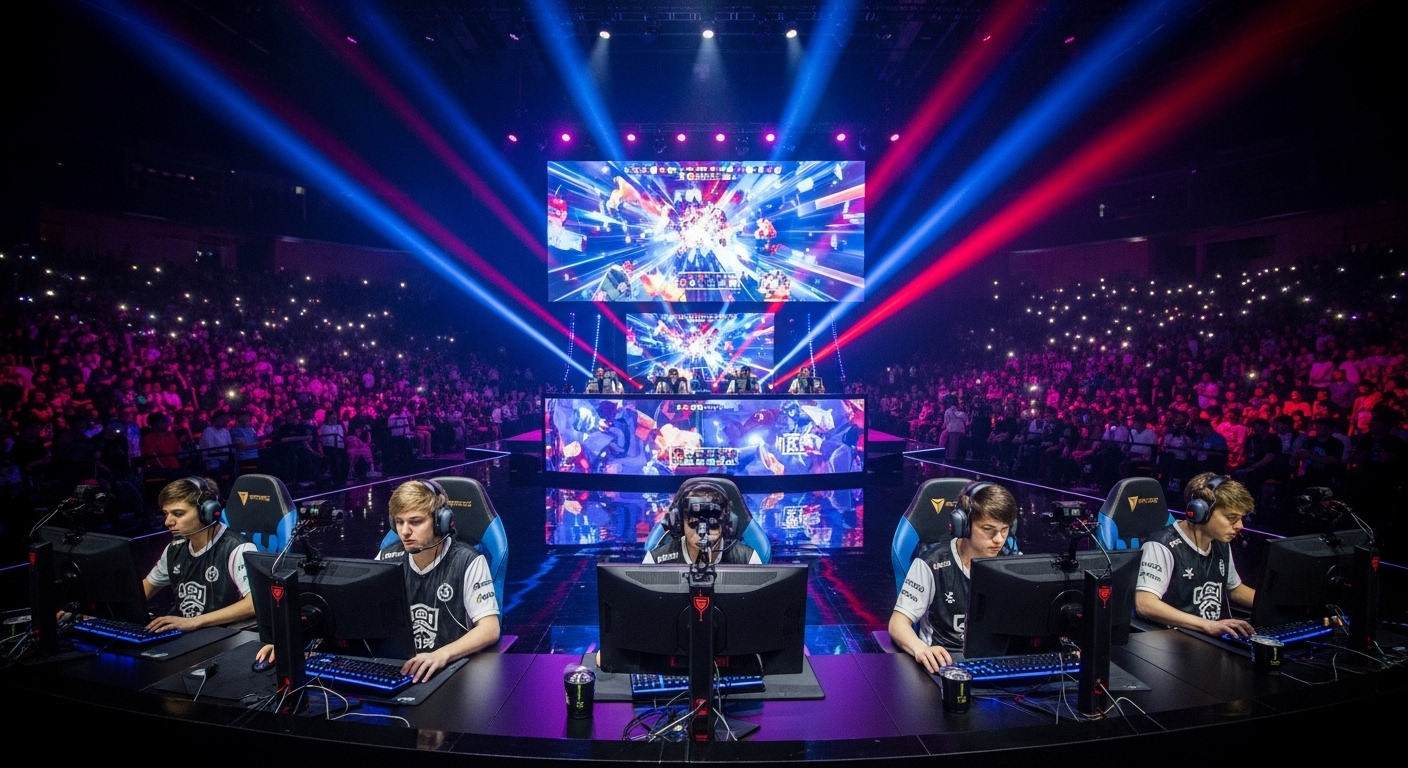
eSports, once seen as a niche activity, has quickly grown into a global phenomenon, revolutionizing the gaming world and transforming how millions of people around the world view competition. Professional gaming leagues, live-streamed tournaments, and celebrity gamers have emerged as mainstream figures in the entertainment industry. The rise of eSports has altered not only the way we think about video games but also how we define athleticism, competition, and entertainment. This blog post explores the meteoric rise of eSports, its cultural significance, its economic impact, and what the future holds for this exciting and dynamic industry.
What is eSports? A New Definition of Competition
eSports, short for electronic sports, refers to organized, multiplayer video game competitions, particularly between professional players, individually or as teams. Unlike casual gaming, which is often for entertainment or relaxation, eSports is a high-stakes, competitive environment with structured tournaments, professional teams, sponsorships, and a global audience. Games like League of Legends, Dota 2, Counter-Strike: Global Offensive (CS: GO), Fortnite, and Overwatch have become staples in the eSports world, drawing millions of players and spectators alike.
At its core, eSports is about competition at the highest level, where players showcase incredible skill, teamwork, and strategy. Just like traditional sports, eSports has leagues, championships, and international competitions where the best players face off for fame, fortune, and glory. These competitions are not limited to just gamers but also involve teams of coaches, analysts, and broadcasters who contribute to the overall spectacle.
The Rise of eSports: From Dorm Rooms to Stadiums
While the concept of competitive gaming dates back to the early days of video games, eSports as we know it began to take shape in the late 1990s and early 2000s. The launch of games like StarCraft and Quake helped popularize competitive gaming through online tournaments and LAN (Local Area Network) parties. However, it wasn’t until the mid-2000s, with the introduction of more sophisticated multiplayer online games and platforms like Twitch, that eSports truly began to gain traction.
The game League of Legends, released in 2009 by Riot Games, was a watershed moment for the industry. As one of the most popular competitive games ever created, League of Legends established a professional league system and became a cornerstone of the eSports landscape. The League of Legends World Championship, held annually, has drawn in audiences of millions and has turned eSports players into household names.
Another game, Dota 2, developed by Valve, also made a massive impact in the eSports world with its International tournament. The prize pools for these tournaments skyrocketed, with The International offering over $40 million in prize money, making it one of the highest-paid events in the world of sports and entertainment.
In the years since, other titles like Counter-Strike, Fortnite, Overwatch, and Call of Duty have joined the ranks of major eSports competitions, further fueling the industry’s growth. What was once a subculture has now become a global phenomenon, with sold-out arenas, live-streamed events, and global sponsorships.
The eSports Ecosystem: Players, Teams, and Leagues
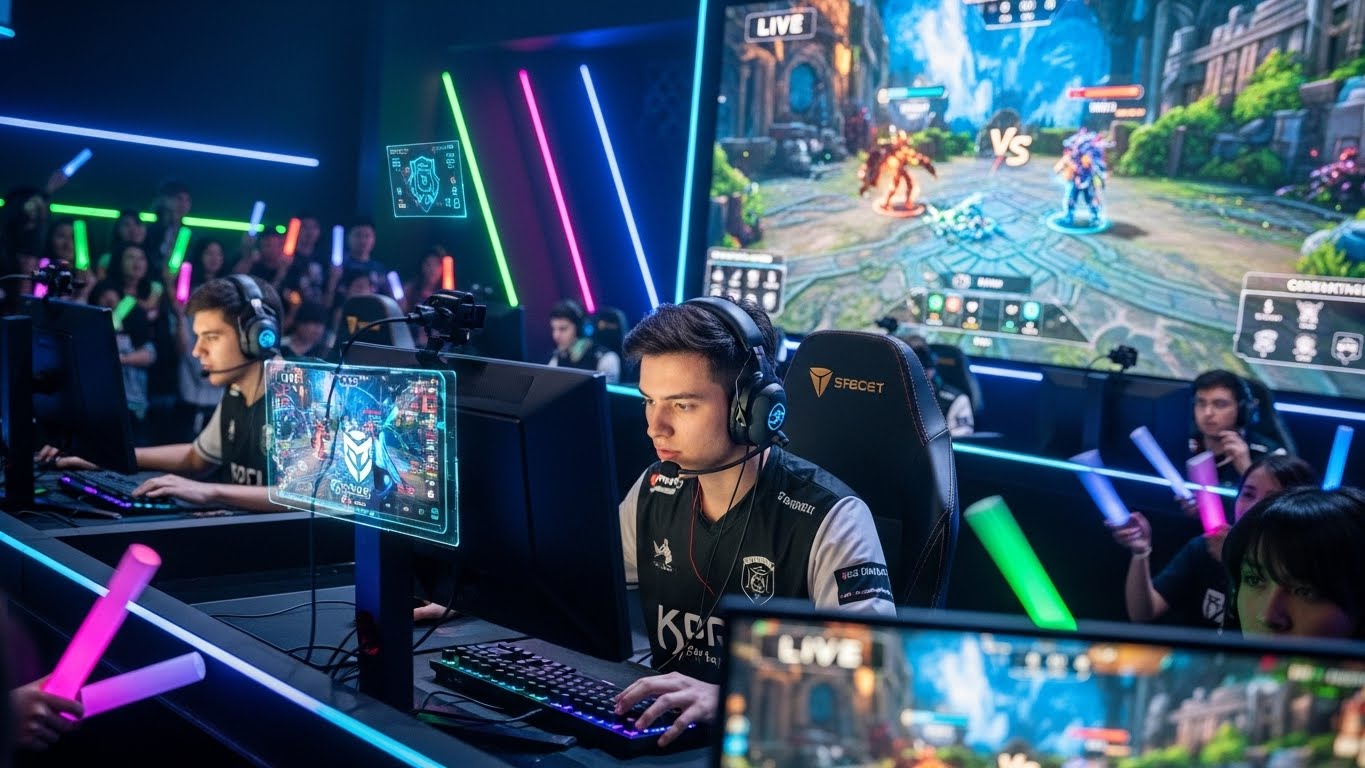
The eSports ecosystem is vast and multifaceted, consisting of players, teams, coaches, broadcasters, and sponsors. Professional players are the stars of the show, often starting their careers in local or online competitions before being signed by major eSports organizations. These players train extensively, sometimes practicing up to 12 hours a day, to refine their skills and strategies. Just like athletes in traditional sports, eSports players must maintain peak mental and physical health to stay competitive.
Behind the scenes, eSports teams are supported by coaches and analysts who help shape strategies, analyze gameplay, and guide players through the mental and tactical aspects of the game. Teams are often sponsored by major brands, who provide financial backing and endorsement deals. These sponsorships, along with ticket sales, streaming revenue, and merchandise sales, make up the bulk of the eSports industry’s economy.
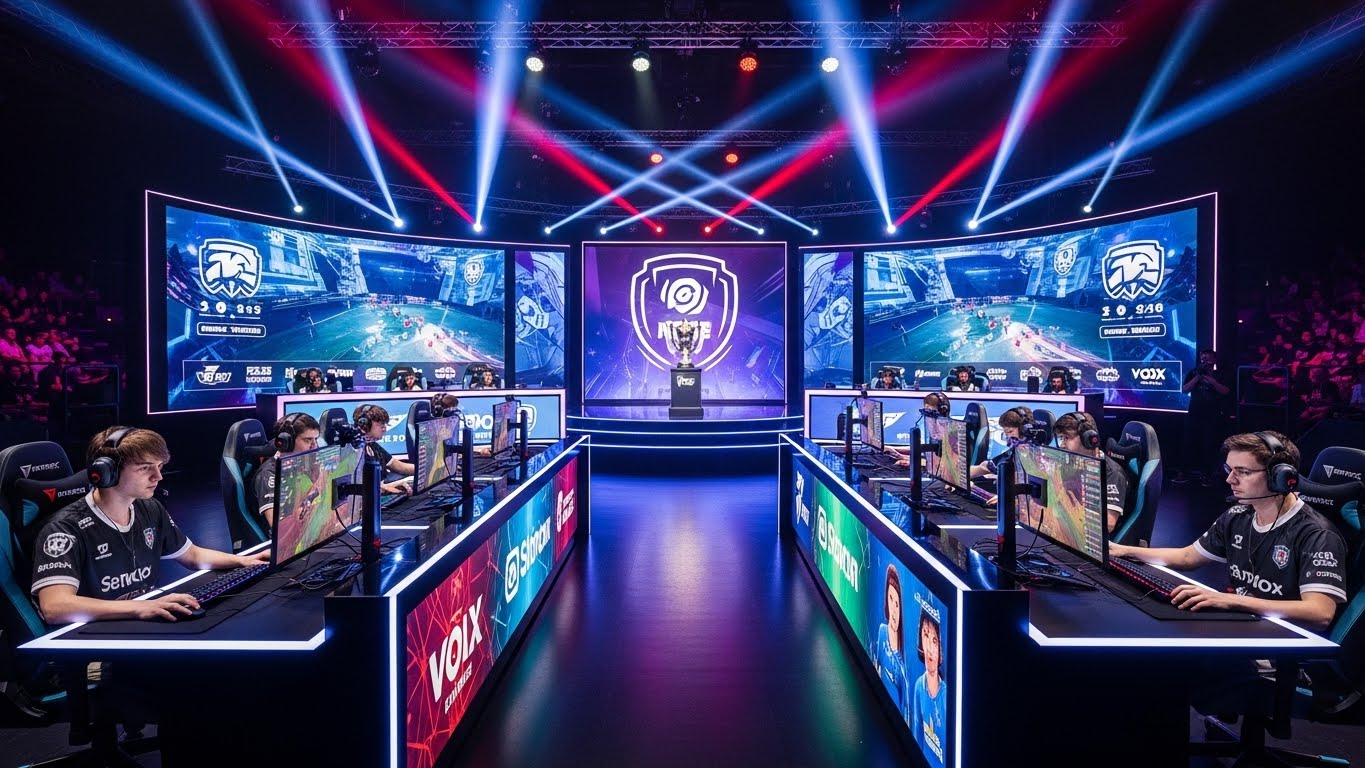
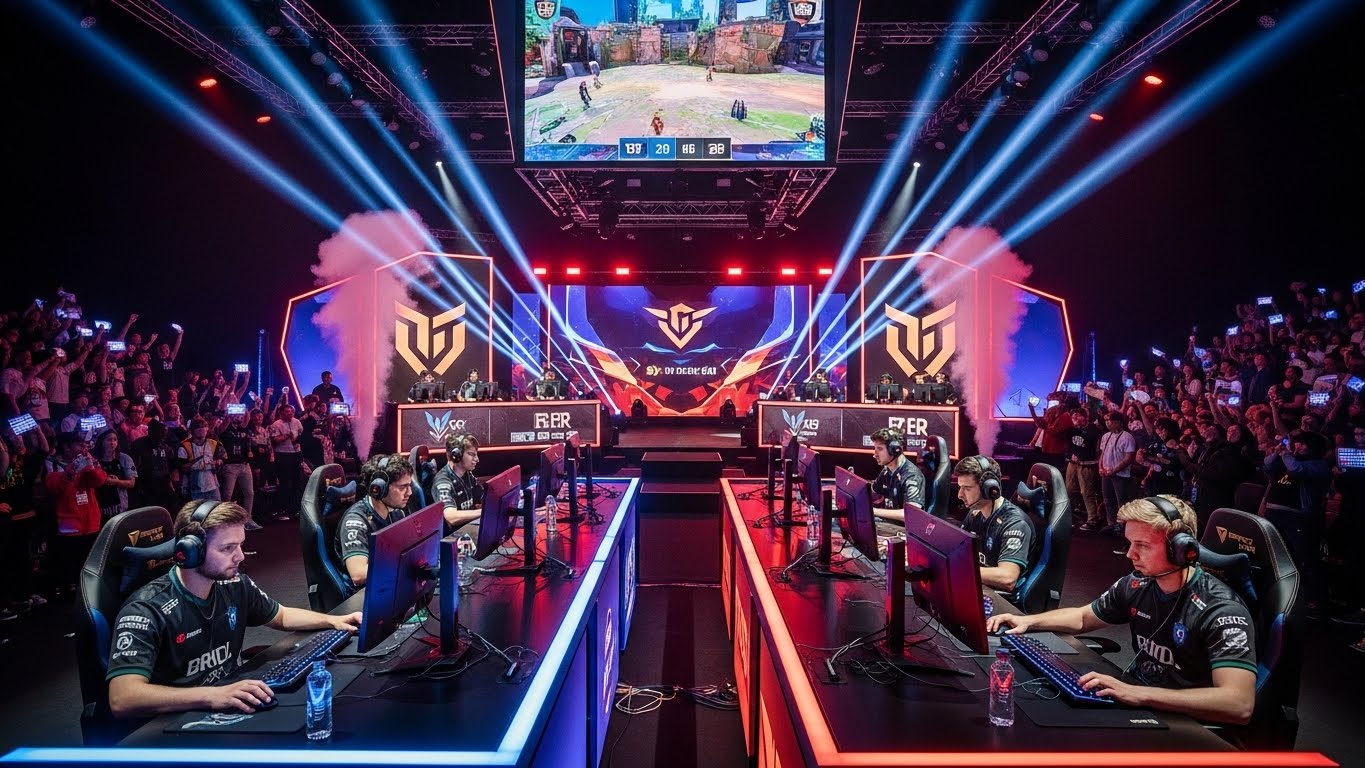
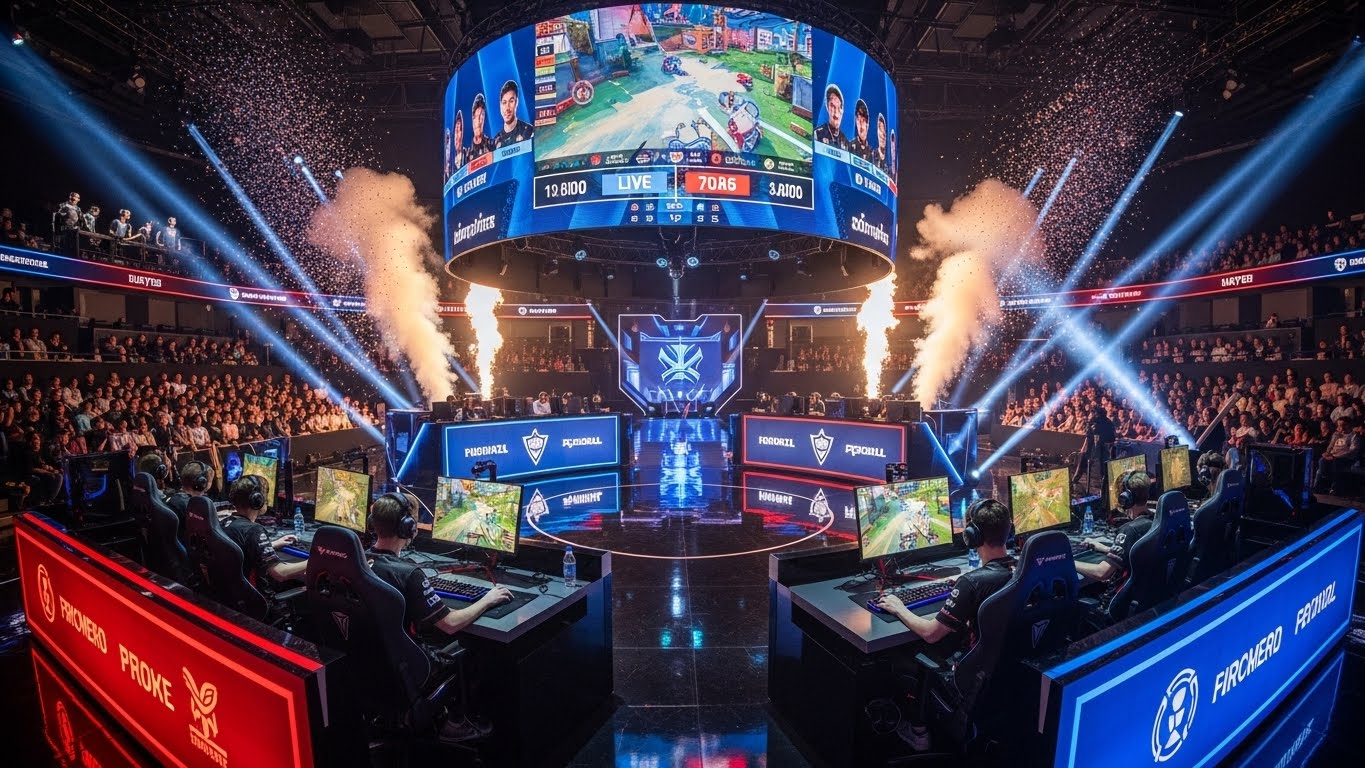
Leagues and tournaments are the backbone of competitive gaming, with major international events held throughout the year. These competitions are often broadcasted live on streaming platforms such as Twitch, YouTube, and Facebook, allowing fans from around the world to watch and interact with the action. Large eSports events, such as the League of Legends World Championship, The International for Dota 2, and the Overwatch League have made eSports a spectacle that rivals traditional sports in terms of viewership and production value.
Cultural Impact of eSports: Gaming as a Mainstream Entertainment
The cultural impact of eSports has been profound. What was once considered a hobby for a niche group of gamers has become a mainstream form of entertainment, drawing in millions of fans from around the world. This transformation has been fueled by digital streaming platforms, social media, and the changing way that people consume content.
Streaming services like Twitch, where players live-stream their gameplay to a global audience, have played a significant role in the rise of eSports. Twitch streams attract millions of viewers each month, and many top-tier gamers have built massive followings, turning their gaming skills into lucrative careers. Some eSports players have become influencers in their own right, securing sponsorships, brand deals, and even celebrity status in the digital world.
The crossover between gaming and traditional entertainment is also evident in the increasing presence of eSports in mainstream media. Networks like ESPN and Turner Sports have begun airing eSports competitions, bringing the excitement of gaming to television audiences. Major companies and brands, from Coca-Cola to Nike, have recognized the influence of eSports and have invested heavily in sponsorships and partnerships with teams and players.
At the same time, eSports has become a platform for players to express themselves, whether through their gameplay, streaming personalities, or participation in charity events. The eSports community has fostered a sense of belonging for gamers, creating a space where people from different backgrounds can connect over a shared passion for gaming.
Economic Growth and Career Opportunities in eSports
The economic impact of eSports is significant, with the industry generating billions of dollars each year. Revenue comes from various sources, including sponsorships, media rights, ticket sales, merchandise, and advertising. In 2020, the global eSports market was valued at over $1 billion and is projected to continue growing at a rapid pace in the coming years.
Sponsorship deals are a major driver of eSports revenue, with brands eager to tap into the young, tech-savvy audience that eSports attracts. Major companies like Intel, Red Bull, and Samsung have invested heavily in the eSports ecosystem, sponsoring tournaments, teams, and individual players. These sponsorships provide funding for competitions and help eSports players earn a living, often turning them into influencers in the process.
In addition to sponsorships, media rights have become a valuable commodity. With the rise of online streaming and the increasing popularity of live-streamed events, platforms like Twitch and YouTube offer substantial revenue opportunities through advertising and subscription-based services. eSports events can draw millions of viewers, and advertising during these events has become an attractive option for brands looking to reach a global audience.
Beyond the players and teams, eSports also offers a wide range of career opportunities. From event organizers and analysts to streamers, commentators, and marketers, there are a variety of roles in the industry. University programs are now offering eSports management degrees, and eSports organizations are hiring staff for marketing, production, and business development positions.
The Future of eSports: Innovation and Expansion
Looking ahead, the future of eSports appears incredibly bright. The industry is expected to continue its exponential growth, with more games, tournaments, and teams emerging in the coming years. As technology continues to evolve, eSports will likely incorporate new innovations, including virtual and augmented reality, artificial intelligence, and immersive experiences that further blur the lines between gaming and real-life competition.
The expansion of mobile gaming is another area of growth for eSports. Mobile eSports has gained traction in regions like Southeast Asia, where smartphone gaming is immensely popular. Mobile tournaments for games like PUBG Mobile and Clash Royale are gaining in both popularity and prize pools, contributing to the global expansion of eSports.
Additionally, the push for eSports to be included in global multi-sport events like the Olympics has sparked debates. Some argue that gaming is an intellectual sport deserving of the same recognition, while others believe that it doesn’t meet the physical requirements to be considered an Olympic event. Nonetheless, the conversation continues, and it’s clear that eSports will play a larger role in the global sporting landscape in the coming decades.
Challenges and Controversies
While eSports has made great strides, it still faces some challenges and controversies. One of the main concerns is the mental and physical toll competitive gaming can take on players. Long hours of practice, high levels of stress, and the pressures of constant competition can lead to burnout, anxiety, and even injuries like carpal tunnel syndrome. The demand for better player health management, mental health support, and recovery protocols is growing as eSports becomes more professional.
Another challenge is the issue of cheating and match-fixing, which has plagued various eSports titles. Like traditional sports, eSports has faced scandals involving cheating, cheating software, and dishonest practices during high-stakes competitions. Organizations are working hard to combat these issues, implementing stricter regulations and systems to detect and prevent unfair play.