
 esportsmastersarena62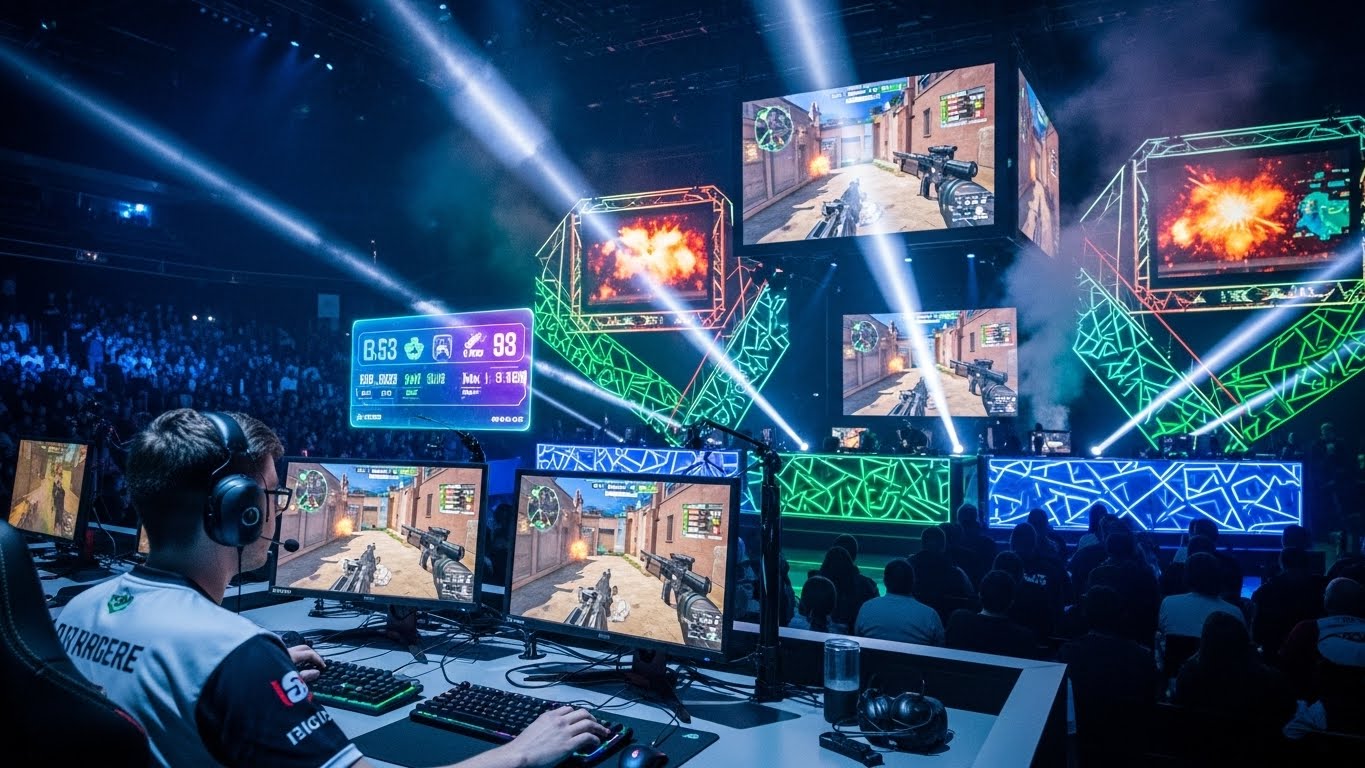
Esports, once a niche subculture of competitive gaming, has skyrocketed into a global industry with millions of fans, athletes, and professionals worldwide. With its rapid growth, the world of esports has transformed the landscape of entertainment, blurring the lines between traditional sports and digital competitions. This blog will explore the history, evolution, economic impact, and cultural significance of esports, shedding light on how this digital revolution is shaping the future of entertainment.
What is Esports?
Esports, short for electronic sports, refers to competitive video gaming at a professional level. In contrast to casual gaming, esports involves highly skilled players competing against each other in organized tournaments or leagues. These events often feature popular multiplayer video games, ranging from first-person shooters (FPS) like Counter-Strike and Call of Duty to multiplayer online battle arenas (MOBAs) such as League of Legends and Dota 2. Players compete for prizes, sponsorships, and most importantly, glory.
While esports was once an underground phenomenon, it has evolved into a fully recognized and professionally managed industry. Players now train like traditional athletes, spending hours perfecting their skills and strategies. Esports has become not just about gaming but about entertainment, skill, teamwork, and spectacle.
A Brief History of Esports
The history of esports dates back to the 1970s, when competitive gaming first took shape in arcade halls. One of the first known esports tournaments took place in 1972 at Stanford University, where students competed in a game called Spacewar for the title of “Intergalactic Spacewar Olympics.” However, esports, as we know it today, really began to take off in the late 1990s and early 2000s, driven by the rise of online gaming platforms and a growing internet infrastructure.
The 1997 Red Annihilation tournament for the game Quake is often cited as one of the first major esports events. This tournament set the stage for future esports competitions, and as internet speeds improved, more online competitions and events were held. Titles such as StarCraft, Warcraft III, and Counter-Strike helped propel esports into the mainstream.
In the 2010s, games like League of Legends, Dota 2, and Overwatch became major players in the esports arena, with large-scale tournaments and lucrative sponsorships. Platforms like Twitch, which launched in 2011, provided an outlet for live streaming esports events, and it wasn’t long before millions of people around the world began watching tournaments online.
The Growth of Esports: Numbers Don’t Lie
Over the past decade, esports has grown exponentially. According to Newzoo’s 2020 Global Esports Market Report, the global esports audience was estimated at 495 million people, with expectations to surpass 650 million by 2023. The esports industry is projected to generate over $1 billion in revenue annually, thanks to sponsorships, advertising, media rights, ticket sales, and merchandise.
Esports has moved beyond the world of hardcore gamers and attracted millions of casual fans. Major tournaments, such as the League of Legends World Championship and The International (Dota 2’s premier event), draw audiences that rival traditional sports events in terms of viewership. For example, the League of Legends 2020 World Championship final was watched by over 3.8 million concurrent viewers, surpassing the viewership of the NBA Finals.
The rise of online streaming platforms, particularly Twitch, has played a critical role in the explosion of esports’ popularity. With millions of hours of content being streamed daily, these platforms have created an ecosystem where fans can watch live esports events, interact with players and commentators, and even try their hand at streaming themselves.
Esports as a Career: From Players to Content Creators
For many, esports has become more than just a hobby; it’s a viable career. Professional players, content creators, coaches, analysts, and event organizers all make up the esports ecosystem. Top-tier players can earn substantial salaries from tournament winnings, sponsorship deals, and streaming platforms. In 2020, The International 10 (Dota 2’s flagship tournament) had a prize pool of over $40 million, with the winning team, OG, taking home over $15 million.
Beyond the players themselves, esports has spawned an entire industry around content creation. Streamers on platforms like Twitch and YouTube Gaming not only stream games but also engage with their fans through commentary, reaction videos, and social media. These content creators often develop large, dedicated fanbases, which makes them highly attractive to sponsors and advertisers.
Coaches, analysts, and managers play vital roles in guiding teams to victory. They are integral to the preparation and strategic planning that can make or break a team in high-stakes tournaments. As esports grows, so too does the demand for talent in all facets of the industry, ranging from in-game skill to behind-the-scenes expertise.
The Cultural Impact of Esports
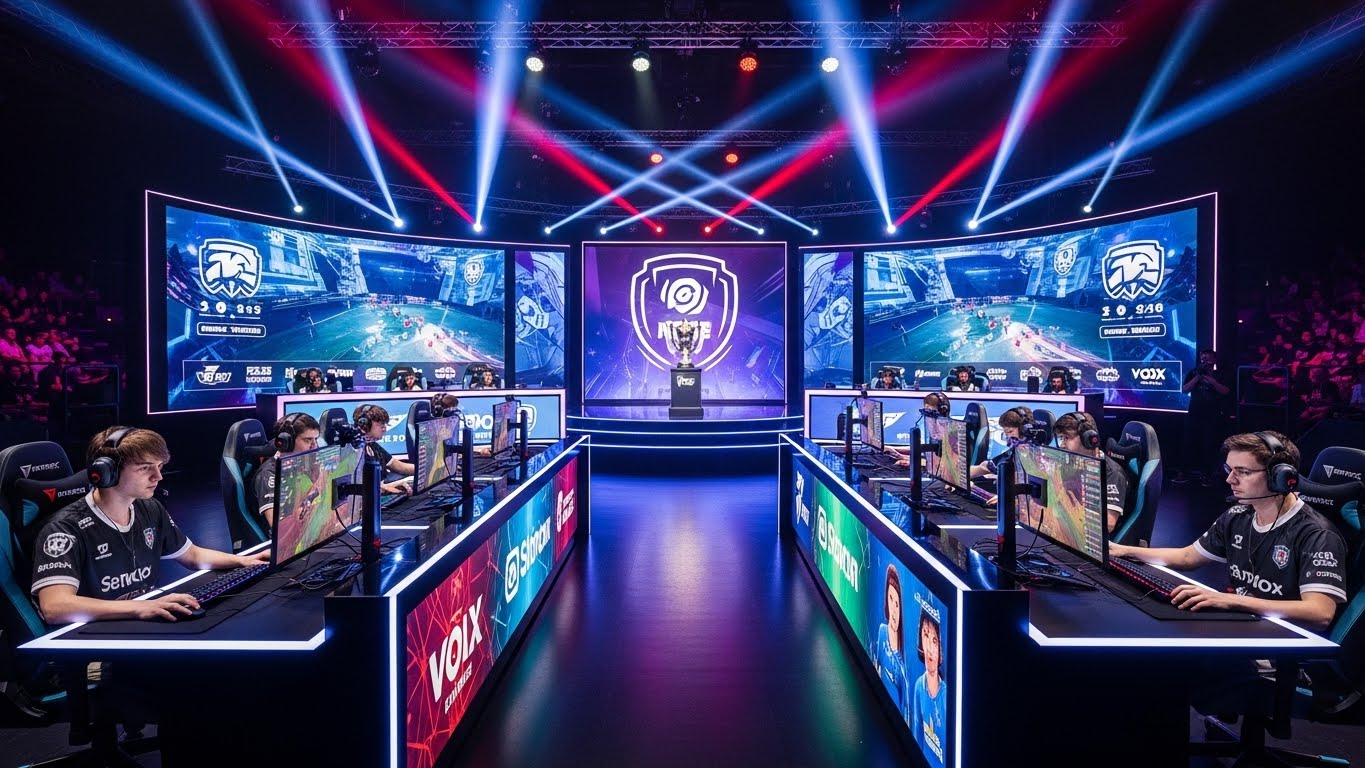
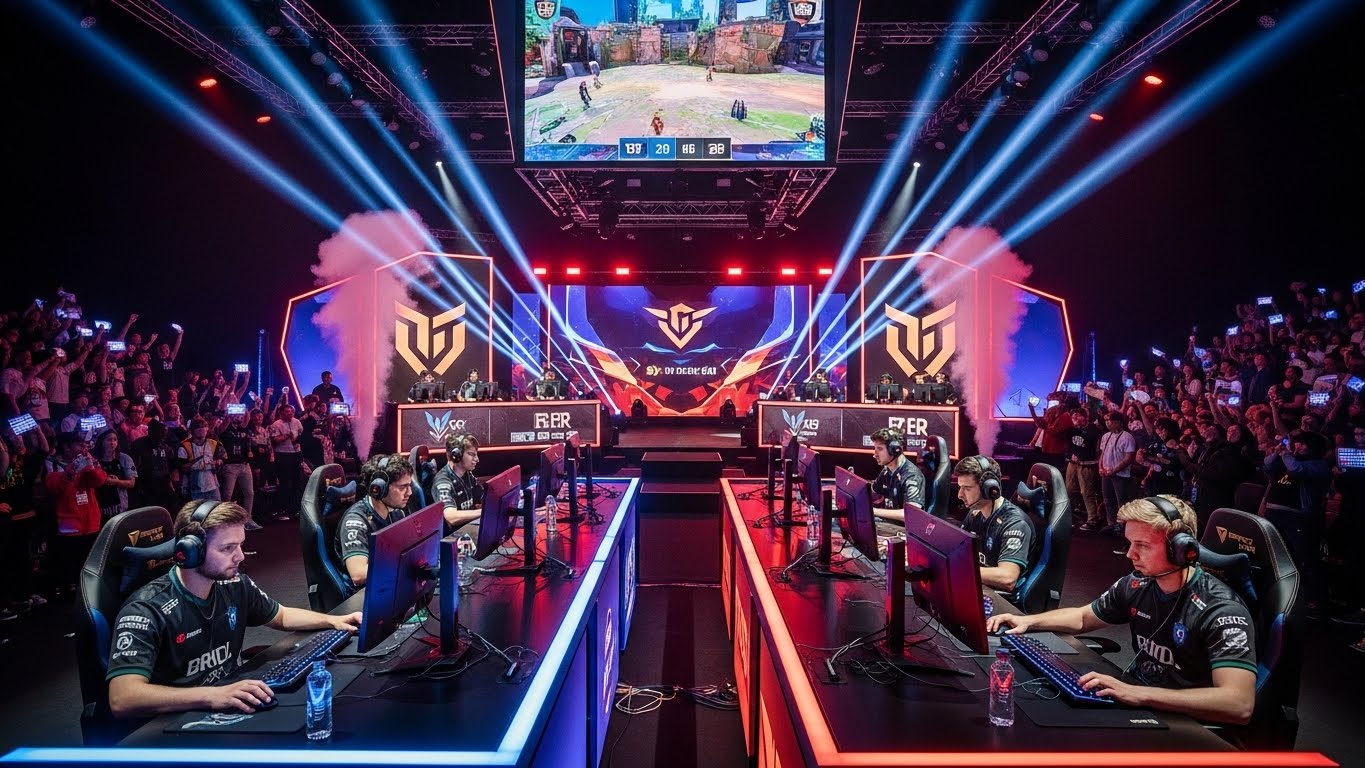
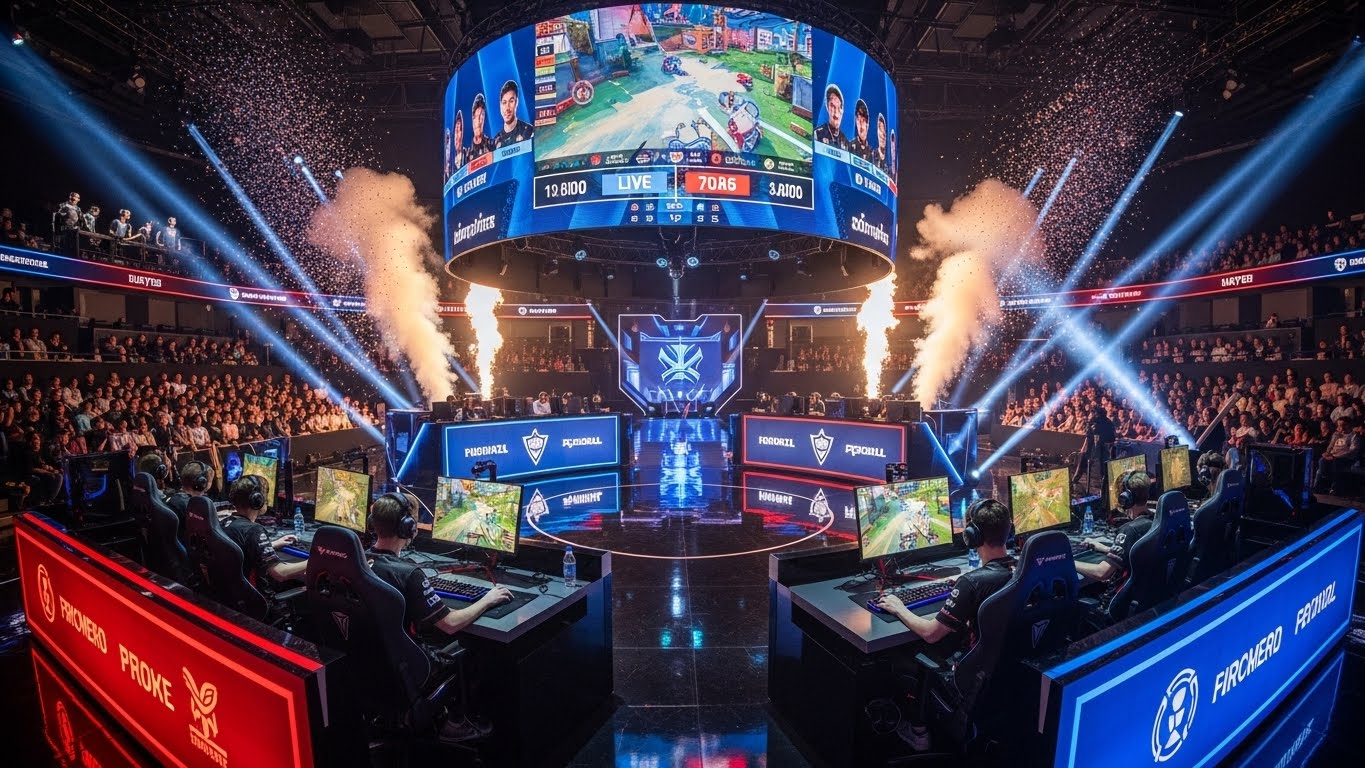
Esports has evolved into a global cultural movement. What started as a niche interest for gamers has now become a mainstream phenomenon. Esports events are held in massive arenas around the world, from the United States to South Korea, and live-streamed to millions of viewers. Players have become celebrities in their own right, with some even gaining recognition beyond the gaming world. Famous esports figures like Faker (Lee Sang-hyeok), who is often referred to as the “Michael Jordan” of League of Legends, have a fanbase that spans across continents.
Moreover, esports has played a crucial role in fostering a sense of community. Fans of teams and players bond over their shared passion for a game or competition. Esports forums, social media platforms, and fan clubs offer spaces for enthusiasts to discuss tactics, share experiences, and celebrate victories together. This sense of belonging is a powerful part of esports’ appeal and has helped bridge generational and cultural divides.
Esports has also been a catalyst for social change. It has given rise to conversations about inclusivity and diversity in gaming, creating space for women, people of color, and marginalized communities. Organizations like the Women’s Esports League and Pride Cup have worked to provide platforms for underrepresented groups to compete and thrive in a traditionally male-dominated industry.
The Future of Esports: What’s Next?
As esports continues to evolve, there are several key trends that could shape its future. One of the most notable developments is the increasing convergence between esports and traditional sports. Major sports organizations such as the NBA and NFL have invested in esports leagues and teams, recognizing the appeal of the younger, digitally native audiences that esports attracts. In 2020, the NBA launched the NBA 2K League, a professional esports league based around the NBA 2K basketball video game, marking a significant step in bringing esports into the mainstream sports world.
The rise of virtual reality (VR) and augmented reality (AR) also has the potential to revolutionize the esports experience. These technologies could provide players with immersive, lifelike experiences and new ways to engage with fans. VR-based games could offer entirely new competitive arenas, and AR could bring interactive elements to live esports events, allowing fans to experience matches in real-time from different perspectives.
In addition, esports is likely to become even more integrated into educational institutions. Many universities now offer scholarships for esports athletes, and academic programs focused on esports management, broadcasting, and game development are becoming more common. This formalized recognition of esports within academia could help develop the next generation of players, coaches, analysts, and content creators, further strengthening the industry.
Finally, with the constant evolution of technology and gaming, the competitive gaming experience is likely to continue innovating. Games will become more complex, leagues will grow in scale, and global audiences will expand. Esports is set to be a dominant force in entertainment for years to come.
Conclusion
Esports has grown from a small subculture to a global entertainment powerhouse. With its rapidly expanding audience, lucrative careers for players and professionals, and the cultural impact it has had, esports is no longer just a pastime for gamers. It is a worldwide phenomenon that brings people together across continents, creating a new kind of sports entertainment that is here to stay. The future looks incredibly bright for the esports industry, with endless possibilities for innovation, growth, and even greater fan engagement. As technology advances, the esports ecosystem will continue to evolve, attracting new generations of players and fans, further solidifying its place as one of the most exciting and dynamic sectors in the world of entertainment.