
 esportsmastersarena62
In recent years, esports has transitioned from a niche hobby to a global cultural phenomenon. Once perceived as a pastime for gaming enthusiasts, competitive gaming now spans continents, generates billions in revenue, and boasts millions of passionate fans. From the rise of gaming tournaments to the rise of professional leagues, esports is an industry that continues to evolve, captivating a generation of digital natives. In this blog post, we’ll explore the growth of esports, its impact on entertainment, and what the future holds for this exciting sector.
The Beginnings of Esports: From Arcade Games to Digital Competitions
Esports, short for electronic sports, has its roots in the early days of gaming. In the 1980s, arcade games such as Space Invaders and Pong offered players the opportunity to compete for high scores. The idea of competition in gaming, however, reached a new level in 1997 when the first major esports tournament took place. The Red Annihilation tournament for the game Quake drew significant attention, not only for its prize pool but for the idea of people playing video games competitively on a large scale.
As the internet began to expand in the late 1990s and early 2000s, online multiplayer games such as StarCraft and Warcraft III became platforms for competitive gaming on a global scale. These games introduced the concept of professional leagues, regional competitions, and international tournaments. Players began to form teams, develop strategies, and compete for large cash prizes. This marked the birth of modern-day esports, though the industry was still in its infancy.
The Growth of Esports: A Digital Revolution
The next significant milestone in the growth of esports came with the rise of League of Legends in 2009. The game’s developer, Riot Games, introduced a competitive framework that included regular seasons, tournaments, and world championships. League of Legends rapidly became one of the most popular games in the world, drawing millions of viewers to its online broadcasts.
As streaming platforms like Twitch gained popularity, esports entered the mainstream. What was once a niche interest for gamers became a global spectacle watched by millions. Twitch, a platform specifically designed for streaming video games, became the go-to platform for esports enthusiasts to watch live matches, interact with players, and follow their favorite teams.
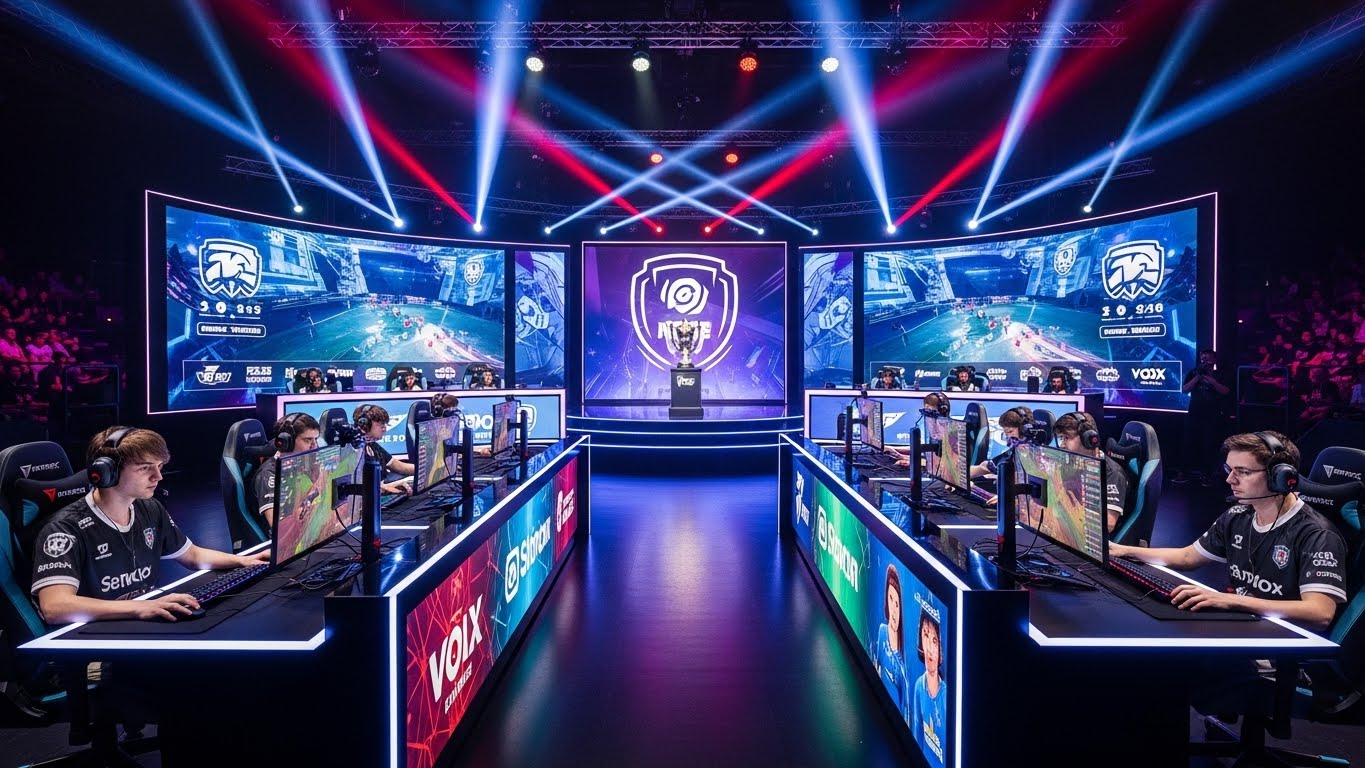
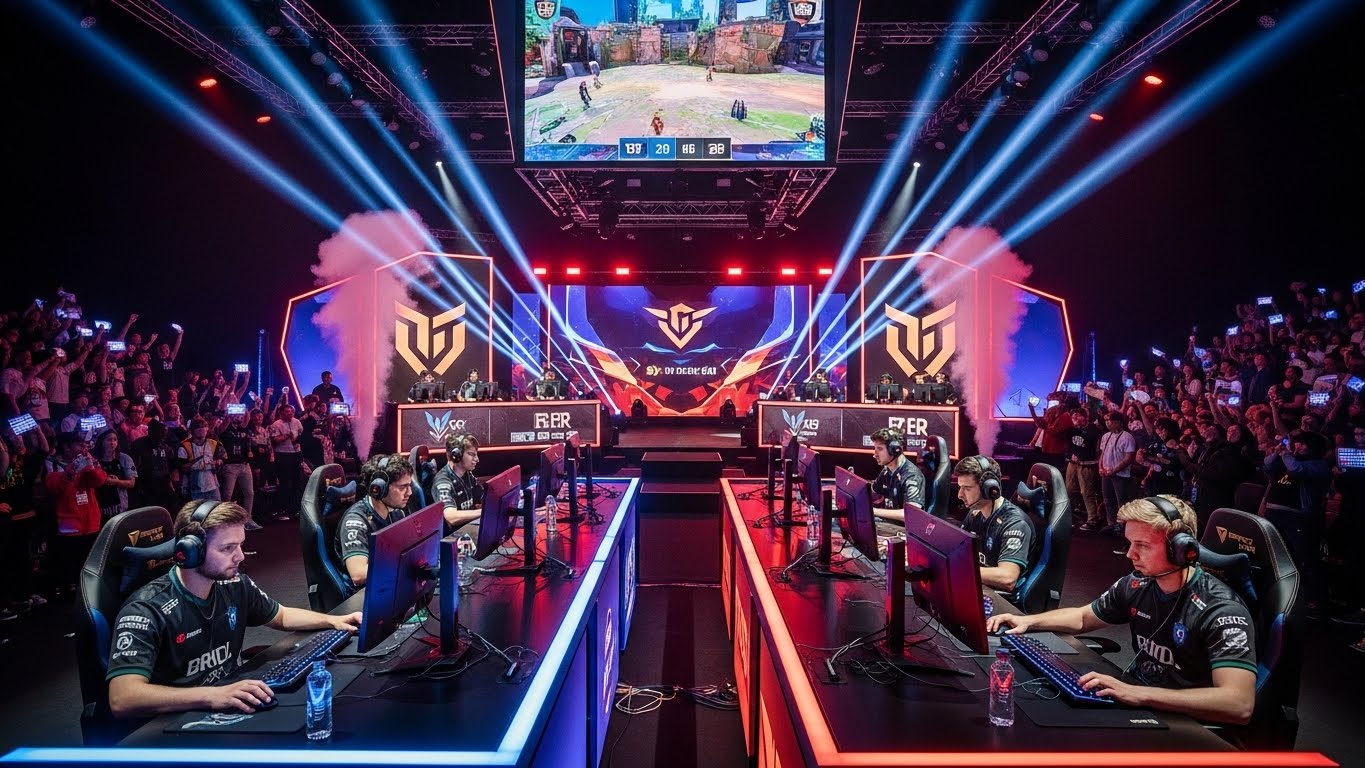
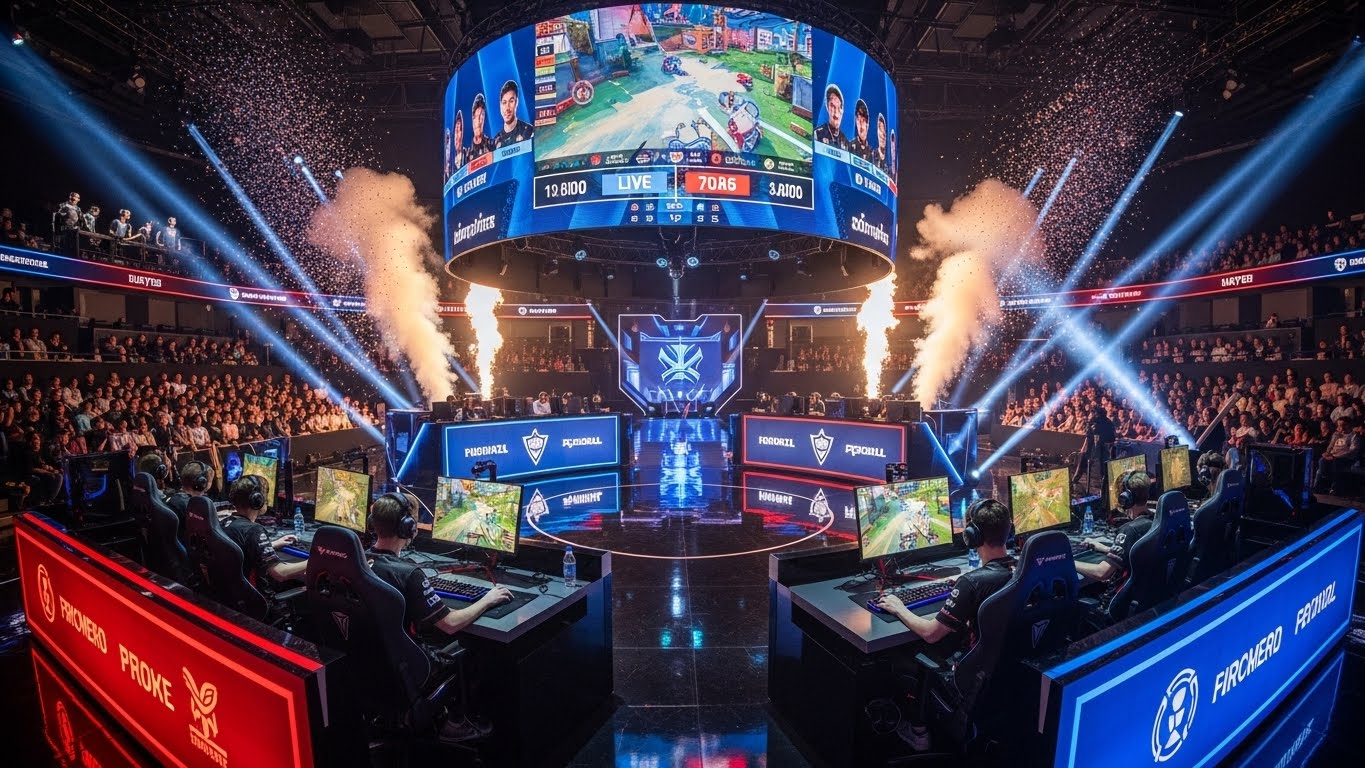
The launch of major international tournaments such as The International (for Dota 2), the League of Legends World Championship, and CS:GO Major Championships also played a key role in the industry’s expansion. These events attracted huge audiences, both in person and online, and featured multi-million-dollar prize pools, high-level competition, and top-tier broadcasting.
The Business of Esports: Investment and Sponsorship
Esports’ rapid rise has led to increased investment from major corporations and a growing ecosystem of sponsors, advertisers, and media companies. Esports organizations, much like traditional sports teams, have attracted investors looking to capitalize on the growing popularity of competitive gaming.
Sponsorships are a key source of revenue for esports teams and players. Companies like Red Bull, Intel, and Coca-Cola have partnered with esports organizations to boost their visibility within the gaming community. Major tech companies have also capitalized on esports’ popularity by designing products tailored to gamers, from gaming chairs to high-performance peripherals and custom-built PCs.
Media companies have also seen the potential in esports, with traditional sports networks such as ESPN and major online streaming platforms, including YouTube and Facebook, securing broadcasting rights to major esports events. This exposure has elevated esports to the same level of mainstream acceptance as traditional sports like basketball, football, and soccer.
The Role of Teams and Players in Esports
Esports is, at its core, a team-based competition. Professional esports teams consist of players who specialize in particular games or genres. These teams often have coaches, analysts, and managers who help players refine their skills and strategies. Some teams have grown so successful that they have become household names in the gaming world, such as Team Liquid, Cloud9, and FaZe Clan.
Players in esports face a level of pressure and dedication similar to that of professional athletes in traditional sports. Many esports players train for hours each day, practicing their skills, learning new strategies, and analyzing their opponents. Competitive gaming requires mental agility, quick reflexes, and the ability to make strategic decisions under pressure.
Esports players are often sponsored by gaming companies and other brands, and many enjoy the same celebrity status as athletes in traditional sports. With the rise of streaming, some players have expanded their reach by broadcasting their gameplay live on platforms like Twitch, growing their fan base and gaining significant influence in the gaming community.
The Impact of Esports on Society and Culture
Esports has had a profound impact on society and culture. It has helped bridge the gap between generations, as older players who grew up playing video games have connected with younger generations through esports tournaments. It has also made gaming more socially acceptable, as the community around esports emphasizes teamwork, strategy, and skill rather than simply “playing games.”
In addition, esports has been a catalyst for the development of professional careers that didn’t exist a few decades ago. Players, analysts, coaches, and streamers all have the opportunity to build careers in the esports ecosystem. The rise of esports has also led to the creation of educational programs and institutions dedicated to esports management, game development, and broadcasting, providing a pathway for students to pursue a career in the industry.
On a global scale, esports has also become a unifying force. Fans from different countries and cultures come together to support their favorite teams and players, transcending language barriers and national borders. Major esports events such as the League of Legends World Championship or The International attract fans from across the globe, celebrating the diversity and passion of the esports community.
Challenges Facing Esports
While esports has seen tremendous growth, the industry is not without its challenges. One of the biggest concerns is the issue of player burnout. Many professional gamers start their careers at a young age, and the pressure to perform at a high level can take a toll on their mental and physical health. There is also a growing concern about the lack of a clear and sustainable career path for esports players. Unlike traditional sports, where players can often transition to coaching, commentating, or front-office roles after retiring, esports players often struggle to find roles once their careers as active competitors come to an end.
Another challenge facing the industry is the issue of regulation. Esports is still in the process of creating standardized rules and regulations, especially in terms of fair play, cheating, and contract agreements. Unlike traditional sports, where governing bodies and leagues enforce strict rules, esports operates in a more fragmented and decentralized environment. This has led to occasional controversies and disputes over player conduct, team management, and prize distribution.
The Future of Esports: Where Is It Headed?
Looking ahead, the future of esports looks incredibly promising. The industry is expected to continue growing, with more tournaments, larger prize pools, and an increasing number of sponsorships. As technology advances, we may see esports integrate with emerging fields such as virtual reality (VR) and augmented reality (AR), creating new, immersive experiences for players and viewers alike.
The rise of mobile gaming is also expected to play a significant role in the future of esports. Mobile games like PUBG Mobile and Free Fire have already gained massive followings, particularly in regions like Southeast Asia and India. As mobile gaming becomes more competitive, it may help diversify the esports landscape and bring new audiences into the fold.
Additionally, there is growing interest in esports becoming part of the Olympic Games. While there is debate over whether esports should be included, some see it as a natural progression, especially given the widespread global appeal of gaming. Whether or not this happens, the inclusion of esports in traditional sporting events and media platforms is likely to continue as esports cements its place in the entertainment landscape.
Conclusion: The Digital Revolution Continues
Esports has evolved from humble beginnings into a multi-billion-dollar industry, changing the way we view competitive gaming and entertainment. With its global reach, professional structure, and dedicated fan base, esports is here to stay. As technology, investment, and talent continue to fuel its growth, esports will undoubtedly continue to redefine the boundaries of what competitive gaming can be. Whether you’re a casual viewer or a die-hard fan, one thing is certain: the digital arena is only getting started.