
 esportsmastersarena62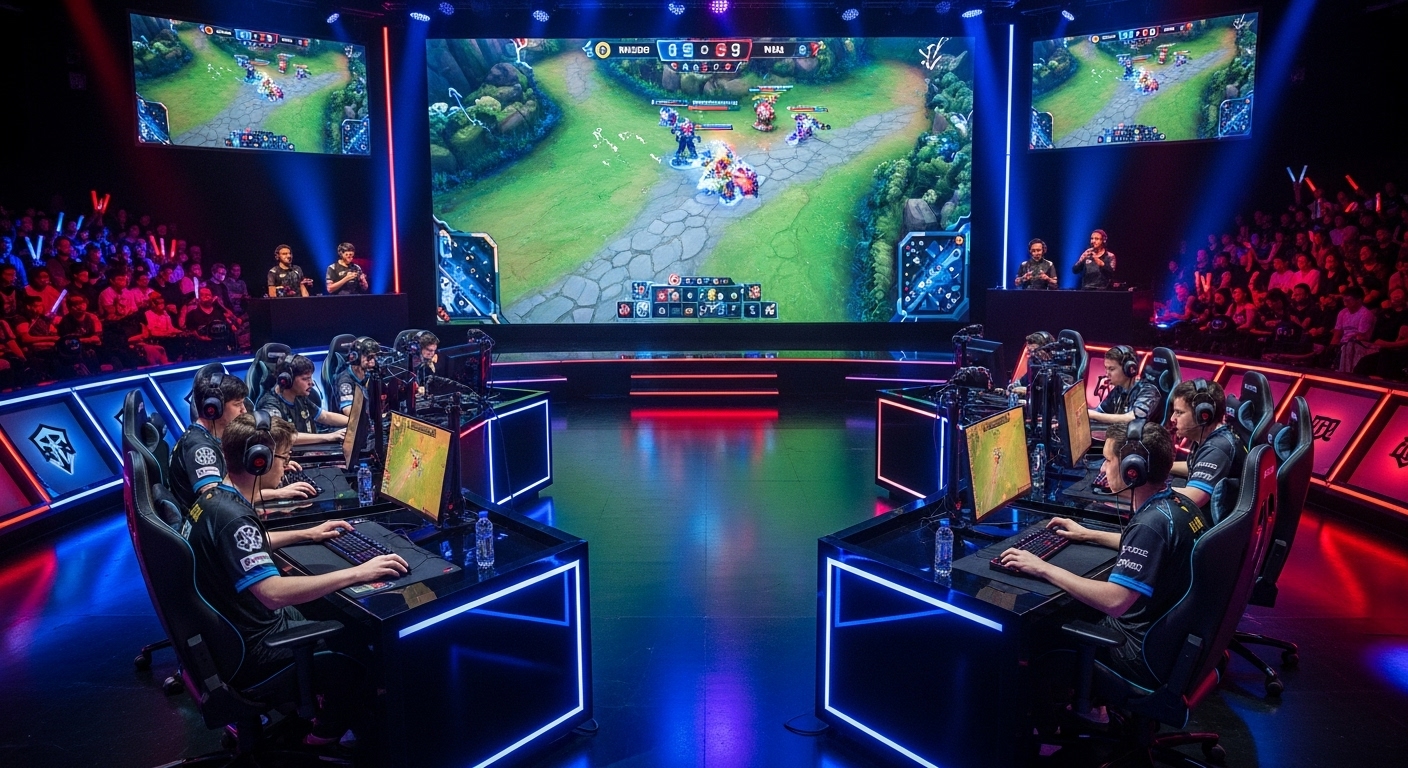
In just a few short years, esports has gone from a niche interest to a mainstream global phenomenon. What once existed as a passion project for a select group of gamers has now become a billion-dollar industry with millions of fans, professional players, and large-scale tournaments. From gaming enthusiasts tuning in to watch their favorite players and teams compete, to global brands and organizations investing heavily in the esports sector, the world of competitive gaming is changing rapidly. In this blog post, we’ll dive into how esports has evolved, what makes it so exciting, and where it’s headed in the future.
The Evolution of Esports: From Hobby to Global Industry
Esports, short for electronic sports, refers to organized multiplayer video game competitions, particularly between professional players or teams. While the roots of competitive gaming go back as far as the early 1970s, it wasn’t until the 2000s that esports began to gain significant traction. Games like StarCraft, Warcraft III, and Counter-Strike led the charge, with tournaments held at small venues and viewed by a passionate but limited audience.
Fast forward to today, and esports is a multi-billion-dollar industry. Major tournaments such as The International for Dota 2, the League of Legends World Championship, and Fortnite tournaments offer prize pools worth millions, attracting global audiences both online and in person. The accessibility of streaming platforms like Twitch, YouTube, and Facebook Gaming has contributed to this growth, providing fans with live, real-time coverage of esports events, making competitive gaming more accessible than ever before.
Esports as a Career Path: Turning Passion into Profession
For many, gaming has always been more than just a hobby. Today, it’s an actual career path. Professional esports players now train like athletes, dedicating hours each day to refining their skills, learning strategies, and participating in rigorous practice sessions. The top esports players compete at the highest level, representing teams or competing individually for huge cash prizes and sponsorship deals.
Being a professional esports athlete isn’t the only career path in the industry. As esports has grown, so too have the opportunities for people in a wide range of roles. Team coaches, analysts, event organizers, content creators, and even commentators have all found their place in the ecosystem. The expansion of the esports world has created a vibrant job market, offering opportunities for individuals with skills in areas such as marketing, media production, and social media management.
For young gamers, esports has become a legitimate career option. Universities around the world now offer scholarships for esports players, and esports-focused academic programs are growing in popularity. It’s no longer just about playing games—it’s about building a brand, developing a following, and leveraging those skills to create a long-lasting career in the gaming industry.
The Explosion of Esports Tournaments and Global Audiences
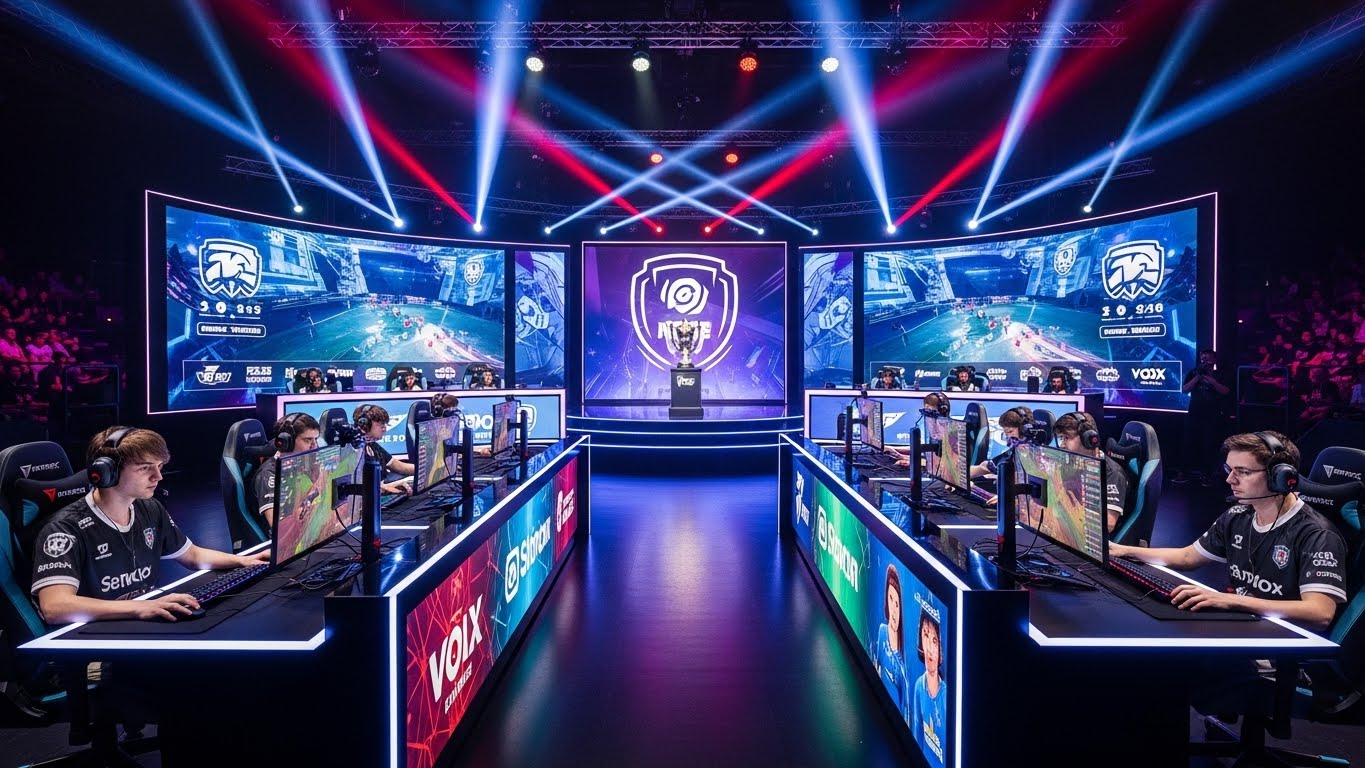
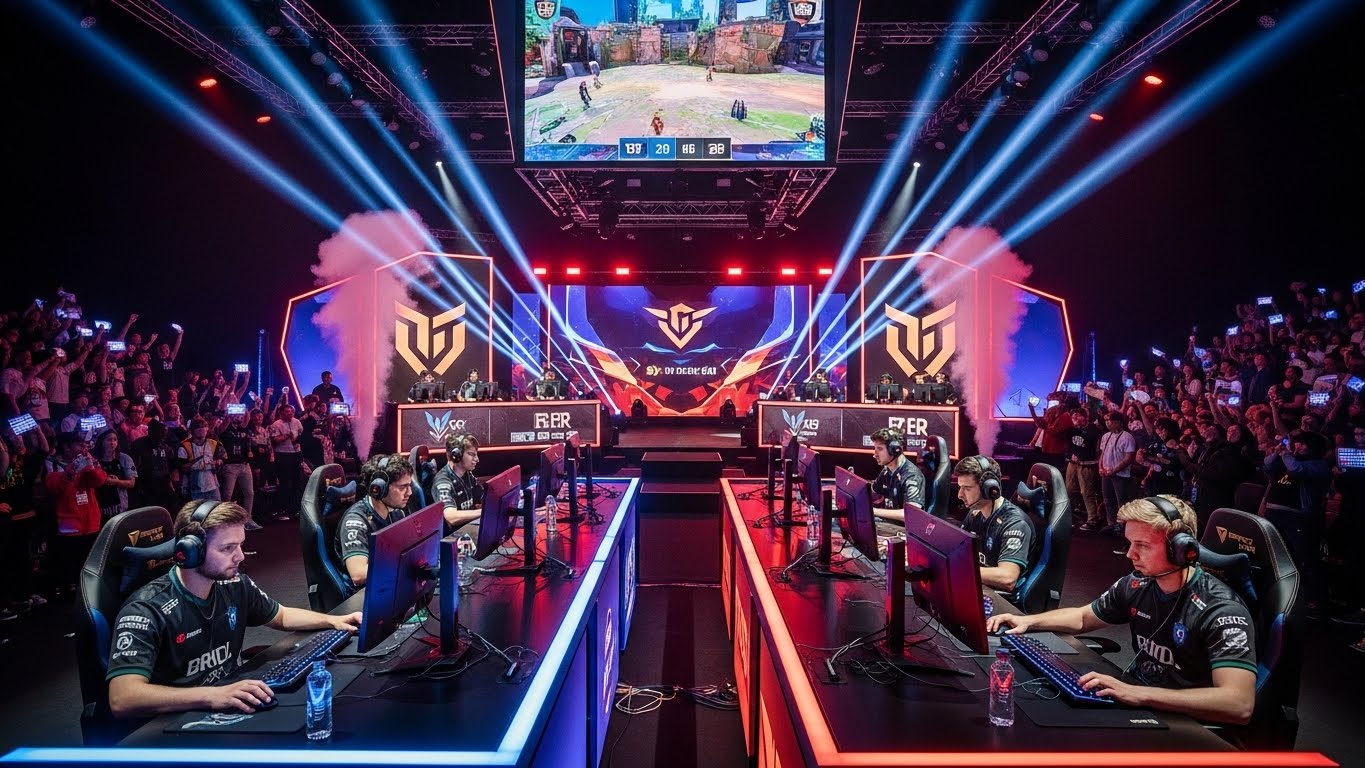
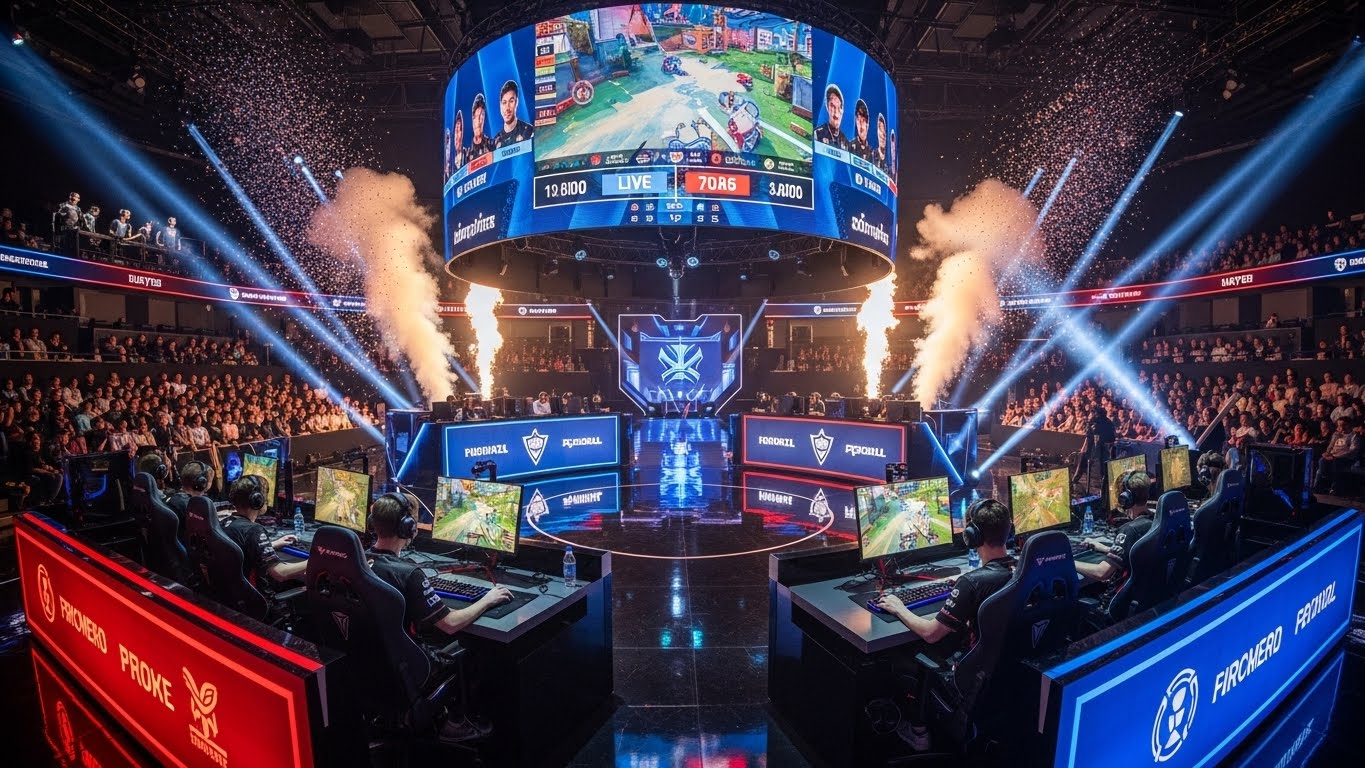
Esports tournaments have evolved from small, local events to massive, international spectacles. The rise of tournaments such as The International, League of Legends Worlds, and Overwatch League has brought competitive gaming into the limelight. These events attract hundreds of thousands of fans in person and millions more watching online.
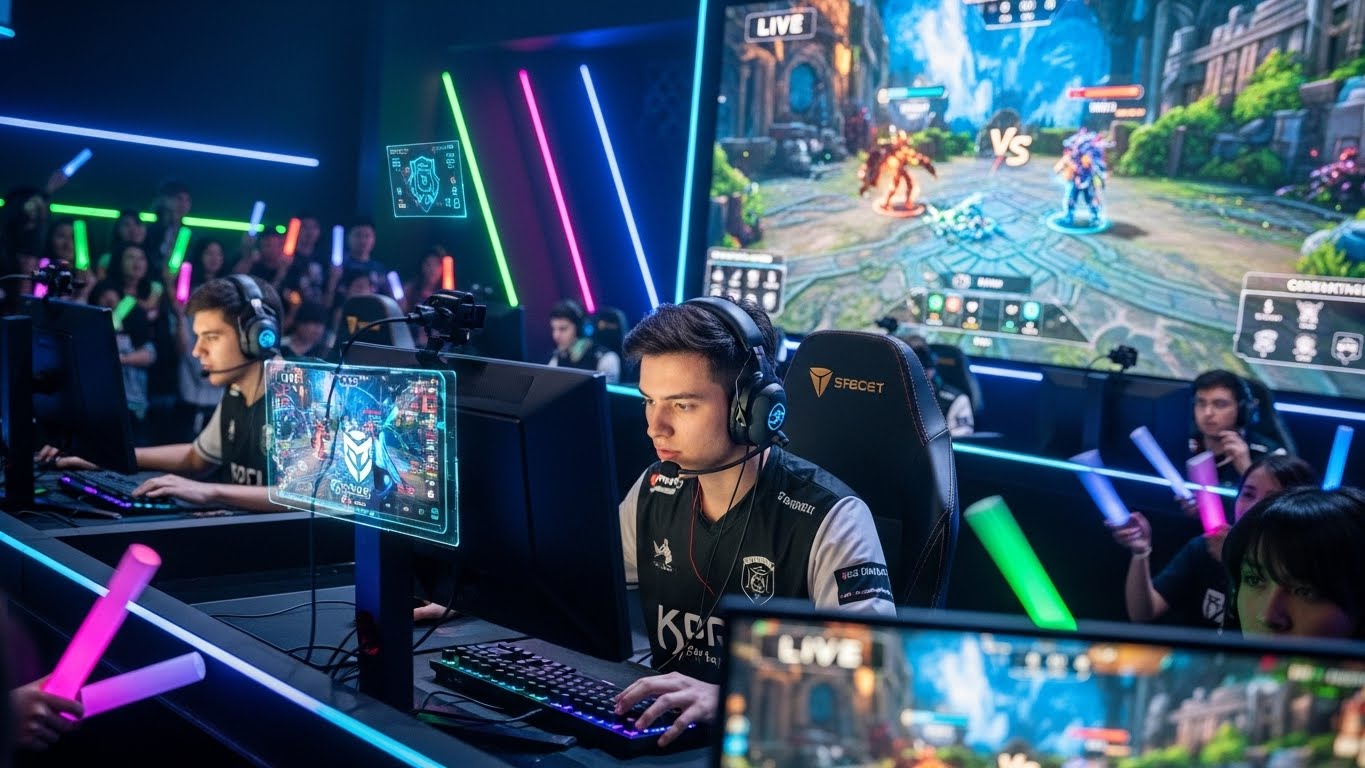
What sets esports apart from traditional sports tournaments is the online community’s ability to engage with players and teams. Live streaming has enabled fans to tune into matches from anywhere in the world, watching their favorite players in real time. Fans can interact with commentators, share their thoughts in chat rooms, and support players through donations, making the experience more immersive.
The prize pools in these tournaments are also on another level. In 2021, The International had a prize pool that exceeded $40 million, making it one of the largest in esports history. The rise of sponsorships from global brands like Intel, Red Bull, Coca-Cola, and Nike has further amplified the scale and prestige of these competitions, bringing a level of professionalism to esports that mirrors traditional sports.
Esports and Streaming: The New Age of Entertainment
The relationship between esports and streaming is undeniable. Streaming platforms like Twitch, YouTube Gaming, and Facebook Gaming have been integral in growing the esports community. They allow fans to watch live events, interact with players, and become part of the gaming culture.
Streaming has brought esports closer to the fans. Viewers can watch high-stakes matches, participate in real-time discussions, and even influence gameplay through chat features or donations. Esports streaming also offers unique content, including behind-the-scenes footage, training streams, and player Q&As, making it an interactive experience that goes beyond just watching a game.
Top streamers and pro players often build personal brands that extend beyond esports. They make a living not just from tournament winnings, but also from streaming content, brand endorsements, and live interactions with their followers. The rise of these personalities has helped bridge the gap between esports and mainstream entertainment, making competitive gaming a cultural touchstone for millions.
The Role of Sponsorships and Media in Esports Growth
As esports continues to grow, it’s attracting the attention of major companies and media outlets. Sponsorships from tech giants, beverage companies, and global brands have become a driving force behind the industry’s expansion. Companies like Intel, Dell, and Razer are not only sponsoring tournaments but also creating gaming-specific products and technologies to cater to this growing market.
The media landscape is also shifting, with major sports networks and traditional broadcasters beginning to recognize the value of esports. ESPN, TBS, and other networks have started broadcasting esports events, bringing competitive gaming to a wider, mainstream audience. Additionally, platforms like Twitch, YouTube, and Facebook Gaming have evolved into essential hubs for gaming content, providing fans with access to live matches, commentary, and exclusive shows.
These sponsorships and media deals contribute to the overall professionalism of esports. They help fund the high-level competitions, provide players with the necessary resources to train and compete, and generate exposure for teams and games. With the financial backing of major companies and media outlets, esports has cemented its place as a legitimate form of entertainment.
The Global Appeal of Esports: Uniting Players and Fans Worldwide
One of the most remarkable aspects of esports is its global reach. Unlike traditional sports, which are often limited by regional boundaries, esports transcends geographical barriers. Players from all over the world can compete against one another, and fans from different countries can come together to watch and support their favorite teams.
Esports tournaments are held across the globe, from North America and Europe to Asia and South America, and they draw audiences from all corners of the earth. Games like League of Legends, Dota 2, and CS:GO have become international phenomena, with player bases and fan communities spanning continents. The accessibility of online gaming has made it easier for individuals from different cultural backgrounds to connect, compete, and form lasting friendships within the esports community.
This global connectivity also provides a unique opportunity for cross-cultural collaboration. Esports tournaments bring together players, fans, and sponsors from diverse backgrounds, creating a melting pot of ideas and innovations that help the industry grow. As a result, esports is not just about the game—it’s about building a worldwide community that shares a love for competition and gaming.
The Future of Esports: Where Is It Headed?
As esports continues to evolve, its future looks even more exciting. New technologies, such as virtual reality (VR) and augmented reality (AR), are expected to play a huge role in the next phase of esports. These technologies could provide players and fans with immersive experiences, blurring the lines between the physical and digital worlds and creating new forms of competitive gaming.
We may also see the continued rise of mobile esports. With the increasing power of smartphones and tablets, mobile gaming has become a dominant force in the esports scene. Games like PUBG Mobile, Arena of Valor, and Mobile Legends have proven that competitive gaming is not limited to PCs and consoles. The rise of mobile esports could make competitive gaming even more accessible, allowing players to compete on a global stage from the palm of their hand.
Additionally, the growth of esports in education, with universities offering esports scholarships and creating competitive teams, will continue to nurture the next generation of esports professionals. More and more young people are seeing esports as a viable career path, and as the industry matures, opportunities for players and staff will only expand.
Conclusion: Esports Is Just Getting Started
Esports has come a long way in a short period of time, but this is just the beginning. The rise of competitive gaming has sparked a revolution in entertainment, sports, and even education. With its global reach, diverse community, and rapidly growing industry, esports is changing the way we think about competition, teamwork, and entertainment.
As new technologies, partnerships, and innovations continue to shape the landscape, esports will only continue to grow. Whether you’re a die-hard fan, an aspiring pro player, or simply someone who enjoys watching a game unfold, esports offers something for everyone. The future of competitive gaming is bright, and there’s no telling how far it will go. The esports revolution is here, and it’s only getting started.