
 esportsmastersarena62
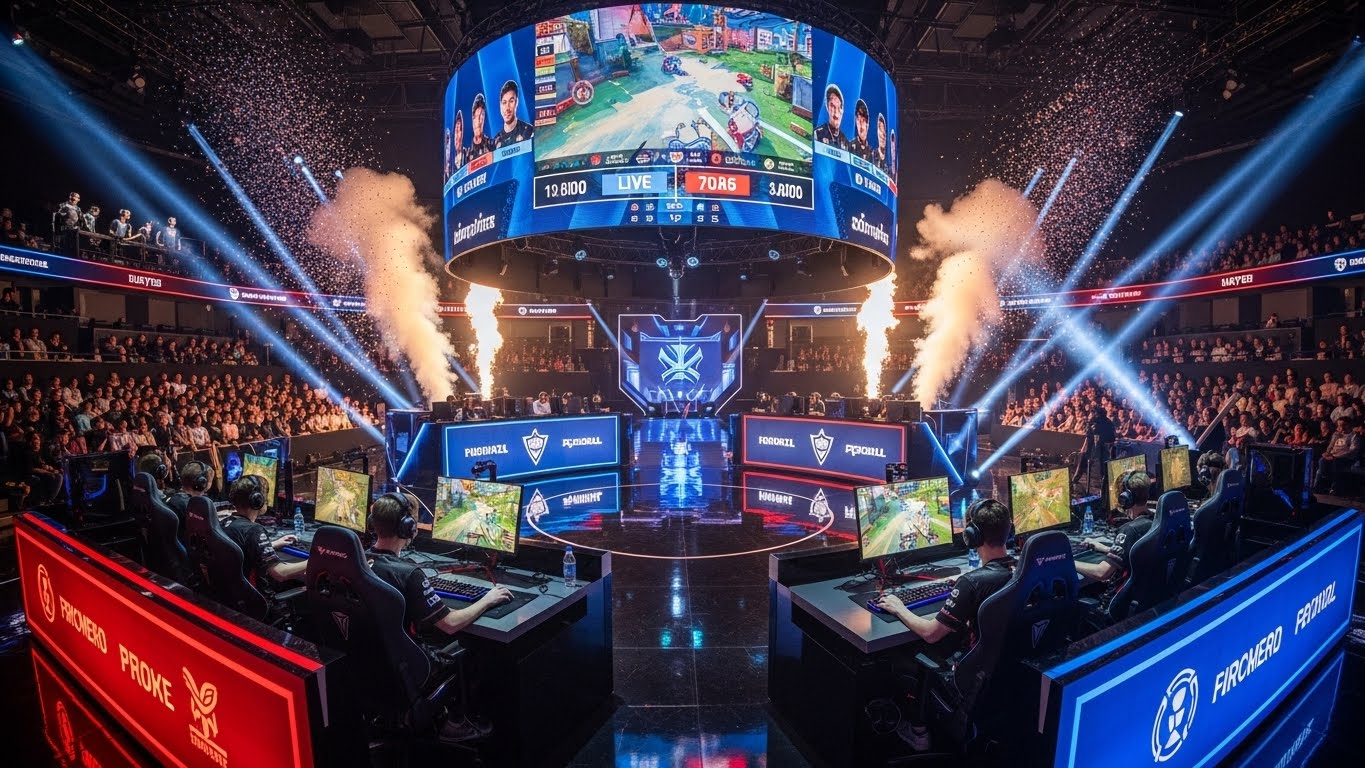
Esports has emerged as one of the fastest-growing forms of entertainment in the digital age. What once began as casual gaming among friends has transformed into a multi-billion-dollar industry with professional players, global tournaments, and millions of spectators worldwide. The rise of esports represents not just a shift in entertainment but also a cultural phenomenon, where skill, strategy, and teamwork are celebrated on a virtual stage.
In this blog, we will explore the evolution of esports, its impact on players and audiences, the business behind the scenes, and what the future holds for this thriving industry.
The Origins of Esports: From Arcade Rooms to Online Battlegrounds
The roots of competitive gaming can be traced back to the 1970s and 1980s, when arcades became popular social hubs for gamers. Titles like Space Invaders and Pac-Man sparked friendly competitions, with high scores displayed on leaderboards. These early contests may have been modest, but they laid the foundation for the competitive spirit that defines esports today.
As personal computers and home consoles became more accessible, multiplayer gaming took off. Games like Counter-Strike, StarCraft, and Street Fighter introduced a new era of competition, where strategy, skill, and precision determined victory. With the advent of the internet, players could now compete across cities, countries, and continents, turning casual gaming into a global phenomenon.
The Evolution of Professional Esports
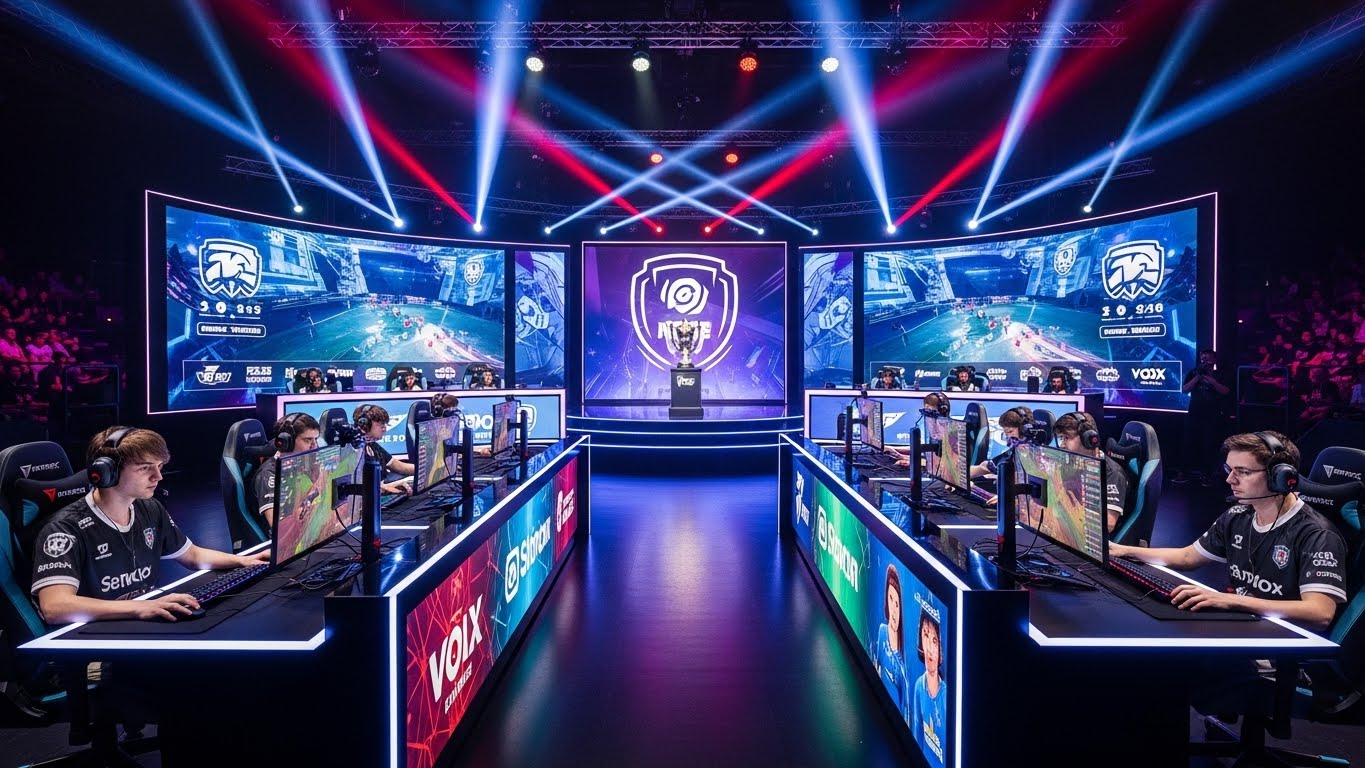
Esports evolved rapidly in the 2000s, with the formation of professional leagues and tournaments. Players began to specialize, dedicating countless hours to mastering their chosen games. Titles like League of Legends, Dota 2, and Overwatch became staples of competitive gaming, attracting audiences who were captivated by the skill, drama, and spectacle of high-level play.
Professional esports teams emerged, complete with managers, coaches, and analysts. Players started earning salaries, sponsorship deals, and prize money, transforming gaming into a viable career path. Esports was no longer a niche hobby — it became a legitimate sport with dedicated fans, media coverage, and international recognition.
The Rise of Streaming: Connecting Players and Fans
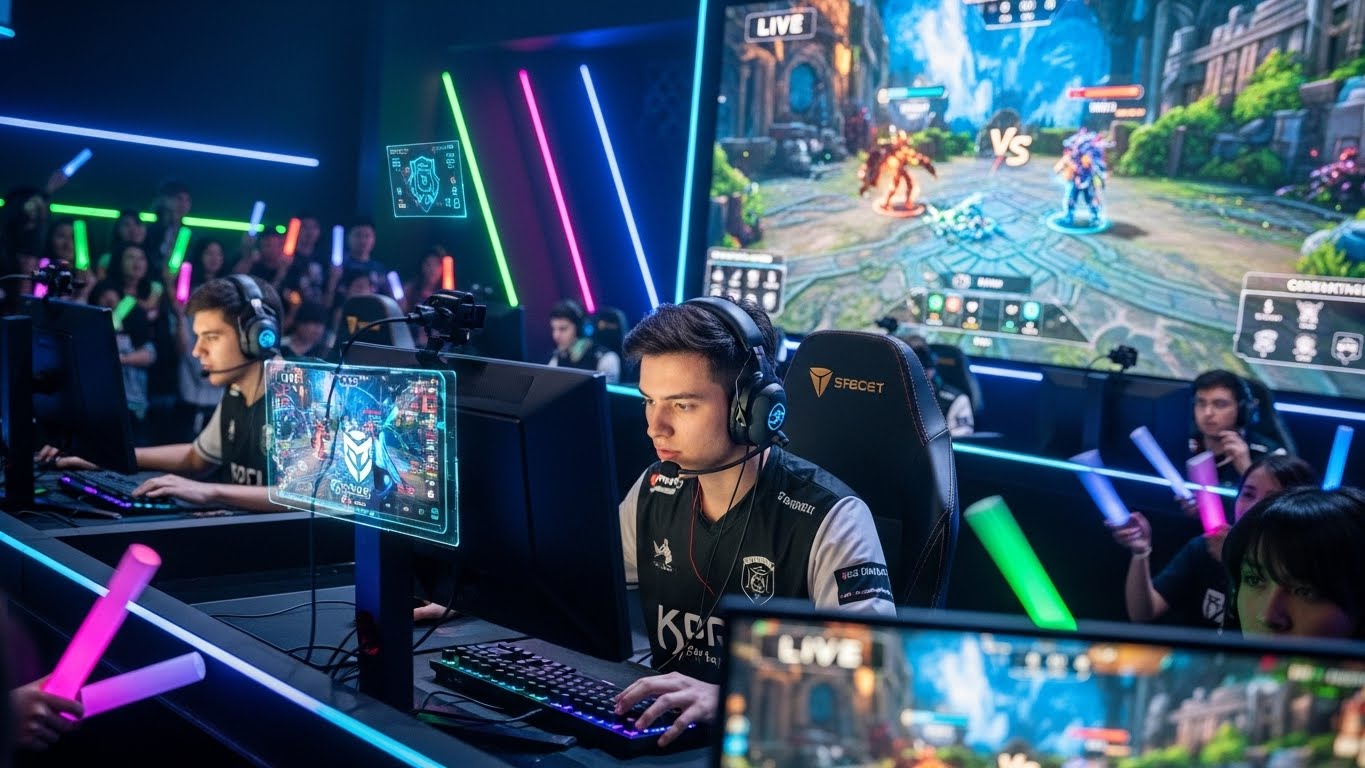
Streaming platforms revolutionized esports by allowing audiences to watch live gameplay from anywhere in the world. Platforms such as Twitch, YouTube Gaming, and other streaming services created direct connections between players and fans. Viewers could watch live matches, interact with players through chat, and even learn strategies by observing the best in the game.
This direct interaction turned esports into a social experience. Fans could support their favorite players, comment on plays in real-time, and become part of the community. Streaming also provided opportunities for amateur players to showcase their skills and potentially enter the professional scene, democratizing access to competitive gaming.
Popular Esports Titles and Their Competitive Appeal
Esports encompasses a variety of genres, each attracting its own audience. Multiplayer online battle arena (MOBA) games, like League of Legends and Dota 2, focus on teamwork, strategy, and map control. First-person shooters (FPS), such as Counter-Strike: Global Offensive and Call of Duty, highlight precision, reflexes, and tactical awareness.
Other popular esports genres include fighting games, real-time strategy games, and sports simulations. Each game type offers unique challenges and appeals to different kinds of players and spectators. Despite the differences, what unites all esports is the emphasis on skill, competition, and entertainment.
The Economics of Esports: A Multi-Billion-Dollar Industry
Esports has become a major economic force, attracting investment from sponsors, media companies, and event organizers. Revenue streams include tournament prize pools, advertising, merchandise sales, and streaming subscriptions. High-profile tournaments, such as The International for Dota 2 or the League of Legends World Championship, feature prize pools reaching tens of millions of dollars.
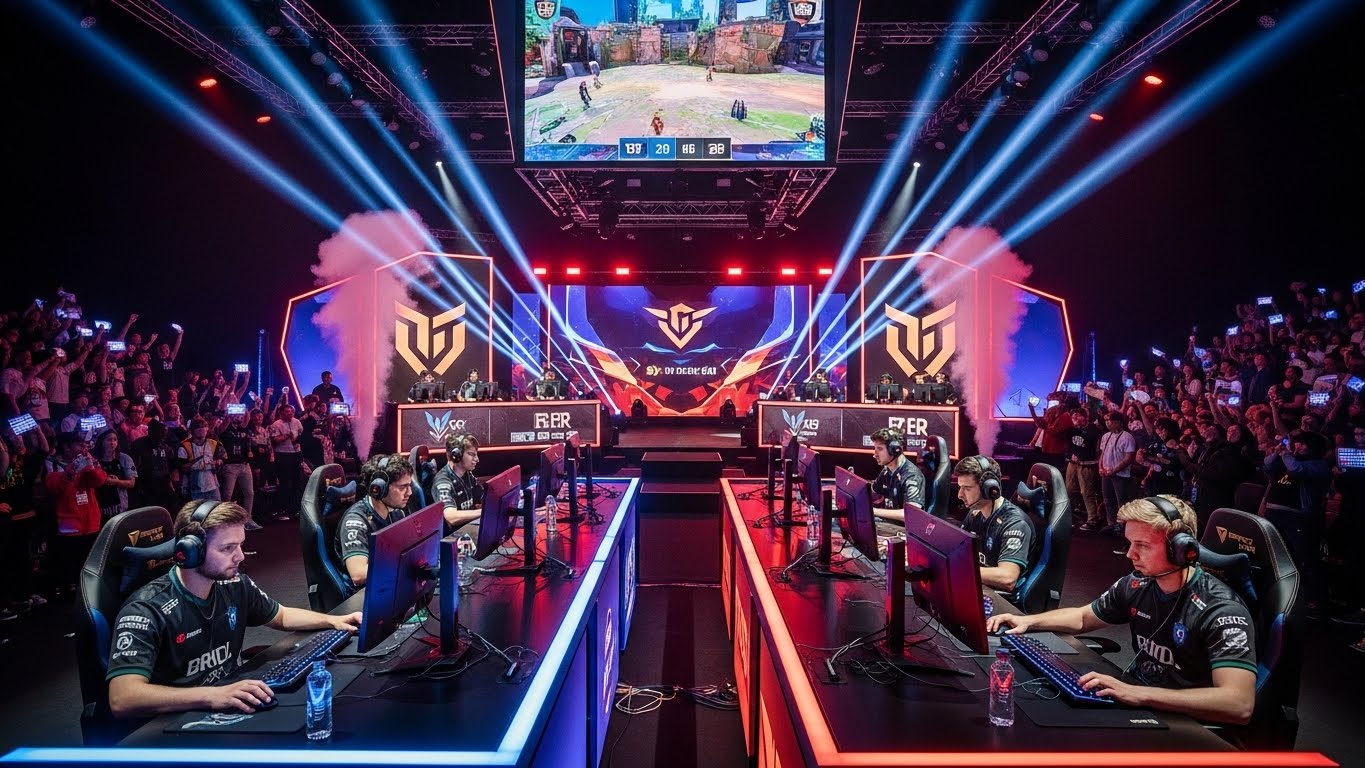
Sponsorship deals play a significant role in the growth of esports. Brands from gaming peripherals to global corporations invest heavily in teams, events, and streaming content. The industry also benefits from ticket sales for live events, with stadiums hosting thousands of fans cheering for their favorite teams.
The business side of esports is complex, with media rights, content licensing, and brand partnerships shaping the modern competitive gaming landscape. As esports continues to grow, its economic impact is expected to rival or even surpass traditional sports in the coming years.
Esports and Player Development
Becoming a professional esports player requires more than just skill with a controller or keyboard. Players undergo rigorous training, often practicing for several hours each day to refine strategies, improve reflexes, and enhance teamwork. Just like traditional athletes, esports players rely on mental toughness, discipline, and physical conditioning to perform at the highest level.
Teams employ coaches, analysts, and psychologists to help players maintain peak performance. Nutrition, exercise, and mental health are crucial aspects of a player’s regimen. This professionalization of gaming has elevated esports from casual play to a serious competitive pursuit, demanding dedication and resilience.
The Cultural Impact of Esports
Esports has grown into a cultural phenomenon that influences entertainment, fashion, and even education. Fans idolize professional players as role models, while tournaments and conventions create opportunities for social interaction and shared experiences. Gaming culture has expanded into streaming personalities, fan art, merchandise, and cosplay, creating vibrant communities that celebrate creativity and passion.
In some regions, esports has gained recognition as an official sport, with schools and universities offering scholarships for talented players. This legitimization reflects a growing societal acceptance of competitive gaming as a meaningful and respected pursuit.
Challenges in the World of Esports
Despite its rapid growth, esports faces several challenges. Player burnout is a major concern, as the demands of practice and travel can take a toll on mental and physical health. Unlike traditional sports, esports lacks standardized regulations, leading to inconsistencies in player treatment, contracts, and tournament rules.
Cheating, hacking, and online harassment are additional challenges that threaten the integrity of the competitive environment. Event organizers, game developers, and governing bodies must work together to ensure fair play and safety for both players and audiences.
The Role of Technology in Esports
Technology plays a central role in the rise and sustainability of esports. High-performance computers, gaming peripherals, and fast internet connections enable smooth gameplay and professional competition. Streaming technology allows global audiences to experience live events in high definition, while analytics tools help teams refine strategies and evaluate player performance.
Virtual reality and augmented reality are also beginning to influence competitive gaming, opening the door to new immersive experiences. Artificial intelligence can assist in matchmaking, skill assessment, and even game design, further enhancing the esports ecosystem.
The Global Expansion of Esports
Esports is no longer limited to specific regions; it has become a truly global phenomenon. South Korea pioneered professional gaming in the late 1990s, creating a model for competitive leagues and stadium-sized esports events. Today, countries across North America, Europe, and Asia have established thriving esports communities, leagues, and tournaments.
International competitions bring players from different cultures together, fostering global camaraderie and competition. This worldwide reach has made esports an inclusive and unifying activity, bridging gaps across nations and communities.
Esports and Education: Learning Through Gaming
Esports is increasingly influencing education by promoting skills such as critical thinking, problem-solving, and teamwork. Some schools have introduced esports programs and clubs to engage students in structured gaming environments. Universities offer esports scholarships, attracting talented players while also teaching business, management, and marketing related to the industry.
These educational initiatives highlight the potential of esports to teach transferable skills beyond gaming, including communication, strategic planning, and digital literacy. By integrating esports into learning, educators can connect with students in ways that traditional methods may not.
The Future of Esports: What Lies Ahead
The future of esports is bright, with innovation driving growth and evolution. Advances in technology will continue to enhance gameplay, streaming, and audience engagement. Virtual reality tournaments, AI-assisted coaching, and interactive live events may become standard features of competitive gaming.
Esports may also continue to intersect with traditional sports, entertainment, and media, creating hybrid experiences that attract diverse audiences. As investment grows and more institutions recognize competitive gaming, esports could become as mainstream and culturally significant as any professional sport.
The potential for social impact is also significant. Esports can provide career opportunities, foster communities, and promote education. With responsible growth and regulation, esports has the ability to shape culture, economy, and innovation for decades to come.
Conclusion: Esports as a Defining Feature of Modern Entertainment
Esports has transformed the way we view competition, skill, and entertainment. From arcade high scores to global championships with millions of viewers, it has grown into a sophisticated industry that blends technology, culture, and athleticism.
The rise of esports reflects the broader evolution of society in the digital era. It demonstrates the power of technology to connect people, create opportunities, and celebrate human potential. More than just a game, esports has become a platform where talent, strategy, and passion converge to redefine what it means to compete in the modern world.
As esports continues to evolve, one thing remains clear: the digital arena is here to stay, and it will continue to inspire, entertain, and challenge players and audiences alike for generations.