
 esportsmastersarena62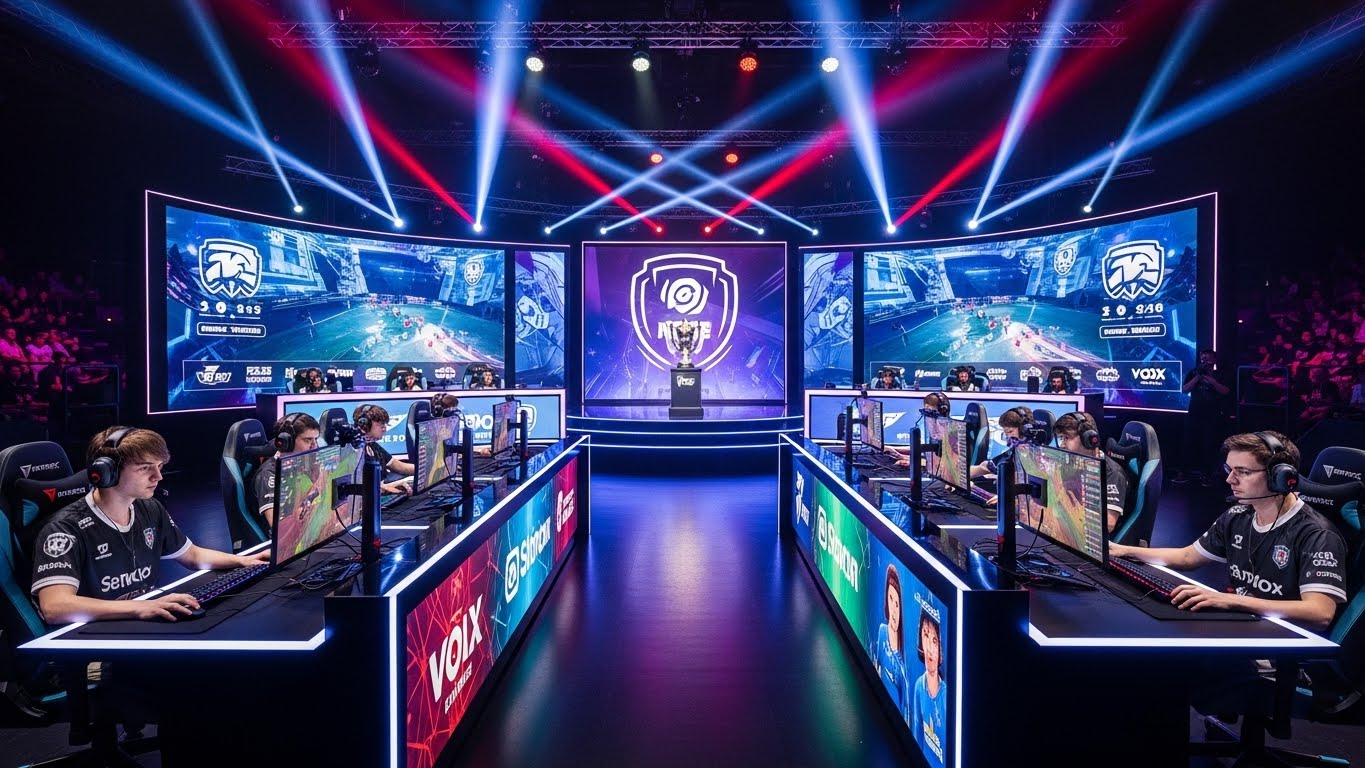
Introduction: The Dawn of a New Sporting Era
Esports, or competitive gaming, has emerged as one of the most dynamic and rapidly growing entertainment industries in the world. What once began as casual gaming competitions among friends has transformed into a professional and highly lucrative sector attracting millions of players and fans globally. With high-profile tournaments, sponsorships, and live streaming platforms, esports has evolved into a serious career path and cultural phenomenon. This blog explores the history, growth, economic impact, and future potential of esports, highlighting why it is more than just a pastime.
The Origins of Esports: From Arcades to Online Arenas
The roots of esports can be traced back to the early days of video gaming. In the late 1970s and early 1980s, arcades became popular gathering spots where players competed in games like Space Invaders and Pac-Man. The first organized gaming tournaments, such as the Space Invaders Championship in 1980, attracted thousands of participants and set the stage for competitive gaming. As technology advanced, home consoles and PCs enabled broader access to games, and online multiplayer platforms created new opportunities for competition. Titles like StarCraft, Counter-Strike, and Warcraft became iconic in establishing competitive gaming communities and formal tournament structures.
The Growth of Professional Esports
Professional esports has grown exponentially over the last two decades. Players now dedicate themselves to full-time training schedules similar to traditional athletes. Professional leagues, such as the League of Legends Championship Series and the Call of Duty League, provide structured platforms where teams compete for substantial prize pools. Sponsorship deals, brand endorsements, and streaming revenue have created lucrative opportunities for top-tier players. Esports organizations operate much like traditional sports franchises, with coaching staff, analysts, and marketing teams supporting their roster. The competitive landscape continues to expand globally, with regions like South Korea, China, North America, and Europe dominating the scene.
Major Esports Titles and Their Impact
Certain games have played a pivotal role in shaping the esports ecosystem. Multiplayer online battle arena games, first-person shooters, and sports simulators are among the most competitive genres. League of Legends is known for its strategic depth and team coordination, while Counter-Strike: Global Offensive emphasizes precision, reflexes, and tactical play. Fortnite introduced a younger audience to esports with its high-energy battle royale format and global events. Each title cultivates its own community, ruleset, and tournament structure, demonstrating the diversity and adaptability of esports as a competitive platform. These games are not just entertainment; they are cultural touchstones for millions of fans worldwide.
Esports as a Career: Opportunities and Challenges
Becoming a professional esports player is no longer seen as unrealistic. With structured training regimens, coaching, and sponsorship opportunities, dedicated players can pursue esports as a sustainable career. Beyond professional players, careers in streaming, content creation, event management, and game development provide additional pathways into the industry. However, the competitive nature of esports brings challenges, including burnout, physical strain, and mental health pressures. Organizations are beginning to invest in player well-being and support systems, recognizing that long-term success requires a balance between performance and health.
Streaming and the Role of Online Platforms
Live streaming has revolutionized how audiences engage with esports. Platforms such as Twitch and YouTube Gaming allow fans to watch tournaments, follow favorite players, and interact with communities in real time. Streaming has turned many esports personalities into influencers, creating opportunities for brand partnerships and additional revenue streams. The accessibility of live streaming has also democratized esports, enabling smaller tournaments and amateur players to gain recognition and grow their fanbase. The interactive nature of streaming, combined with commentary and analysis, has contributed significantly to esports’ mainstream appeal.
The Economic Impact of Esports
Esports has become a multi-billion-dollar industry with a global reach. Revenue comes from sponsorships, advertising, merchandise sales, ticketed events, and media rights. Major tournaments, such as The International for Dota 2, offer prize pools exceeding tens of millions of dollars, highlighting the financial potential of competitive gaming. Cities are investing in esports arenas and infrastructure to host international events, recognizing the economic benefits of tourism and brand exposure. Esports has also influenced traditional media, with television networks broadcasting major competitions and integrating esports content into mainstream programming.
The Role of Community and Fandom
The community is at the heart of esports’ growth. Fans form online groups, participate in discussion forums, and attend live events to celebrate their favorite teams and players. Esports fandom is highly interactive, with spectators influencing trends, supporting new players, and creating content through fan art, memes, and commentary. Unlike traditional sports, esports communities are global and diverse, reflecting a range of cultures, languages, and gaming preferences. This sense of community fosters loyalty, engagement, and long-term investment in the esports ecosystem.
Technological Advancements Driving Esports
Technology has been both the foundation and accelerator of esports. High-speed internet, powerful gaming hardware, and advanced graphics engines allow for seamless online competition and immersive experiences. Virtual reality and augmented reality are beginning to influence esports, creating new game formats and viewer experiences. Analytics and AI tools help players refine strategies, optimize performance, and gain a competitive edge. As technology continues to evolve, it will drive innovation in game design, competition formats, and audience engagement, further solidifying esports’ place in the entertainment industry.
Esports in Education and Skill Development
Esports is increasingly being integrated into educational settings. Schools and universities offer esports programs and scholarships, teaching students skills such as teamwork, strategic thinking, communication, and digital literacy. These programs also introduce students to careers in game design, broadcasting, and event management. By combining education with competitive gaming, institutions are providing a structured pathway for students to explore esports professionally while developing essential life and career skills. This approach not only legitimizes esports but also creates opportunities for a new generation of talent.
The Future of Esports: Trends and Opportunities
The future of esports promises continued growth and innovation. Mobile gaming, cross-platform competitions, and international tournaments are expanding the reach of competitive gaming. Emerging technologies such as virtual reality, cloud gaming, and AI-driven coaching will create new experiences for players and spectators alike. As esports becomes more mainstream, collaborations with traditional sports, entertainment, and media industries are expected to increase. Moreover, the focus on sustainability, inclusivity, and mental health will shape how the industry evolves to meet the needs of players and fans alike.
Conclusion: Embracing the Global Esports Revolution
Esports has evolved from niche competitions to a global phenomenon that combines entertainment, skill, and community. It offers diverse career opportunities, drives economic growth, and fosters global connectivity through shared experiences. As technology continues to advance, esports will play an increasingly significant role in shaping the future of entertainment and sports culture. The journey of competitive gaming is far from over, and with each innovation, esports proves that it is more than just a game—it is a movement that continues to inspire, challenge, and unite millions around the world.