
 esportsmastersarena62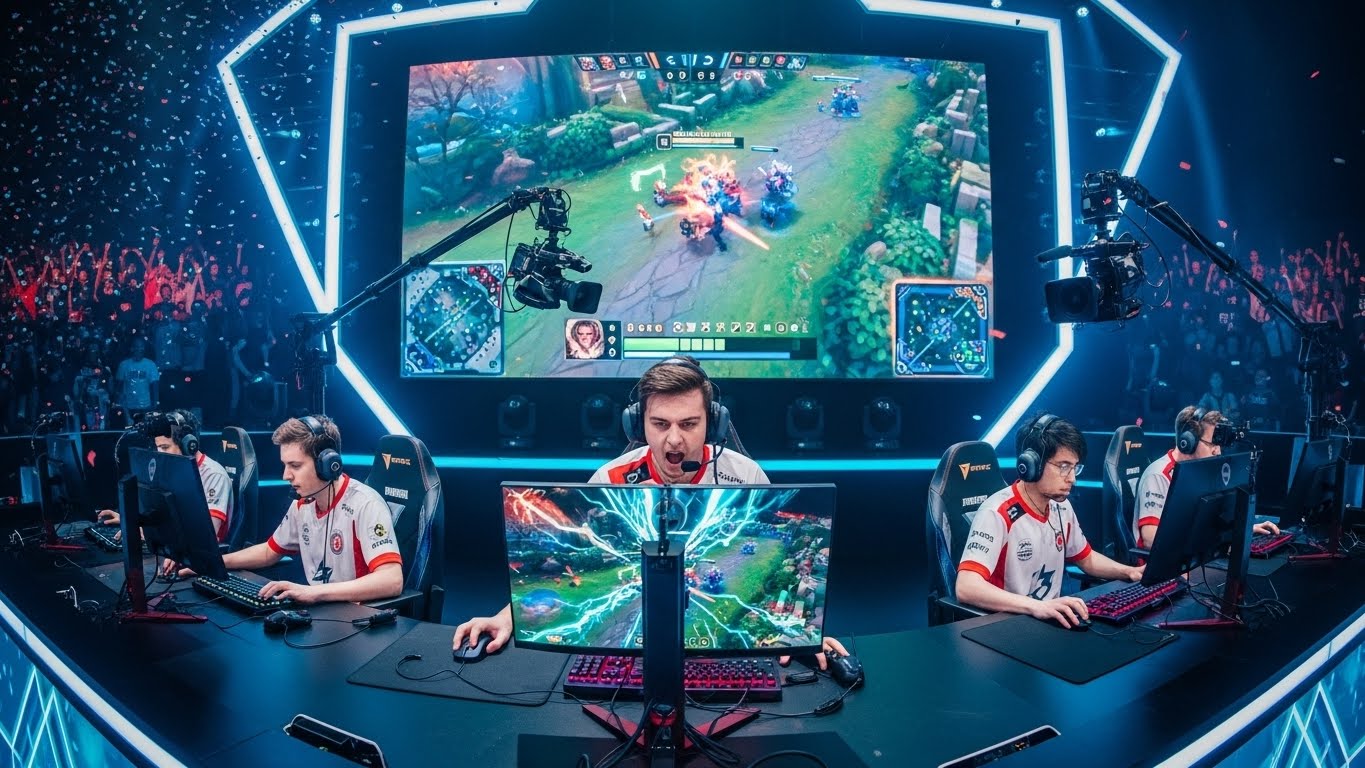
Introduction: Understanding the Esports Revolution
Over the past two decades, the world of gaming has undergone a dramatic transformation. What was once considered a mere pastime for teenagers and hobbyists has evolved into a professional, highly competitive industry known as esports. Esports, short for electronic sports, refers to organized, multiplayer video game competitions, often between professional players, individually or as teams. Unlike traditional gaming, esports combines intense skill, strategic thinking, teamwork, and entertainment value, drawing millions of viewers worldwide. Its growth is not just a testament to the popularity of video games but also to the power of technology, media, and community culture in shaping modern entertainment.
The Origins of Competitive Gaming
The roots of esports can be traced back to the late 1970s and 1980s when arcade games became popular. Early competitions, such as the Space Invaders Championship in 1980, laid the foundation for organized gaming tournaments. As home consoles and personal computers became widespread, the competitive aspect of gaming grew stronger. Games like StarCraft in South Korea during the late 1990s and early 2000s became cultural phenomena, giving rise to professional gaming leagues. South Korea, in particular, became the epicenter of professional esports due to its widespread internet infrastructure and cultural acceptance of gaming as a career. These early developments proved that competitive gaming could evolve into a legitimate form of entertainment and sport.
Popular Esports Titles and Their Impact
Esports is not limited to a single genre or game. Several titles have dominated the scene over the years, each contributing uniquely to the growth of the industry. Multiplayer Online Battle Arena (MOBA) games like League of Legends and Dota 2 have attracted massive audiences due to their strategic depth and team-based gameplay. First-Person Shooters (FPS) such as Counter-Strike: Global Offensive and Call of Duty emphasize precision, reflexes, and coordination. Battle Royale games like Fortnite and Apex Legends have introduced a new form of competitive excitement by combining survival mechanics with large-scale multiplayer arenas. Each game has its own ecosystem, professional leagues, and fanbase, contributing to the diverse and ever-expanding world of esports.
The Structure of Professional Esports
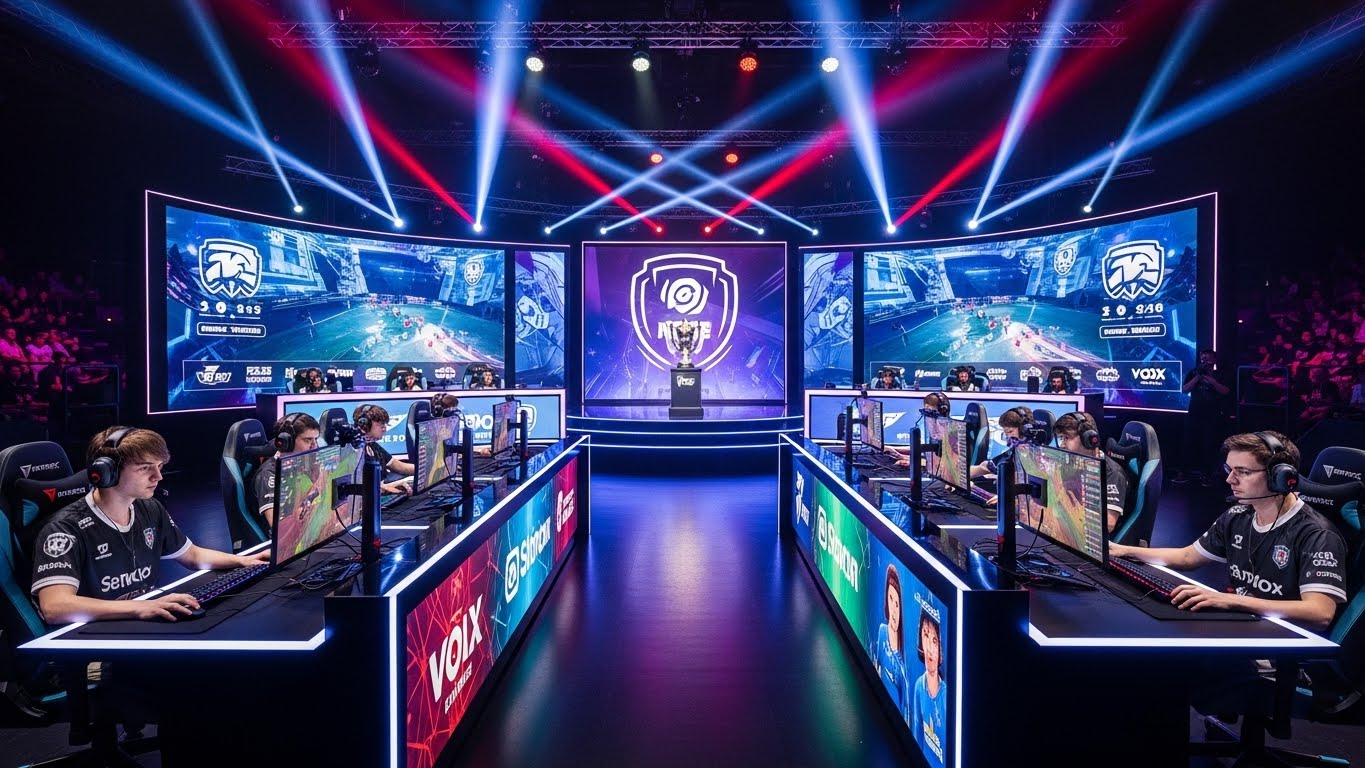
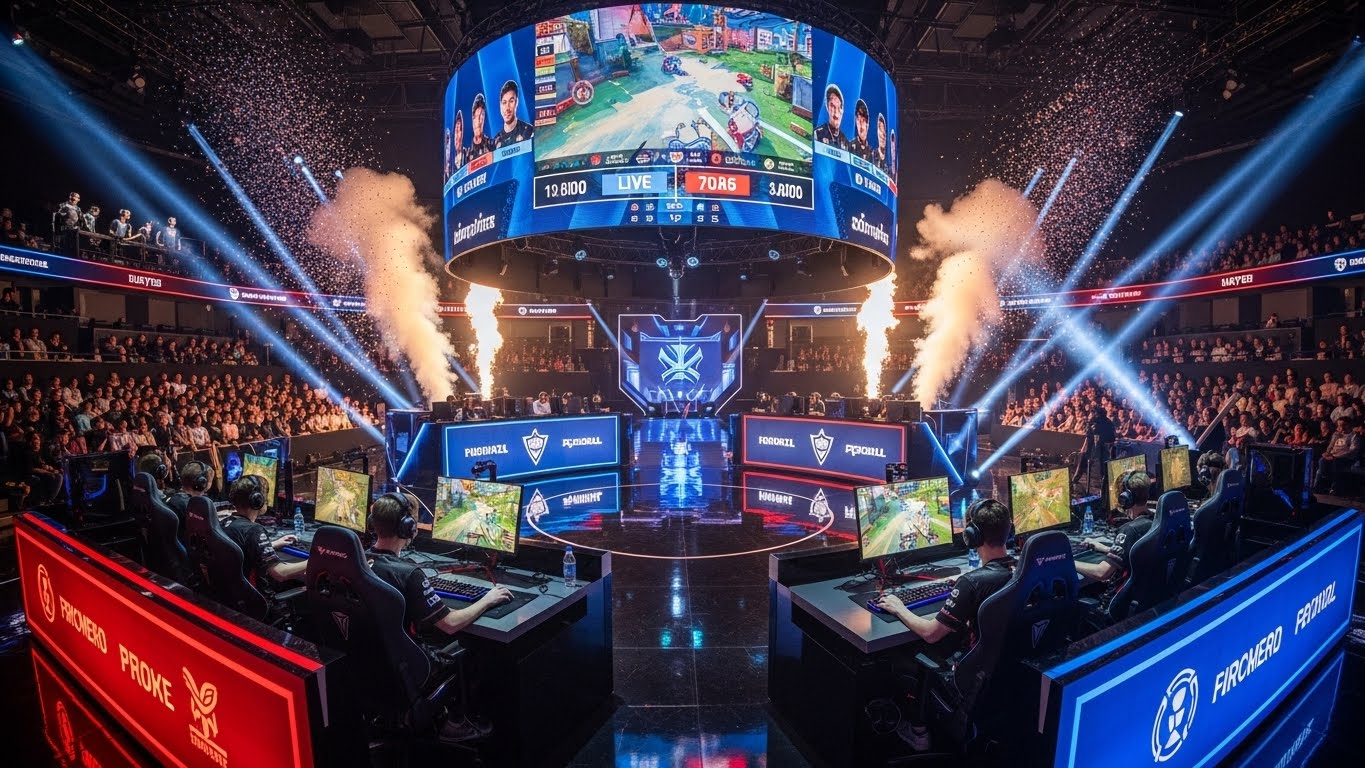
Professional esports operates much like traditional sports, with structured leagues, tournaments, and player organizations. Teams are often sponsored by major corporations and receive salaries, training, and support similar to conventional athletes. Leagues are organized regionally and internationally, with tournaments offering substantial prize pools that can reach millions of dollars. The League of Legends World Championship, for instance, has become one of the most-watched esports events globally, with viewership rivaling that of major traditional sporting events. Beyond individual players, the esports ecosystem also includes coaches, analysts, commentators, and production teams, highlighting the complex infrastructure that supports competitive gaming at the highest level.
The Role of Streaming and Digital Platforms
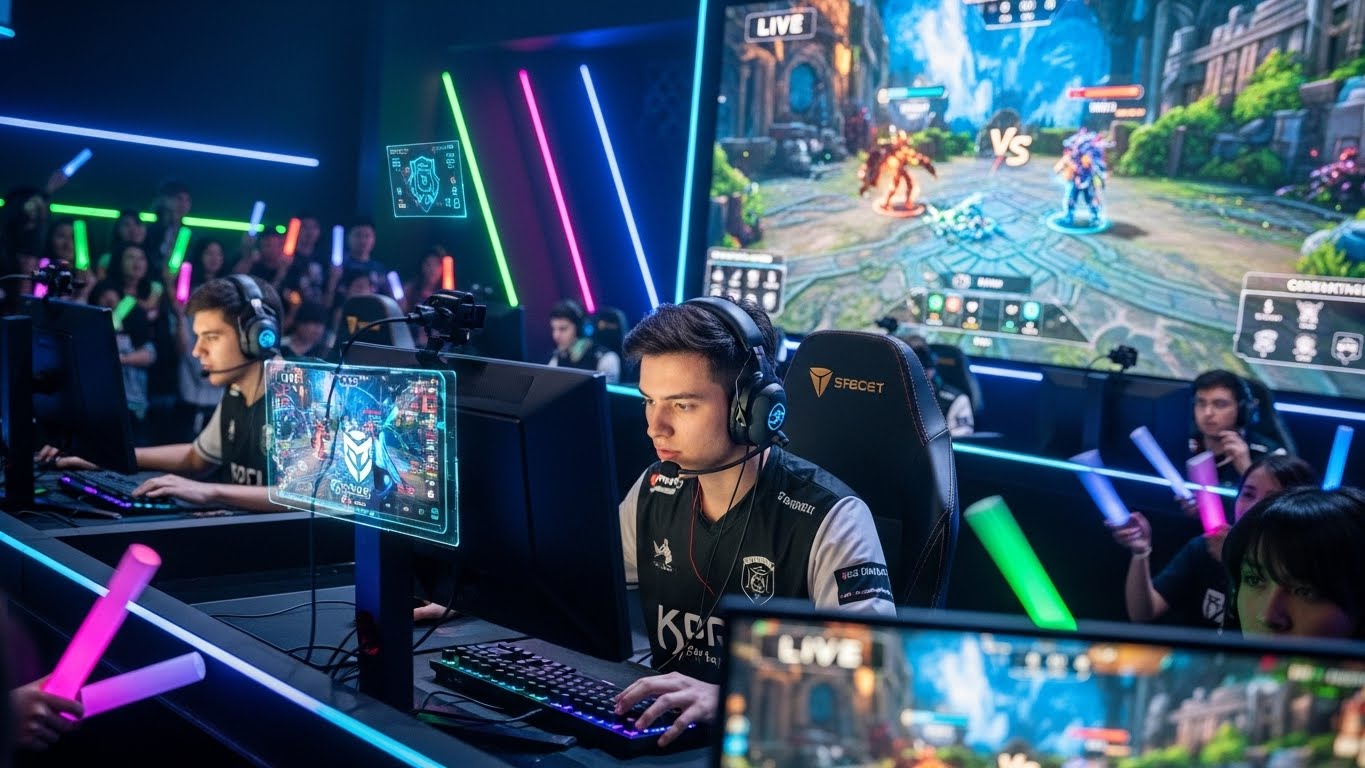
Streaming platforms have played a critical role in the meteoric rise of esports. Platforms like Twitch, YouTube Gaming, and others allow fans to watch live gameplay, interact with players, and participate in gaming communities. These platforms have transformed esports from a niche hobby into a mainstream form of entertainment. Streaming not only provides exposure for professional players but also creates opportunities for influencers, content creators, and amateur gamers to build audiences and monetize their skills. The accessibility of these platforms has enabled esports to reach a global audience, breaking geographical barriers and creating a shared culture among gamers worldwide.
Esports as a Career
While gaming was once considered a casual activity, esports has created a legitimate career path for many individuals. Professional players undergo rigorous training, similar to athletes in traditional sports, dedicating hours daily to improve their skills, communication, and strategy. Beyond players, careers in esports include roles such as team management, coaching, content creation, event organization, and broadcasting. Educational institutions have also recognized esports as a viable career option, offering scholarships, degree programs, and specialized courses in gaming, game design, and esports management. This recognition has not only legitimized esports but also ensured a steady influx of talent into the industry.
Economic Impact and Sponsorships
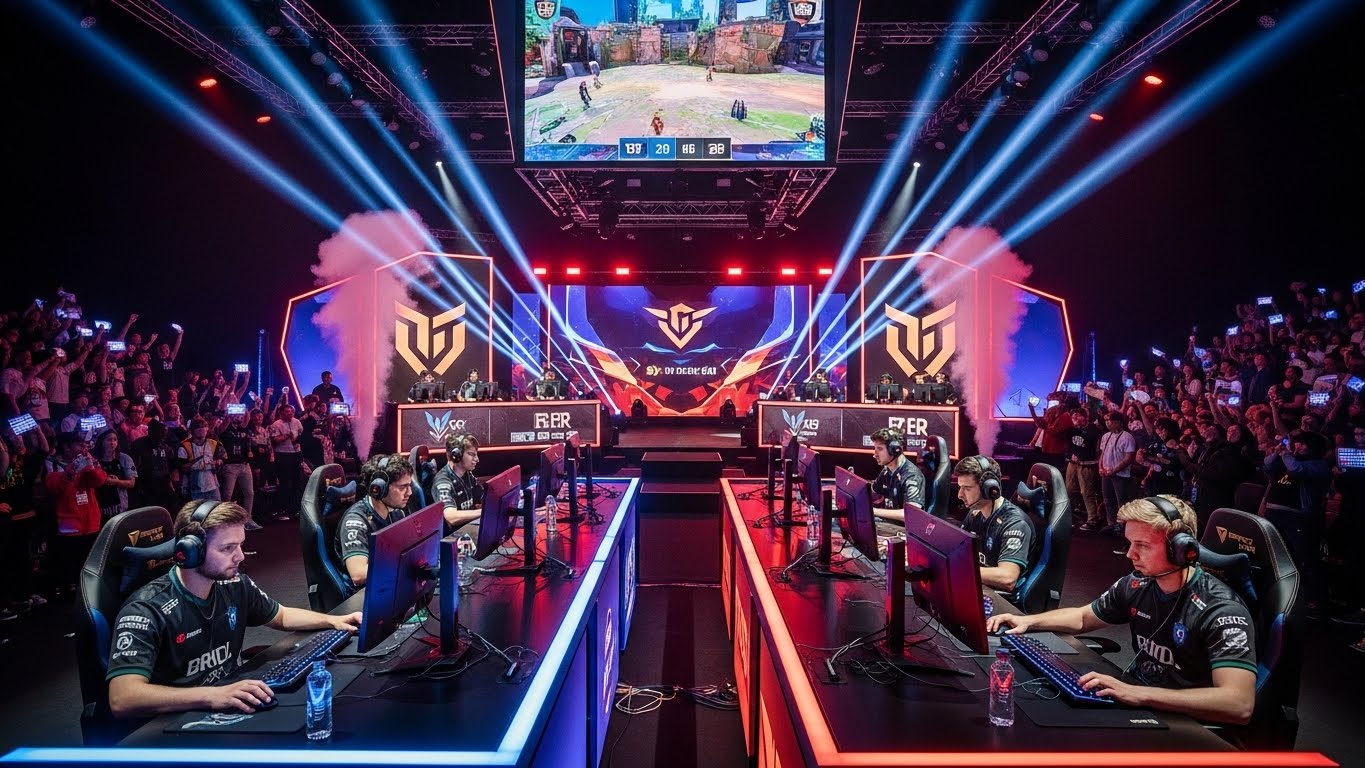
Esports has become a significant economic force, generating billions of dollars annually. Revenue comes from multiple sources, including sponsorships, merchandise, advertising, ticket sales for live events, and digital content. Major brands, from technology companies to energy drinks and fashion labels, have invested heavily in esports sponsorships, recognizing its potential to reach younger, tech-savvy audiences. Esports tournaments often feature elaborate production setups, high-profile commentators, and fan engagement activities, creating a commercial ecosystem similar to traditional sports leagues. The financial incentives have helped elevate esports, allowing it to compete with established industries in terms of popularity, professionalism, and profitability.
The Globalization of Esports
One of the most remarkable aspects of esports is its global appeal. While South Korea pioneered competitive gaming, countries across Europe, North America, and Asia have embraced esports as a mainstream phenomenon. International tournaments often feature teams from multiple countries, fostering cross-cultural exchange and global camaraderie among players and fans. The widespread availability of high-speed internet and advanced gaming technology has allowed esports to transcend geographical boundaries, creating a unified community connected through shared passion and competition. This globalization has also led to diverse strategies, playstyles, and innovations, enriching the competitive scene.
Challenges Facing the Esports Industry
Despite its rapid growth, esports faces several challenges. Player burnout is a major concern due to long training hours, high stress, and intense competition. Mental health issues, such as anxiety and depression, have become increasingly prominent among professional players. Regulatory challenges also exist, as governing bodies struggle to standardize rules, manage contracts, and prevent cheating or match-fixing. Moreover, the industry must address concerns about inclusivity and representation, ensuring that esports remains accessible to diverse communities, including women and marginalized groups. Addressing these challenges is crucial for the sustainable growth of esports as a legitimate global industry.
The Future of Esports
The future of esports looks promising, with several trends poised to shape its trajectory. Virtual reality and augmented reality technologies may create immersive gaming experiences, changing how players compete and audiences engage with tournaments. Mobile gaming is expanding the esports market, particularly in regions like Southeast Asia, where smartphones dominate gaming platforms. Traditional sports organizations are also investing in esports teams, further legitimizing the industry and bridging the gap between conventional sports and digital competition. Additionally, esports education and research are gaining momentum, fostering innovation, professional development, and a deeper understanding of gaming culture. The combination of technological advancement, global engagement, and professionalization indicates that esports will continue to grow as a major cultural and economic force.
Conclusion: Esports as a Cultural Phenomenon
Esports has transcended its origins as a hobby to become a cultural, professional, and economic phenomenon. It combines entertainment, competition, and technology, creating a unique form of engagement that resonates with millions of people worldwide. Its growth reflects broader societal changes, including the digitalization of entertainment, the rise of global communities, and the recognition of new forms of talent and skill. As esports continues to evolve, it promises to redefine what it means to be an athlete, an entertainer, and a fan in the 21st century. For those who once doubted its legitimacy, esports now stands as a testament to innovation, dedication, and the limitless potential of digital competition.