
 esportsmastersarena62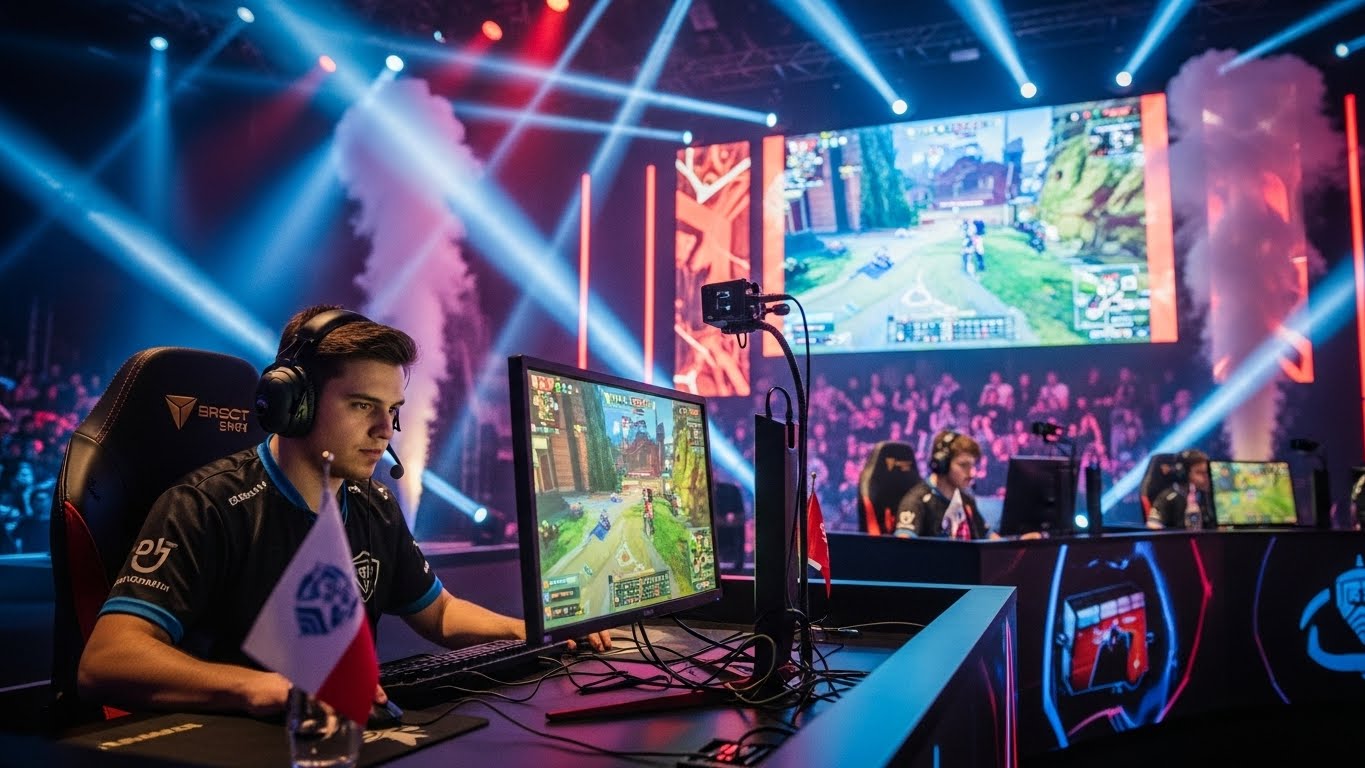
Introduction: The Digital Age of Competition
Esports, or electronic sports, has emerged as one of the most transformative forms of entertainment in the 21st century. Once considered a niche hobby, competitive gaming has grown into a professional industry with millions of players, viewers, and enthusiasts worldwide. From casual online matches to multi-million-dollar tournaments broadcast globally, esports is no longer just about playing games—it is about skill, strategy, teamwork, and entertainment.
The rise of esports demonstrates how technology is reshaping the landscape of sports and competition. It bridges cultural and geographical divides, creates new career opportunities, and fosters communities united by shared passion. This blog explores the evolution of esports, its social, cultural, and economic impact, the skills required to excel, and its promising future.
The Origins of Esports
The roots of competitive gaming can be traced back to the late 1970s and early 1980s when arcade competitions first gained popularity. Games like Space Invaders and Pac-Man inspired tournaments where players competed for high scores. By the 1990s, personal computers and internet connectivity transformed competitive gaming into an international phenomenon. Titles like StarCraft, Quake, and Counter-Strike became the foundation of professional esports, attracting dedicated communities and organized competitions.
Esports grew alongside technological advancements. Multiplayer online games, faster internet, and streaming platforms allowed players to compete in real-time across continents. What began as informal contests gradually evolved into structured tournaments, leagues, and professional organizations, laying the groundwork for today’s global esports ecosystem.
Esports as a Professional Industry
Esports is no longer merely recreational; it is a thriving industry. Professional players train for hours daily, following strict schedules, fitness routines, and practice regimens. Teams operate like traditional sports franchises, employing coaches, analysts, managers, and marketing professionals.
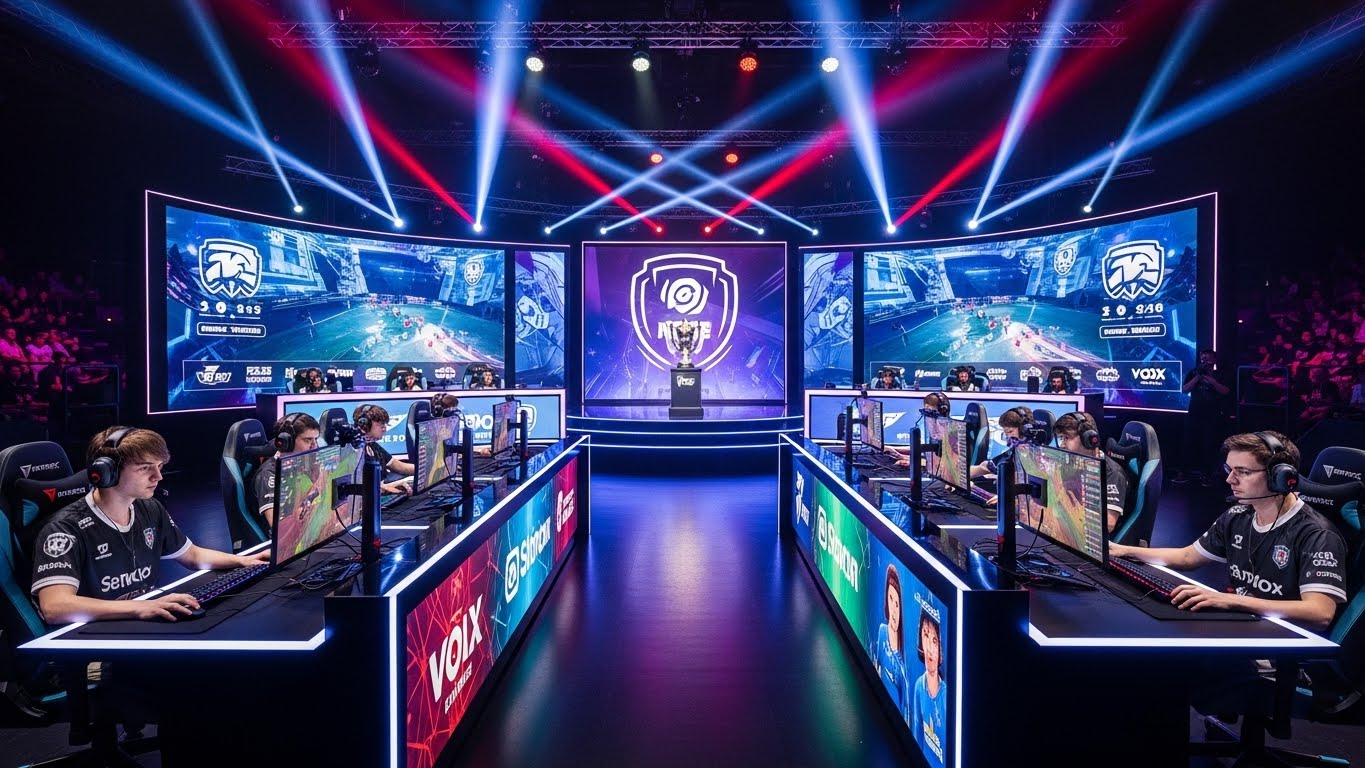
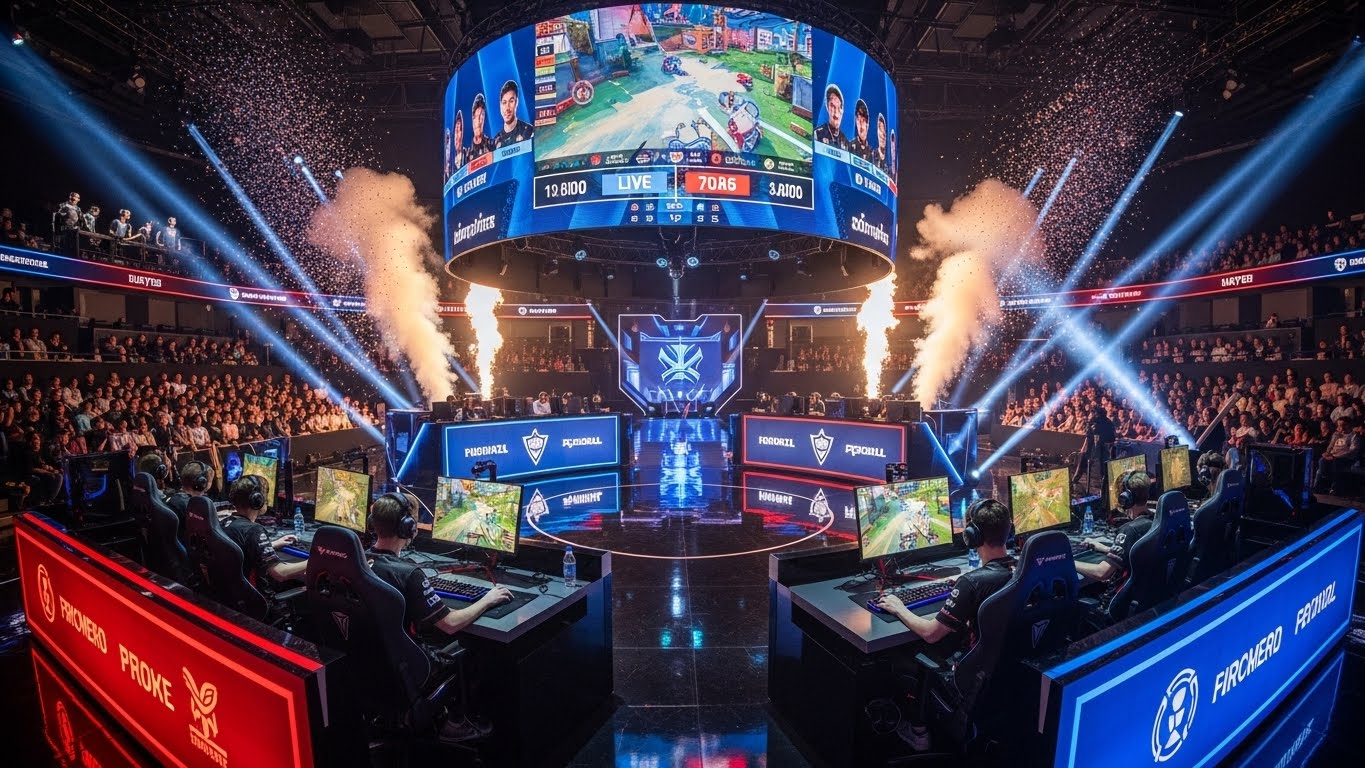
Major tournaments, such as The International for Dota 2, League of Legends World Championship, and CS:GO Majors, attract millions of viewers and offer substantial prize pools. Sponsorships, merchandising, and advertising deals have transformed esports into a multi-billion-dollar industry. Organizations invest heavily in talent development, training facilities, and marketing strategies, reflecting the growing recognition of esports as a legitimate career path.
The Global Reach of Esports
Esports has a truly global presence. Countries like South Korea, China, and the United States have become hubs for competitive gaming, but esports communities exist worldwide. International tournaments bring together players and fans from diverse backgrounds, promoting cultural exchange and fostering international cooperation.
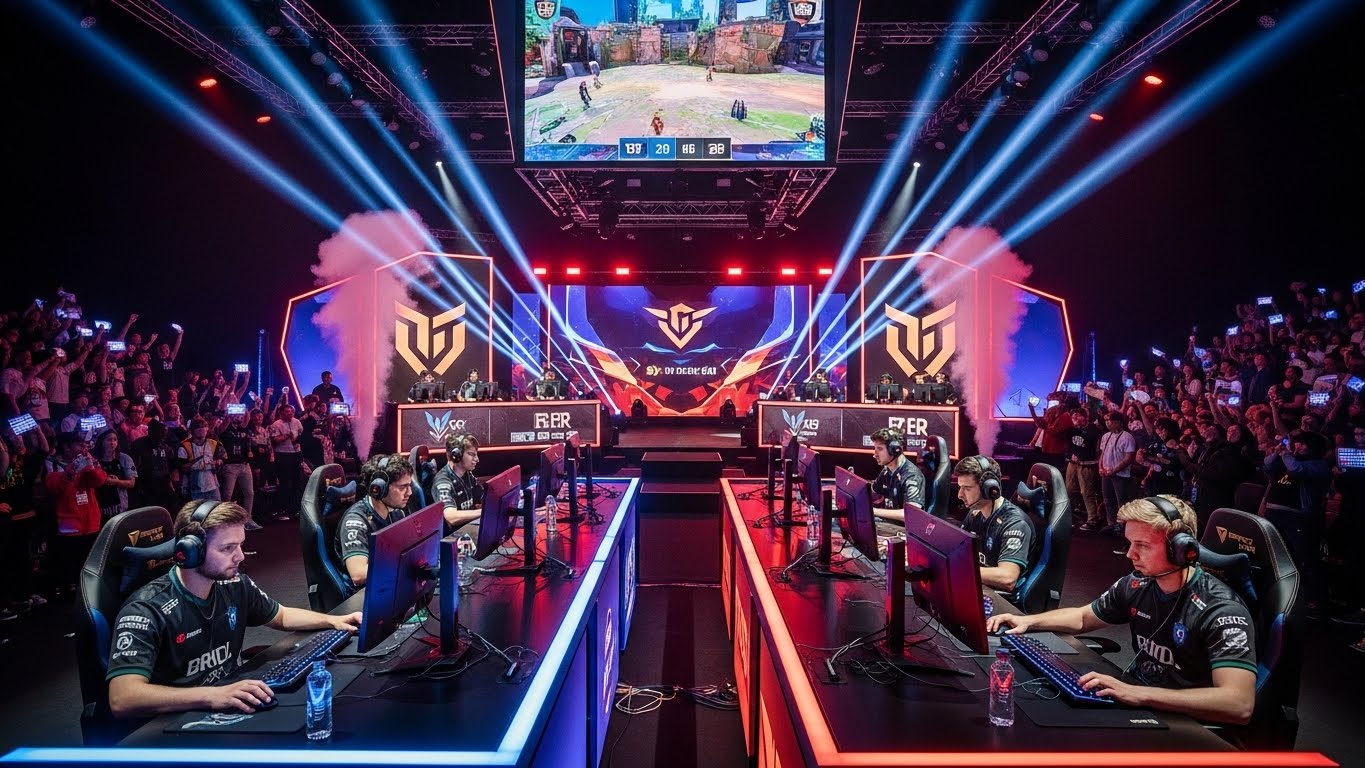
Global competitions also create a sense of national pride, similar to traditional sports. Fans cheer for teams and players representing their countries, creating shared experiences that unite communities across borders. The global reach of esports demonstrates its universal appeal and the power of digital connectivity to bring people together.
Popular Esports Genres and Games
Esports encompasses a variety of genres, each requiring unique skills and strategies.
- Multiplayer Online Battle Arenas (MOBA): Games like League of Legends and Dota 2 involve strategic teamwork, resource management, and real-time decision-making.
- First-Person Shooters (FPS): Titles like Counter-Strike: Global Offensive and Call of Duty emphasize reflexes, precision, and tactical coordination.
- Battle Royale Games: Fortnite and PUBG challenge players to survive in dynamic, high-pressure environments while adapting to ever-changing scenarios.
- Sports Simulations: Games such as FIFA and NBA 2K replicate real-world sports, combining digital competition with traditional sports strategy.
Each genre attracts unique audiences and demands different skill sets, highlighting the diversity and complexity of the esports ecosystem.
Skills Required to Excel in Esports
Success in esports requires more than casual gaming ability. Professional players must develop a combination of physical, mental, and social skills.
- Hand-Eye Coordination and Reflexes: Quick reactions and precise control are essential in fast-paced games.
- Strategic Thinking: Players must analyze opponents, anticipate actions, and plan long-term strategies.
- Teamwork and Communication: Coordinating with teammates in real-time is critical for success in team-based games.
- Adaptability: Constant game updates and evolving meta-strategies require players to continuously learn and adjust.
- Mental Resilience: Handling high-pressure situations, losses, and criticism is vital for maintaining peak performance.
The discipline required to master these skills mirrors that of traditional athletes, highlighting the professionalism and dedication within esports.
Esports and Social Interaction
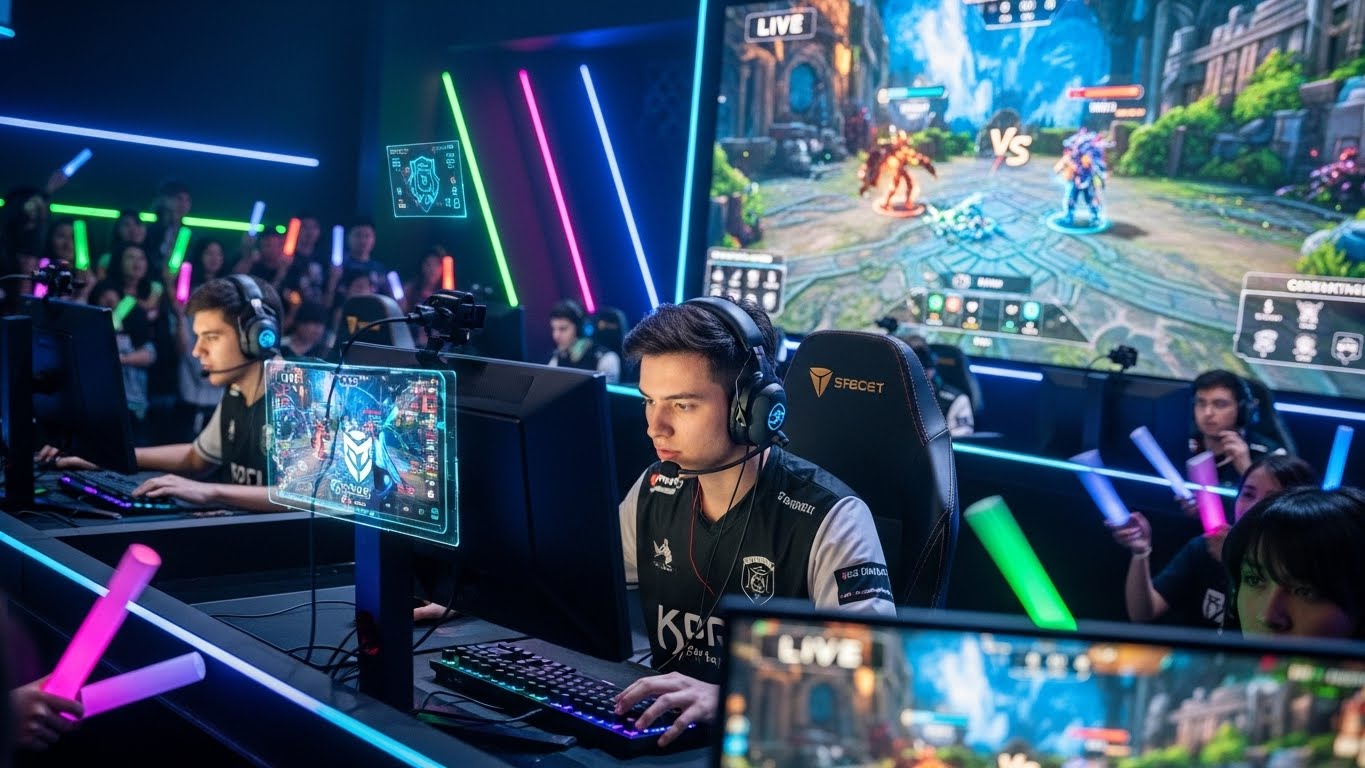
Esports fosters social engagement by creating communities where fans and players interact online and offline. Streaming platforms, forums, and social media allow players to share strategies, celebrate victories, and discuss gameplay in real-time.
Online communities create a sense of belonging and identity, especially for younger audiences. Fans often form strong connections through shared experiences, whether cheering for favorite teams or participating in gaming discussions. Esports also provides opportunities for collaboration, mentorship, and networking, reinforcing its social and cultural significance.
Economic Impact of Esports
Esports has become a lucrative industry with multiple revenue streams. Tournaments generate ticket sales, media rights, and sponsorship deals. Professional players earn salaries, prize money, and endorsements. Organizations profit from merchandise, digital content, and advertising partnerships.
The economic impact of esports extends beyond players and teams. Event organizers, coaches, analysts, content creators, and streaming platforms all benefit from the industry’s growth. Universities and schools have begun offering scholarships and esports programs, creating educational and career opportunities.
The financial viability of esports reflects its mainstream acceptance and the growing demand for competitive gaming as both entertainment and profession.
Esports and Education
Esports is increasingly integrated into educational institutions. Many schools and universities offer esports programs, teaching teamwork, leadership, communication, and digital literacy. Scholarships for esports athletes provide students with the opportunity to pursue higher education while competing professionally.
Esports also encourages STEM skills, including coding, data analysis, and game development. Students involved in esports gain practical experience in technology, strategy, and problem-solving, preparing them for careers in digital industries. By combining competition with learning, esports demonstrates its potential as an educational tool.
Women in Esports
The rise of women in esports is reshaping the industry. Female gamers are achieving recognition as professional players, commentators, and content creators. Their participation challenges traditional stereotypes and promotes gender equality in a field historically dominated by men.
Women’s leagues and tournaments provide platforms for female gamers to showcase their talent. Advocacy for inclusivity and equal opportunities continues to grow, ensuring that esports remains a space where skill and dedication are valued above gender.
The increasing visibility of women in esports inspires younger generations and strengthens the industry’s diversity and cultural relevance.
The Role of Streaming and Content Creation
Streaming has been a key driver of esports’ popularity. Platforms like Twitch and YouTube Gaming allow players to broadcast live matches, interact with fans, and build personal brands. Streaming transforms esports into a participatory experience, allowing fans to engage with players and tournaments in real time.
Content creation also provides professional opportunities beyond playing. Streamers, commentators, analysts, and digital marketers all contribute to the esports ecosystem. By combining entertainment, education, and social interaction, streaming has amplified the cultural impact of esports.
The Future of Esports
The future of esports promises growth, innovation, and global recognition. Emerging technologies such as virtual reality, augmented reality, and artificial intelligence will enhance gameplay, fan engagement, and training methods. Immersive experiences will allow fans to feel like part of the action, while AI-driven analytics will help players optimize performance and strategy.
Esports is likely to continue expanding into mainstream media, education, and entertainment. Professional leagues will become more structured, and sponsorship opportunities will grow. As the industry matures, esports will increasingly influence culture, career pathways, and the definition of competitive sports in the digital era.
Conclusion: Esports as a Cultural and Competitive Phenomenon
Esports has evolved from casual gaming competitions into a global phenomenon with cultural, economic, and social significance. It demonstrates that competition and skill are not confined to physical sports but can thrive in digital arenas.
Esports teaches discipline, strategy, teamwork, and resilience. It creates global communities, inspires innovation, and provides educational and career opportunities. The rise of women in esports, the integration of technology, and the growing economic impact highlight its legitimacy and long-term potential.
As esports continues to grow, it will redefine competition, entertainment, and social interaction. More than just games, esports represents a new era of human achievement, creativity, and connection—a revolution in how the world experiences sports and digital culture.