
 esportsmastersarena62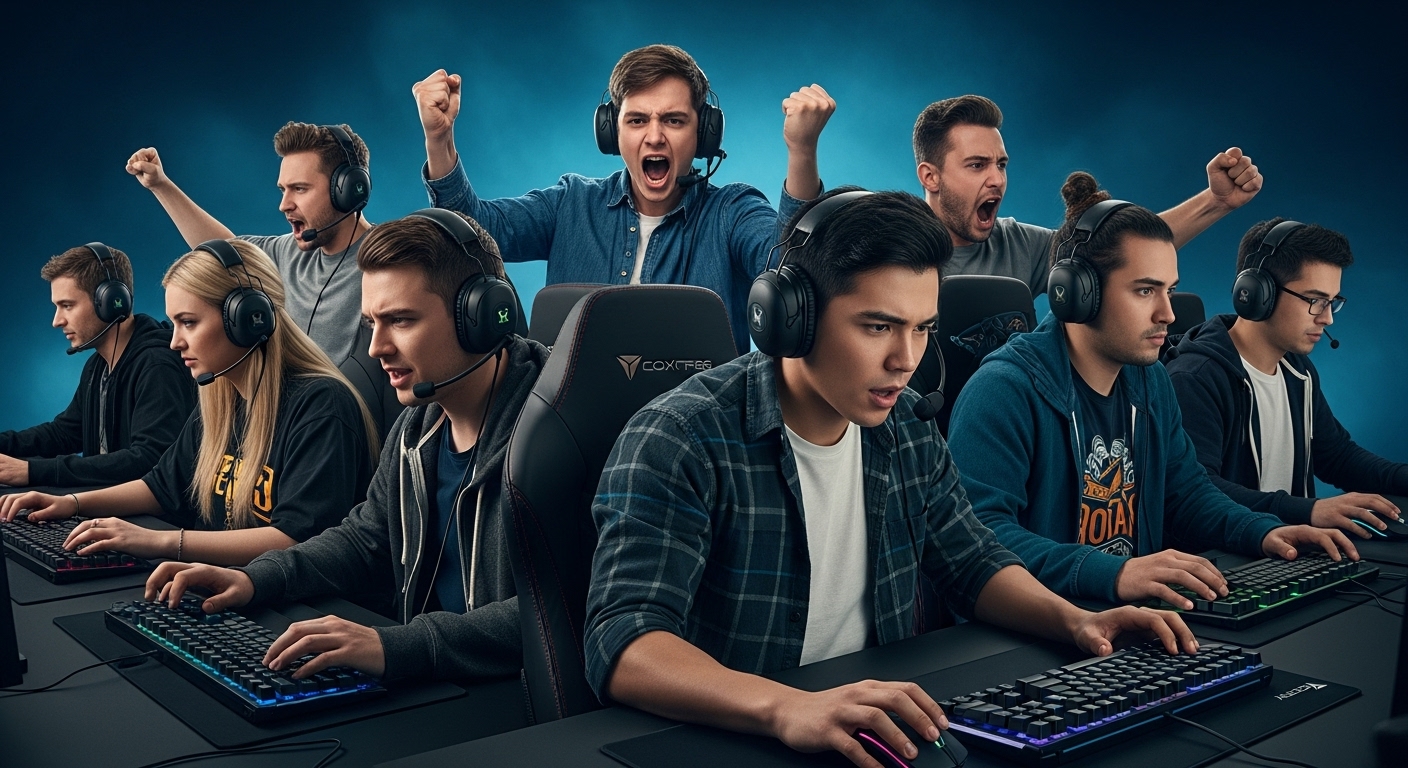
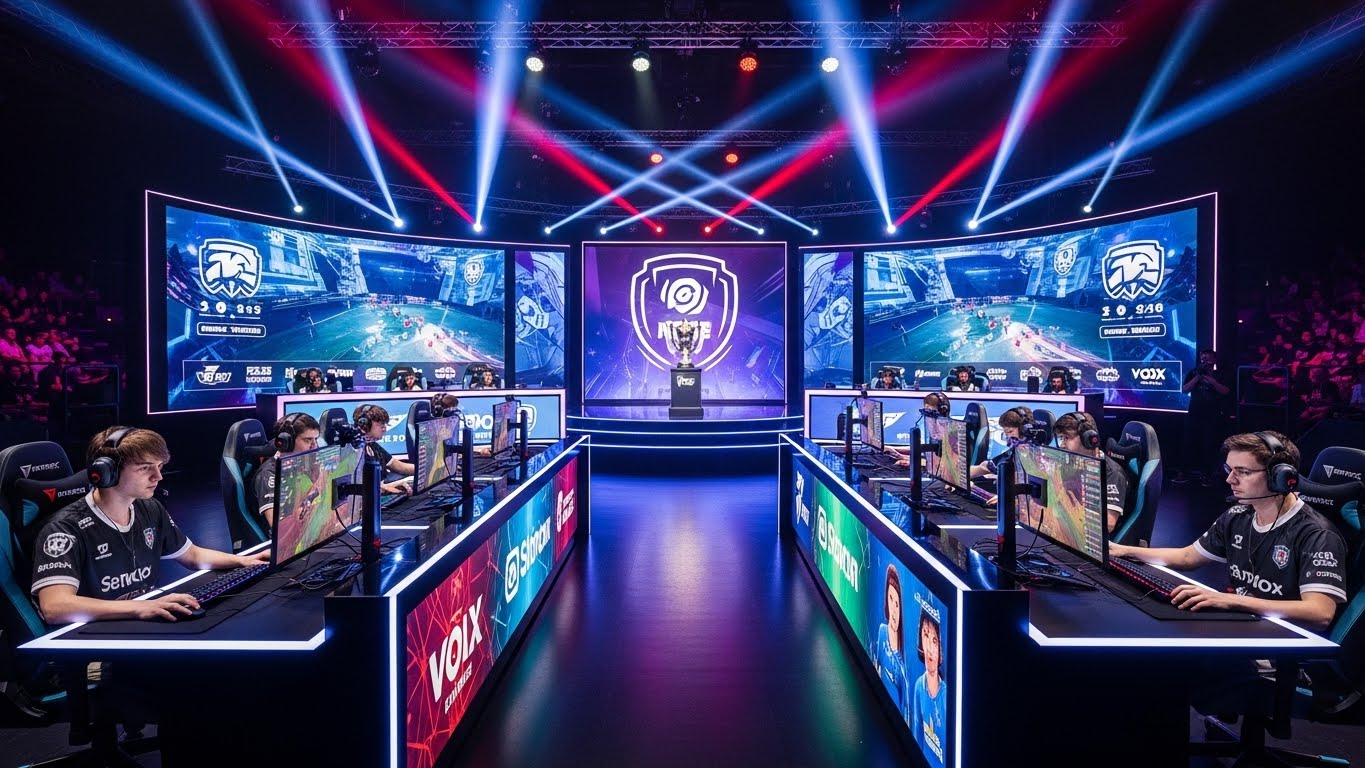
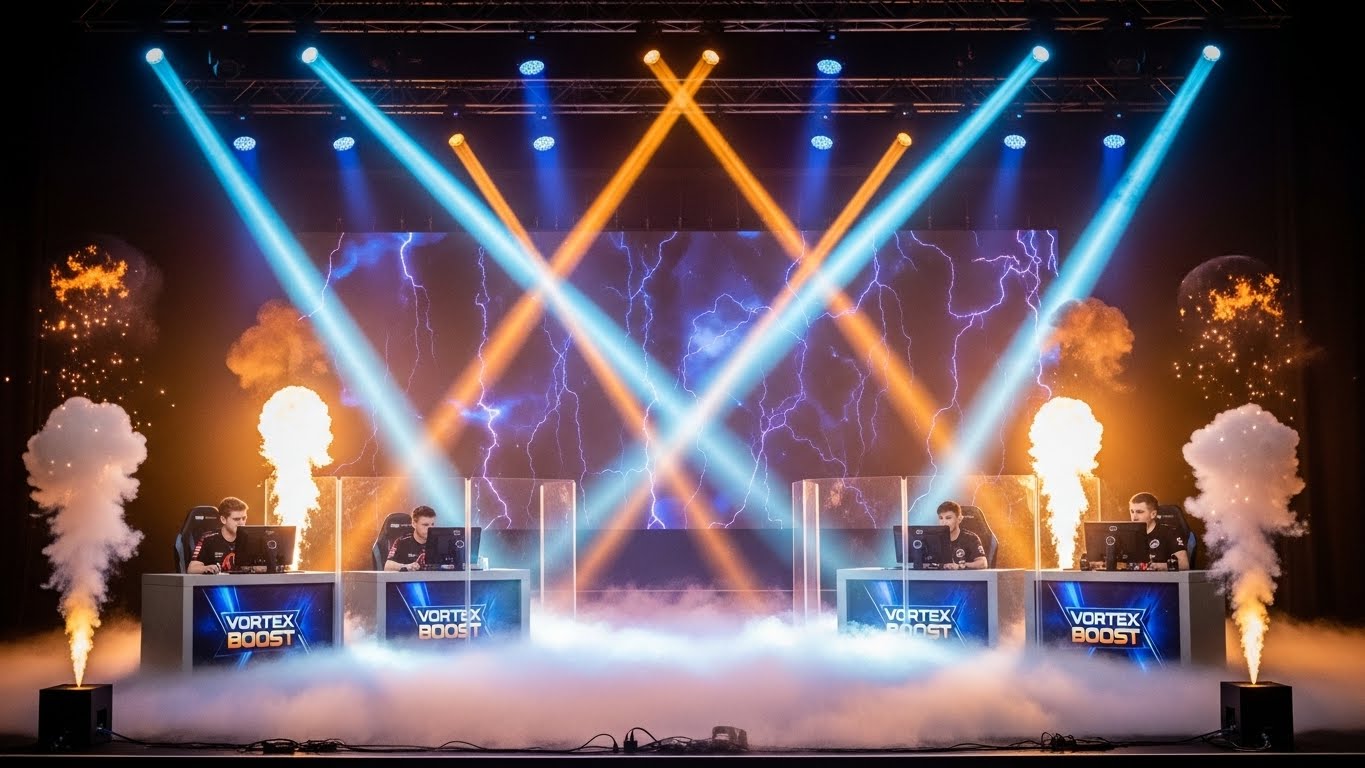
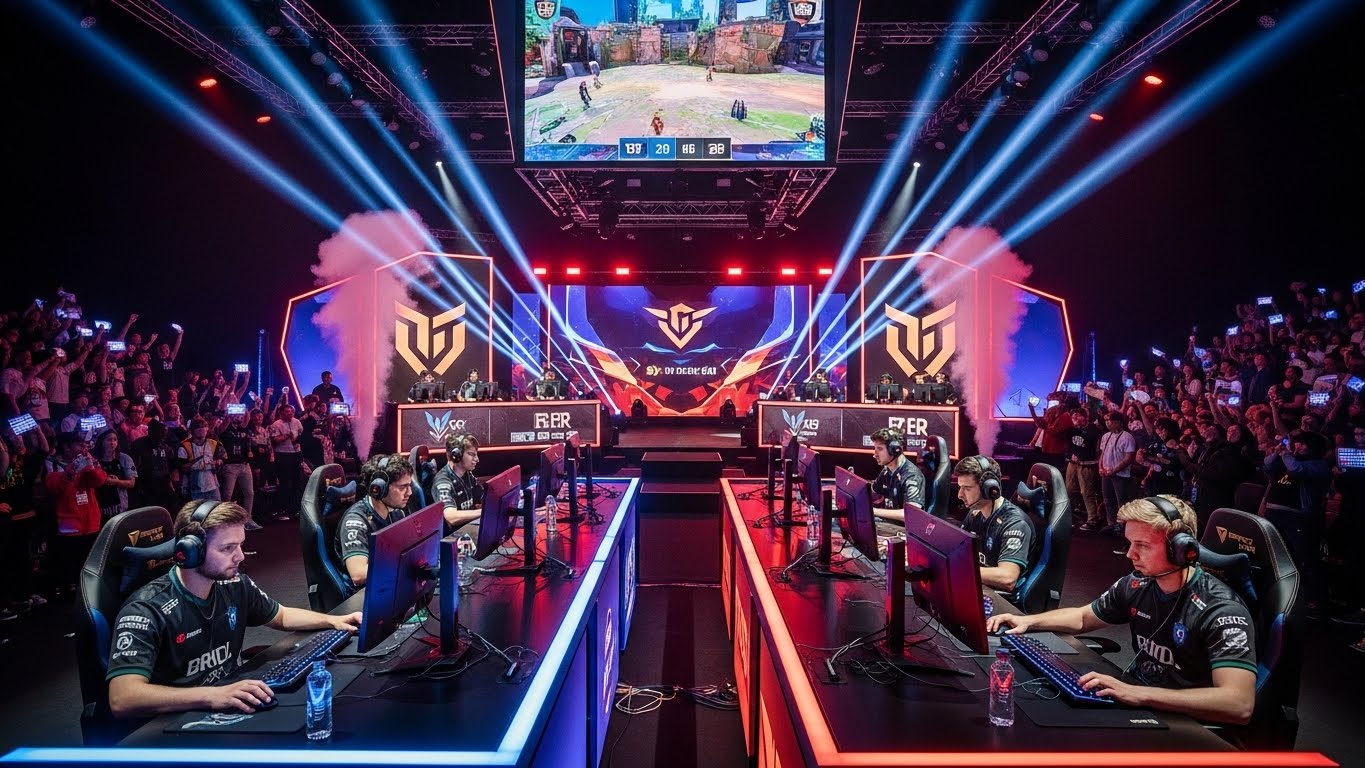
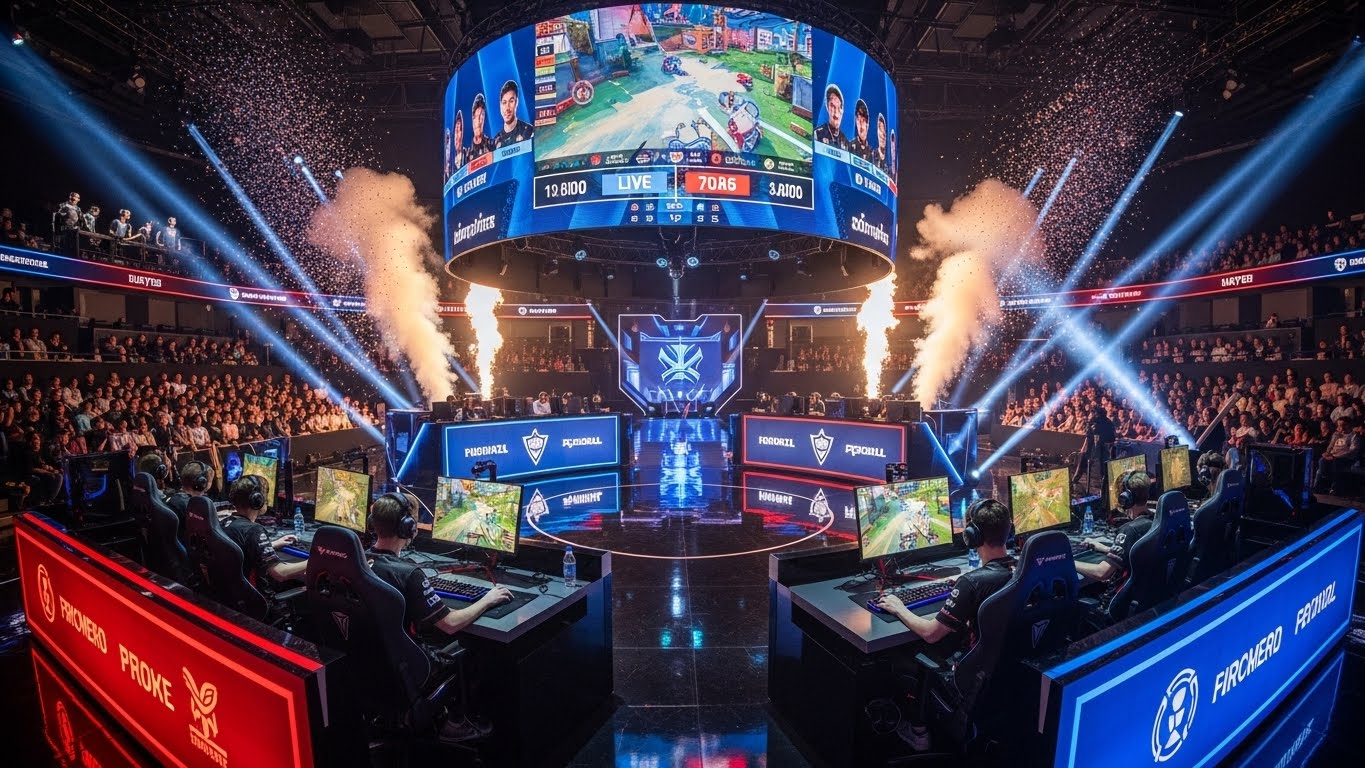
Esports has rapidly transformed from a casual pastime into a major global industry. What was once seen as just video gaming is now a professional, competitive arena attracting millions of fans, players, and investors worldwide. With professional teams, international tournaments, and substantial prize pools, esports is redefining the way people engage with games.
Understanding Esports
Esports, short for electronic sports, involves competitive gaming where individuals or teams compete in organized events. Unlike casual gaming, esports demands skill, strategy, coordination, and intense practice. Players train rigorously to master game mechanics, analyze opponents, and refine teamwork.
The rise of streaming platforms has amplified the reach of esports, allowing fans to watch competitions live, follow favorite players, and interact with gaming communities in real time. This interaction has turned esports into a dynamic cultural phenomenon.
Popular Esports Games
Esports spans multiple genres, each requiring unique skills:
- Multiplayer Online Battle Arenas (MOBAs): Games like League of Legends and Dota 2 focus on strategy, coordination, and tactical execution.
- First-Person Shooters (FPS): Titles such as Counter-Strike and Call of Duty demand precision, reflexes, and teamwork.
- Battle Royale Games: Games like Fortnite and PUBG test adaptability, strategy, and survival instincts.
- Sports Simulations: FIFA and NBA 2K merge traditional sports with digital competition, attracting sports enthusiasts to esports.
This diversity ensures that esports appeals to a wide audience with varying interests and skill sets.
The Impact of Esports
Esports has a significant impact on entertainment, technology, and even education. It promotes cognitive skills like problem-solving, strategic thinking, and multitasking. Team-based games enhance communication, leadership, and collaboration.
Financially, esports has become a viable career option. Professional players, coaches, analysts, content creators, and event organizers can earn substantial income. Sponsorships, streaming revenue, and tournament winnings have made esports a sustainable profession for many.
Challenges Facing Esports
Despite its growth, esports faces challenges. Players often deal with physical and mental strain, including burnout, eye strain, and repetitive stress injuries. Maintaining a balanced lifestyle is crucial for long-term success.
Another concern is the lack of standardized regulation. While tournaments have rules, there is no global governing body ensuring consistent standards across the industry. Issues like fair play, player rights, and ethical sponsorships need more attention.
The Future of Esports
The future of esports is bright and full of potential. Emerging technologies such as virtual reality and cloud gaming will create more immersive and accessible experiences. Esports may expand into education and training programs, helping develop cognitive and strategic skills in younger generations.
Global investment in esports continues to rise, making it an integral part of digital culture. With technology, competition, and entertainment converging, esports is poised to remain a dominant force in the gaming world.
Conclusion
Esports has evolved from a hobby into a major global industry that entertains, educates, and inspires. Its blend of strategy, skill, and technology has captured the imagination of millions, creating opportunities for professional growth and cultural influence. As esports continues to innovate and expand, it will play an increasingly important role in shaping the future of digital entertainment.