
 esportsmastersarena62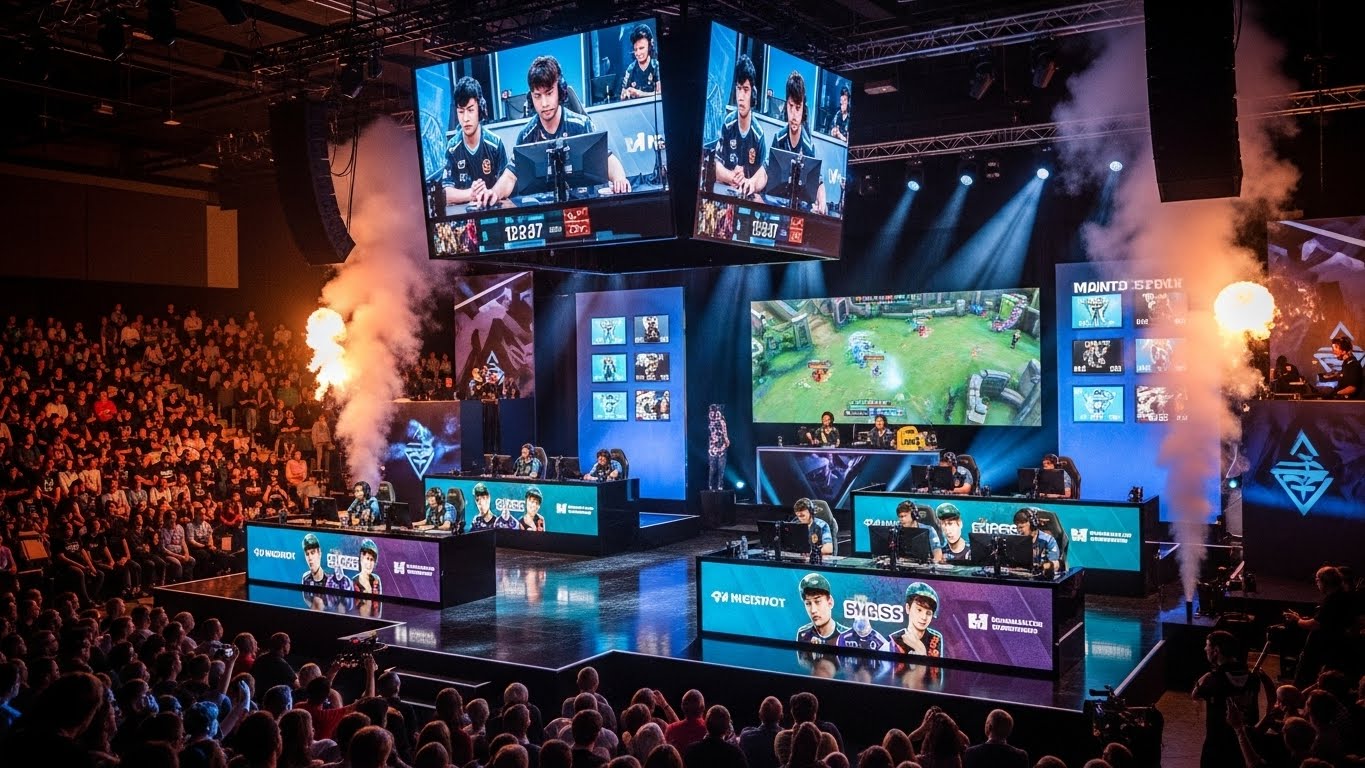
In the last decade, esports has transformed from a niche hobby into a multi-billion-dollar industry that captivates millions of people worldwide. The idea of competitive video gaming might have once been dismissed as a pastime for teenagers in basements, but today, esports is a legitimate profession, a cultural phenomenon, and a booming business sector. This blog explores the rise of esports, its impact on society, the opportunities it presents, and the challenges it faces.
The Origins of Competitive Gaming
The history of competitive gaming dates back to the 1970s when the first video game competitions were organized. Early contests involved games like Pong and Space Invaders, attracting small groups of enthusiasts. However, it wasn’t until the 1990s and early 2000s, with the advent of faster internet connections and multiplayer games, that competitive gaming began to take a structured form. Titles like StarCraft, Counter-Strike, and Warcraft III laid the foundation for professional esports, with tournaments offering cash prizes and recognition for top players.
This era marked the beginning of a shift in perception. Gaming started to be seen as more than just a hobby; it became a field in which skill, strategy, and teamwork could be professionally rewarded. Early esports players often had to balance gaming with education or traditional jobs, but their successes laid the groundwork for the professional esports leagues we see today.
The Global Explosion of Esports
The 2010s witnessed an unprecedented growth in esports, driven by several key factors. First, the accessibility of high-speed internet enabled players from different countries to compete in real time. Second, streaming platforms revolutionized how audiences consumed esports content. Platforms like Twitch and YouTube Gaming allowed fans to watch professional matches live, interact with players, and participate in a shared community experience. This connection between players and viewers helped esports cultivate a passionate and loyal fanbase.
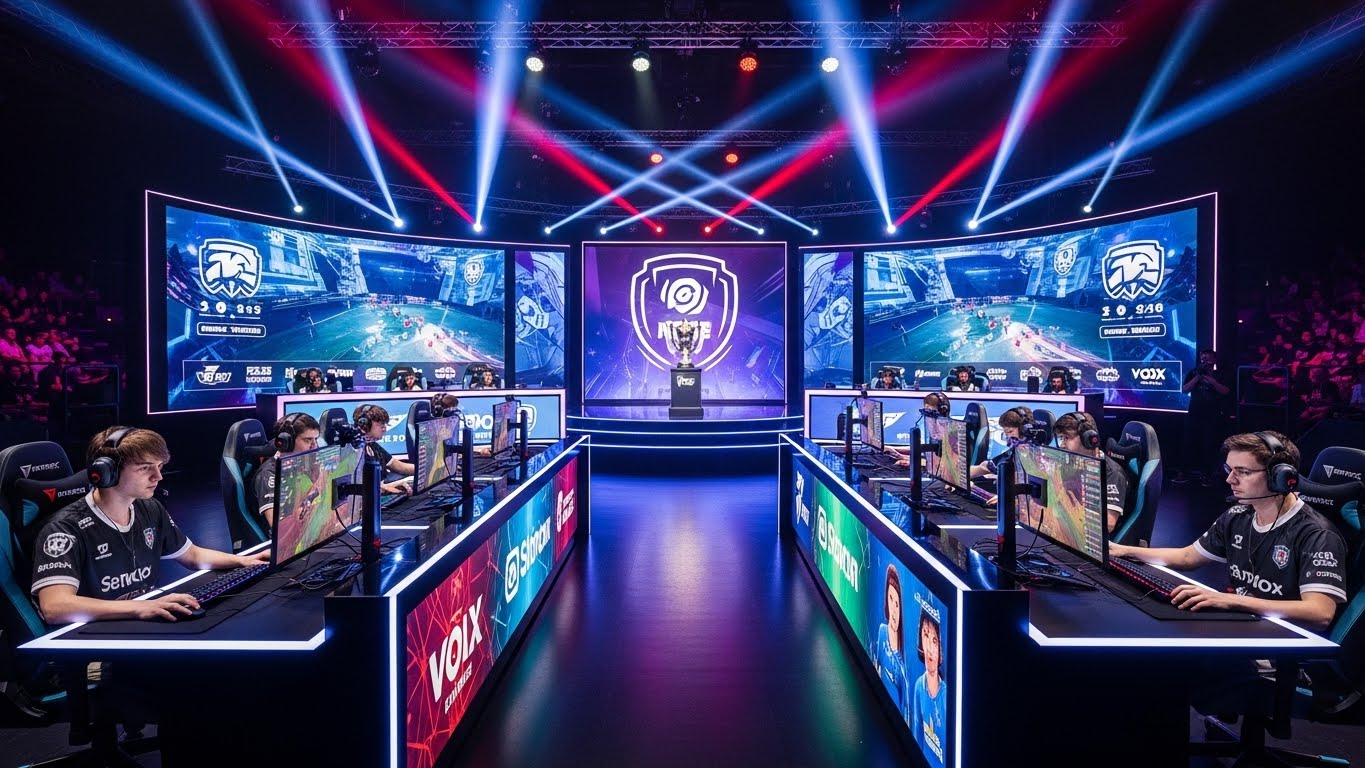
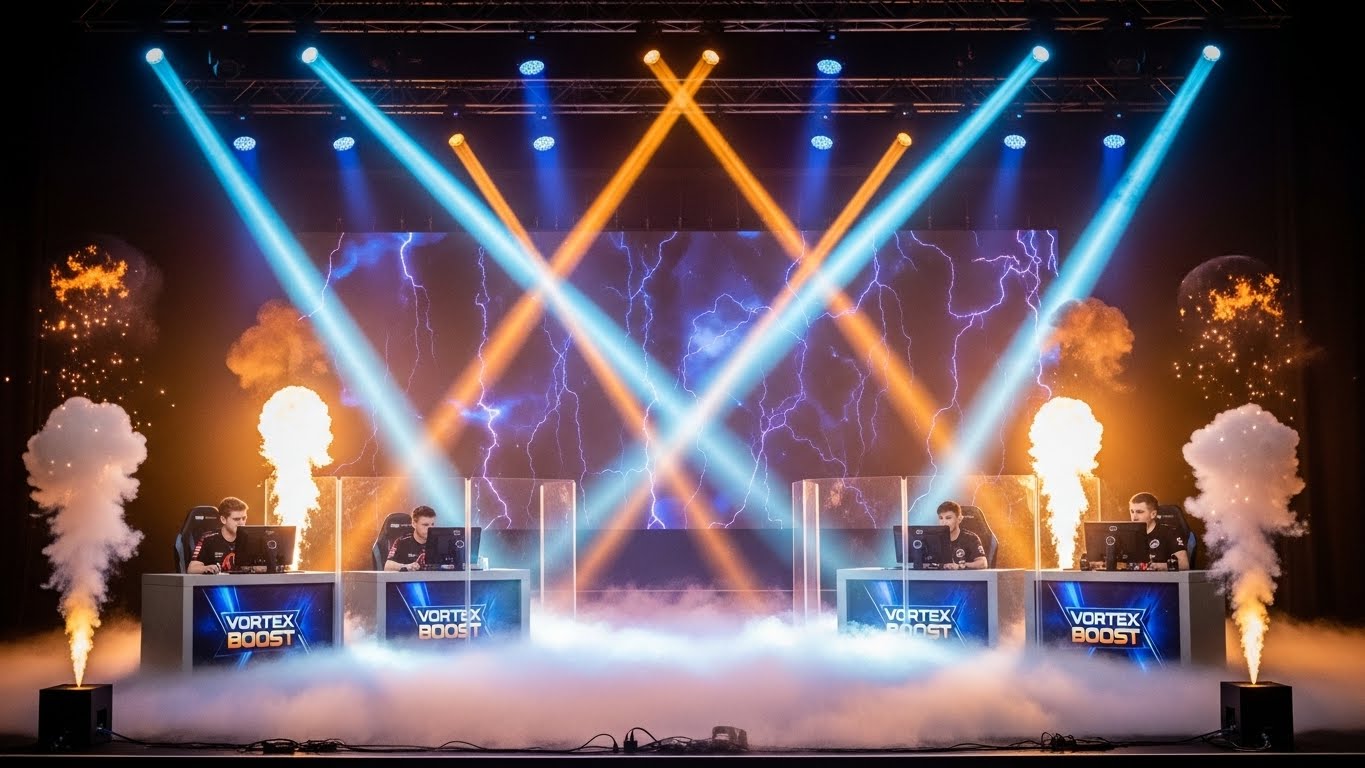
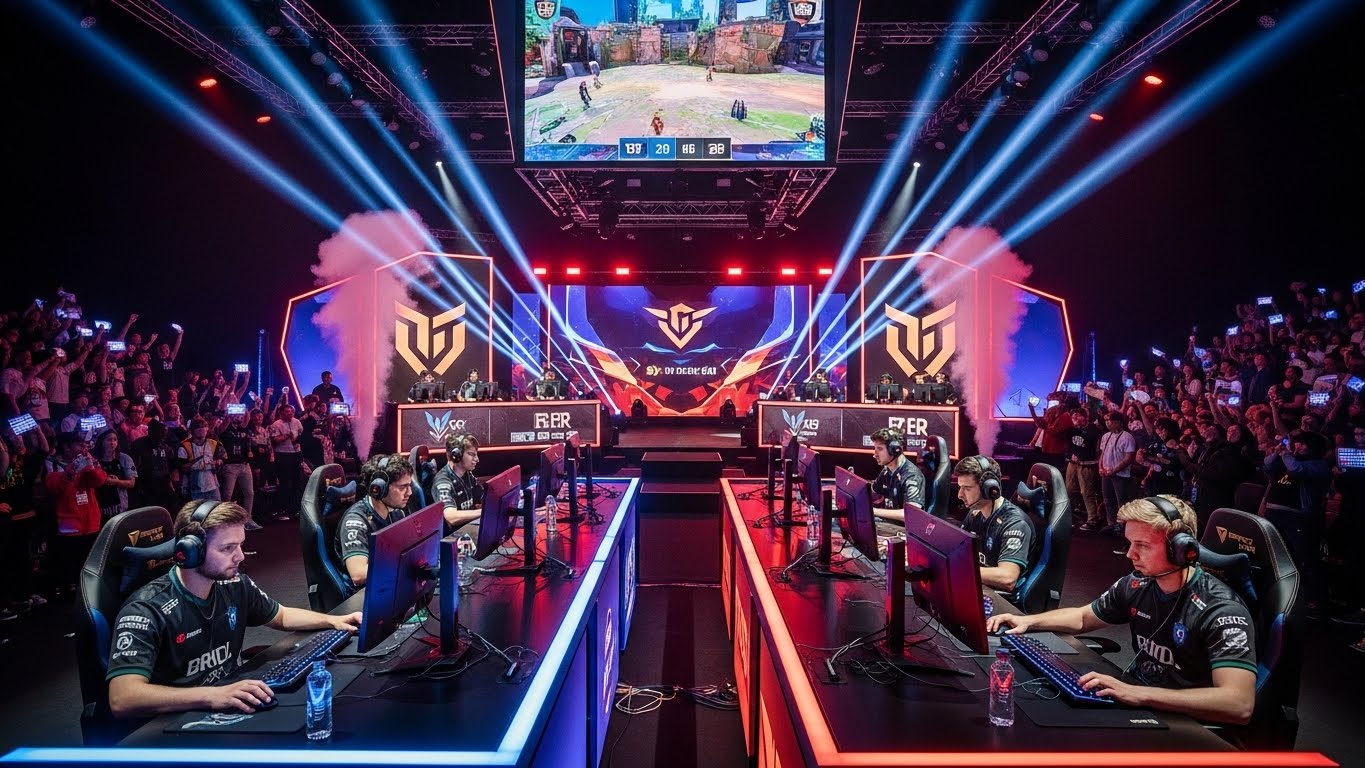
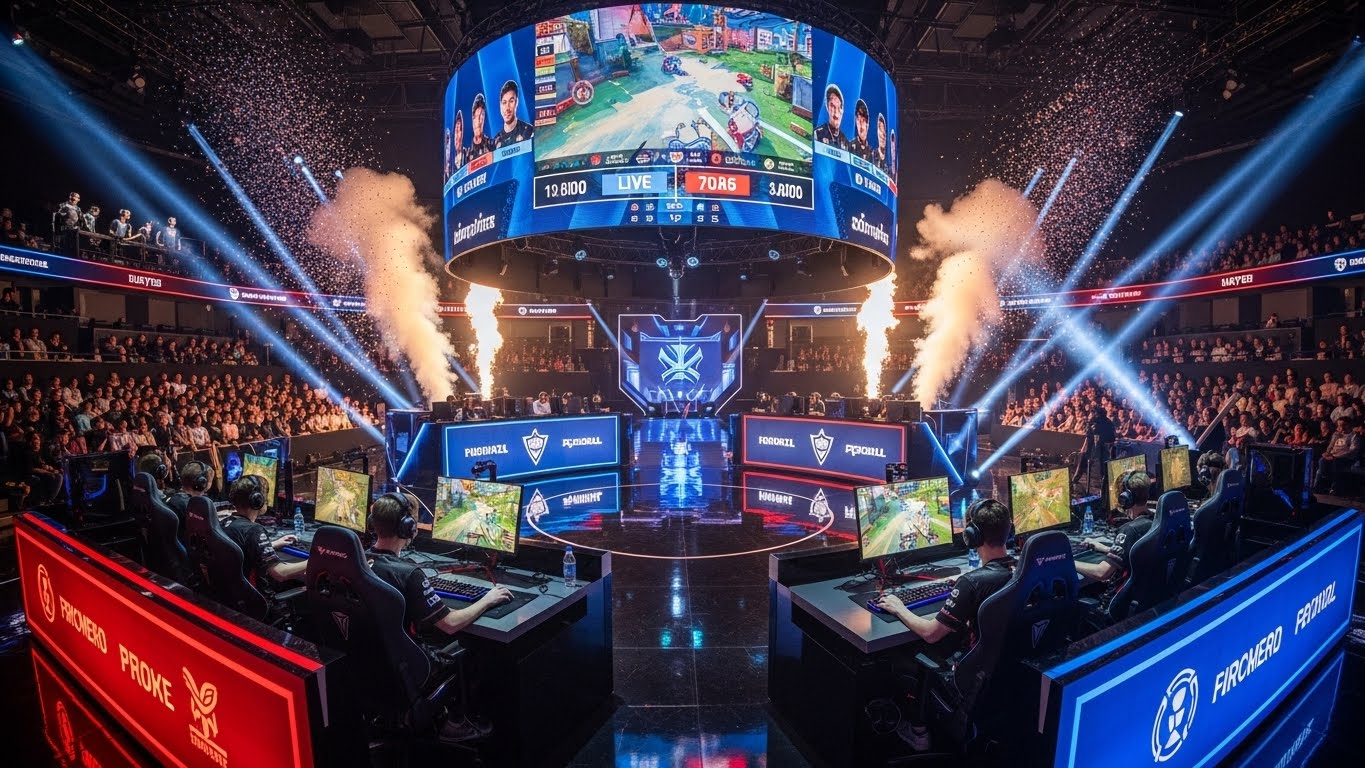
Today, esports tournaments are global spectacles. Competitions like League of Legends World Championship, Dota 2’s The International, and Call of Duty League draw millions of viewers, rivaling traditional sports events. Cities worldwide host esports arenas and events, and companies sponsor teams, players, and leagues at an unprecedented scale. This global recognition has elevated esports from a digital pastime to a mainstream entertainment industry.
Professional Players: The New Sports Stars
Professional esports players are no longer just gamers; they are celebrities with massive followings. Their training regimes, mental strategies, and teamwork resemble those of traditional athletes. Many top players dedicate 8 to 12 hours a day to practice, analyzing opponents’ strategies, honing reflexes, and improving coordination with their teammates. Mental resilience and adaptability are critical in a high-pressure environment where a single mistake can determine victory or defeat.
Esports players also serve as role models for younger audiences. Their success stories inspire aspiring gamers to pursue competitive gaming seriously, while their personal brands, streaming content, and social media presence expand their influence beyond the virtual arena. Sponsorship deals and partnerships with global brands have made esports players some of the highest-earning professionals in the entertainment world.
Economic Impact of Esports
The economic impact of esports is substantial and continues to grow exponentially. Revenue streams include sponsorships, media rights, advertising, merchandising, and ticket sales for live events. Major corporations recognize the marketing potential of esports, targeting young, digitally engaged audiences. Investment in esports is no longer limited to gaming companies; technology firms, sports teams, and even financial institutions are entering the market to capitalize on its growth.
Moreover, esports has created a ripple effect in employment opportunities. Beyond players, there are careers in event management, marketing, content creation, coaching, game development, and broadcasting. Universities have even started offering esports scholarships and academic programs, acknowledging the industry’s legitimacy and long-term potential. In economic terms, esports is not merely entertainment; it is a thriving sector driving innovation and opportunity worldwide.
Cultural Significance of Esports
Esports has had a profound influence on global culture, reshaping how people perceive gaming and technology. It promotes values such as teamwork, strategic thinking, and perseverance. Multiplayer games often require players to communicate effectively, adapt to changing scenarios, and collaborate under pressure—skills that are transferable to real-world situations. Additionally, esports has helped bridge cultural gaps, as players from different countries compete and interact, fostering international connections and understanding.
Streaming and content creation have also democratized fame and influence. Gamers can share tips, create tutorials, or broadcast their gameplay to audiences across the globe. This interactivity creates a sense of community, where viewers are active participants rather than passive consumers. As a result, esports culture encourages creativity, collaboration, and shared experiences in ways that traditional media cannot always achieve.
Education and Esports
Esports has increasingly found its way into educational institutions. Schools and universities are incorporating esports programs, recognizing the benefits of strategic thinking, problem-solving, and digital literacy. Competitive gaming teaches time management, goal-setting, and perseverance—skills that are valuable both in academics and in professional life.
Collegiate esports tournaments are gaining popularity, offering scholarships and professional opportunities for students who excel in gaming. These programs also help normalize gaming as a constructive and skill-building activity, challenging the stereotype of gamers as unproductive or socially isolated. By integrating esports into education, institutions are fostering a generation of tech-savvy, analytical, and collaborative individuals.
Challenges Facing the Esports Industry
Despite its rapid growth, esports faces several challenges. One major concern is sustainability. Professional gamers often have short careers due to the physical and mental demands of competitive play. Repetitive strain injuries, eye strain, and mental fatigue are common, raising questions about long-term health and career viability.
Another challenge is regulation. The esports industry is still relatively young and fragmented, with varying standards for player contracts, tournament rules, and prize distributions. Establishing clear regulations is crucial to ensure fair play, prevent exploitation, and protect players’ rights.
Social perception also remains a hurdle. While esports is gaining acceptance, some still view gaming as a frivolous activity. Overcoming this stigma requires continued education about the skills, discipline, and economic potential involved in competitive gaming.
The Future of Esports
The future of esports is promising, with technological advancements and growing global interest driving continued expansion. Virtual reality and augmented reality gaming may redefine competitive experiences, creating immersive environments that further blur the line between physical and digital sports. Artificial intelligence and advanced analytics will likely enhance training, strategy development, and audience engagement.
Esports may also integrate more closely with mainstream sports and entertainment industries. Collaborations with traditional sports leagues, music festivals, and media companies can create hybrid events that appeal to wider audiences. As esports becomes increasingly professionalized, it will likely influence how society defines sports, entertainment, and digital interaction.
Conclusion
Esports is no longer just a niche interest—it is a cultural, economic, and social force with the power to reshape entertainment and professional opportunities worldwide. From its humble beginnings in small gaming competitions to its current status as a billion-dollar industry, esports has proven that gaming can be a legitimate career path and a unifying cultural phenomenon.
The industry continues to evolve, driven by technology, creativity, and the passion of millions of players and fans. As esports matures, it will not only challenge traditional perceptions of sports and entertainment but also inspire new generations to embrace the possibilities of digital competition, collaboration, and innovation. Beyond the screen, esports represents a frontier where skill, strategy, and human ingenuity converge—a world where anyone with talent and dedication can leave their mark.