
 esportsmastersarena62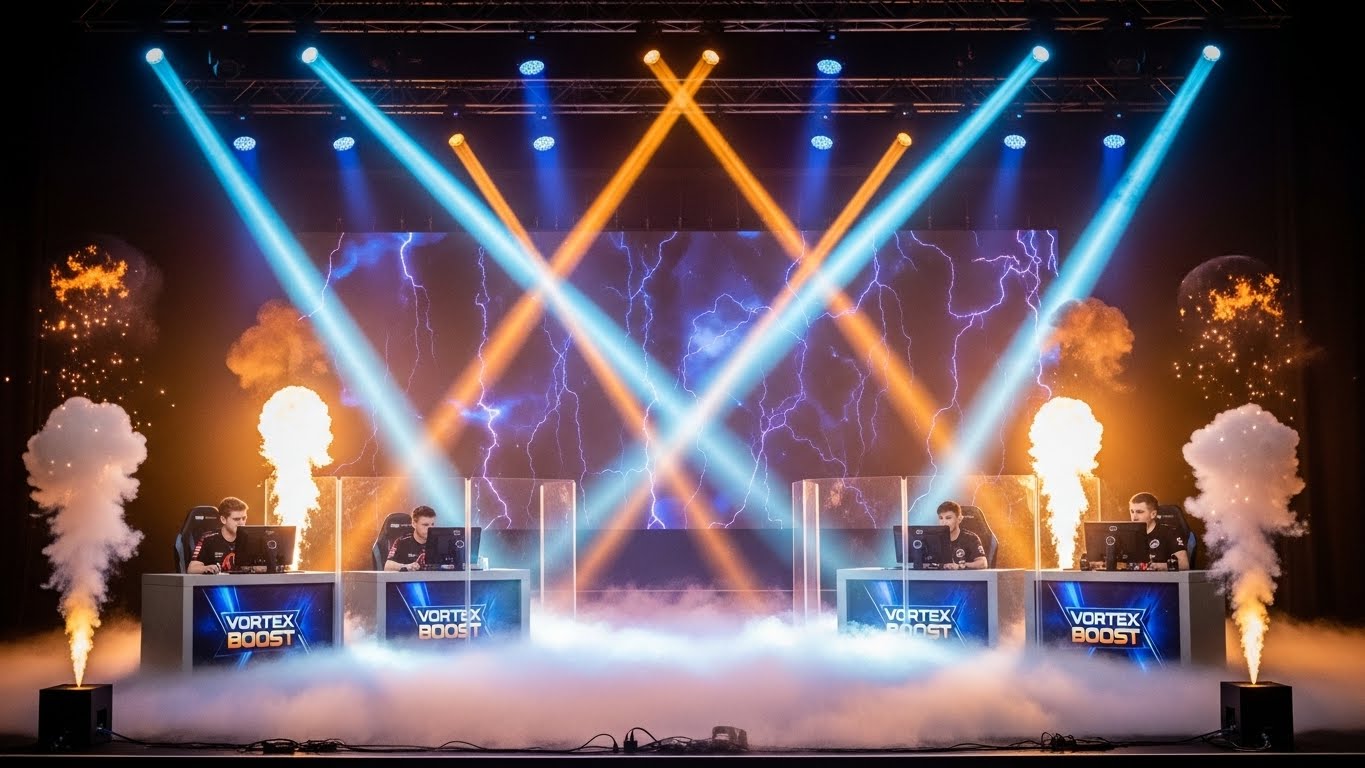
Esports, once considered a niche hobby reserved for a small group of gaming enthusiasts, has now transformed into a global phenomenon. From massive tournaments with multi-million-dollar prize pools to professional players being celebrated like traditional athletes, the esports industry has expanded in ways few could have imagined a decade ago. The growth of esports reflects not just the evolution of gaming but also the changing landscape of entertainment, technology, and culture.
The Origins of Competitive Gaming
The roots of esports can be traced back to the late 1970s and early 1980s when video game competitions first began to surface. Early competitions, such as the Space Invaders Championship in 1980, attracted thousands of participants and showcased the competitive spirit within the gaming community. These events were modest by today’s standards, but they laid the foundation for what would eventually evolve into a full-fledged industry.
In the 1990s, the rise of arcade games and early multiplayer PC games like StarCraft, Quake, and Counter-Strike further fueled competitive gaming. Local tournaments grew into national events, and players began to gain recognition for their exceptional skills. These early pioneers helped shape the competitive structures, teamwork strategies, and gameplay techniques that define modern esports.
The Explosion of Esports in the Digital Era
The 2000s marked a turning point for esports with the advent of high-speed internet and online gaming platforms. Games like League of Legends, Dota 2, and Call of Duty allowed players from around the world to compete in real-time, breaking geographical barriers and creating a truly global competitive community.
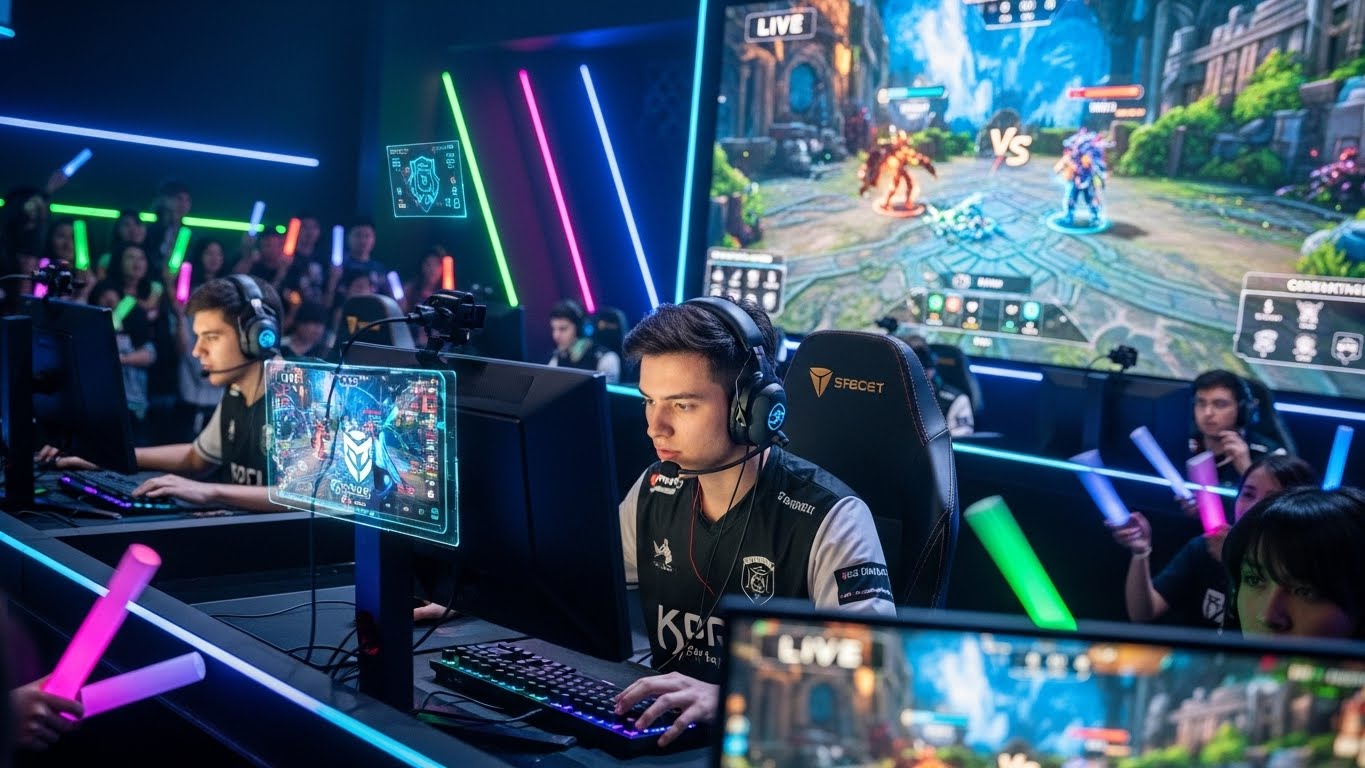
Streaming platforms revolutionized esports by allowing fans to watch live gameplay from professional players and tournaments. Services such as Twitch and YouTube Gaming enabled players to build personal brands, while fans could engage with their favorite teams and personalities in real-time. This interaction transformed gaming from a solitary activity into a social experience, bridging the gap between players and audiences.
Major Esports Tournaments and Leagues
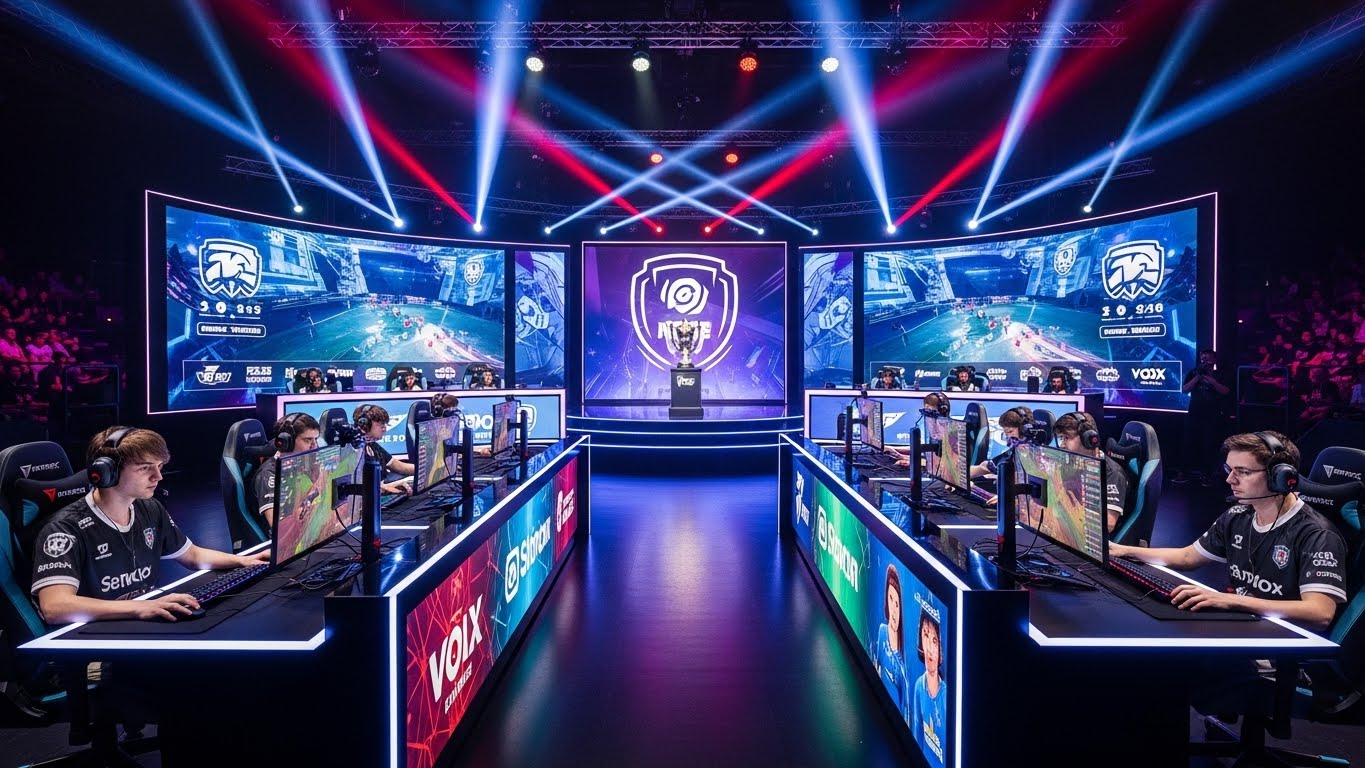
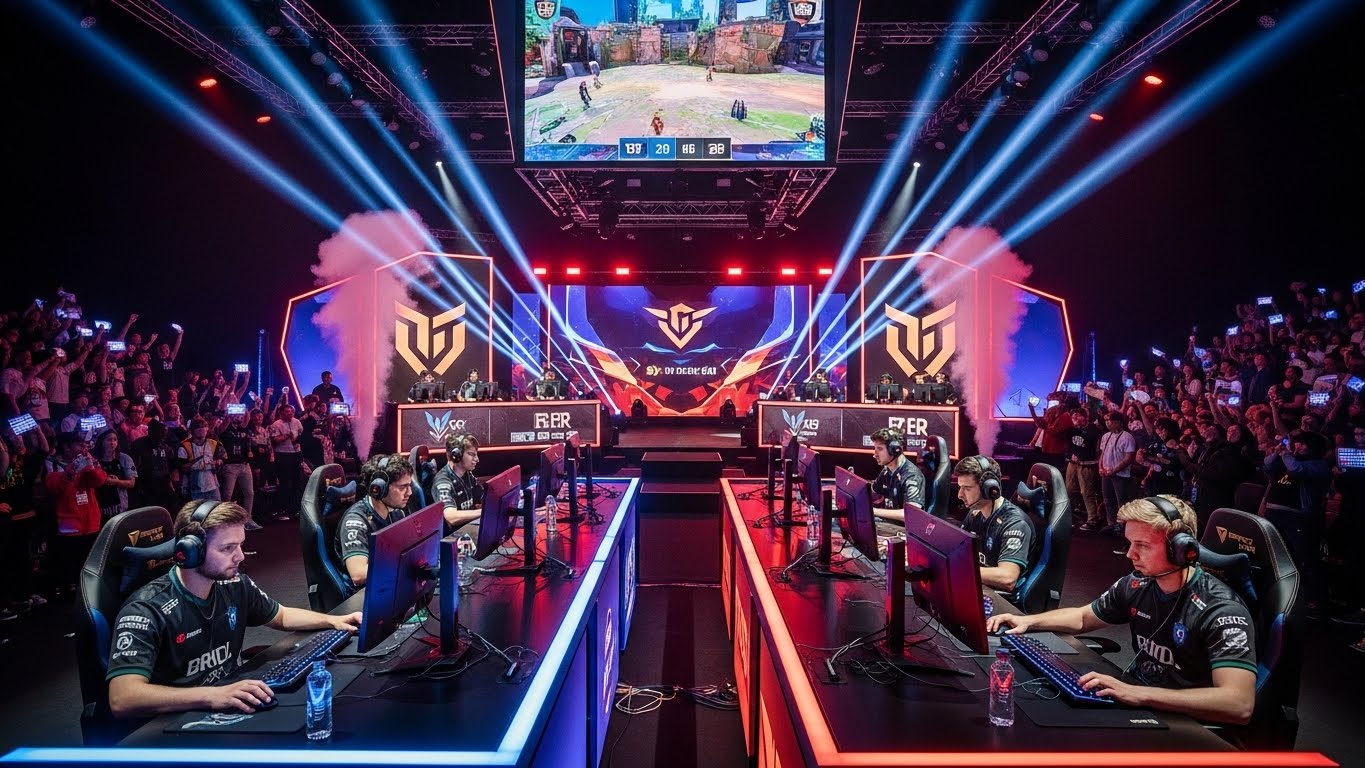
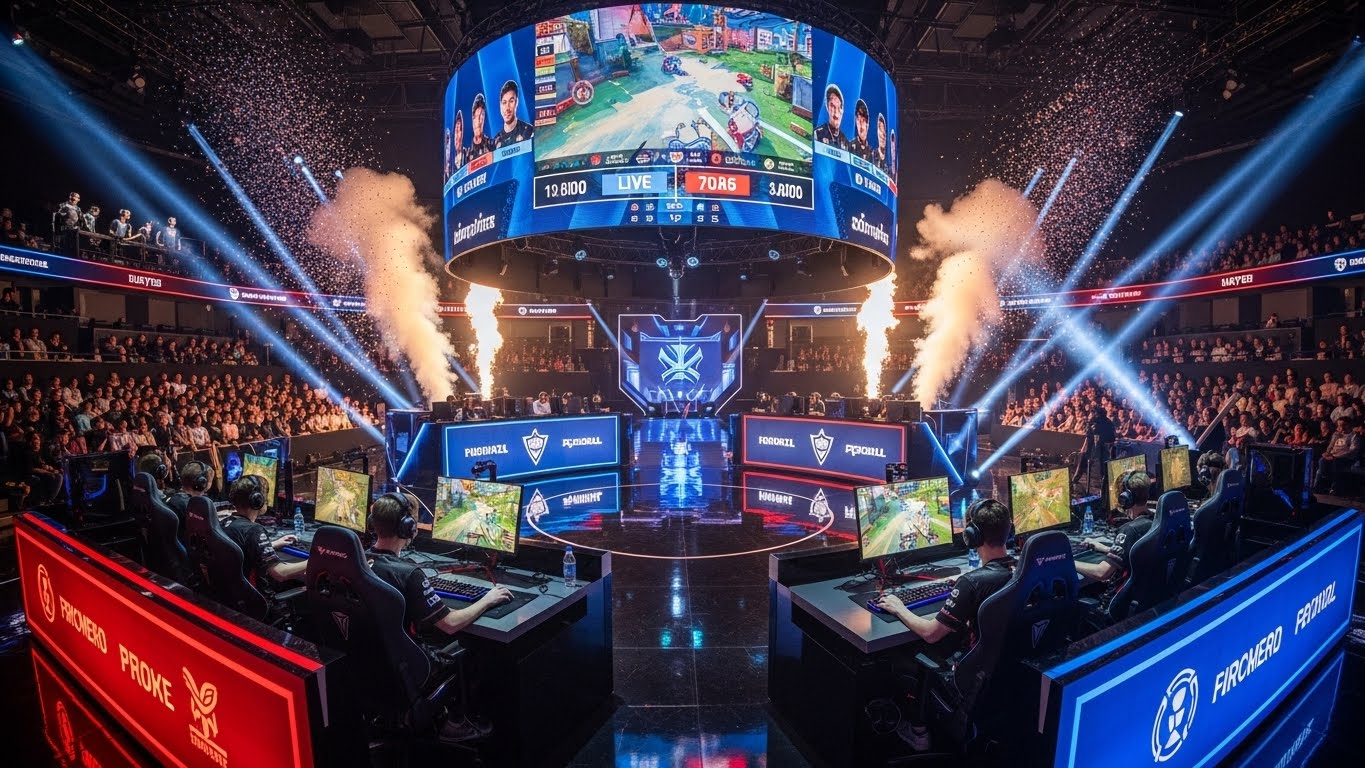
Today, esports tournaments rival traditional sporting events in terms of scale and spectacle. Major tournaments such as The International for Dota 2, the League of Legends World Championship, and the Overwatch League attract millions of viewers worldwide and offer multi-million-dollar prize pools. These tournaments are not only about competition; they are carefully orchestrated entertainment experiences with professional production, commentary, and fan engagement.
Professional esports leagues have also emerged, providing players with structured careers similar to traditional sports. Teams sign players to contracts, provide coaching, and compete in seasonal tournaments. This professionalization of esports has made it possible for players to earn a living solely through gaming, sponsorships, and streaming.
The Economics of Esports
The esports industry has grown into a billion-dollar ecosystem fueled by multiple revenue streams. Sponsorships from major brands, advertising, media rights, merchandise sales, and ticketed events all contribute to the financial growth of esports. Companies recognize the value of esports for marketing and brand exposure, particularly among younger audiences who are highly engaged with gaming content.
Investors have also taken notice, with venture capital funding supporting esports organizations, gaming startups, and streaming platforms. This financial backing has accelerated growth, allowing teams to expand globally and improve infrastructure, training facilities, and player support systems.
The Role of Technology in Esports
Technology has been a key driver behind the rise of esports. High-performance gaming hardware, virtual reality, and advanced streaming software have all contributed to a seamless competitive experience for players and fans alike. Innovations in data analytics also allow teams to study gameplay patterns, improve strategies, and gain competitive advantages.
Artificial intelligence and machine learning are increasingly being applied to training and strategy development in esports. AI tools can simulate opponents, analyze player performance, and even predict in-game trends. This intersection of gaming and technology demonstrates how esports is not only a form of entertainment but also a domain for technological innovation.
The Cultural Impact of Esports
Esports has had a profound impact on global culture, shaping perceptions of gaming and redefining what it means to be a professional athlete. Gaming has moved from being stigmatized as a solitary or “unproductive” activity to a respected field with skill, strategy, and dedication at its core.
The rise of esports celebrities has also changed fan engagement. Players are now cultural icons, with social media followings rivaling those of mainstream athletes. Their influence extends beyond gaming, shaping fashion, music, and entertainment trends. Esports fandom is inclusive, global, and highly interactive, giving rise to a community that thrives on shared experiences and engagement.
Challenges Facing the Esports Industry
Despite its rapid growth, esports faces several challenges. Player burnout is a significant concern due to long training hours, intense competition, and high mental pressure. Unlike traditional sports, esports often lacks long-term career support, leaving players vulnerable to health and financial instability once their competitive peak is over.
Regulation is another area that requires attention. Issues such as cheating, match-fixing, and inconsistent rules across different regions can undermine the integrity of esports competitions. Establishing standardized regulations and support structures is critical for the industry’s long-term sustainability.
Esports and Education
The educational potential of esports is increasingly recognized by schools and universities worldwide. Academic institutions are offering esports programs, scholarships, and career pathways for students interested in gaming-related professions. These programs not only cultivate gaming talent but also teach teamwork, strategic thinking, and technological literacy.
Esports clubs and competitions in schools help students develop social skills, leadership abilities, and problem-solving techniques. By integrating esports into education, institutions are preparing students for a future where digital skills and competitive gaming may play a central role in career opportunities.
The Future of Esports
The future of esports looks promising, with continued growth expected across multiple dimensions. Virtual reality and augmented reality gaming could redefine competitive experiences, making them more immersive than ever. Advances in AI, cloud gaming, and 5G connectivity will enhance gameplay quality and accessibility, allowing more players to participate in global competitions.
Esports is also likely to become more integrated with mainstream entertainment. Collaborations with movies, music, and traditional sports will blur the lines between different forms of media, creating hybrid experiences that appeal to a broader audience. The expansion into mobile esports is another growth area, particularly in regions where mobile gaming is more accessible than PC or console gaming.
Conclusion
Esports has evolved from a niche pastime into a multi-billion-dollar industry that influences technology, culture, and entertainment worldwide. Its growth has redefined what it means to be an athlete, a celebrity, and a gamer in the modern era. While challenges remain, the combination of technological innovation, professionalization, and cultural relevance ensures that esports will continue to thrive and shape the future of entertainment.
Whether as a competitive player, an enthusiastic fan, or a tech-savvy investor, engaging with esports offers an opportunity to be part of a dynamic and rapidly evolving landscape. From humble beginnings in arcades to the grand stages of international tournaments, esports has proven that gaming is more than just play—it’s a global movement that connects people, inspires creativity, and celebrates excellence.