
 esportsmastersarena62
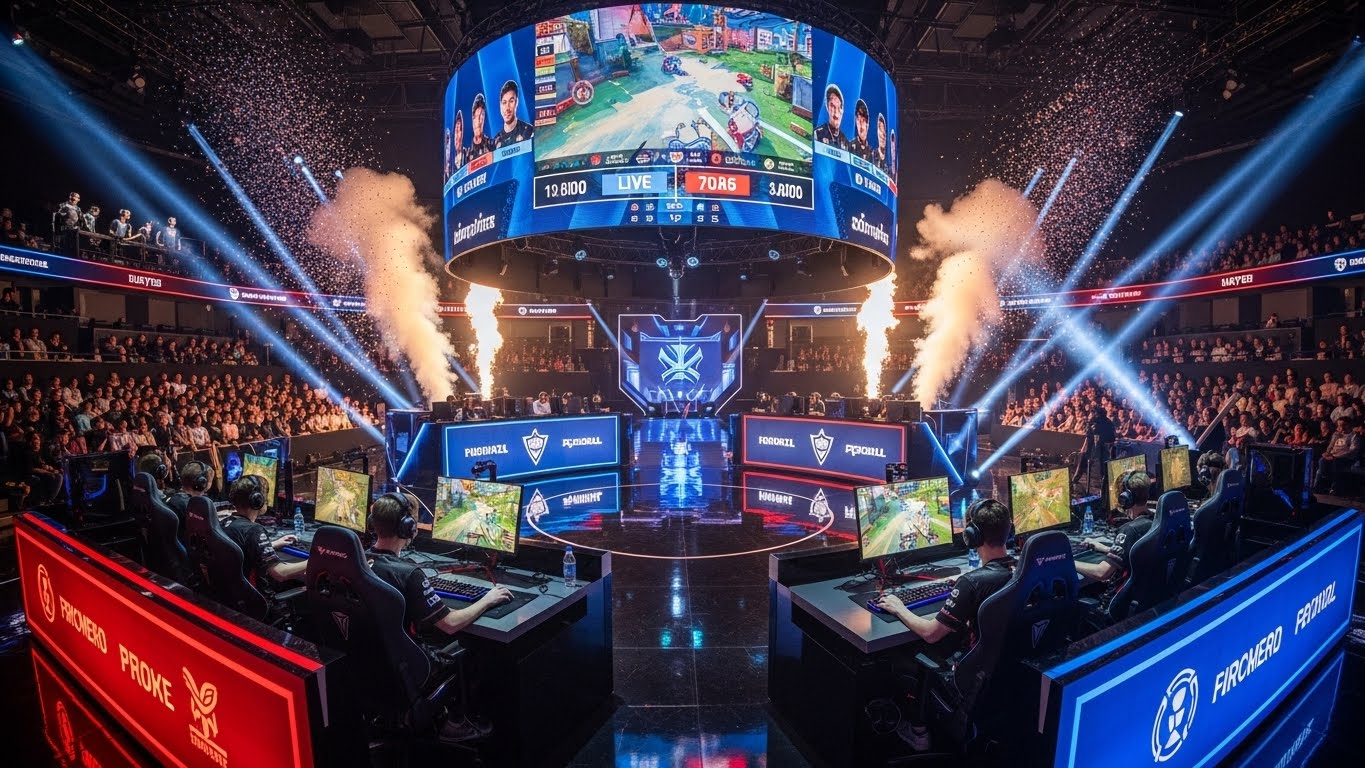
Esports has emerged as one of the most influential cultural and economic phenomena of the 21st century. Once dismissed as a niche hobby for gaming enthusiasts, competitive gaming has transformed into a global industry that rivals traditional sports in audience, revenue, and impact. This evolution has redefined what it means to be an athlete and has created a new form of entertainment that combines technology, skill, and community.
The Humble Beginnings of Competitive Gaming
Competitive gaming traces its roots back several decades, starting with small competitions and arcade tournaments. The first recorded video game competition took place in 1972 at Stanford University, where students competed in a game called Spacewar. This event planted the seed for organized gaming competitions.
During the 1980s, arcade games became increasingly popular. Players competed for high scores on games like Pac-Man and Donkey Kong, gaining recognition among their peers. This era created a culture of gaming challenges and established the early concept of public competition in video games.
By the 1990s, the rise of personal computers and home gaming consoles allowed for more sophisticated games and larger audiences. Titles like Street Fighter II, Quake, and Warcraft III became central to early esports tournaments. The growing availability of the internet further enabled players to compete online, breaking down geographical barriers and connecting gaming communities worldwide.
The Rise of Modern Esports
The early 2000s marked the professionalization of esports. Fast internet connections allowed for large-scale multiplayer competitions, creating opportunities for professional players to emerge. Games like Counter-Strike and StarCraft became the backbone of organized esports, particularly in regions like South Korea, where gaming became a mainstream form of entertainment.
South Korea pioneered the concept of professional gaming leagues and esports broadcasting, turning players into celebrities. Lim Yo-hwan, also known as BoxeR, became a household name, inspiring a generation of competitive gamers. Other countries soon followed suit, forming leagues, organizing tournaments, and attracting sponsorships, which fueled the growth of the esports industry globally.
Streaming and the Global Audience
The introduction of live streaming platforms revolutionized esports. Services like Twitch and YouTube Gaming allowed players to broadcast their gameplay to millions of viewers in real time. Fans could watch tournaments, follow their favorite players, and engage with communities from anywhere in the world.
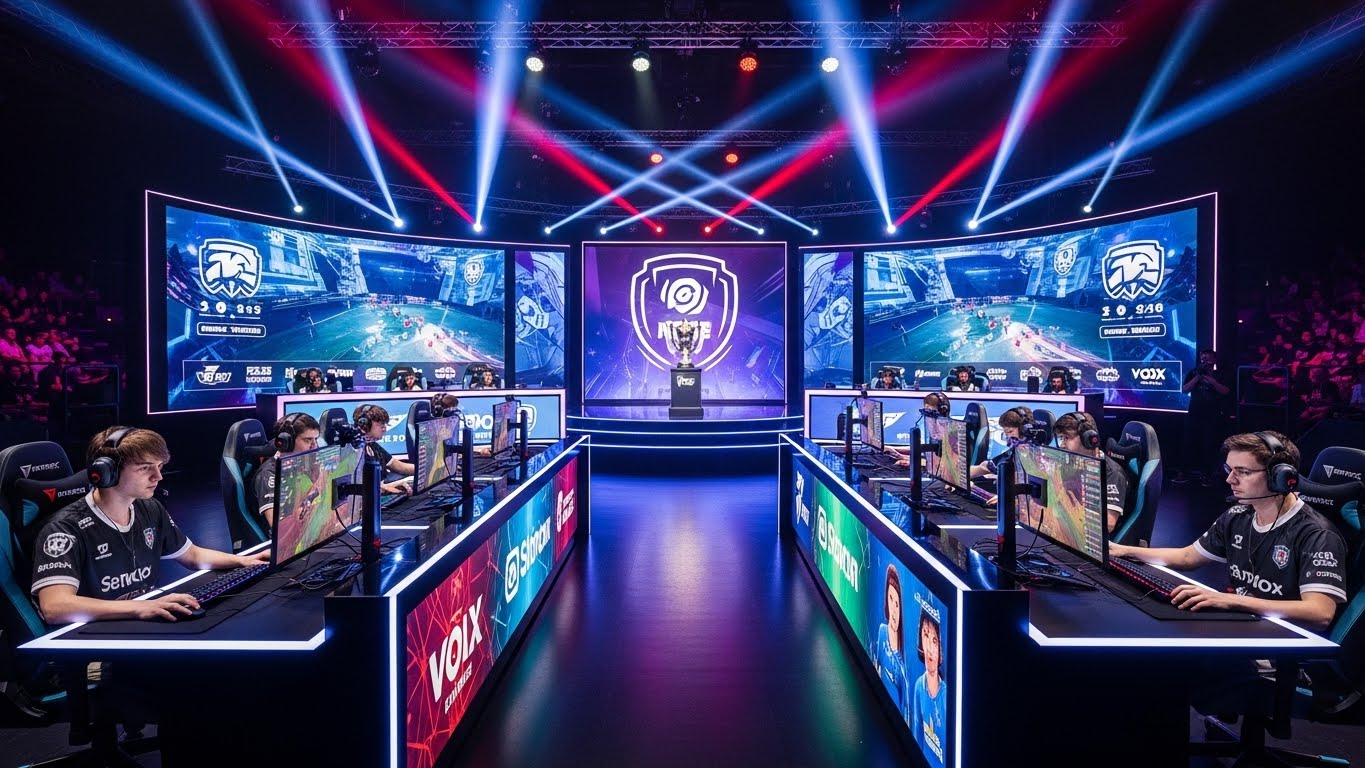
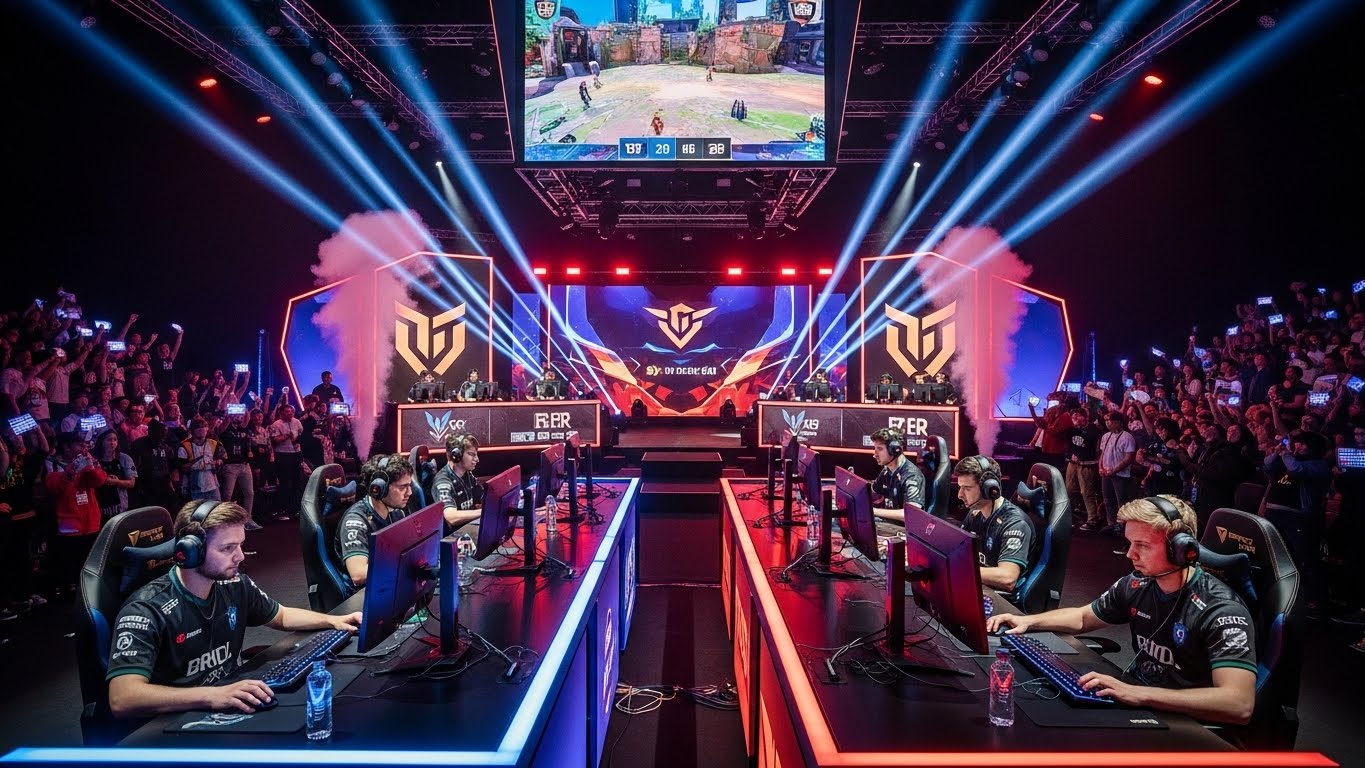
Streaming transformed esports from a niche competitive activity into a spectator sport. Players became personalities, blending entertainment with skill. This interactivity between gamers and fans created a unique dynamic, where the audience became an active part of the esports ecosystem. Major tournaments began to rival traditional sporting events in viewership, with large-scale broadcasts, professional commentators, and high-quality production values enhancing the experience.
The Economic Impact of Esports
Esports has evolved into a multi-billion-dollar industry with diverse revenue streams. Sponsorships, advertising, merchandise, media rights, and ticket sales contribute to its financial growth. Brands from technology, fashion, food, and entertainment industries invest heavily in esports to reach younger demographics who spend significant time online.
Professional esports organizations operate much like traditional sports franchises. They hire coaches, analysts, and support staff, provide training facilities, and develop long-term strategies for their teams. The scale of investment in players and infrastructure has elevated esports to a serious professional endeavor, where players can earn substantial income through salaries, prize money, and sponsorship deals.
High-profile tournaments, such as The International for Dota 2, have prize pools surpassing millions of dollars, showcasing the financial magnitude of the esports world. These rewards have made competitive gaming a viable career option for talented players worldwide.
The Global Influence of Esports
One of esports’ most remarkable qualities is its universal appeal. Gamers from different countries, languages, and cultures compete on the same platforms, fostering international communities and cultural exchange.
Countries like South Korea, China, and the United States have embraced esports as a source of national pride. Educational institutions now offer esports scholarships, while some governments officially recognize esports players as professional athletes. This acknowledgment allows players to travel internationally, participate in competitions, and pursue careers within the industry.
Esports also impacts popular culture. Fashion brands collaborate with gaming companies, music artists perform at tournaments, and gaming references increasingly appear in movies, television, and social media. This cultural integration reinforces esports as more than a competitive activity—it is a global movement that influences lifestyle, entertainment, and identity.
The Skills and Science Behind Esports
Success in esports requires more than raw talent. Professional players dedicate hours daily to training, developing reflexes, strategic thinking, and teamwork. Many teams employ coaches, psychologists, and nutritionists to optimize performance, prevent burnout, and maintain mental health.
Analytical skills are critical in esports. Teams study opponents’ strategies, track in-game statistics, and refine tactics to gain a competitive advantage. Players must exhibit precision, quick decision-making, and adaptability. The preparation and discipline required demonstrate that esports is a complex field combining physical coordination, mental acuity, and strategic insight.
The Esports Ecosystem
Esports thrives on a carefully balanced ecosystem of developers, players, organizations, and fans. Game developers maintain competitive balance, provide tools for tournaments, and engage communities with updates and events. Titles like League of Legends, Valorant, Overwatch, and Fortnite maintain strong esports ecosystems through regular updates and support.
Professional players and teams are the visible faces of esports. Their skill, dedication, and charisma attract audiences and generate excitement. Fans play an equally important role by supporting players, creating communities, and consuming content. This reciprocal relationship drives the growth and sustainability of esports, ensuring that it continues to evolve and expand globally.
Esports in Education
Esports has found a place within educational institutions, where it promotes teamwork, communication, leadership, and digital literacy. High schools and universities worldwide are launching esports programs, providing students with competitive opportunities, scholarships, and pathways to careers in the gaming industry.
Collegiate leagues mirror professional competitions, with organized schedules, coaching staff, and structured tournaments. Beyond competition, esports education fosters skills in event management, marketing, broadcasting, and game design, preparing students for a rapidly expanding global industry.
Challenges Facing Esports
Despite its rapid growth, esports faces significant challenges. Player burnout is common due to intensive practice schedules and high-pressure competition. Many professional gamers retire in their mid-20s, earlier than athletes in traditional sports.
Maintaining competitive integrity is also a concern. Cheating, match-fixing, and unethical behavior occasionally emerge, highlighting the need for standardized rules and regulations. Additionally, wage inequality and unstable contracts remain challenges, especially for players in smaller organizations.
Gender diversity and inclusion are other pressing issues. While female gamers are prominent within gaming communities, professional esports remains largely male-dominated. Efforts are underway to create inclusive spaces, support women in competitive gaming, and foster greater representation at all levels.
The Future of Esports
The future of esports promises continued growth and innovation. Emerging technologies such as virtual reality, augmented reality, and cloud gaming are expected to reshape competitive gaming and spectator experiences. Virtual arenas and immersive broadcasts may redefine the way audiences engage with tournaments.
Traditional sports organizations are increasingly integrating esports into their strategies. Football, basketball, and racing teams have launched esports divisions, bridging conventional athletics with digital competition. Mobile gaming has further expanded esports’ reach, providing access to regions where high-end PCs or consoles are less prevalent.
Esports will continue to thrive due to its accessibility, community-driven growth, and technological evolution. Its expansion is not just limited to competition—it encompasses entertainment, education, and cultural influence on a global scale.
Conclusion: The Digital Revolution in Competition
Esports represents a fundamental shift in how society views competition, entertainment, and digital interaction. It transforms virtual gameplay into professional careers, community engagement, and cultural phenomena.
This new era of digital competition highlights creativity, strategy, and collaboration as core elements of success. As esports continues to expand, it redefines the notion of sports, making it accessible to anyone with passion, skill, and connectivity.
In a world where technology increasingly shapes human experience, esports stands as a testament to the power of innovation, skill, and global community. The digital arena has become a stage where the next generation of athletes competes, entertains, and inspires. Esports is no longer just a game; it is a defining aspect of modern culture.