
 esportsmastersarena62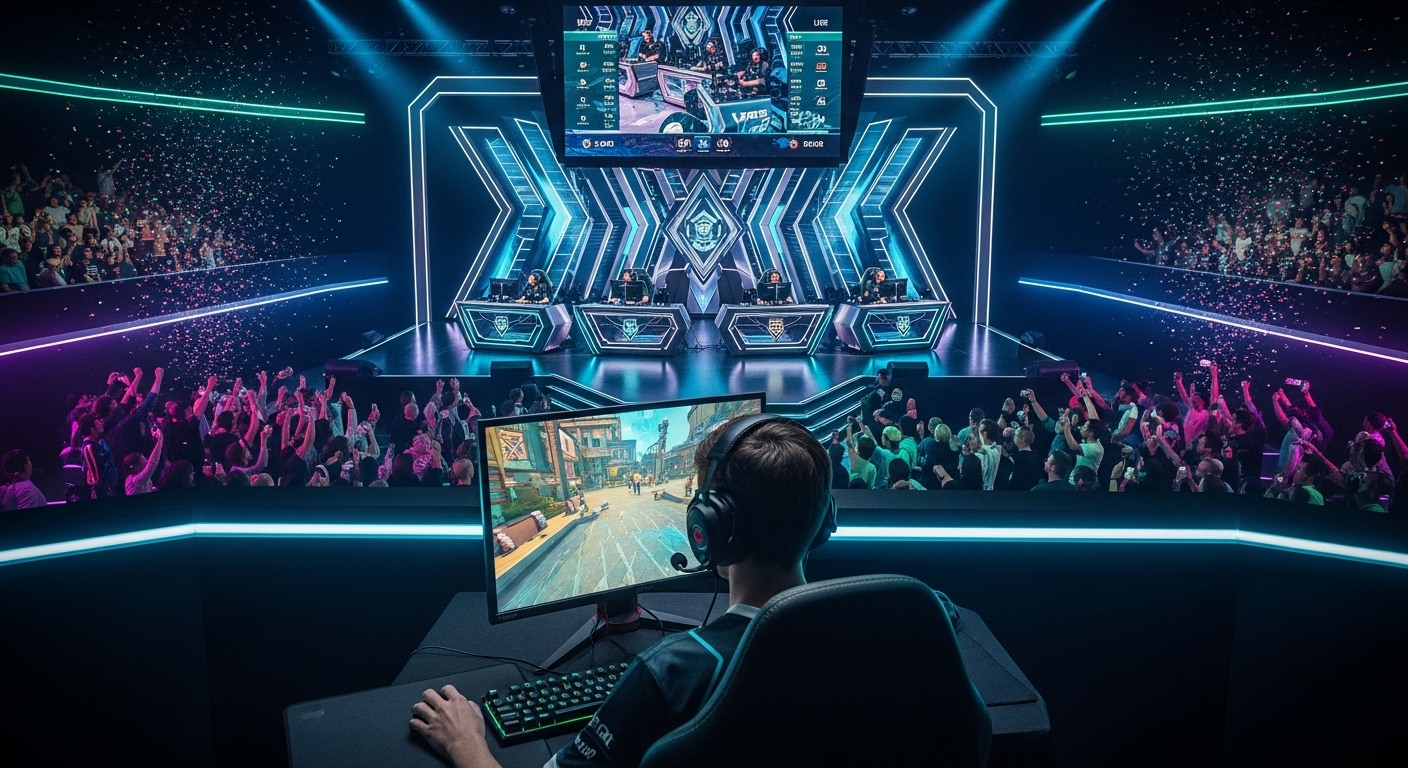
Introduction: A New Era of Competition
In the span of just a few decades, competitive gaming has evolved from a niche pastime into one of the most powerful entertainment industries on the planet. What was once dismissed as a hobby for teenagers has now become a global phenomenon that fills stadiums, attracts millions of viewers, and awards prize pools that rival traditional sports championships. Esports, short for electronic sports, represents the meeting point between technology, competition, and culture — a revolution that redefines what it means to be an athlete, a fan, and a competitor in the 21st century.
The story of esports is not just about video games. It is about community, innovation, and the human desire for excellence. The rise of esports reflects how digital culture has matured and integrated into the mainstream. From the early days of local arcade tournaments to today’s international competitions streamed live to millions across the world, esports has transformed into a legitimate, professional ecosystem with its own heroes, legends, and moments of glory.
The Origins: From Arcades to LAN Parties
The roots of esports stretch back to the late 1970s and early 1980s, when arcade machines like Space Invaders and Pac-Man captivated young players around the world. One of the first recorded video game competitions took place in 1980, when Atari organized the Space Invaders Championship, drawing over ten thousand participants across the United States. For the first time, gaming was more than personal entertainment — it was a contest of skill, strategy, and reflexes.
As technology evolved, so did the platforms for competition. The 1990s saw the emergence of personal computers and early local area network (LAN) setups, which allowed players to connect their computers and battle each other in real-time. Games like Doom, Quake, and StarCraft became early esports staples, particularly in South Korea, where gaming culture was flourishing. Internet cafés known as “PC bangs” became hubs for gamers, and professional players began to emerge as celebrities.
These early tournaments were grassroots in nature, often organized by players themselves or small gaming communities. But even in those days, the passion, intensity, and dedication of players hinted at something much larger. The spirit of competition had found a new home in the digital realm.
The Turn of the Millennium: Esports Goes Global
The early 2000s marked the beginning of esports as a structured, global industry. The arrival of broadband internet and the expansion of multiplayer online games created the perfect environment for large-scale competitions. Titles such as Counter-Strike, Warcraft III, and Dota became legendary within competitive circles.
During this period, several major organizations and tournaments were founded, setting the foundation for modern esports. The World Cyber Games, founded in 2000, and the Electronic Sports World Cup became global showcases of talent. Players from different continents gathered to represent their countries, much like athletes at the Olympics.
Meanwhile, South Korea emerged as the epicenter of esports culture. With professional leagues for games like StarCraft: Brood War, televised matches, and sponsorship deals, South Korea proved that gaming could be a serious career. Players such as BoxeR and NaDa became household names, inspiring a generation of competitors worldwide.
The Western world soon followed suit. The establishment of Major League Gaming (MLG) in the United States in 2002 brought esports into the North American spotlight. The stage was set for the industry to explode into mainstream entertainment.
The Streaming Revolution and the Power of Accessibility
One of the biggest catalysts for the rise of esports was the advent of streaming platforms. Before live-streaming, esports events were difficult to access, often limited to specific regions or pay-per-view broadcasts. With the launch of platforms such as Twitch and YouTube Gaming, the floodgates opened.
Streaming gave fans the ability to watch their favorite players live from anywhere in the world, for free. It also allowed aspiring players to broadcast their own gameplay, building personal brands and fan bases. The interaction between player and viewer became immediate and personal. The digital stadium was now global, and anyone could participate.
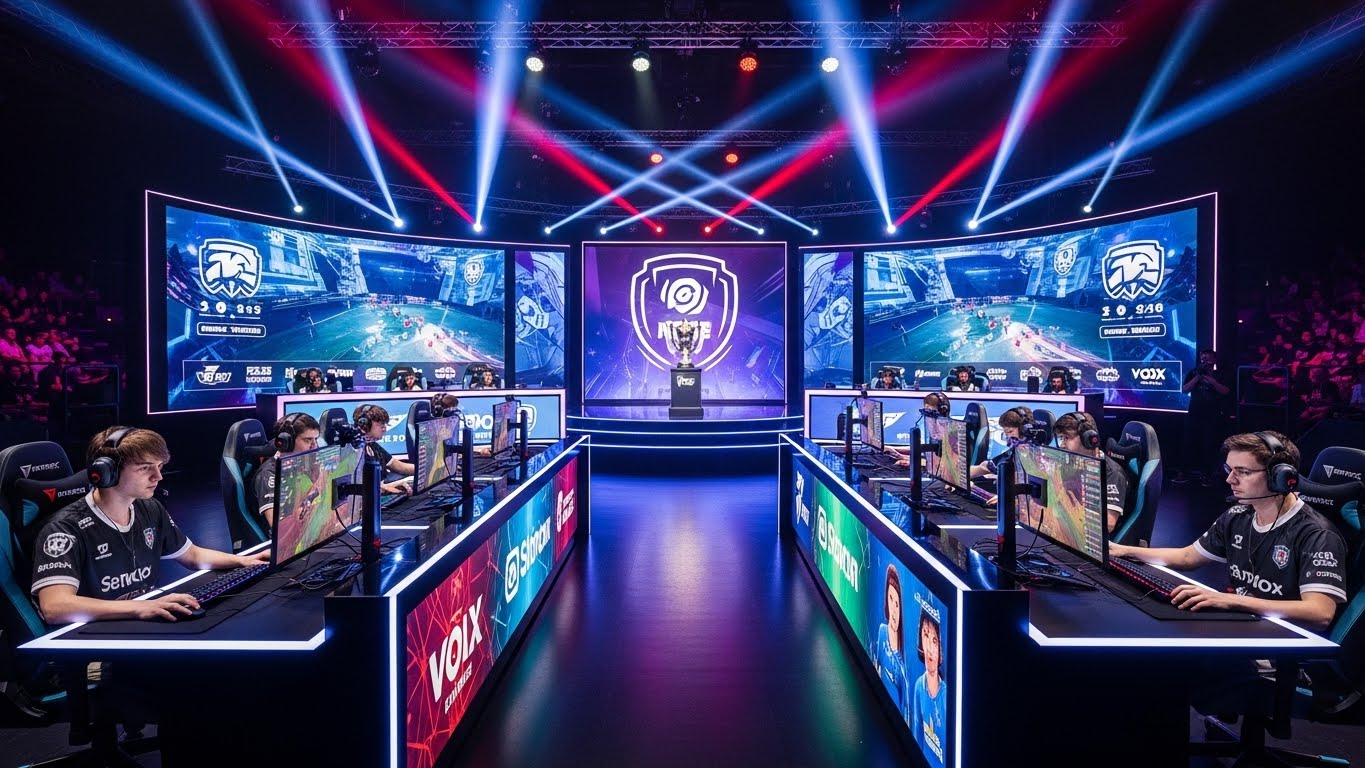
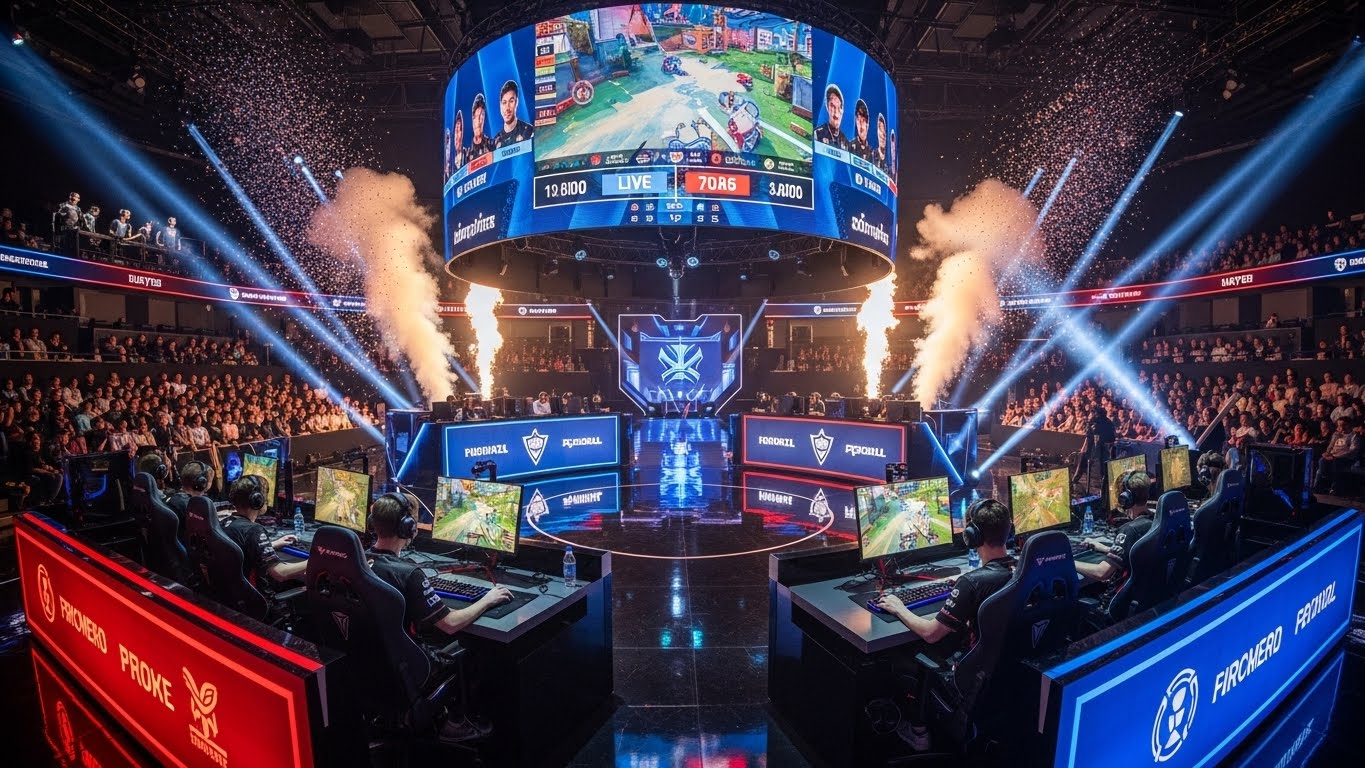
This accessibility redefined the esports landscape. Games like League of Legends, Dota 2, and Counter-Strike: Global Offensive attracted millions of viewers for major tournaments. The 2013 League of Legends World Championship filled the Staples Center in Los Angeles, a venue once reserved for traditional sports icons. The 2019 Fortnite World Cup awarded a total of $30 million in prize money, with the solo champion, Bugha, earning three million dollars at just sixteen years old.
Streaming turned esports into a participatory culture, where fans could engage, donate, comment, and even influence the community’s growth. It blurred the lines between player, spectator, and influencer.
The Business of Esports: An Industry of Giants
Esports is not merely entertainment; it is a multi-billion-dollar industry that continues to grow at an astonishing rate. Game developers, sponsors, media companies, and investors have recognized the enormous potential of competitive gaming.
Sponsorships and advertising form the backbone of the esports economy. Companies from tech giants to beverage brands have poured money into esports teams, leagues, and events. The global reach and youthful demographic of the esports audience make it an attractive market for brands looking to connect with digital natives.
Franchise-based leagues, such as the Overwatch League and the Call of Duty League, were modeled after traditional sports organizations, complete with city-based teams, salaries, and structured seasons. Esports teams like Team Liquid, Fnatic, Cloud9, and T1 have become globally recognized organizations, representing a blend of sports professionalism and entertainment flair.
Media rights and merchandise sales add further layers to the financial ecosystem. Major tournaments sell out arenas and generate millions in online viewership, while fan engagement through social media and branded content drives additional revenue.
The esports industry also fuels a vast network of related professions — from coaches and analysts to event organizers, broadcasters, content creators, and marketing experts. It is an interconnected web of talent that sustains an ever-expanding digital economy.
The Players: Digital Athletes and Global Icons
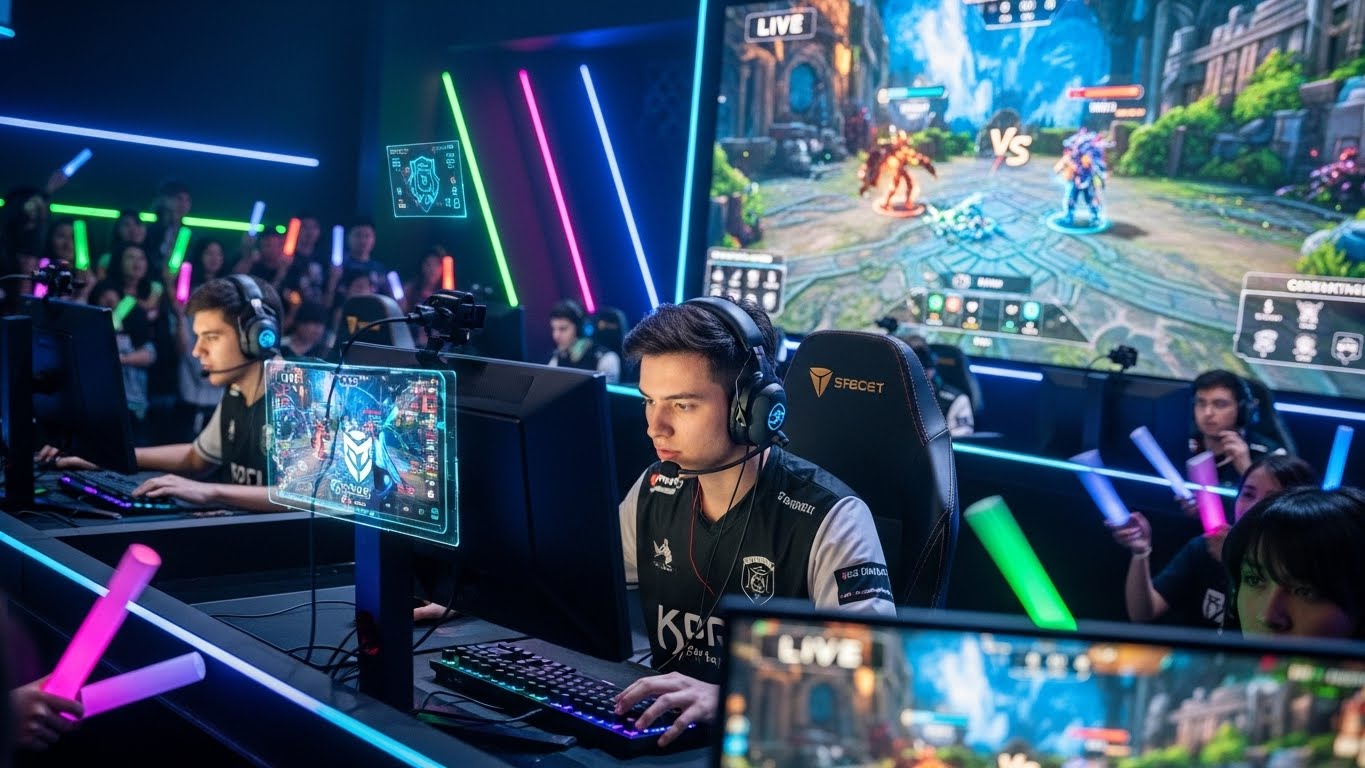
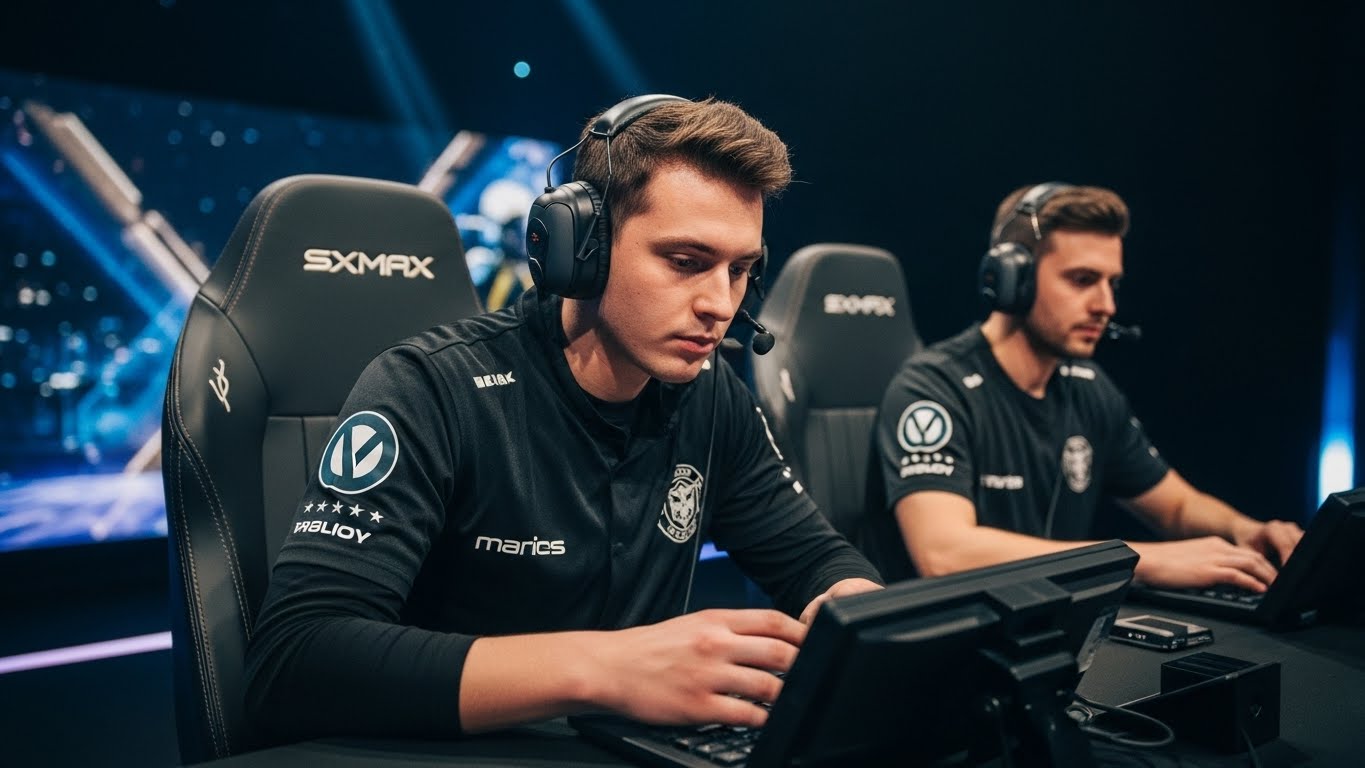
At the heart of esports are the players — individuals whose reflexes, strategies, and mental endurance rival those of traditional athletes. Professional gamers train for hours each day, analyzing opponents, perfecting tactics, and maintaining peak mental focus.
Unlike the stereotype of casual gaming, professional esports requires discipline and teamwork. In team-based games such as Dota 2 or Valorant, coordination and communication are crucial. Players must perform under immense pressure, often in front of millions of viewers.
The rise of esports has also created a new kind of celebrity. Streamers and players like Faker, s1mple, Ninja, and Shroud are not just competitors but influencers with massive global followings. They represent the bridge between professional sports and entertainment, inspiring young fans who dream of turning their passion for gaming into a career.
Esports athletes are also increasingly recognized for their physical and mental health needs. Many teams employ nutritionists, psychologists, and fitness coaches to ensure their players maintain balance and longevity in their careers. The professionalism of the field continues to grow as the line between virtual and physical competition becomes less distinct.
The Cultural Impact: From Subculture to Mainstream
Perhaps the most remarkable aspect of esports is its cultural integration. Gaming, once stigmatized as an isolating activity, has become a social and creative platform that unites people across borders.
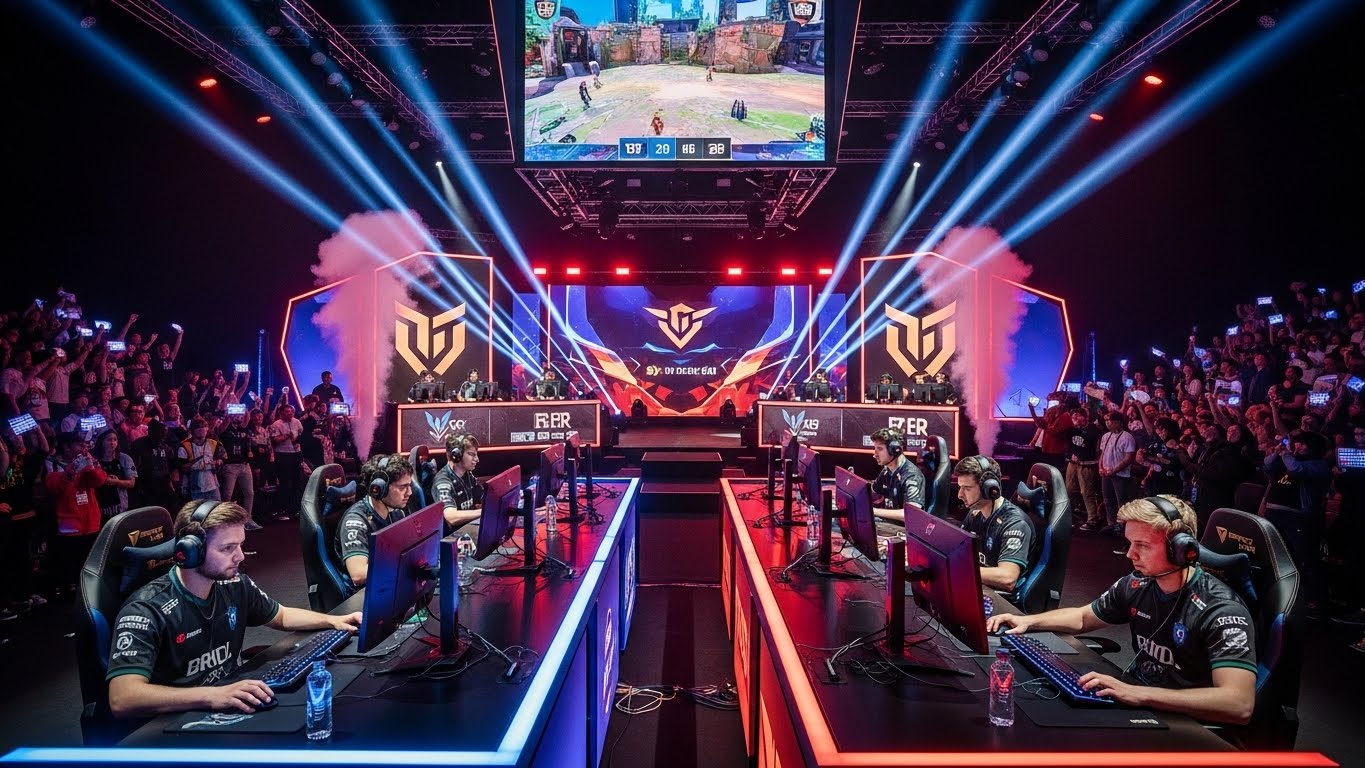
Esports events now fill stadiums, appear on television, and are even discussed in mainstream media alongside football or basketball. Universities around the world have introduced esports scholarships, recognizing the strategic and cognitive skills involved. Some schools have even formed official esports teams, treating gaming as a legitimate extracurricular pursuit.
Music, fashion, and film have also embraced esports culture. Artists perform at gaming events, and brands collaborate with esports teams to release exclusive merchandise. Documentaries and series exploring the lives of professional gamers have gained massive audiences, further cementing the cultural relevance of esports.
Esports represents the convergence of entertainment, competition, and technology in a way that appeals to the digital generation. It reflects a world where creativity and skill are no longer confined to physical spaces but thrive in virtual ones.
The Global Reach: A Truly International Phenomenon
One of the defining features of esports is its global inclusivity. Unlike many traditional sports that are geographically or economically restricted, esports can be accessed by anyone with an internet connection.
From Seoul to Stockholm, from Los Angeles to Lagos, gaming transcends language and culture. Regional leagues have emerged worldwide, each contributing to the diversity and richness of the esports landscape. Countries like China, South Korea, and the United States dominate in terms of investment and audience size, but emerging regions such as Southeast Asia, Latin America, and the Middle East are rapidly developing competitive scenes of their own.
Esports provides a platform where players from vastly different backgrounds can compete on equal terms. It is a meritocratic space where talent, dedication, and innovation matter more than geography or physical ability. In this sense, esports has become one of the most democratizing forces in global entertainment.
Challenges and Controversies: The Growing Pains of a Young Industry
Despite its incredible success, esports faces challenges that reflect both its youth and complexity. Issues such as player burnout, lack of regulation, and financial instability among smaller organizations are ongoing concerns.
Match-fixing scandals, doping allegations, and unethical sponsorships have occasionally tainted the industry’s reputation. Moreover, the volatility of gaming titles means that esports ecosystems can rise and fall depending on the popularity of a single game.
Another significant challenge is inclusivity. While esports is open in theory, the community still struggles with gender imbalance and instances of toxicity. Many organizations are working to create more welcoming environments for women and marginalized players, but progress remains uneven.
Additionally, as the industry grows, the question of governance becomes more pressing. Unlike traditional sports, which have centralized federations and standardized rules, esports operates through multiple independent entities. Game publishers retain control over their intellectual property, often determining the competitive structure. This lack of universal oversight creates tension between developers, players, and leagues.
The Role of Technology: The Engine Behind Esports
Esports could not exist without technology, and its future depends heavily on technological advancement. High-speed internet, powerful hardware, and sophisticated software form the backbone of the competitive gaming experience.
Advancements in virtual reality, augmented reality, and artificial intelligence promise to reshape the way esports is played and consumed. AI tools already assist in player analytics and strategy development, while VR-based esports are beginning to explore new dimensions of interactivity.
The integration of blockchain technology and digital collectibles, such as in-game items or NFTs, has also begun to influence the esports economy, creating new avenues for fan engagement and ownership. While these technologies remain controversial, their potential to redefine monetization and community participation is undeniable.
Esports and Education: Learning Through Play
A growing number of educational institutions recognize the potential of esports as a tool for learning and development. Beyond competition, gaming teaches valuable skills such as teamwork, communication, leadership, and strategic thinking.
High schools and universities around the world are forming esports programs that blend competition with academic study. Students can pursue degrees in game design, event management, broadcasting, and even esports psychology. These programs not only prepare students for careers in gaming but also harness the educational potential of interactive media.
The inclusion of esports in education reflects a broader societal shift — one that acknowledges digital literacy and collaboration as essential skills for the modern world.
The Future of Esports: Beyond the Screen
As we look ahead, esports stands poised to become an even more dominant cultural and economic force. With the continued growth of mobile gaming, cloud gaming, and global connectivity, the audience for esports is expected to expand exponentially.
The boundaries between virtual and physical competition are also blurring. Hybrid events that combine live audiences with virtual reality experiences are becoming more common, offering immersive spectacles that push the limits of entertainment.
In the future, we may see esports integrated with other emerging technologies such as the metaverse, creating shared digital spaces where players and fans coexist in real-time. This could transform esports from a spectator sport into a fully participatory experience, where fans can interact, compete, and collaborate within vast virtual ecosystems.
Conclusion: The Legacy of Esports
Esports is not a passing trend; it is a defining feature of the digital age. It represents the intersection of technology, creativity, and human ambition. What began as a small subculture has evolved into a global movement that connects millions through shared passion and competition.
The rise of esports is the story of how entertainment adapts and thrives in a connected world. It is a testament to innovation and the universal desire to challenge, create, and belong. Whether played in a packed arena, streamed to millions online, or experienced from the comfort of home, esports embodies the spirit of modern culture — dynamic, inclusive, and endlessly evolving.
The future of competition is digital, and esports is leading the way.