
 esportsmastersarena62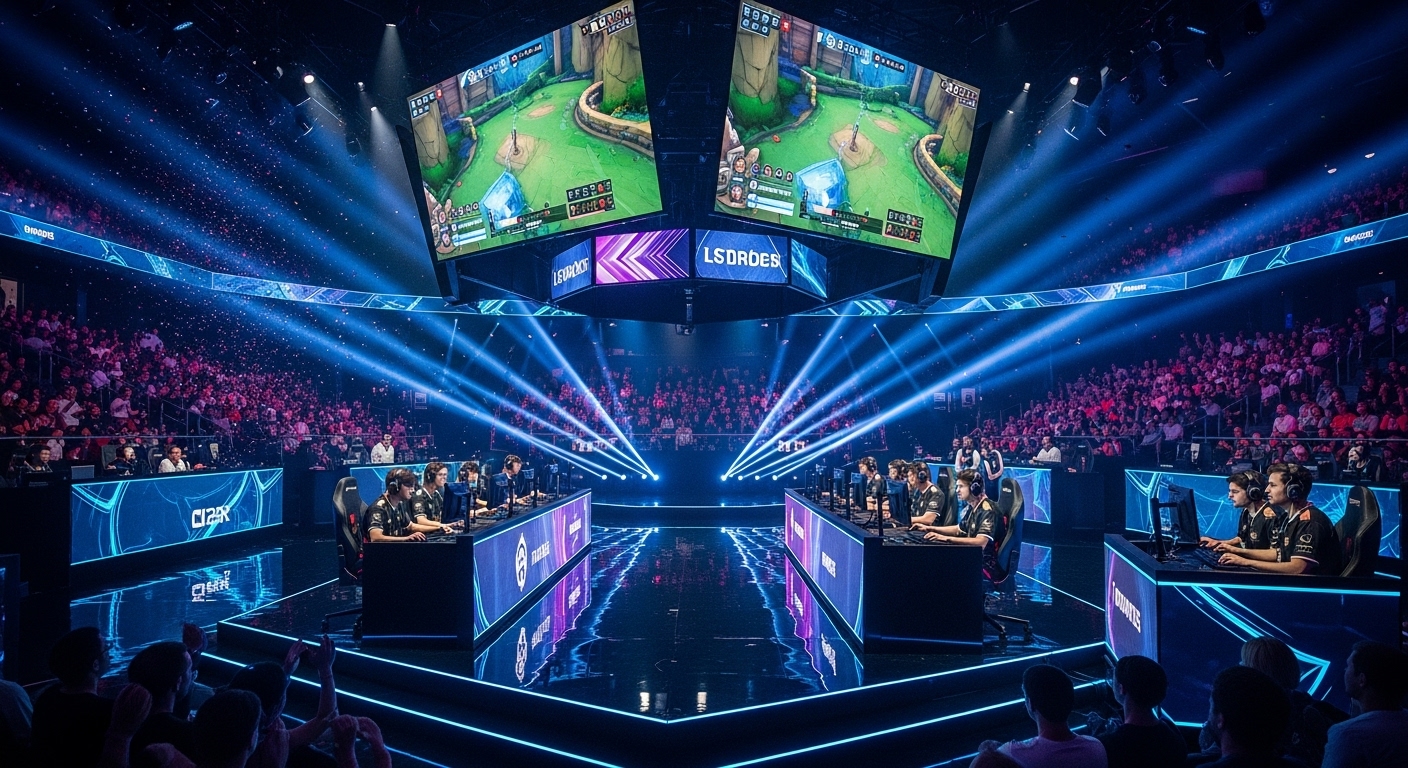
Introduction: Esports as a Cultural Revolution
Esports has rapidly transformed from a casual pastime into a worldwide competitive phenomenon. What began as small gaming contests in basements and internet cafes has grown into a major industry that captivates millions of fans and generates billions in revenue. This digital revolution is reshaping how people play, watch, and engage with video games on a global scale.
Defining Esports: More Than Just Gaming
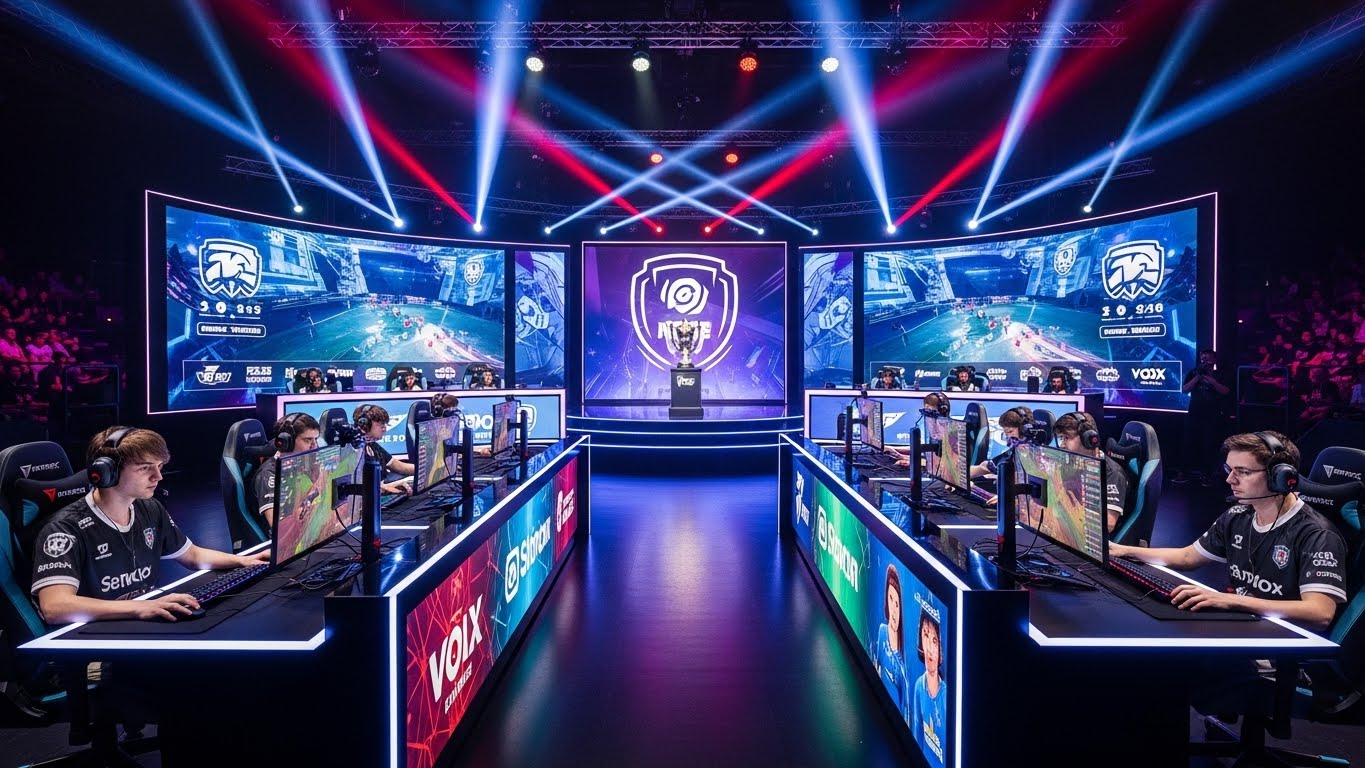
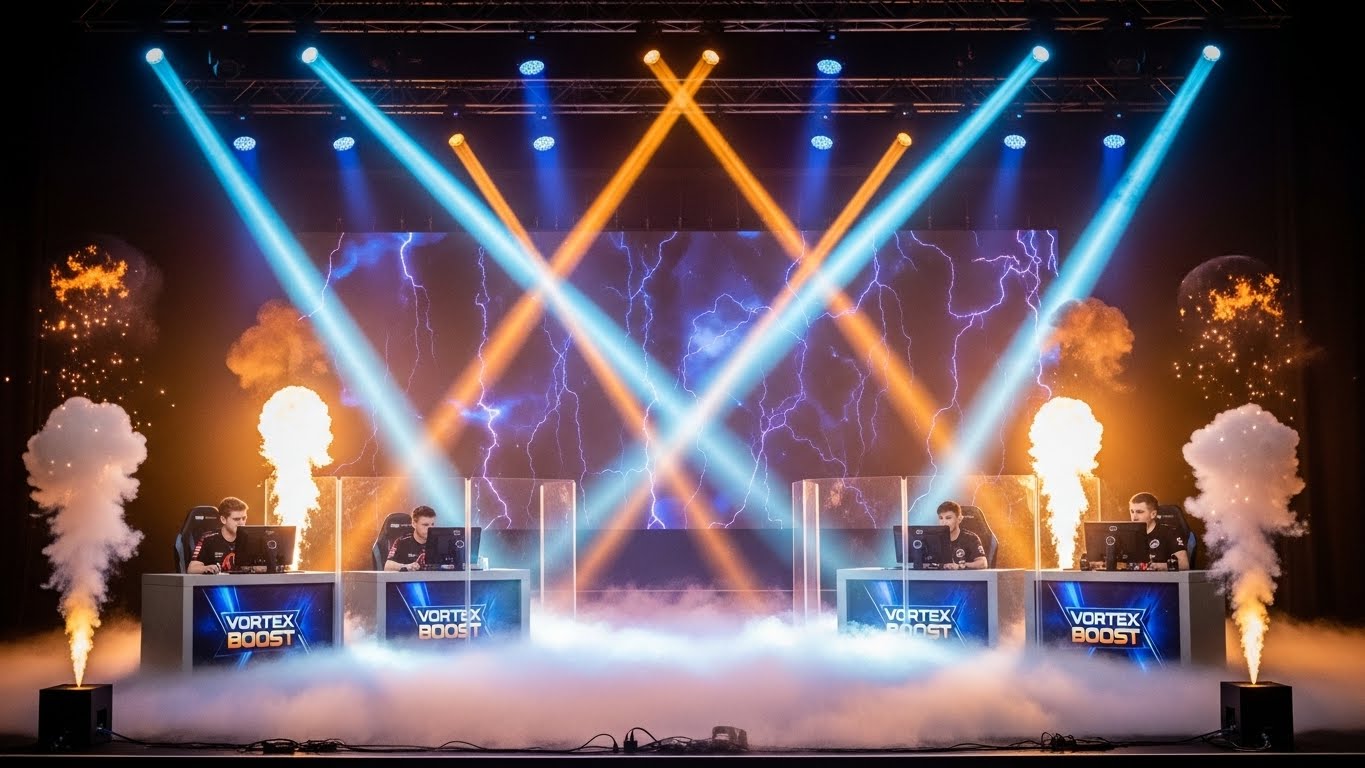
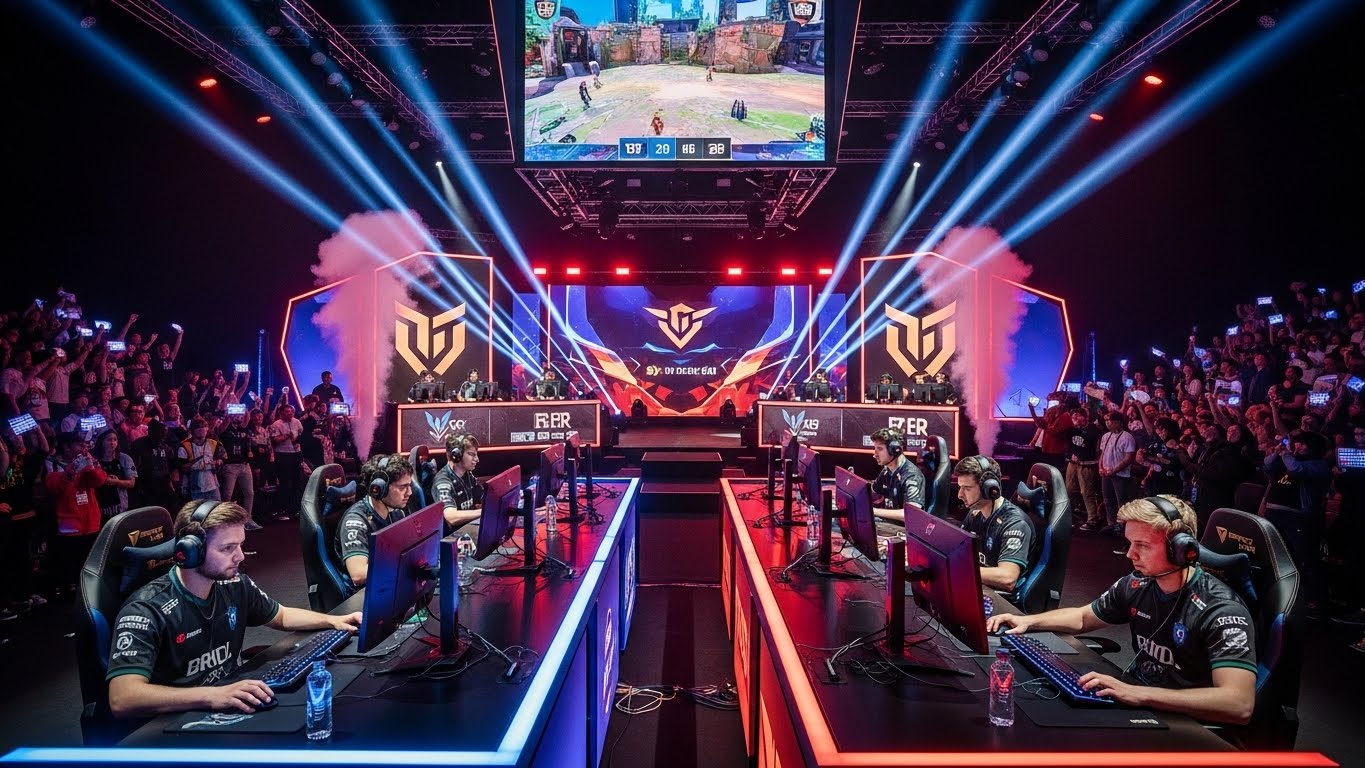
At its core, esports stands for electronic sports, where players compete in organized video game competitions. These contests range from individual matches to large-scale team events, often streamed live to a global audience. The skills required go beyond mere gameplay; strategy, teamwork, mental agility, and quick reflexes are essential. This professional level of competition mirrors traditional sports in intensity and dedication.
Iconic Games That Drive the Scene
Several games have played pivotal roles in establishing esports as a mainstream entertainment form. Titles like League of Legends, Dota 2, Counter-Strike, Overwatch, and Fortnite have cultivated passionate communities and fostered professional leagues. Each game offers distinct mechanics and competitive structures, appealing to diverse player bases and attracting millions of spectators.
The Global Community Behind Esports
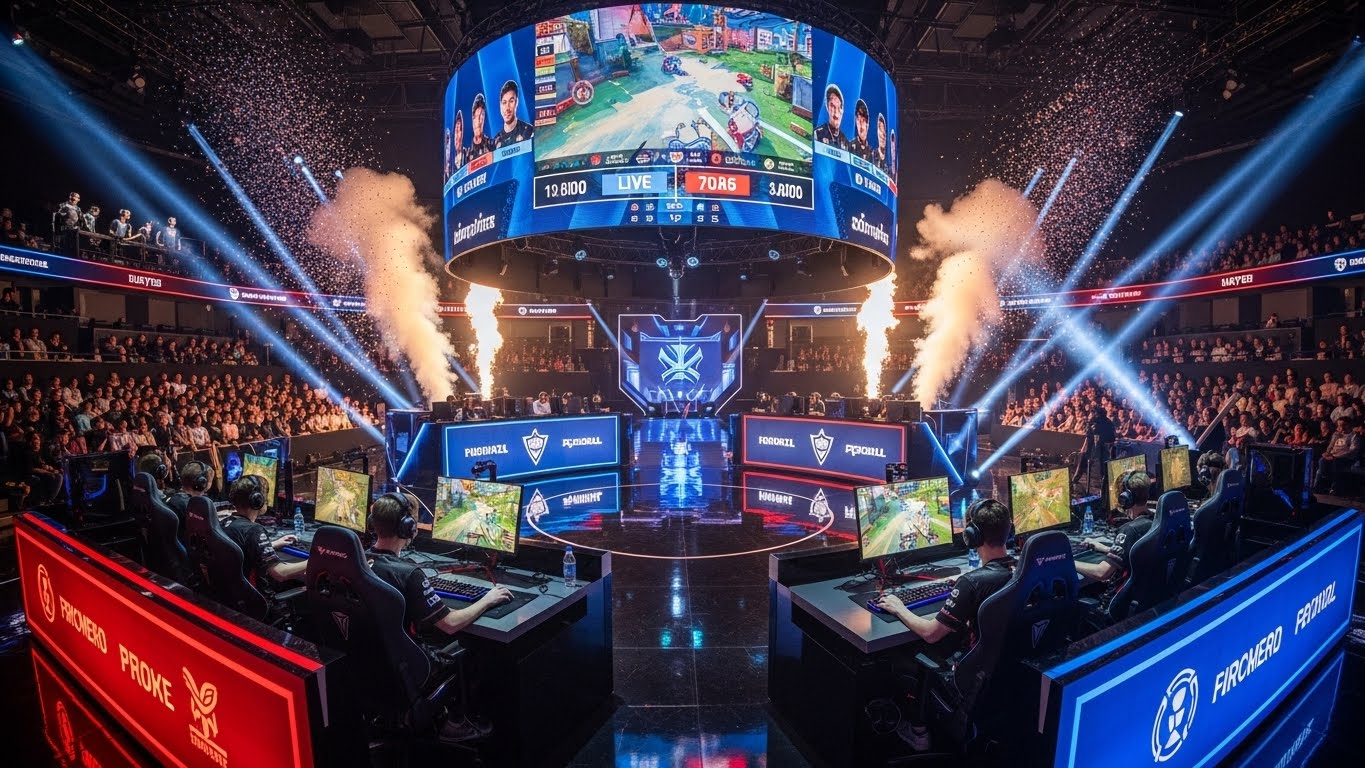
Esports thrives due to its inclusive and diverse community. Players and fans from all corners of the world connect through shared enthusiasm. This global community not only supports competitive events but also contributes to content creation, fan engagement, and grassroots tournaments. The social aspect strengthens bonds and breaks down cultural and language barriers.
Economic Impact and Career Opportunities
The business of esports is a booming sector with multifaceted opportunities. Professional players earn substantial incomes through tournament winnings, sponsorships, and streaming. Beyond players, the ecosystem includes coaches, commentators, event managers, analysts, and marketers. Major brands recognize esports as a powerful platform to reach younger demographics, fueling continued investment and innovation.
Technological Advances Fueling Growth
Esports owes much of its expansion to advances in technology. High-speed internet access and streaming platforms have made live viewing accessible worldwide. Improvements in gaming hardware and software enhance competitive fairness and player performance. Emerging technologies like virtual reality and artificial intelligence promise to push the boundaries of what esports can offer in the future.
Challenges Facing the Industry
Despite its success, esports faces challenges that must be addressed. Player health and wellness, including mental health and physical strain, require more attention. The industry also grapples with issues related to fair play, including cheating and match-fixing. Diversity and inclusion remain areas for growth, with ongoing efforts to make esports welcoming to all genders and backgrounds.
Looking Ahead: The Future of Competitive Gaming
The future of esports looks bright and expansive. With increasing recognition from educational institutions and governments, esports is becoming more structured and respected. Innovations in broadcasting and interactive experiences will deepen fan engagement. As more countries participate in international tournaments, esports is set to become an even more integral part of global culture and entertainment.
Conclusion: Esports as a Defining Element of Modern Entertainment
Esports has firmly established itself as a major force in the entertainment landscape. Combining technology, competition, and community, it offers a new way to experience sports and gaming. As it continues to evolve, esports will shape how future generations play, watch, and connect across the digital world.