
 esportsmastersarena62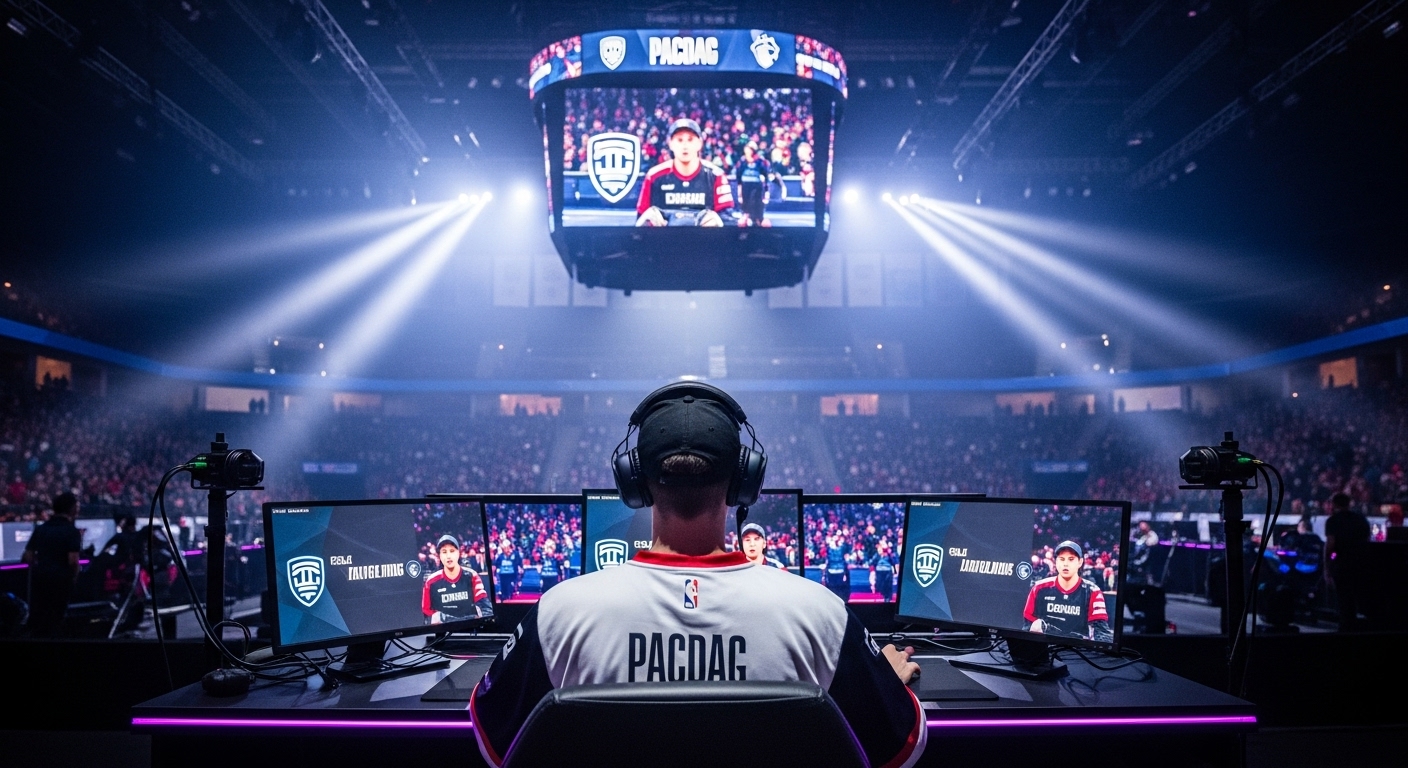
The Evolution of Competitive Gaming
Esports has emerged from the shadows of casual gaming into a global competitive phenomenon. What began as small-scale tournaments in the late 1990s has grown into a massive industry that attracts millions of players and spectators worldwide. No longer just a hobby, esports now represents a serious career path, with professional players earning substantial incomes through competitions, sponsorships, and streaming.
Understanding the Esports Landscape
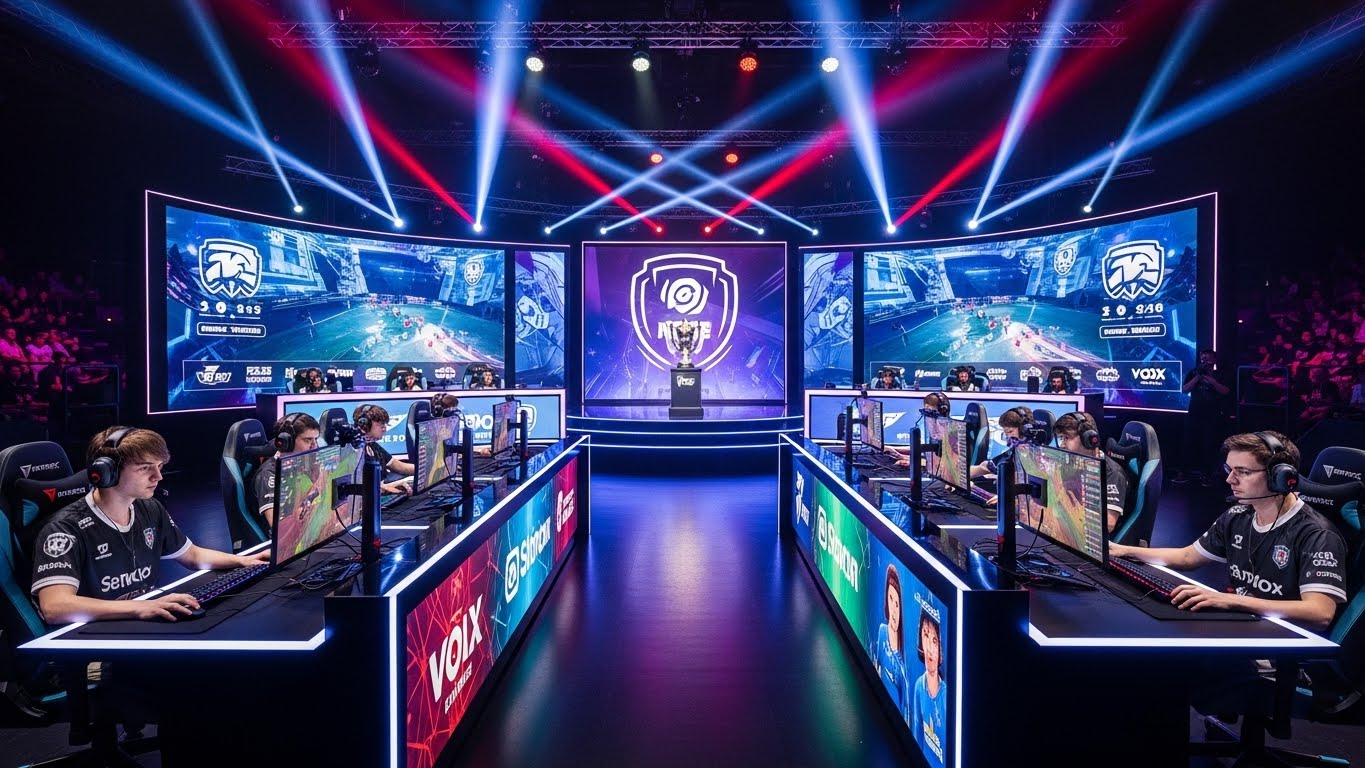
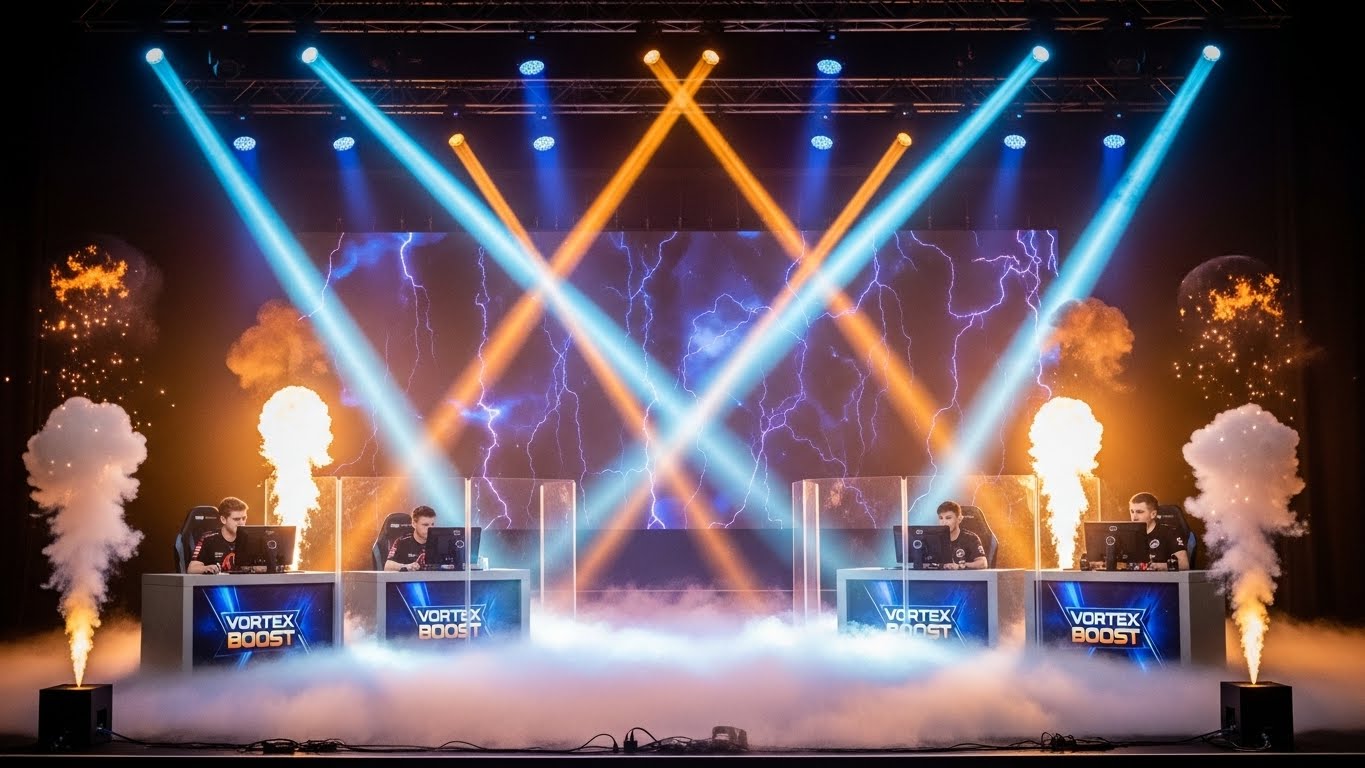
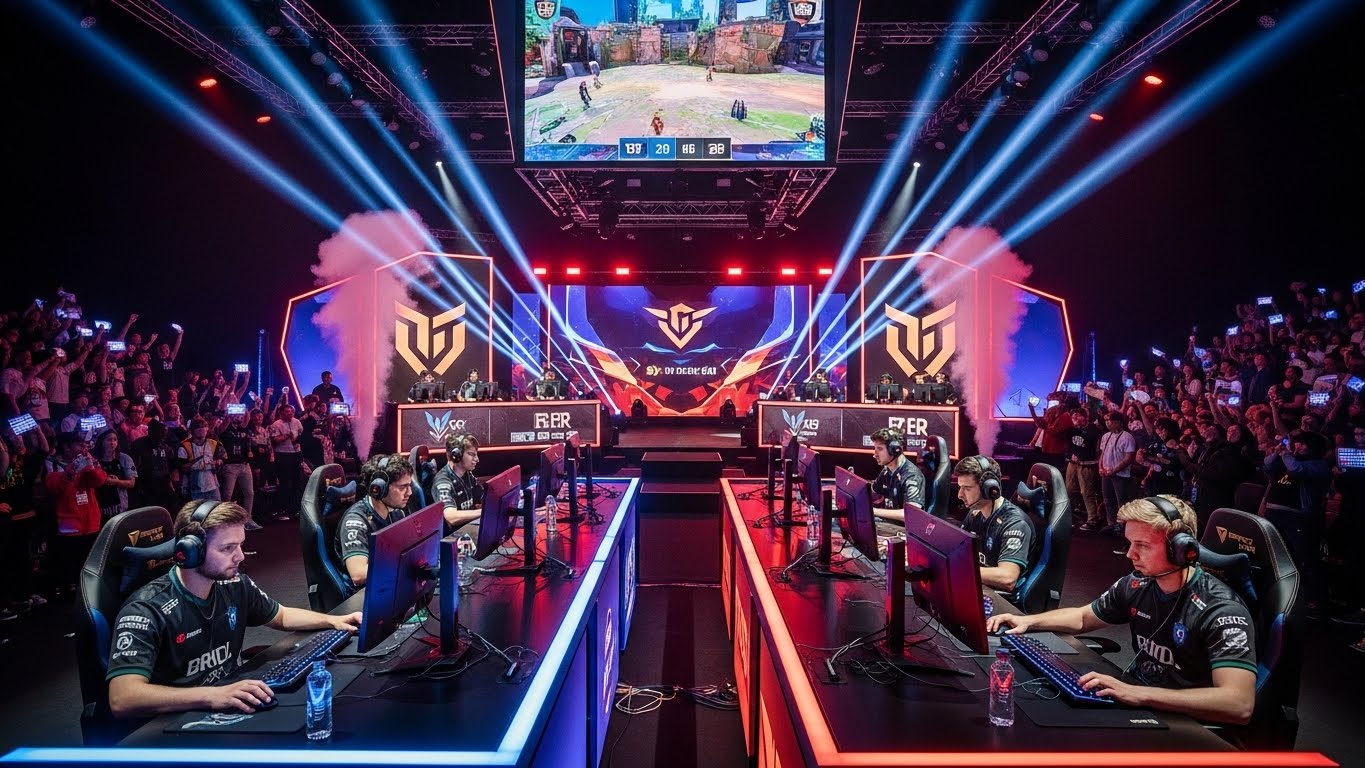
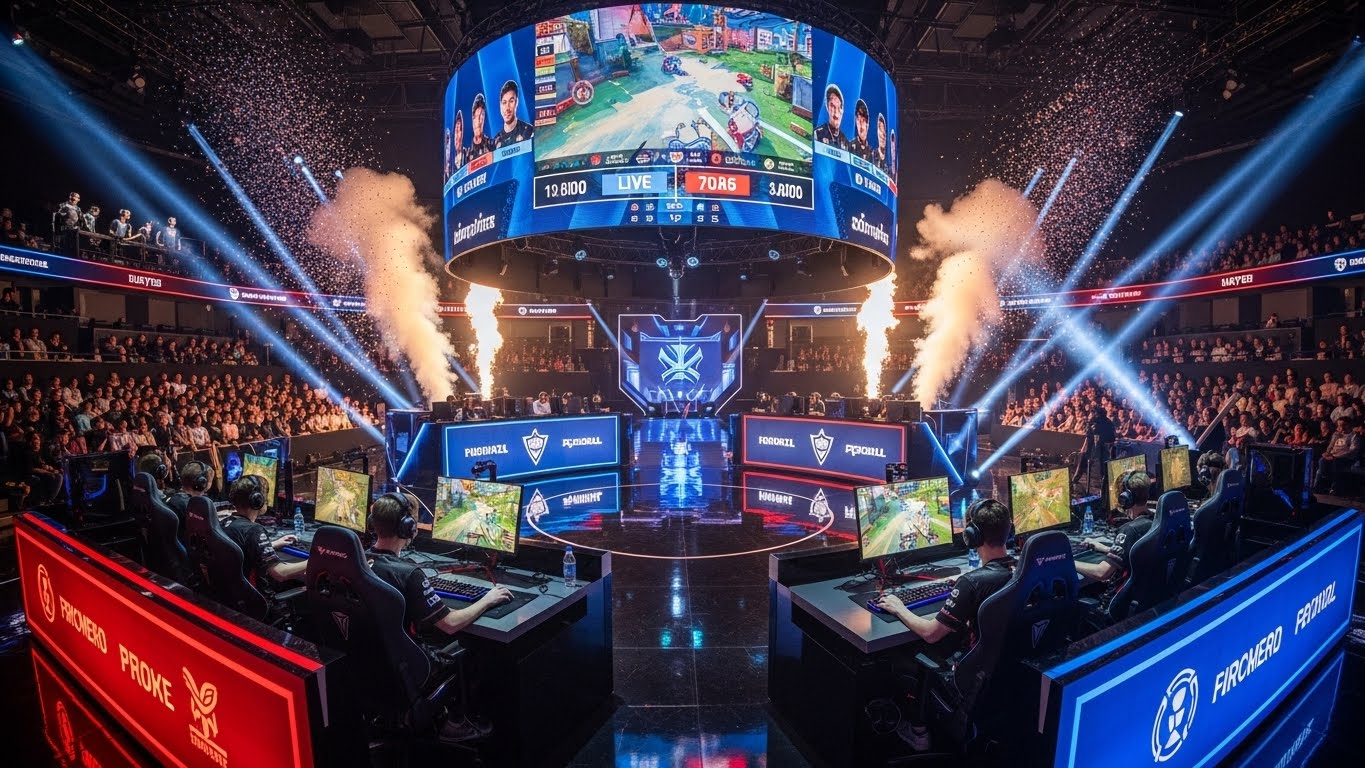
The esports ecosystem is vast and diverse. It includes professional players, coaches, analysts, event organizers, and content creators. Popular games span multiple genres, including first-person shooters, strategy games, battle royales, and sports simulations. Esports tournaments are no longer limited to online platforms; large-scale events are now held in stadiums, complete with live audiences and professional broadcasting. This organized structure has helped esports gain recognition as a legitimate form of competition.
What Makes Esports Popular
Esports appeals to a wide audience due to its accessibility, strategic depth, and competitive excitement. Unlike traditional sports, esports allows players and fans from around the world to participate or spectate without geographical restrictions. The fast-paced action, teamwork, and high skill ceiling make esports thrilling to watch, while online communities foster connection and engagement among fans.
Technology: The Driving Force
Technology has played a critical role in the rise of esports. High-speed internet, advanced gaming hardware, and streaming platforms enable real-time competition and global viewership. Innovations like virtual reality and AI-assisted coaching are beginning to redefine gameplay and training methods. Live streaming platforms allow fans to follow their favorite players closely, creating a sense of connection and community that traditional sports struggle to match.
Challenges in the Esports Industry
Despite its growth, esports faces several challenges. Professional players often experience mental and physical strain due to long hours of practice and high competition pressure. Regulatory concerns, such as fair play and contractual disputes, also need attention. Addressing these issues is essential to ensure sustainable growth and maintain the credibility of the industry.
The Future of Esports
The future of esports is bright and full of opportunities. Universities are introducing esports programs, traditional sports organizations are investing in esports teams, and media coverage continues to expand. As technology advances and the industry matures, esports will increasingly integrate into mainstream entertainment, shaping the way audiences interact with digital competition.
Conclusion
Esports represents more than just gaming; it is a cultural revolution redefining competition and entertainment. Its rapid growth, technological integration, and global appeal highlight a new era where skill and strategy in virtual arenas are celebrated and recognized worldwide. The journey of esports is just beginning, and its impact on society, sports, and digital culture will continue to grow.