
 esportsmastersarena62
Esports has undeniably become one of the most dynamic and rapidly growing sectors in the global entertainment industry. From humble beginnings in the 1990s to its current status as a multi-billion-dollar industry, competitive gaming has captured the hearts of millions, bridging cultural gaps and generating massive economic opportunities. While esports was once considered niche or even “just a hobby,” it is now a mainstream spectacle that draws millions of viewers, generates substantial revenues, and creates professional careers for thousands of players worldwide.
In this blog post, we will delve into the evolution of esports, its present state, the business side of things, and what the future holds for competitive gaming. We’ll explore how esports went from a small, underground community to a global phenomenon, touching on its impact on entertainment, technology, culture, and business.
The Birth and Evolution of Esports
To understand where esports is today, we must first examine how it began. Competitive gaming started almost by accident, as early video games allowed players to compete against each other. The very first formal competitive gaming events took place in the late 1990s, when games like Quake, StarCraft, and Street Fighter II became the backbone of the competitive gaming community. These early tournaments were relatively small and localized, but they marked the beginning of something much larger.
The Early Days of Competitive Gaming
In the 1990s, the rise of LAN (Local Area Network) gaming tournaments helped establish the foundation of esports. Players would gather in physical spaces, like gaming centers or conference halls, to compete in games such as Quake and Warcraft. In these early days, prize money was minimal, and players often played simply for the joy of competition or for the chance to earn bragging rights within their communities.
The real breakthrough for esports came with the growth of online gaming. The release of StarCraft in 1998 was a pivotal moment. The game, with its complex strategies and wide appeal, laid the groundwork for the rise of esports as we know it today. It also attracted significant attention from broadcasters, who began to recognize the potential of competitive gaming as a spectator sport.
By the early 2000s, the first major international tournaments were held, and organizations like the World Cyber Games (WCG) and Electronic Sports World Cup (ESWC) began to emerge, formalizing the idea of esports competitions. These events set the stage for esports to grow beyond small-scale local events and into international spectacles.
The Rise of Major Esports Titles
As esports grew, so did the development of major competitive gaming titles. Games like Counter-Strike, Dota 2, and League of Legends became household names within the esports community. Each of these titles attracted large player bases and offered tournament organizers the chance to hold large-scale events with significant prize pools.
Counter-Strike: A Game That Shaped Esports
Counter-Strike (CS), first released as a mod for Half-Life in 1999, quickly became one of the most popular games in the world. Its blend of tactical shooting and strategic team play made it a perfect fit for competitive gaming. By 2003, Counter-Strike 1.6 was a fixture in major esports tournaments, and it played a key role in establishing competitive first-person shooters (FPS) as a major esports genre.
With its success, Counter-Strike paved the way for other FPS games like Call of Duty and Overwatch. However, it was CS:GO (Counter-Strike: Global Offensive), released in 2012, that brought the franchise into the modern era and cemented its place as a cornerstone of the esports industry.
The Rise of MOBA Games
In the early 2000s, the gaming industry saw the emergence of a new genre: Multiplayer Online Battle Arenas (MOBAs). These games, such as League of Legends and Dota 2, revolutionized esports. With large, diverse teams and complex strategies, MOBAs attracted a dedicated fanbase that engaged in both casual and competitive play.
League of Legends, developed by Riot Games and released in 2009, became one of the most popular esports titles of all time. By 2011, the game had already begun hosting large international tournaments, such as the World Championship, which has grown to become one of the most-watched esports events in the world.
In a similar vein, Dota 2, created by Valve Corporation, became synonymous with large prize pools. Its flagship event, The International, boasts some of the biggest prize pools in esports, with the 2023 edition reaching over $40 million. These tournaments have not only brought in players and teams from around the globe, but they have also attracted millions of viewers.
The Emergence of Battle Royale Games
In recent years, the emergence of Fortnite and PUBG (PlayerUnknown’s Battlegrounds) has introduced a new, fast-paced dynamic to the world of esports. These battle royale games pit players against each other in large, ever-shrinking arenas until only one remains. Fortnite in particular, developed by Epic Games, has been a major force in esports due to its unique blend of action and building mechanics, along with its widespread appeal to casual gamers.
While Fortnite may not have the same strategic depth as MOBAs or traditional FPS titles, its free-to-play model, constant updates, and massive player base have made it one of the most influential esports games in the past decade.
The Mechanics of Esports Tournaments
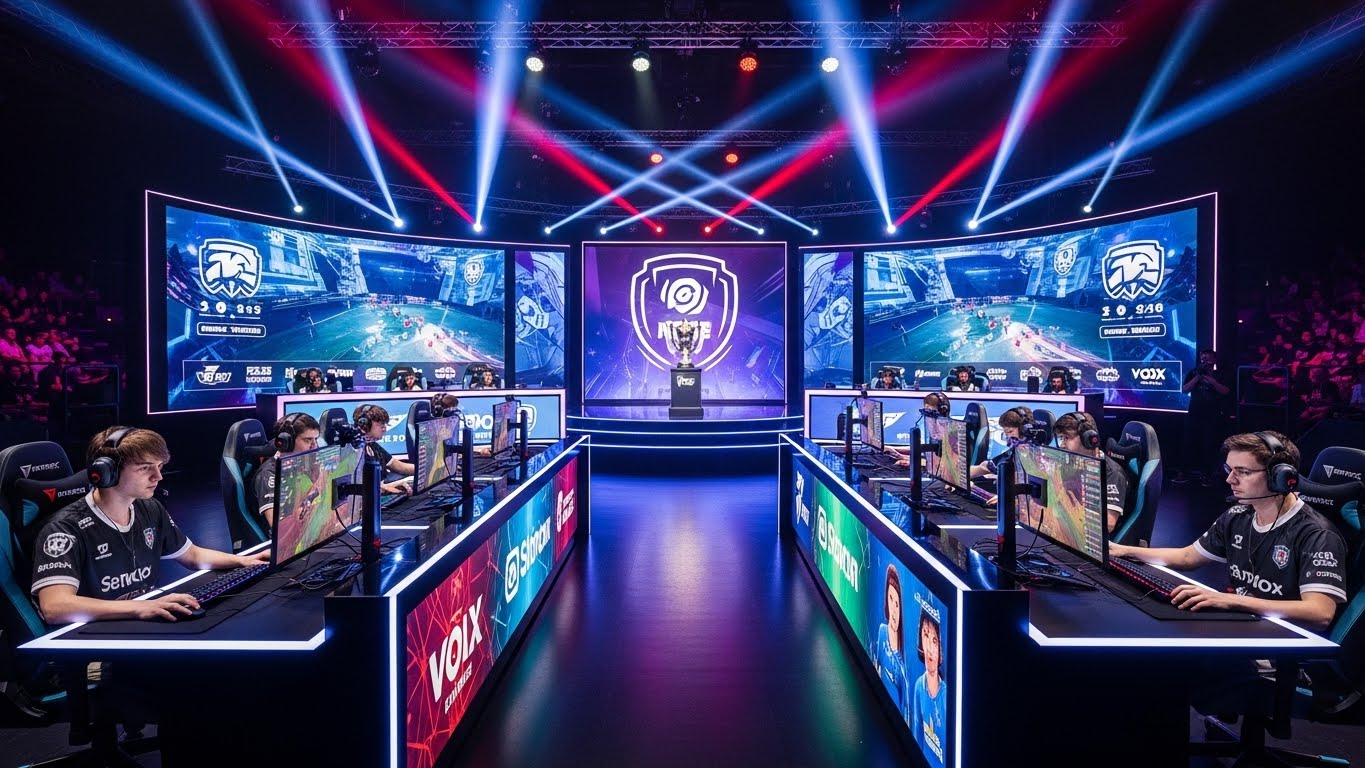
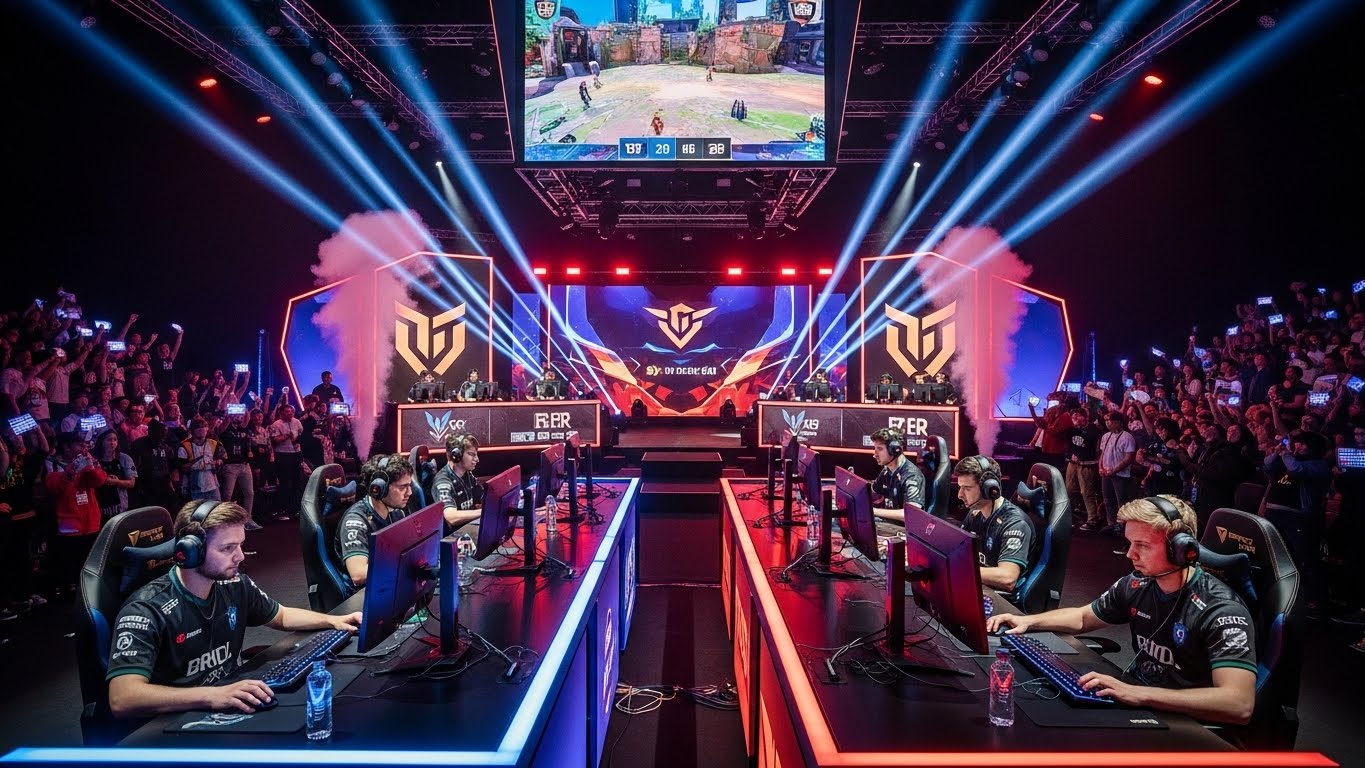
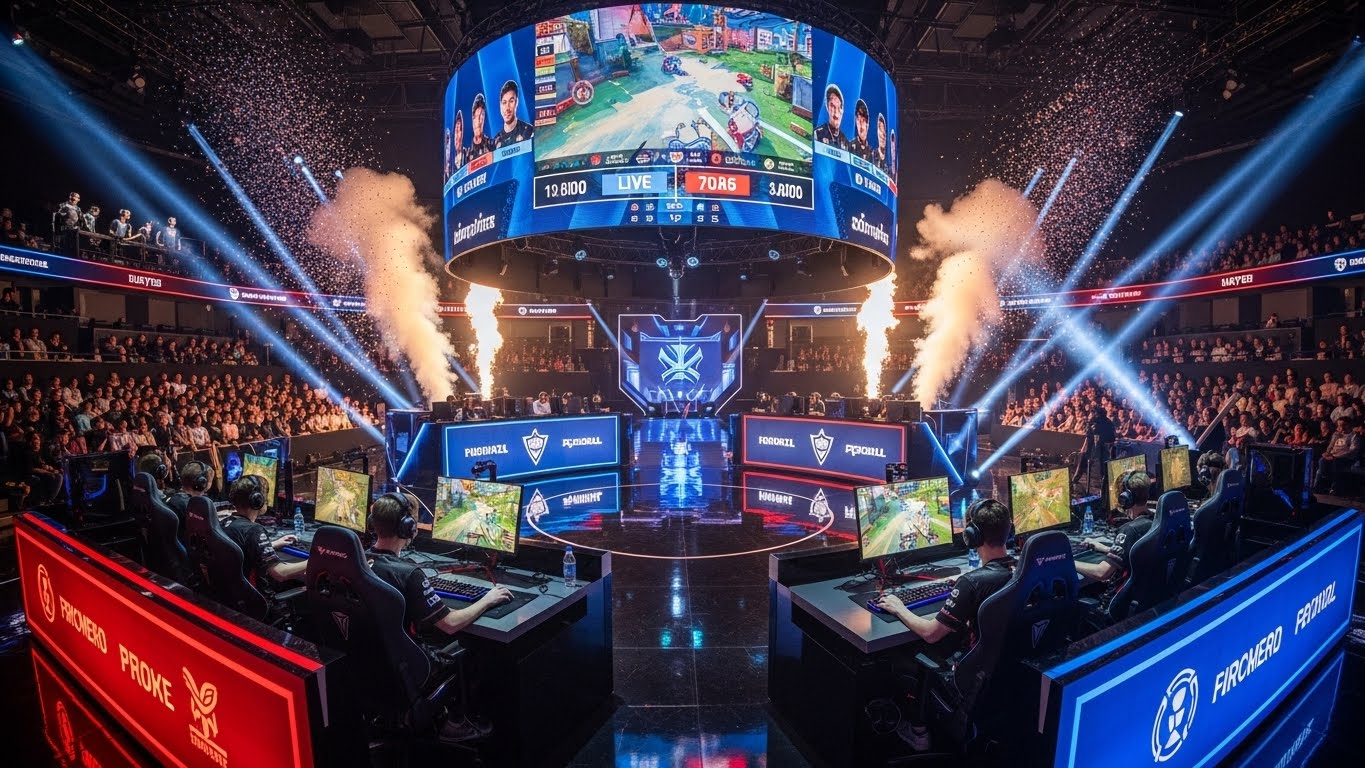
Esports competitions are highly organized and typically take place in a series of leagues and tournaments. From local events to international championships, these tournaments offer players the opportunity to compete at the highest level and win significant prize money. Major tournaments often take place in packed arenas, with thousands of live spectators, while others are broadcasted live on streaming platforms like Twitch and YouTube Gaming.
League-Based Competitions
Many esports titles, such as League of Legends and Overwatch, feature league-based competitions. These leagues typically involve regional or international teams competing in a series of matches across a season. At the end of the season, the top teams advance to the playoffs, where they compete for championship titles.
The League of Legends Championship Series (LCS), for instance, is one of the most prestigious leagues in the esports world. It features top-tier teams from North America, who compete in a regular-season format, culminating in the World Championship, which draws millions of viewers worldwide.
Tournament-Based Competitions
In addition to leagues, there are numerous one-off tournaments held throughout the year. These tournaments are often organized by game developers or third-party organizations. Events like The International (for Dota 2) or the Intel Extreme Masters (for Counter-Strike: Global Offensive) are some of the most prestigious tournaments in esports. Players from all over the world gather to compete for large prize pools and glory in front of live audiences.
Prize pools for esports tournaments have exploded in recent years. The International 2023, for example, had a prize pool of over $40 million, largely funded by fans through in-game purchases. These prize pools attract top-tier players and teams, as the rewards for victory can be life-changing.
Esports and Its Global Impact
The growth of esports has far-reaching implications not only for gamers but also for the broader entertainment industry. Esports has created an entire ecosystem, from professional players and teams to broadcasters, sponsors, and advertisers.
Esports as a Cultural Movement
Esports has had a profound impact on pop culture. In many parts of the world, particularly in Asia and Europe, esports athletes are treated as celebrities. Teams and players frequently feature in documentaries, talk shows, and even advertisements. Esports players have also gained recognition on social media platforms, where they build large followings of loyal fans.
Esports in Traditional Sports Arenas
In recent years, traditional sports organizations have begun to embrace esports. Football clubs like Manchester City and Paris Saint-Germain have invested in esports teams, while other sports entities have partnered with gaming companies to create branded esports tournaments. The Overwatch League even hosts matches in traditional sports stadiums, offering fans a hybrid experience of traditional and digital sports entertainment.
The Role of Streaming Platforms
Streaming platforms like Twitch have been crucial in the growth of esports. These platforms allow players to broadcast their games in real-time, connecting with fans on a personal level. This level of engagement has led to a new type of celebrity in the gaming world: the streamer. Some esports players have built massive followings not just for their gameplay, but for their personalities and interactions with fans.
The Economic Impact of Esports
Esports has become a multi-billion-dollar industry, and its economic footprint continues to grow each year. According to Newzoo, global esports revenues are expected to surpass $1.8 billion by 2025. This massive influx of money comes from various sources: sponsorships, broadcasting rights, merchandise, and ticket sales.
Brands from a wide range of industries are now investing in esports, as they recognize the value of reaching a young, tech-savvy audience. Companies like Coca-Cola, Intel, and Nike have all signed sponsorship deals with esports organizations, further blurring the lines between traditional sports and esports.
The Future of Esports: Trends to Watch
As esports continues to evolve, several trends are expected to shape its future.
The Integration of Virtual and Augmented Reality
As technology advances, virtual reality (VR) and augmented reality (AR) are likely to play a significant role in the future of esports. The immersive nature of VR could redefine competitive gaming, creating entirely new forms of esports. Games like Beat Saber and Echo Arena already offer a glimpse into this future, but as VR hardware becomes more accessible, the potential for esports in this space is limitless.
The Growth of Mobile Esports
Mobile gaming has experienced a surge in popularity, particularly in regions like Southeast Asia, India, and China. Games like PUBG Mobile, Free Fire, and Mobile Legends are becoming more competitive, with dedicated esports leagues and tournaments. Mobile esports is poised to become a major force in the global esports ecosystem, especially as smartphone technology improves and mobile networks become faster.
Esports in Education and Career Pathways
The rise of esports has created new career opportunities, not just for players, but also for coaches, analysts, broadcasters, and event organizers. Many universities now offer esports scholarships and degrees, making it possible for students to pursue a career in esports right from an academic standpoint. The integration of esports into education is helping to legitimize gaming as more than just entertainment—it’s becoming a viable career path.
Conclusion: Esports is Here to Stay
Esports has come a long way since its humble beginnings in the 1990s. What started as a small community of passionate gamers has now evolved into a global powerhouse, with millions of players, fans, and viewers. From professional tournaments to streaming platforms, esports has become a dominant force in the entertainment industry, reshaping the way people consume sports and gaming.
Looking ahead, the future of esports appears brighter than ever. With advancements in technology, the expansion of mobile gaming, and the growing recognition of esports in traditional sports, it’s clear that competitive gaming will continue to thrive and evolve. Whether you’re a player, a fan, or an investor, there has never been a better time to be part of the esports revolution.