
 esportsmastersarena62
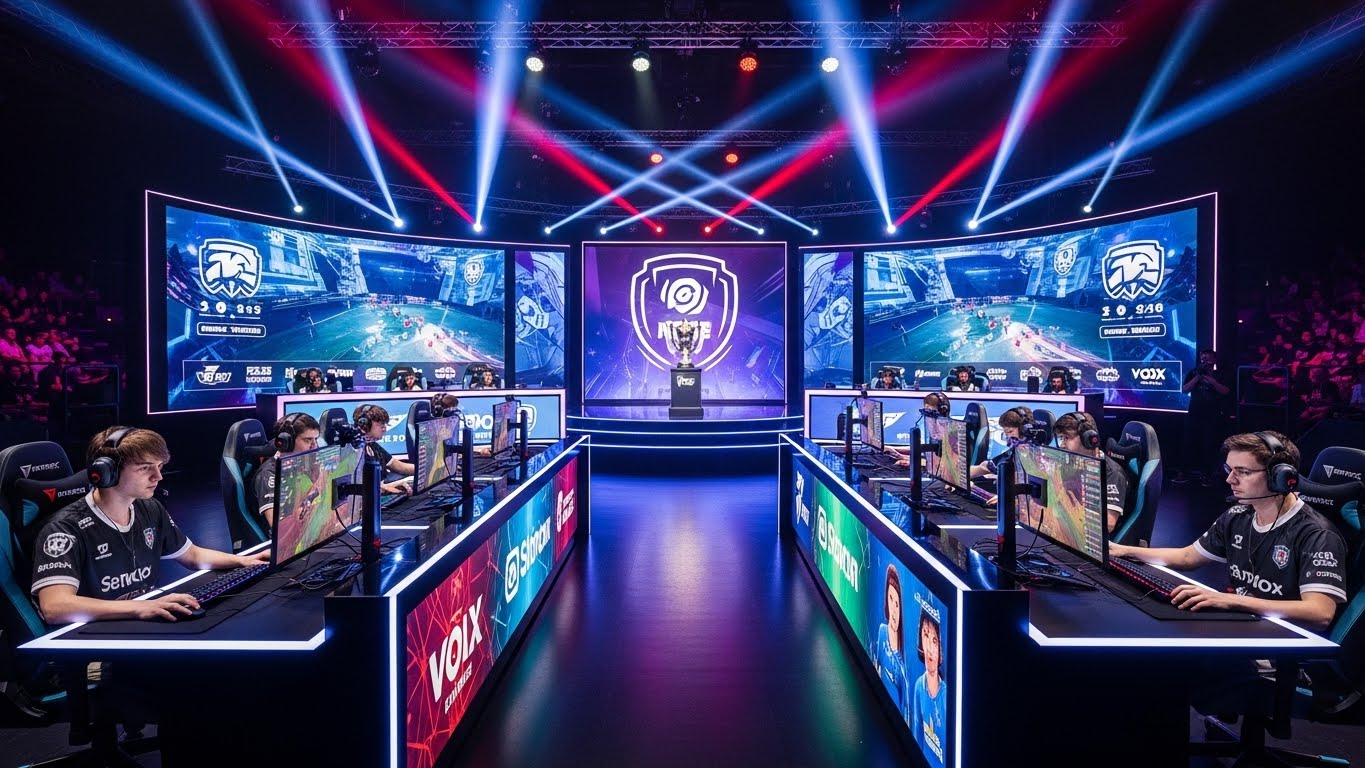
Esports, or competitive video gaming, has transformed from a niche hobby into a global entertainment juggernaut in a relatively short period. Over the last two decades, it has evolved into an industry worth billions, with professional players, teams, coaches, and analysts working alongside broadcasters, sponsors, and event organizers. Today, Esports is one of the fastest-growing sectors in the entertainment world, attracting millions of viewers, building massive online communities, and even sparking the creation of dedicated arenas and stadiums designed specifically for gaming.
In this blog post, we will explore the rise of Esports, its significance in the world of entertainment, and the various factors contributing to its success. We will also delve into the cultural impact, the economics behind Esports, and what the future holds for competitive gaming.
The Birth and Evolution of Esports
A Humble Beginning
Esports didn’t emerge overnight. The origins of competitive gaming can be traced back to the early 1970s when games like Spacewar and Pong first appeared in arcades and universities. The real breakthrough, however, came in 1980 with the launch of the Space Invaders Championship. This was the first large-scale video game competition, with over 10,000 participants, and it set the stage for future competitions.
In the years that followed, gaming tournaments started gaining traction in local arcades, universities, and even on television. Throughout the 1990s and early 2000s, the development of online multiplayer games like Quake, StarCraft, and Warcraft began to fuel the competitive gaming scene. Players no longer had to gather in person; they could compete against each other from the comfort of their own homes, leading to the creation of online tournaments and leagues.
The Early 2000s: Growth of Online Tournaments
The early 2000s marked a pivotal moment for Esports. Games like Counter-Strike and Warcraft III laid the foundation for online competitions. Gaming leagues began forming around popular titles, and platforms like Battle.net and TeamSpeak allowed players to coordinate and participate in matches more easily than ever before.
By 2002, Major League Gaming (MLG) was founded, becoming the first major organization dedicated to professional competitive gaming. Around the same time, South Korea became a hotbed for Esports, with StarCraft tournaments regularly being broadcasted on television, attracting millions of viewers. Esports had officially moved from basement LAN parties to mainstream entertainment.
The 2010s: Esports Goes Mainstream
The biggest leap forward for Esports came in the 2010s. The rise of streaming platforms, particularly Twitch, revolutionized the way fans interacted with competitive gaming. Twitch, which was launched in 2011, became the go-to platform for live-streaming gaming events and tournaments. It allowed viewers to watch their favorite games and players in real time, building an interactive community of fans around the world.
At the same time, the proliferation of high-quality esports titles, such as League of Legends, Dota 2, Overwatch, and Fortnite, provided the foundation for professional leagues and tournaments that attracted massive sponsorships and media attention. The increase in the production value of tournaments, with professional shoutcasters (commentators), analysts, and live-streaming capabilities, created a spectacle that rivaled traditional sports broadcasts.
The Cultural Impact of Esports
Building a Global Community
Esports has created a unique global culture that transcends national borders. Unlike traditional sports, where fan bases are often divided by geography, esports has united people from all over the world, forming a shared online space where players and fans can communicate, compete, and share their passion for gaming. Online streaming platforms like Twitch have become virtual arenas, where millions of fans from diverse cultures can watch, engage, and celebrate their favorite teams and players.
The Esports community is also incredibly inclusive. Regardless of age, gender, or background, anyone with access to a computer or gaming console can participate in the world of competitive gaming. This inclusivity has contributed to the rapid growth of Esports, particularly among younger generations, who have grown up with digital technology as an integral part of their daily lives.
Esports as a Social Experience
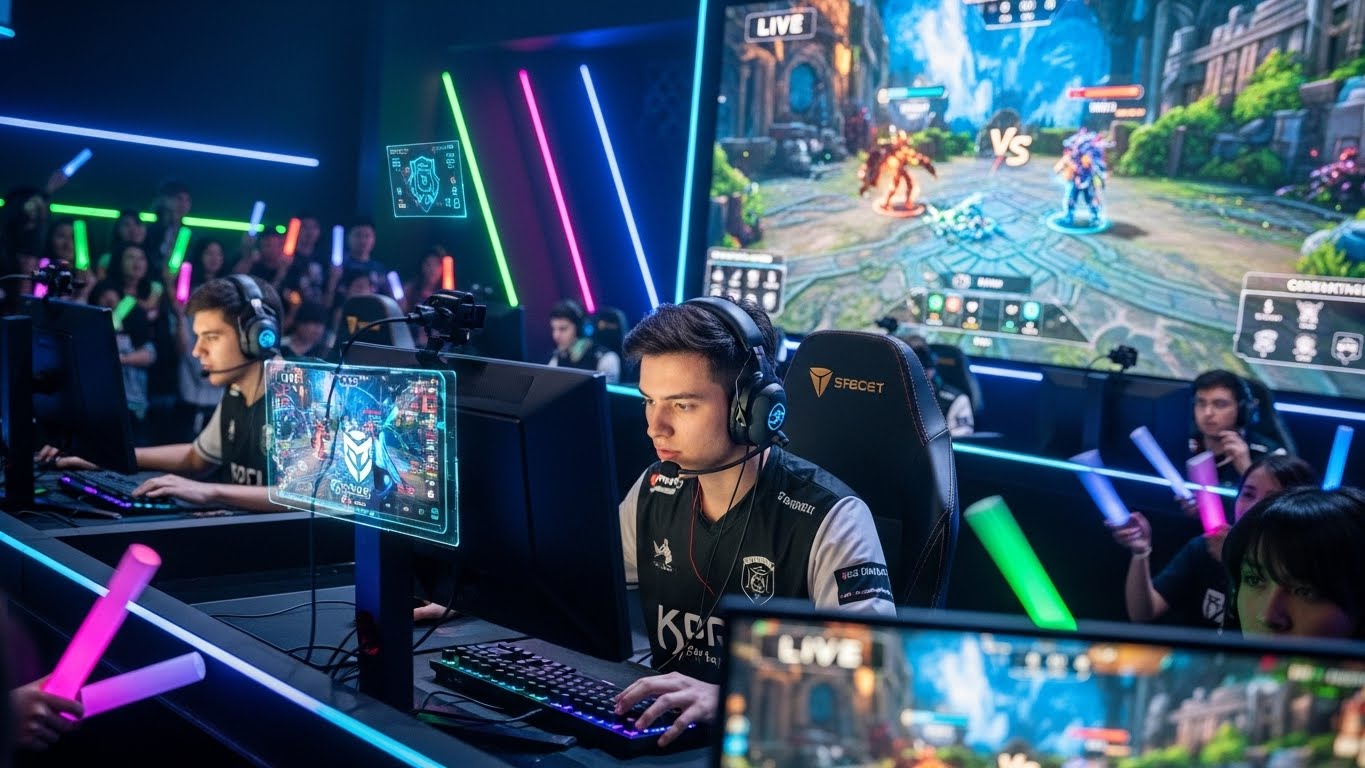
One of the most significant cultural shifts brought about by Esports is the social aspect of gaming. What was once considered a solitary activity has evolved into a communal experience. Esports fans no longer watch matches in isolation; they interact with one another through live chat, social media, and forums. The experience of watching a game has become a shared event, where fans root for their teams and engage in real-time discussions, memes, and commentary.
Esports has also created a new form of celebrity. Professional gamers, often known as “streamers,” have garnered millions of followers and fans. Players like Ninja, PewDiePie, and Shroud have achieved international fame, signing multi-million-dollar sponsorship deals with brands and appearing on mainstream television and social media platforms. Their rise to stardom has helped change the perception of gaming as a legitimate career, inspiring countless individuals to pursue professional gaming or streaming as a viable career path.
Influence on Other Industries
Esports’ cultural influence extends beyond gaming itself. Many industries have started to recognize the power of Esports to engage with younger, tech-savvy audiences. For example, major companies like Coca-Cola, Intel, and Red Bull have invested heavily in the Esports ecosystem, sponsoring tournaments, teams, and individual players. Brands see Esports as a direct avenue to reach the next generation of consumers who are increasingly difficult to target through traditional advertising.
Esports has also infiltrated traditional sports. A growing number of professional sports teams, such as the Golden State Warriors and the New England Patriots, have either sponsored Esports teams or even started their own. Additionally, major broadcasters like ESPN and Fox Sports have begun broadcasting Esports events, further legitimizing competitive gaming as a form of mainstream entertainment.
The Business of Esports
Revenue Streams in Esports
The financial aspect of Esports has evolved considerably in recent years. Today, the industry generates billions in revenue from various sources:
- Sponsorships and Advertising: Major global brands such as Intel, Coca-Cola, and Nike sponsor Esports tournaments, teams, and players. These sponsorships provide significant revenue streams for events and individuals.
- Prize Money: Esports tournaments, particularly those for games like Dota 2, League of Legends, and Fortnite, offer enormous prize pools, sometimes reaching into the tens of millions of dollars. The International, an annual Dota 2 tournament, has broken records for its prize money, further legitimizing Esports as a competitive career.
- Merchandising: Similar to traditional sports, Esports teams and organizations sell merchandise, including jerseys, hats, and other team-branded products. Fans are not only spectators but also customers who want to show their support for their favorite teams.
- Media Rights: As Esports grows, media companies have been keen to purchase broadcast rights for major tournaments. Platforms like Twitch, YouTube, and Facebook have already secured exclusive rights for various tournaments and leagues.
- Streaming and Content Creation: Many professional gamers and influencers make a significant portion of their income through streaming platforms like Twitch or YouTube. These platforms allow gamers to earn money from advertisements, subscriptions, and donations from fans.
Investment and Sponsorship Growth
The influx of investment into the Esports industry is a key indicator of its growing legitimacy. Venture capital firms, tech companies, and even traditional sports organizations have poured money into Esports teams, leagues, and tournaments. For instance, Riot Games, the developer behind League of Legends, has created an entire ecosystem around its game, with the League of Legends Championship Series (LCS) providing a professional league structure that rivals traditional sports leagues.
Esports sponsorship deals are growing exponentially as brands increasingly recognize the power of Esports to reach younger demographics. Companies like Audi, Toyota, and Louis Vuitton have entered the Esports space, collaborating with top teams and events. This financial backing has allowed Esports organizations to expand their operations, sign top-tier players, and build their brands internationally.
Esports and Its Impact on Education
Esports in Schools and Universities
As Esports has gained popularity, it has found its way into schools and universities. Many high schools now have Esports teams, offering students the opportunity to compete in games like Rocket League, Overwatch, and League of Legends. This has led to the rise of Esports scholarships, with universities offering financial support to skilled players, just as they would for traditional athletes.
The introduction of Esports in educational settings has had a significant impact on students. It provides an outlet for teamwork, strategy, and communication, all of which are skills that are transferable to other areas of life. Esports also helps to break down the stereotypes of gaming as a solitary activity, demonstrating how it can be a team-oriented, collaborative endeavor.
The Growth of Esports Courses
In addition to offering scholarships, universities have begun offering dedicated Esports programs, where students can study the business, management, and production aspects of Esports. These programs provide students with the skills necessary to build a career in Esports, whether as players, coaches, analysts, or even event organizers.
The Future of Esports
Technological Innovations and the Metaverse
The future of Esports is inextricably linked to advances in technology. With the advent of 5G networks, Virtual Reality (VR), and Augmented Reality (AR), Esports is poised to become an even more immersive experience. VR gaming, in particular, could open up new possibilities for tournaments that involve full-body motion tracking and real-time player interaction in virtual environments.
The concept of the “Metaverse,” a virtual space where people can interact in a 3D environment, also holds great promise for the future of Esports. In this interconnected world, players and fans could not only watch games but actively participate in virtual tournaments and fan events.
Global Expansion
As Esports continues to grow, its influence will continue to spread globally. While North America, Europe, and Asia are currently the major hubs for competitive gaming, other regions, including Latin America, the Middle East, and Africa, are beginning to see rapid growth in Esports. This global expansion will help diversify the Esports talent pool and bring new audiences into the fold.
The Integration of Traditional Sports and Esports
The lines between traditional sports and Esports will continue to blur. We are already seeing professional sports leagues and organizations investing in Esports. In the future, we may witness more collaborations, with Esports becoming an official part of sports events or even being included in multi-sport competitions like the Olympics.
Conclusion
Esports is no longer a passing trend or a niche hobby—it is a global phenomenon that has captured the hearts and minds of millions. With its growing popularity, substantial financial backing, and cultural impact, Esports is poised to redefine what it means to be an athlete and a spectator in the 21st century. From its humble beginnings in arcades to its current status as a multi-billion-dollar industry, Esports has proven that video gaming is not just a pastime, but a legitimate and thriving form of entertainment. As technology continues to evolve and the global community of players and fans grows, the future of Esports looks brighter than ever.