
 esportsmastersarena62
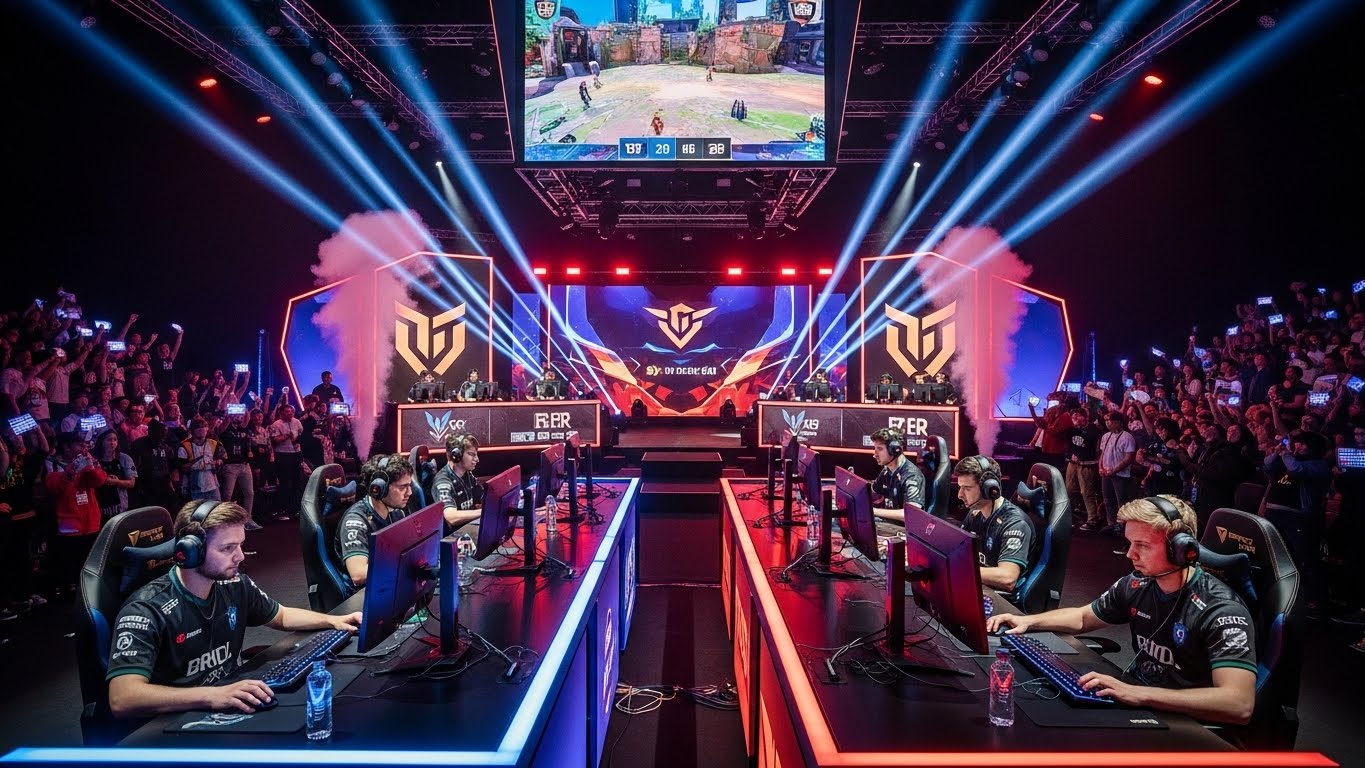
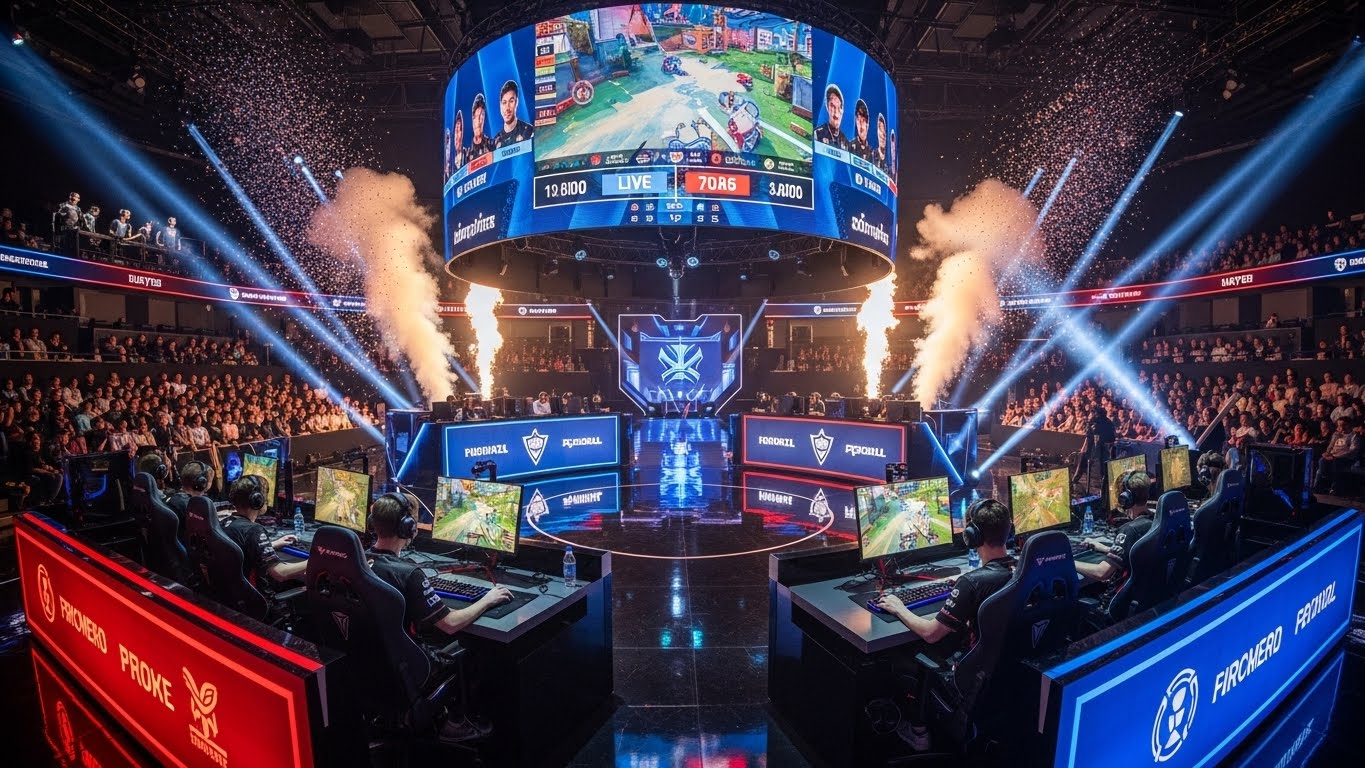
Battle Royale games have taken the gaming world by storm over the past decade. Combining survival mechanics, large-scale multiplayer combat, and the thrill of last-player-standing competition, this genre has become a dominant force in esports. From massive online tournaments to streaming spectacles, Battle Royale titles have attracted millions of players and viewers worldwide. The genre’s blend of strategy, skill, and unpredictability creates some of the most exciting and intense competitive experiences in gaming today.
This blog explores the best Battle Royale titles that have made a significant impact on esports, highlighting their gameplay, competitive appeal, and influence on the industry.
Fortnite: Redefining Competitive Battle Royale
Fortnite, developed by Epic Games, is perhaps the most iconic Battle Royale title in esports. Since its release in 2017, Fortnite has revolutionized the genre with its unique combination of shooting mechanics and building systems. Players not only fight for survival but also construct structures for defense, mobility, and tactical advantage, adding a layer of strategic depth absent in other games.
Fortnite’s esports scene grew rapidly, with tournaments like the Fortnite World Cup offering multi-million-dollar prize pools and drawing global attention. Competitive Fortnite emphasizes versatility, quick decision-making, and mechanical skill. Players must balance combat, resource management, and positioning while adapting to constantly shrinking zones, creating high-stakes tension that appeals to both competitors and spectators.
The game’s accessibility and frequent updates have kept its competitive scene fresh, with new weapons, items, and gameplay mechanics continually reshaping strategies. Fortnite has also influenced how esports integrates entertainment, with in-game concerts and celebrity appearances blending gaming with mainstream culture.
PlayerUnknown’s Battlegrounds (PUBG): The Pioneer
PlayerUnknown’s Battlegrounds (PUBG) is widely credited with popularizing the Battle Royale genre. Released in 2017, PUBG introduced millions of players to the thrill of survival-based competition on expansive maps. Unlike Fortnite, PUBG focuses on realistic military-style combat, emphasizing strategy, positioning, and resource management over creative building mechanics.
PUBG’s esports scene features large-scale tournaments, such as the PUBG Global Championship, attracting top teams from around the world. The competitive meta requires careful planning, coordinated team play, and mastery of weapon mechanics. PUBG’s slower, tactical pace differentiates it from other Battle Royale titles, appealing to players and fans who enjoy strategic depth and realism.
The success of PUBG has also inspired regional esports ecosystems, particularly in Asia, where countries like South Korea, China, and India have established professional leagues. Its impact on esports is foundational, proving that Battle Royale games could sustain long-term competitive play on a global scale.
Apex Legends: Fast-Paced Team-Based Combat
Apex Legends, developed by Respawn Entertainment, offers a unique twist on the Battle Royale formula. Released in 2019, the game combines squad-based tactics with character-specific abilities, creating a fast-paced, strategic combat experience. Each Legend has unique skills, forcing players to adapt strategies, synergize with teammates, and make quick decisions under pressure.
Apex Legends esports emphasizes team coordination, mobility, and map awareness. Tournaments like the Apex Legends Global Series have attracted professional teams worldwide, showcasing the game’s high skill ceiling and competitive potential. Its fast-paced gameplay and dynamic movement systems, including sliding and climbing, create thrilling spectator experiences.
Apex Legends also stands out for its innovative approach to respawns and engagement loops. The ability to revive teammates encourages aggressive but calculated play, making team dynamics a central focus of competitive matches.
Call of Duty: Warzone: Console and PC Competitive Appeal
Call of Duty: Warzone brings the Battle Royale experience to one of the most iconic shooter franchises in history. Released in 2020, Warzone features realistic gunplay, fast-paced action, and tactical elements like loadouts, contracts, and vehicles. Its integration with the broader Call of Duty ecosystem allows competitive players to leverage familiar mechanics while navigating large, strategic maps.
Warzone has a growing esports scene, with tournaments hosted on both console and PC. Competitive play emphasizes accuracy, positioning, and map control, combining traditional shooter skills with Battle Royale survival strategies. Its accessibility to console players differentiates it from other esports titles, broadening the competitive base and attracting diverse talent.
Warzone’s influence extends beyond esports into streaming culture, where professional players and influencers showcase high-level gameplay to millions, fueling both fan engagement and competitive interest.
Garena Free Fire: Mobile Battle Royale Phenomenon
While PC and console titles dominate much of the global esports scene, mobile Battle Royale games have carved out a significant niche. Garena Free Fire, especially popular in Southeast Asia, Latin America, and India, has become a competitive powerhouse on mobile platforms. Its accessibility on lower-end devices has made competitive gaming more inclusive and widespread.
Free Fire tournaments, such as the Free Fire World Series, feature professional teams competing for substantial prize pools. The game emphasizes fast-paced action, strategic use of characters’ abilities, and adaptability to evolving in-game environments. Its mobile focus allows players from diverse regions to enter esports without requiring expensive hardware, expanding the global talent pool.
The success of Free Fire demonstrates how mobile esports can rival traditional PC and console competitions, offering intense gameplay, professional leagues, and vibrant fan engagement.
Call of Duty: Mobile and PUBG Mobile: The Mobile Shift
The rise of mobile Battle Royale titles has significantly impacted esports globally. PUBG Mobile mirrors the core gameplay of its PC counterpart while adapting controls for touch screens, creating a competitive scene accessible to millions of players worldwide. Its tournaments, like the PUBG Mobile Global Championship, attract professional teams and international audiences, showcasing mobile esports at a professional level.
Call of Duty: Mobile similarly brings console-style mechanics to mobile devices, combining fast-paced gunplay with competitive modes. Its esports ecosystem continues to grow, demonstrating that mobile Battle Royale games can sustain high-level professional play.
The mobile shift has broadened esports’ reach, particularly in regions where PC or console gaming is less accessible, such as Southeast Asia, India, and Latin America.
Competitive Features That Make Battle Royale Games Spectator-Friendly
Battle Royale esports thrives because of its spectator appeal. Features that enhance this include:
- High-Stakes Tension: The last-player-standing format keeps viewers engaged until the very end.
- Dynamic Maps: Evolving environments and shrinking zones create unpredictability and excitement.
- Player Personalities: Streamers and professional players cultivate strong fan followings, adding narrative depth.
- Strategic Diversity: Different approaches to survival, combat, and positioning create varied gameplay and tactical intrigue.
These elements make Battle Royale games thrilling to watch, fueling growth in esports tournaments and online viewership.
Influence on Esports and Gaming Culture
Battle Royale titles have not only created new competitive ecosystems but also influenced broader gaming culture. They encourage strategic thinking, teamwork, and adaptability. Their popularity has spurred innovations in game design, streaming technology, and global esports infrastructure.
The genre’s accessibility and broad appeal have attracted sponsors, media attention, and mainstream recognition, legitimizing esports as a professional and entertainment industry. Battle Royale games have proven that competitive gaming can combine spectacle, skill, and global participation in a single engaging format.
Conclusion
Battle Royale games have reshaped the esports landscape, offering high-stakes competition, strategic depth, and thrilling spectator experiences. Titles like Fortnite, PUBG, Apex Legends, Call of Duty: Warzone, and Free Fire have set benchmarks for gameplay innovation, competitive structures, and fan engagement.
Whether through console, PC, or mobile platforms, these games demonstrate that survival-based competition can captivate players and viewers alike. The genre’s influence continues to grow, inspiring new game mechanics, esports leagues, and a global community of competitive gamers.
For aspiring esports athletes and fans alike, Battle Royale titles represent the perfect blend of strategy, skill, and excitement—making them some of the most compelling and enduring games in the competitive scene today.