
 esportsmastersarena62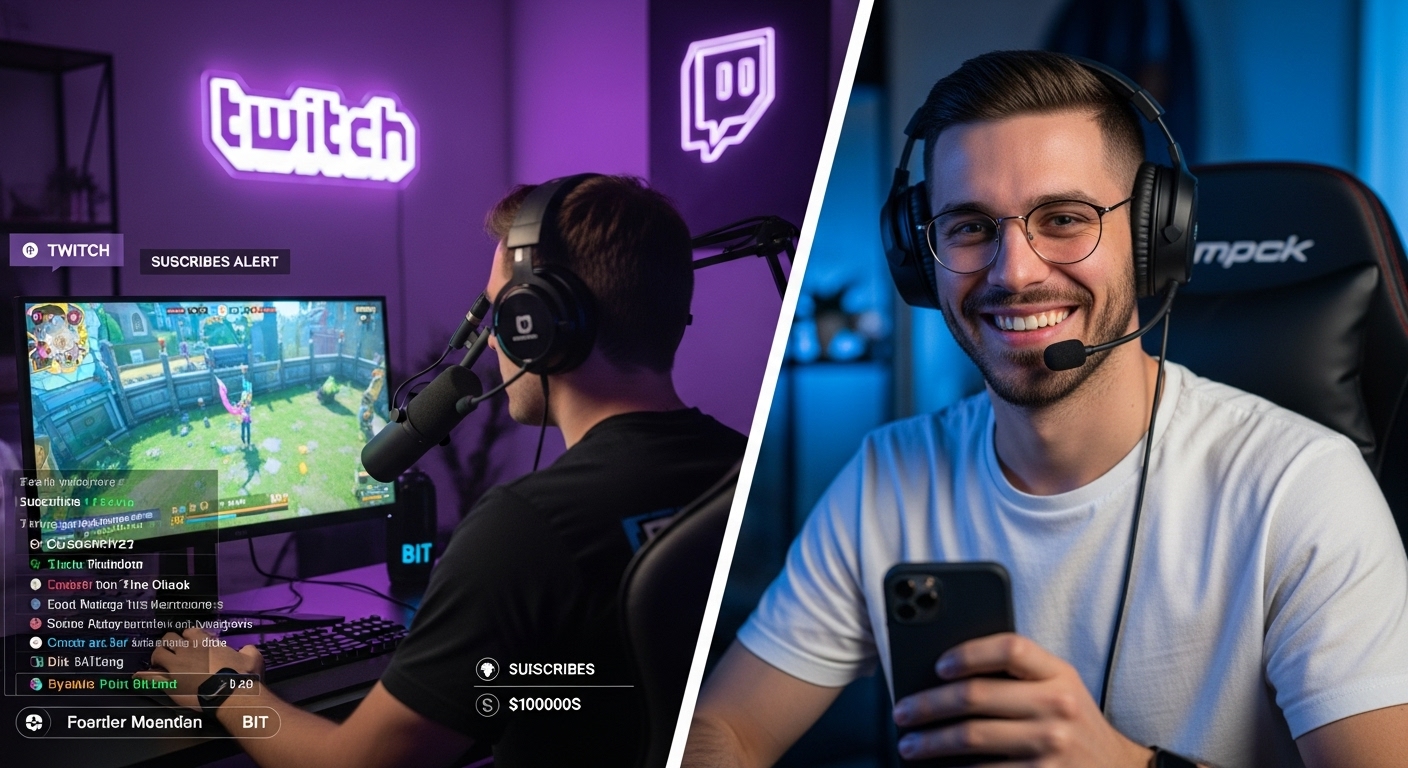
Influencer marketing has become one of the most powerful tools in the gaming industry. With the rise of platforms like Twitch, YouTube, and TikTok, gamers and content creators have transformed into trusted voices for millions of fans worldwide. Unlike traditional advertising, influencer marketing connects with audiences in a more personal, authentic, and engaging way.
Today, gaming companies—from indie developers to global publishers—rely heavily on influencers to promote their products, build communities, and drive sales. The role of influencer marketing in gaming is not just promotional; it’s cultural, shaping the way gamers discover, experience, and share video games.
This blog dives deep into the world of gaming influencers, their impact on the industry, and how marketing strategies built around them are redefining the gaming landscape.
The Rise of Influencer Marketing in Gaming
Influencer marketing in gaming didn’t happen overnight. Its roots can be traced back to the early days of YouTube in the mid-2000s, when creators began uploading “Let’s Play” videos. These were simple playthroughs, often with commentary, that showcased new games to curious viewers.
Gamers like PewDiePie, Markiplier, and Jacksepticeye grew massive audiences by entertaining fans while playing popular titles. Game publishers noticed this trend quickly. Instead of relying solely on television ads or banner campaigns, they saw an opportunity to reach millions of engaged players through influencers.
As streaming platforms like Twitch emerged, influencer marketing in gaming reached new heights. Watching someone play live felt interactive, authentic, and far more persuasive than traditional ads. This shift has continued into the present day, making influencers central to almost every major gaming campaign.
Why Influencers Matter in Gaming
Influencers matter because they connect with audiences in ways brands can’t. Gamers trust other gamers. When a favorite streamer recommends a game or shows genuine excitement during gameplay, fans are more likely to check it out.
Several factors explain this influence:
- Authenticity: Gamers want real opinions, not polished commercials. Influencers provide raw, unfiltered feedback.
- Community Connection: Streamers and creators often interact directly with their fans, building trust and loyalty.
- Entertainment Factor: Influencers don’t just promote games; they create fun, engaging experiences around them.
- Peer Effect: Fans see influencers as peers rather than celebrities, making their recommendations more relatable.
This trust-driven relationship has made influencers one of the most powerful voices in gaming culture.
Types of Gaming Influencers
Not all influencers are the same. The gaming world has different tiers of influencers, each playing a unique role in marketing strategies.
1. Mega Influencers
These are the household names of gaming, with millions of followers across platforms. They are often seen as celebrities within and beyond gaming. Brands use mega influencers for large-scale campaigns to maximize exposure.
2. Macro Influencers
With follower counts ranging from hundreds of thousands to a few million, macro influencers offer a balance of reach and engagement. They’re popular enough to attract attention but still relatable to their audiences.
3. Micro Influencers
Micro influencers usually have between 10,000 and 100,000 followers. Their communities are smaller but highly engaged. Many gaming companies prefer working with micro influencers because their recommendations feel more personal.
4. Nano Influencers
These influencers may have fewer than 10,000 followers, but their impact should not be underestimated. Nano influencers often have niche audiences with strong trust, making them effective for targeted campaigns, especially for indie developers.
Platforms Driving Gaming Influencer Marketing
Different platforms play unique roles in influencer marketing for gaming.
Twitch
Twitch is the leading live-streaming platform for gamers. It allows influencers to interact with fans in real time, creating strong connections. Sponsored streams, game launches, and charity events are common marketing strategies here.
YouTube
YouTube remains the go-to place for gameplay videos, walkthroughs, and reviews. Long-form content thrives here, making it perfect for influencers who want to showcase games in detail.
TikTok
TikTok has become a rising force in gaming influencer marketing. Short, creative clips reach younger audiences quickly, and trends spread rapidly. Many mobile games benefit from TikTok virality.
Instagram & Twitter (X)
While not dedicated gaming platforms, these sites are essential for community updates, behind-the-scenes content, and influencer-brand collaborations.
How Gaming Companies Use Influencer Marketing
Gaming companies have developed many creative ways to work with influencers. Some common strategies include:
- Sponsored Streams & Videos: Paying influencers to play and showcase a game.
- Early Access & Exclusive Content: Giving influencers early access to generate hype before release.
- Affiliate Codes & Partnerships: Allowing influencers to earn commissions through referral codes.
- Community Events & Tournaments: Collaborating with influencers to host competitions and community-driven activities.
- Merchandise Collaborations: Partnering with influencers on limited-edition products.
These strategies not only promote games but also strengthen long-term relationships between players, creators, and companies.
Case Studies: Influencer Marketing Success in Gaming
Influencer campaigns have already transformed several game launches.
- Among Us: Though released in 2018, it only became a global hit in 2020 after influencers streamed it on Twitch and uploaded videos on YouTube.
- Fortnite: Epic Games partnered with influencers, including celebrities like Ninja, to make Fortnite a cultural phenomenon.
- Fall Guys: Streamers created viral moments that pushed the game into mainstream conversation.
- Indie Titles: Small developers often rely almost entirely on influencer campaigns, and many have gone viral without traditional advertising.
These examples highlight how influencer marketing can make or break a game’s success.
The Economics of Influencer Marketing in Gaming
Money plays a huge role in this space. Brands allocate millions of dollars annually to influencer campaigns because the return on investment is significant.
- Cost-Per-Post: Influencers can charge anywhere from a few hundred to tens of thousands of dollars per sponsored post.
- Affiliate Marketing: Influencers earn commissions from game sales driven by referral codes.
- Partnership Deals: Long-term collaborations provide consistent exposure for games and stability for influencers.
For gaming companies, influencer campaigns often outperform traditional ads because they directly target engaged gaming audiences.
Challenges in Gaming Influencer Marketing
Despite its effectiveness, influencer marketing in gaming faces challenges.
- Authenticity vs. Sponsorship: Audiences may distrust influencers if promotions feel forced.
- Market Saturation: With so many influencers promoting games, standing out is harder.
- High Costs: Top influencers charge premium rates, making campaigns expensive.
- Transparency Issues: Lack of disclosure about sponsorships can harm credibility.
- Platform Volatility: Algorithm changes or bans can disrupt influencer reach overnight.
Brands must carefully plan their campaigns to navigate these challenges successfully.
The Role of Esports Influencers
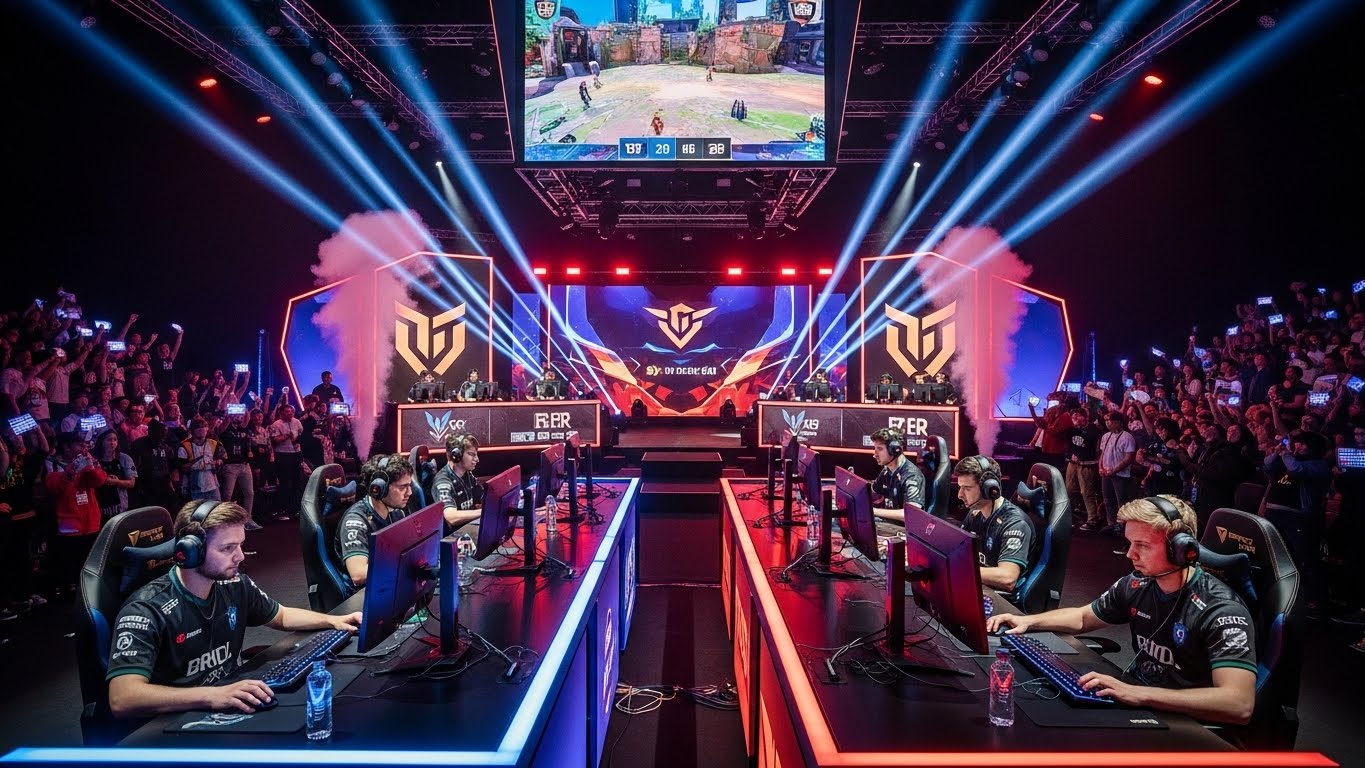
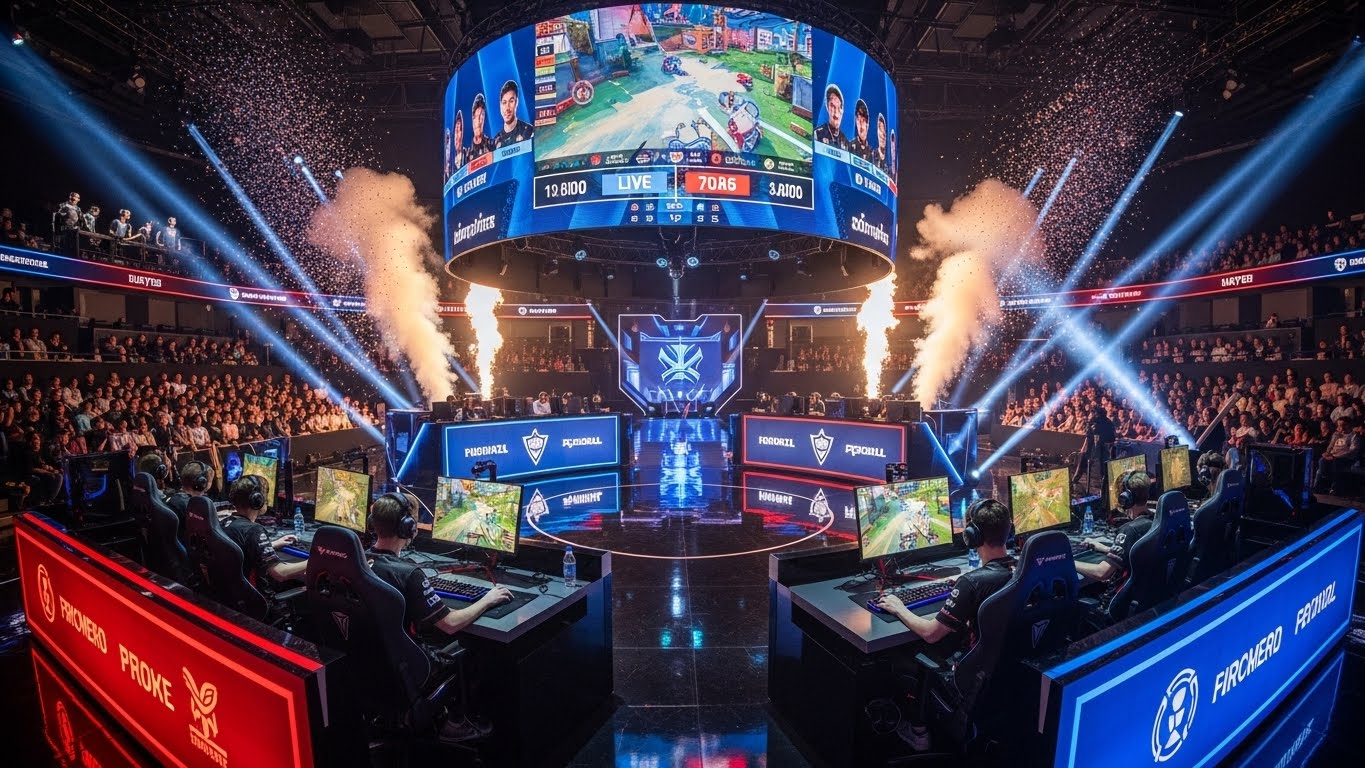
Esports has elevated influencer marketing further. Professional players and casters have become influencers in their own right. Fans look up to them not only for gameplay skills but also for lifestyle inspiration.
Esports organizations partner with influencers to promote both games and products, from hardware to apparel. Esports influencers bridge the gap between competitive gaming and mainstream entertainment.
The Psychology Behind Gaming Influencers
Why do gaming influencers have such a strong impact? The answer lies in psychology.
- Parasocial Relationships: Fans feel like they have a personal connection with influencers, even without direct interaction.
- Social Proof: Seeing influencers play a game signals that it’s worth trying.
- FOMO (Fear of Missing Out): Limited-time events or exclusive codes shared by influencers drive quick adoption.
- Emotional Engagement: Influencers make games feel more exciting and relatable.
This blend of psychology and entertainment makes influencer marketing especially powerful in gaming.
The Future of Influencer Marketing in Gaming
The role of influencers in gaming will only grow. With advancements in technology, new opportunities are emerging:
- Virtual Influencers: AI-generated personalities promoting games.
- Metaverse Events: Virtual spaces where influencers host live events.
- AR/VR Integration: Immersive experiences powered by influencers.
- Data-Driven Campaigns: Advanced analytics helping brands measure impact more precisely.
Influencers will continue to shape the gaming world, guiding how players discover and engage with new experiences.
Conclusion
The role of influencer marketing in gaming cannot be overstated. It has shifted the balance of power from traditional advertising to community-driven voices. From mega streamers to niche creators, influencers shape the way games are launched, played, and remembered.
For gaming companies, investing in influencer marketing is no longer optional—it’s essential. For players, it’s an opportunity to discover new titles through trusted voices. And for influencers, it’s a career path that merges passion with business.
Gaming and influencer marketing are now inseparable, and as technology evolves, this bond will only deepen. The future of gaming will not just be about great titles but also about the people who bring them to life for millions of fans around the world.