
 esportsmastersarena62
Esports, once considered a niche hobby, has exploded into a global phenomenon that rivals traditional sports in viewership, investment, and cultural impact. From modest beginnings in local gaming communities to massive tournaments broadcast to millions worldwide, competitive gaming has cemented itself as a serious industry. But what exactly drives esports’ meteoric rise, and what makes it so compelling for players and fans alike?
The Origins of Esports
The roots of esports trace back to the 1970s and 1980s when arcade games and early home consoles began gaining popularity. Early competitions, such as the Space Invaders Championship in 1980, showcased players’ skills on a national scale, laying the foundation for organized gaming contests. However, it wasn’t until the rise of multiplayer PC games in the 1990s that esports began resembling the industry we know today.
Games like StarCraft in South Korea and Counter-Strike in Western countries sparked the formation of professional teams and competitive leagues. South Korea, in particular, played a crucial role in transforming esports into a spectator sport, with televised matches and gaming cafes fostering a culture around professional competition. The nation’s commitment to structured leagues and government support highlighted the potential of competitive gaming as both entertainment and a career path.
Understanding the Esports Ecosystem
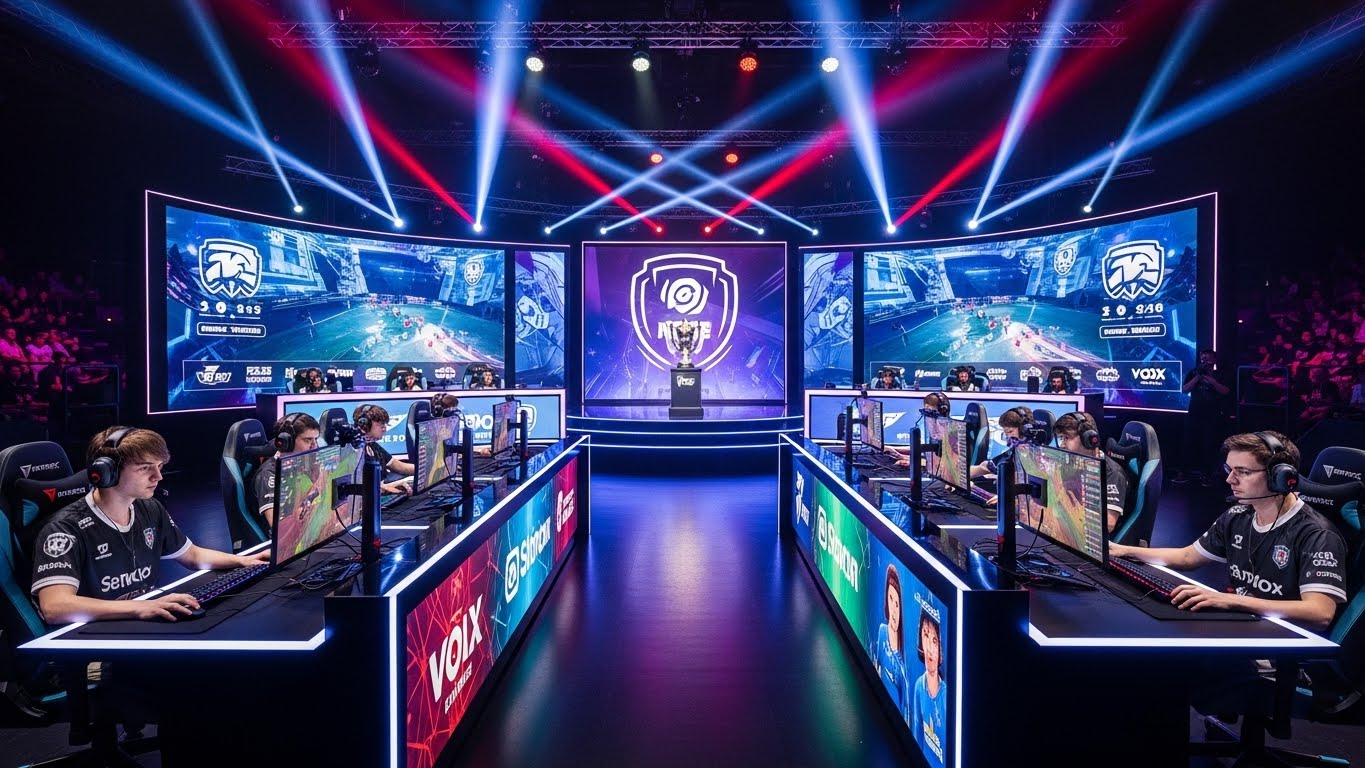
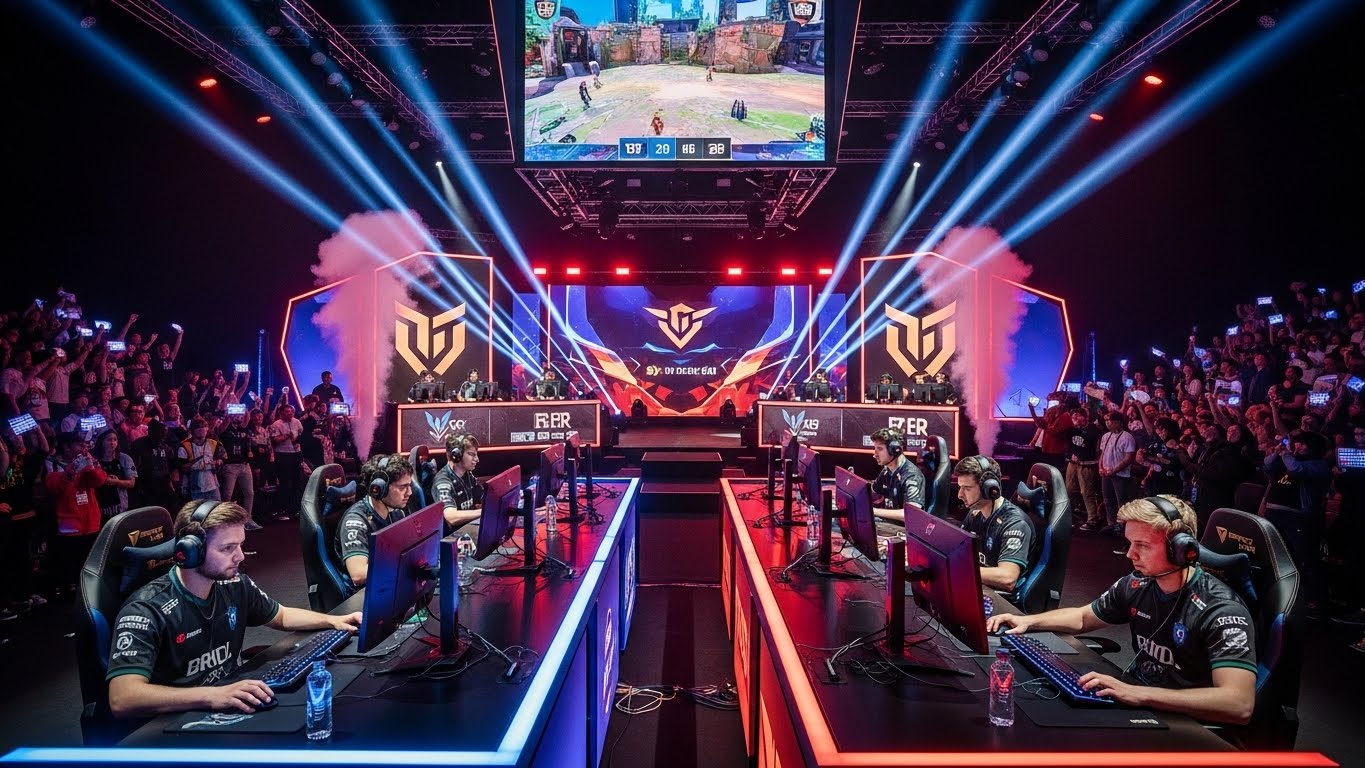
Esports is more than just a player competing against another; it is a complex ecosystem comprising players, teams, organizers, sponsors, streaming platforms, and fans. At the center are the professional players, who dedicate hours each day to practice, strategy, and skill development. Much like athletes in traditional sports, their success depends on precision, reflexes, teamwork, and mental endurance.
Teams often operate like professional sports franchises, complete with coaching staff, analysts, and management. Sponsorships from technology companies, energy drinks, and lifestyle brands provide financial support while helping promote the team’s image. Tournament organizers handle logistics, prize pools, and event marketing, ensuring competitions run smoothly and attract massive audiences.
Streaming platforms such as Twitch and YouTube Gaming have revolutionized how fans engage with esports. Unlike traditional sports, viewers can watch matches live, interact with players via chat, and even participate in gaming communities. This interactivity creates a unique sense of connection between players and fans, further fueling the industry’s growth.
Popular Esports Titles
The world of esports is diverse, with games spanning multiple genres, each attracting different types of players and audiences. Some of the most prominent esports titles include:
- League of Legends: A multiplayer online battle arena game that has become one of the most popular esports worldwide. Its strategic gameplay and dynamic matches draw millions of viewers each year.
- Dota 2: Known for its complexity and massive prize pools, Dota 2 tournaments like The International have redefined the scale of competitive gaming.
- Counter-Strike: Global Offensive: A tactical first-person shooter that emphasizes precision, teamwork, and strategy, maintaining a loyal fanbase since the early 2000s.
- Fortnite: A battle royale game that blends fast-paced action with building mechanics, appealing to a younger demographic and driving huge online viewership.
- Overwatch: Combining elements of first-person shooters and team-based objectives, Overwatch has cultivated a vibrant esports scene with seasonal leagues and international competitions.
Each game has its own unique culture, strategies, and fan communities, highlighting the diversity within esports.
The Business of Esports
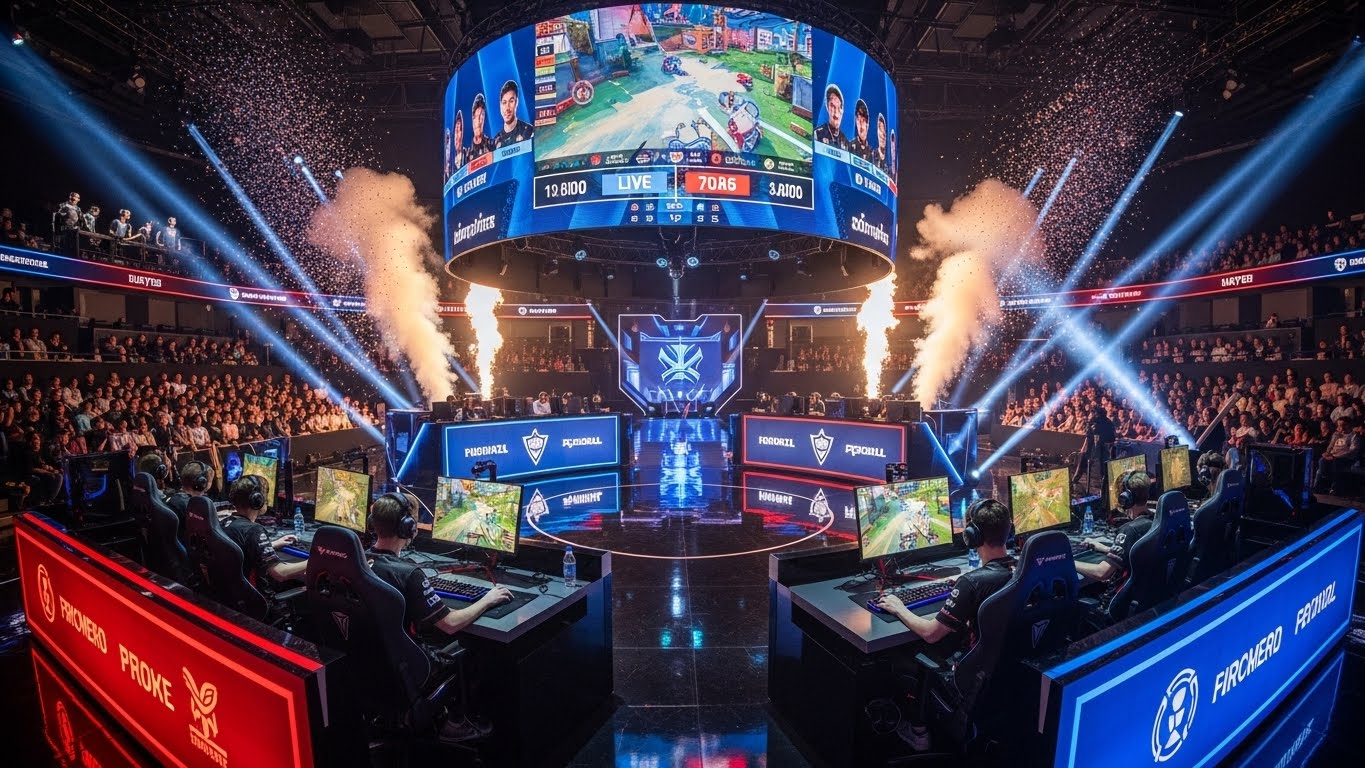
The esports industry has evolved into a multi-billion-dollar market driven by sponsorships, media rights, merchandise, and live events. Unlike traditional sports, esports thrives on digital platforms, allowing for global reach without the need for physical stadiums. Streaming revenue, advertising, and tournament prize pools are primary revenue streams, while brands leverage esports to engage with younger, tech-savvy audiences.
Investors are increasingly recognizing esports as a lucrative opportunity. Professional teams receive funding from venture capital, celebrity investors, and large corporations, enabling them to operate like conventional sports franchises. Additionally, tournaments with seven- or eight-figure prize pools attract top talent, incentivizing players to pursue competitive gaming as a legitimate career.
Merchandising and fan engagement also contribute significantly. Branded apparel, collectibles, and virtual goods allow fans to express loyalty and support for their favorite teams. Esports has cultivated a lifestyle culture that extends beyond the screen, merging gaming, fashion, and entertainment into a cohesive ecosystem.
The Global Impact of Esports
Esports has transcended cultural and geographical boundaries, creating a truly global phenomenon. South Korea, China, Europe, and North America serve as major hubs for competitive gaming, but players and fans hail from virtually every corner of the world. International tournaments not only provide entertainment but also foster cross-cultural exchange, connecting diverse audiences through a shared passion for gaming.
The rise of esports has also influenced education and career opportunities. Many universities now offer scholarships and degree programs related to esports management, game design, and professional gaming. This legitimizes esports as a career path and provides structured pathways for aspiring players and industry professionals.
Moreover, esports has created opportunities for content creators, analysts, coaches, and event organizers, expanding employment possibilities beyond just playing games. This broad spectrum of roles has transformed esports into a multifaceted industry capable of sustaining long-term growth.
Challenges Facing the Esports Industry
Despite its rapid growth, esports faces several challenges. One major concern is player health and well-being. Professional gamers often endure grueling training schedules, leading to physical issues such as repetitive strain injuries, eye strain, and poor posture. Mental health is also a concern, as the pressure to perform, maintain sponsorships, and meet fan expectations can lead to burnout and stress.
Another challenge lies in standardizing regulations and governance. Unlike traditional sports, esports lacks a universal regulatory body, resulting in discrepancies in rules, player contracts, and tournament structures. Disputes over match-fixing, cheating, and intellectual property have emerged, emphasizing the need for stronger oversight.
Finally, while esports enjoys massive online viewership, monetization remains uneven. Not all games or regions attract the same sponsorship and media opportunities, making it difficult for smaller teams and players to sustain long-term careers. The industry must balance growth with accessibility to ensure a diverse and competitive ecosystem.
The Future of Esports
The future of esports is promising, driven by technological advancements and expanding cultural acceptance. Virtual reality and augmented reality games have the potential to redefine competitive gaming experiences, offering more immersive and interactive competitions. Cloud gaming may also enable broader participation by reducing hardware barriers, making esports more inclusive.
Traditional sports organizations are increasingly recognizing esports as a complementary avenue. Football clubs, basketball teams, and other franchises are investing in esports teams, bridging the gap between conventional sports and digital competition. This convergence suggests that esports may continue to gain mainstream legitimacy in the coming years.
Esports also holds potential as a tool for education and skill development. Strategic thinking, teamwork, communication, and reflexes are cultivated through competitive gaming, skills applicable beyond the digital arena. As the industry matures, esports could play an increasingly prominent role in shaping youth culture, education, and entertainment.
Conclusion
Esports is no longer just a hobby for enthusiasts; it is a thriving, multi-faceted industry with global reach and cultural significance. From humble beginnings in arcades to massive international tournaments, competitive gaming has captured the imaginations of millions and created opportunities for players, fans, and businesses alike. While challenges remain, the continued growth of esports promises to redefine what it means to be an athlete, a fan, and a digital citizen in the 21st century. The rise of digital gladiators has arrived, and it is here to stay.