
 esportsmastersarena62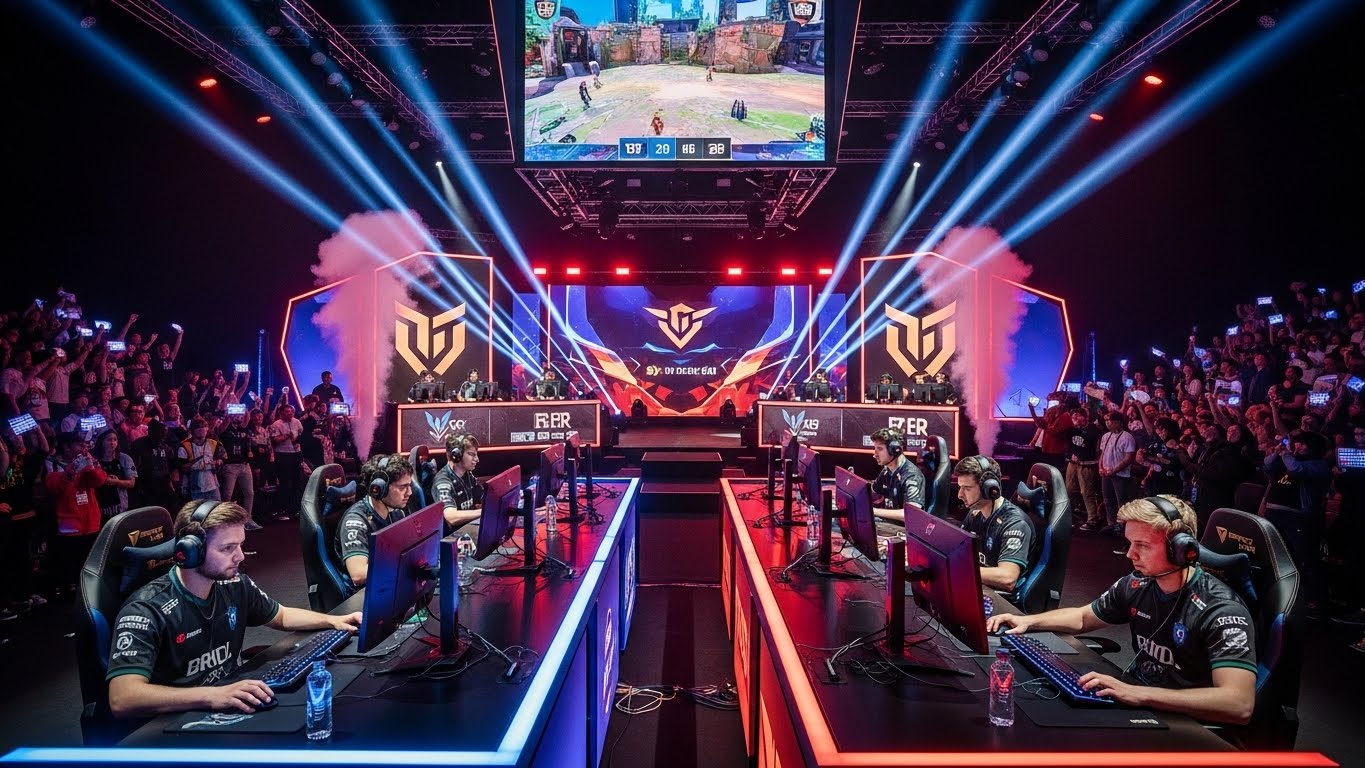
Esports, short for electronic sports, has grown from a niche hobby to a global phenomenon in just a few decades. What was once considered casual gaming has transformed into a multi-billion-dollar industry, captivating millions of fans and professional players worldwide. Esports combines strategy, skill, reflexes, and teamwork in a digital arena, creating a competitive environment as intense as traditional sports. This blog explores the rise of esports, its cultural, social, and economic impact, and why it is redefining modern competition.
The Origins of Esports
The roots of esports trace back to the early days of video gaming. In the 1970s and 1980s, arcade games such as Space Invaders and Pac-Man became the first platforms for competitive play. Players would compete for high scores, and gaming communities began to celebrate skill and achievement.
In the 1990s, multiplayer games like Quake, StarCraft, and Warcraft introduced competitive gameplay on a larger scale. Online networks allowed players from different regions to compete in real-time, creating the first organized tournaments. Early competitions such as the Cyberathlete Professional League laid the foundation for professional esports and established gaming as a legitimate form of competition.
Esports as a Modern Sport
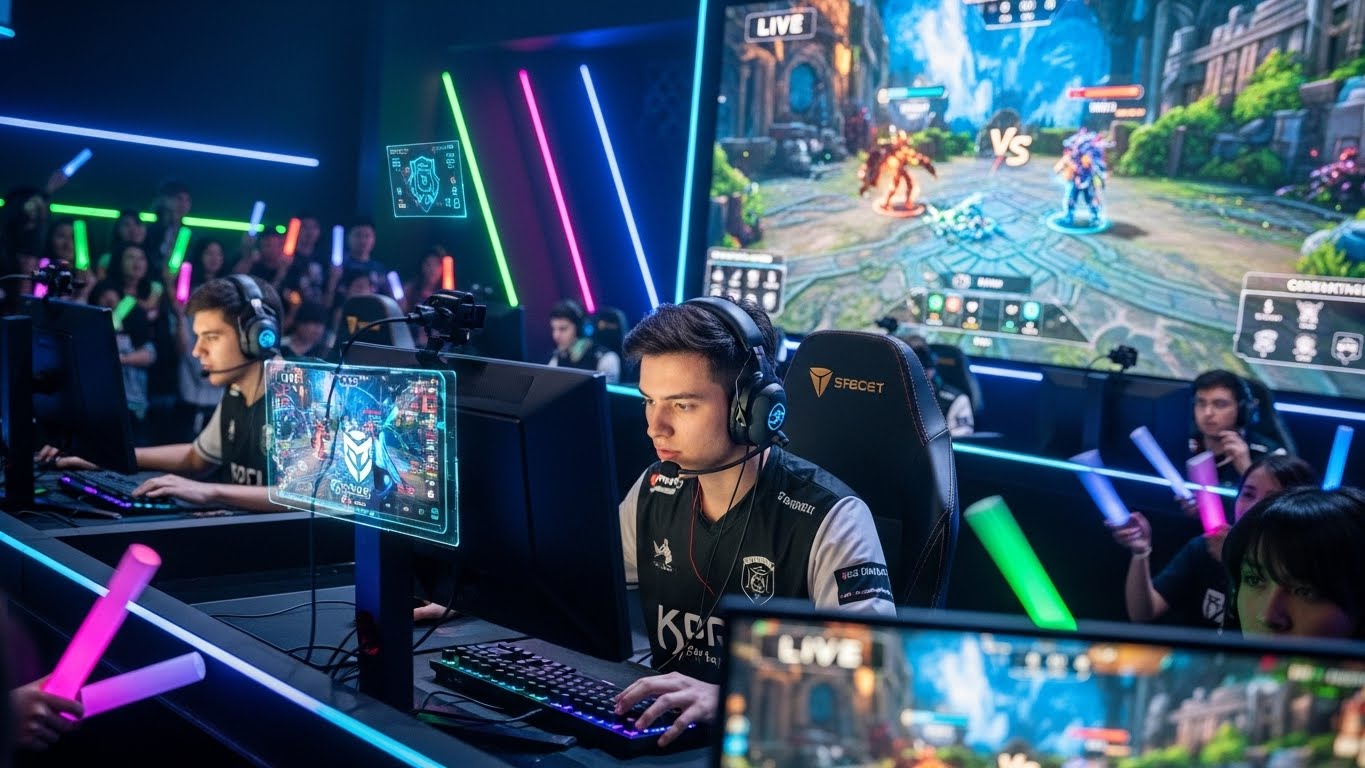
Although esports does not require physical exertion like traditional sports, it demands similar levels of skill, focus, and mental stamina. Professional players train for hours daily, practicing strategies, enhancing reflexes, and maintaining peak mental performance. Hand-eye coordination, precision, and the ability to make quick decisions under pressure are essential qualities in esports athletes.
Esports games fall into multiple genres, including first-person shooters, multiplayer online battle arenas, fighting games, and sports simulations. Popular titles like League of Legends, Dota 2, Counter-Strike, and Fortnite have professional leagues and massive fan bases. Despite being digital, the intensity, preparation, and dedication required for esports are comparable to traditional sports.
The Rise of Esports Industry
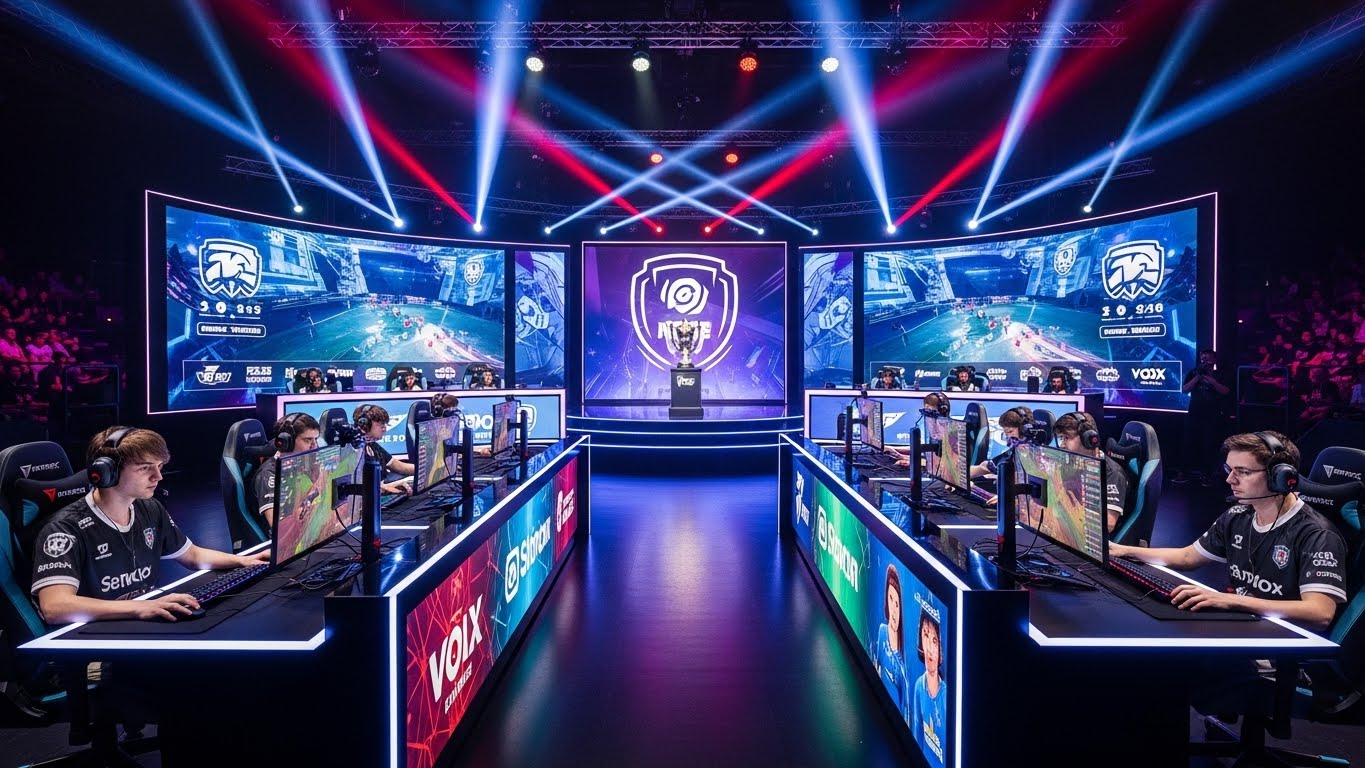
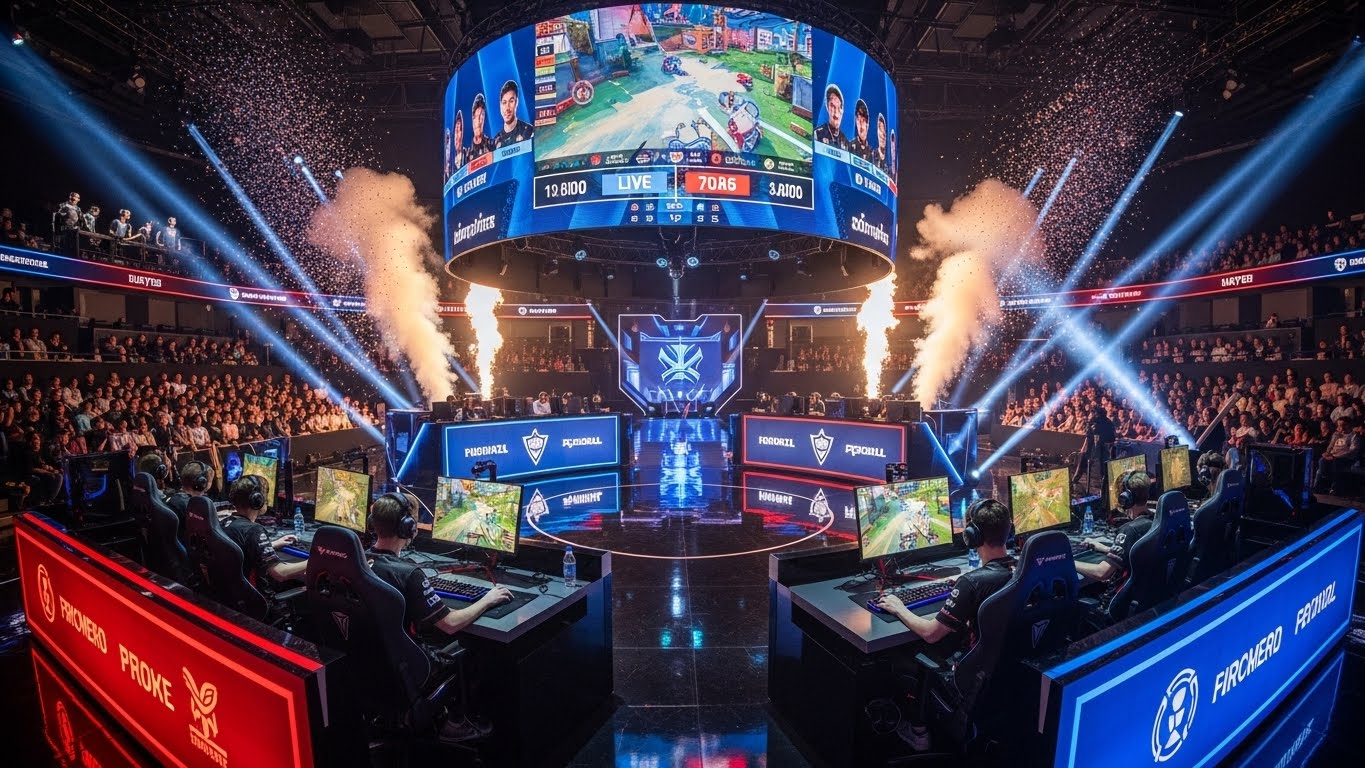
Esports has grown into a billion-dollar industry. Large-scale tournaments now fill stadiums, attract millions of online viewers, and offer significant prize money. Revenue streams include sponsorships, advertising, broadcasting rights, merchandise, and in-game purchases.
Streaming platforms have accelerated esports growth, allowing fans worldwide to watch matches live and interact with players in real-time. Unlike traditional sports, esports transcends geographic boundaries, giving players and fans from different continents the ability to participate and connect on a global scale.
Cognitive and Mental Benefits
Esports provides numerous cognitive and mental benefits. Competitive gaming requires strategic thinking, rapid problem-solving, and multitasking. Players must constantly analyze in-game scenarios, anticipate opponents’ actions, and adjust strategies in real time.
Additionally, esports improves focus, concentration, and reaction time. Many games demand split-second decisions and precise movements, which enhance hand-eye coordination and mental agility. The competitive nature of esports also builds resilience, as players learn to manage stress, handle losses, and continuously improve their skills.
Teamwork and Collaboration
Team-based esports games highlight the importance of collaboration. Titles like League of Legends, Overwatch, and Counter-Strike require coordinated strategies, effective communication, and mutual trust. Successful teams rely on understanding each player’s role, strengths, and weaknesses, similar to traditional team sports.
Esports organizations often include coaches, analysts, and support staff, creating a structured environment that mirrors professional sports teams. This environment nurtures leadership, communication, and problem-solving skills, demonstrating that esports can be a platform for personal development as well as competition.
Cultural Impact of Esports
Esports has become a cultural phenomenon, influencing entertainment, fashion, and social media. Professional players are celebrated like athletes, and major tournaments are significant cultural events. Fans engage through streaming platforms, social media, and fan communities, creating a sense of belonging and shared passion.
The rise of esports has also encouraged creative expression through cosplay, fan art, and video content. International tournaments foster cross-cultural connections, uniting players and fans from different countries. Esports has not only changed the way people compete but also how communities interact and express themselves digitally.
Esports in Education
Educational institutions have recognized the value of esports as a tool for learning and skill development. Schools and colleges now offer esports clubs, scholarships, and structured programs that integrate competitive gaming into the academic environment.
Participation in esports promotes strategic thinking, time management, teamwork, and leadership skills. Unlike traditional sports, esports is accessible to students who may not be physically inclined, providing an inclusive platform for competition and personal growth. Professional esports programs at universities have become a pathway for students to pursue careers in gaming, broadcasting, and game development.
Health Considerations
While esports offers many benefits, it also comes with health considerations. Extended periods of gaming can lead to eye strain, repetitive strain injuries, poor posture, and sleep disturbances. Professional players counter these challenges with physical exercise, ergonomic setups, and balanced nutrition.
Mental health is equally crucial. The pressures of competition can lead to anxiety and stress. Many esports organizations provide mental health support and counseling, emphasizing that peak performance requires both physical and psychological well-being.
Technology and Innovation in Esports
Technology is the backbone of esports. High-performance gaming computers, peripherals, and internet connectivity enable competitive gameplay. Streaming and broadcasting technology allow fans to watch matches in real-time, while analytics and artificial intelligence help players refine strategies and study opponents.
Emerging technologies such as virtual reality, augmented reality, and cloud gaming are revolutionizing esports. They enhance gameplay, create immersive experiences, and expand accessibility, ensuring that esports continues to evolve and engage players and audiences worldwide.
Economic Significance
Esports has become a major economic force. Revenue comes from tournament prize pools, sponsorships, merchandising, media rights, and in-game purchases. Large tournaments also contribute to local economies by attracting spectators, boosting tourism, and creating jobs in event management, marketing, and broadcasting.
The industry provides career opportunities beyond playing, including coaching, content creation, analysis, and game development. With continuous growth, esports is establishing itself as a viable and sustainable profession.
Challenges Facing Esports
Despite rapid growth, esports faces challenges. The lack of standardized rules and regulations can lead to cheating, disputes, or unfair practices. Player burnout, mental health concerns, and physical strain remain pressing issues.
Social perception is another hurdle. In some regions, gaming is still not viewed as a legitimate career, limiting opportunities and recognition. Addressing these challenges requires coordinated efforts from organizations, players, and communities to ensure fair play, inclusivity, and sustainability.
The Future of Esports
The future of esports looks promising and transformative. Mobile gaming, virtual reality, and cloud-based platforms are creating new opportunities for players and fans. International tournaments will continue to grow, attracting more global participation.
Esports is also gaining mainstream acceptance, with educational institutions, media outlets, and corporations embracing competitive gaming. As the industry matures, it will continue to innovate, inspire, and connect people worldwide, solidifying its role as a central aspect of modern culture and entertainment.
Conclusion: Esports as a Modern Phenomenon
Esports represents a new era of competition, blending technology, skill, strategy, and creativity. It challenges traditional definitions of sports while offering cognitive, social, and economic benefits.
From teamwork and leadership to cultural impact and professional opportunities, esports provides a multifaceted platform for growth and engagement. It is a space where digital skill meets real-world dedication, where competition transcends borders, and where communities come together around shared passion.
As esports continues to grow, it is clear that it is more than just gaming. It is a global movement, a professional arena, and a cultural force that is shaping the future of competition. The rise of esports signals a new chapter in human engagement, proving that excellence, teamwork, and perseverance are not confined to physical fields but thrive equally in digital arenas.