
 esportsmastersarena62
Introduction
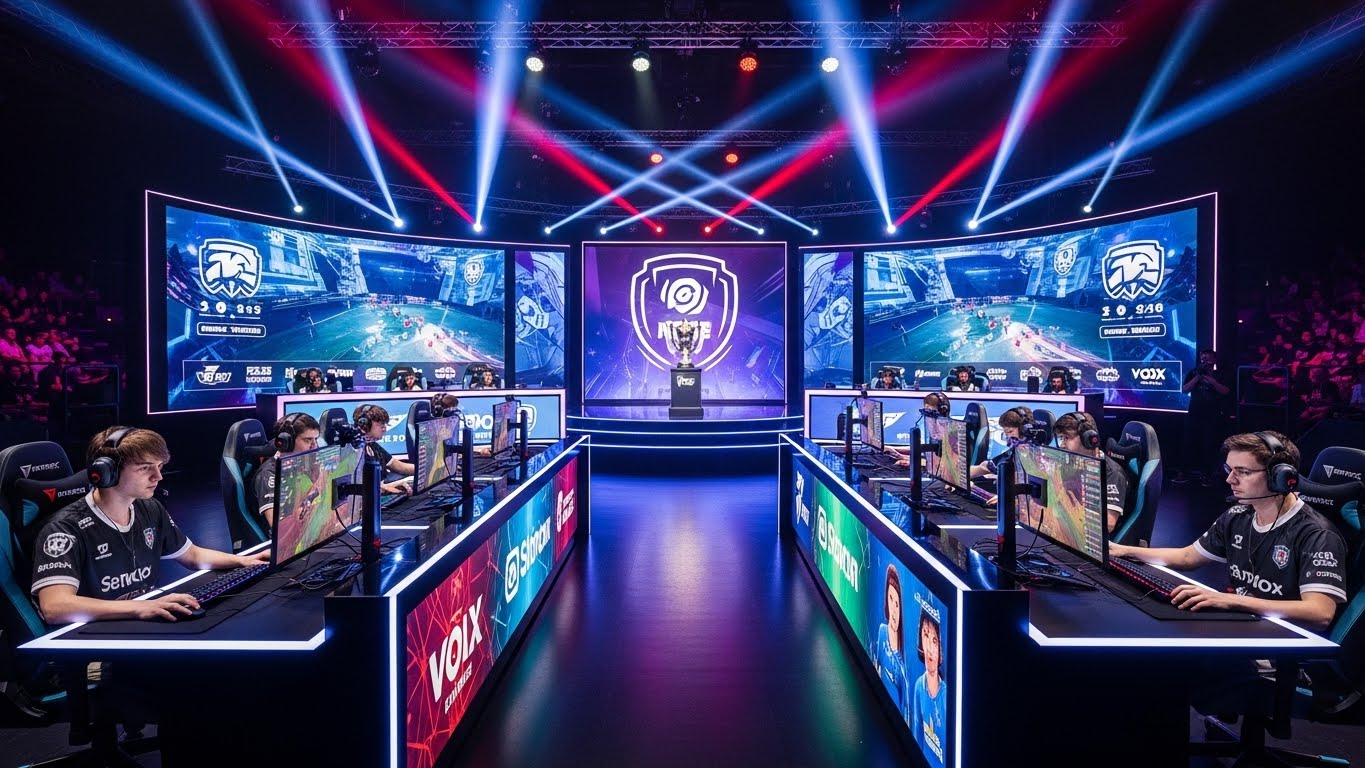
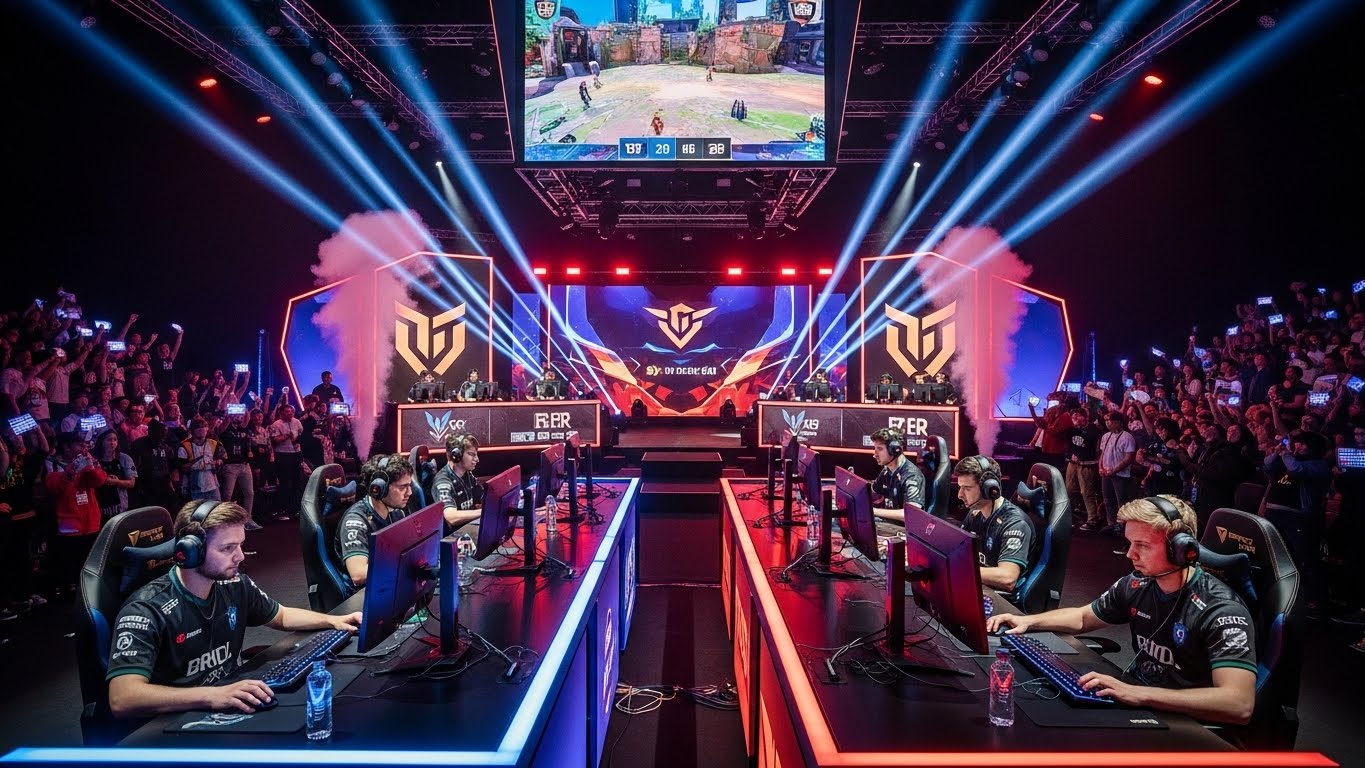
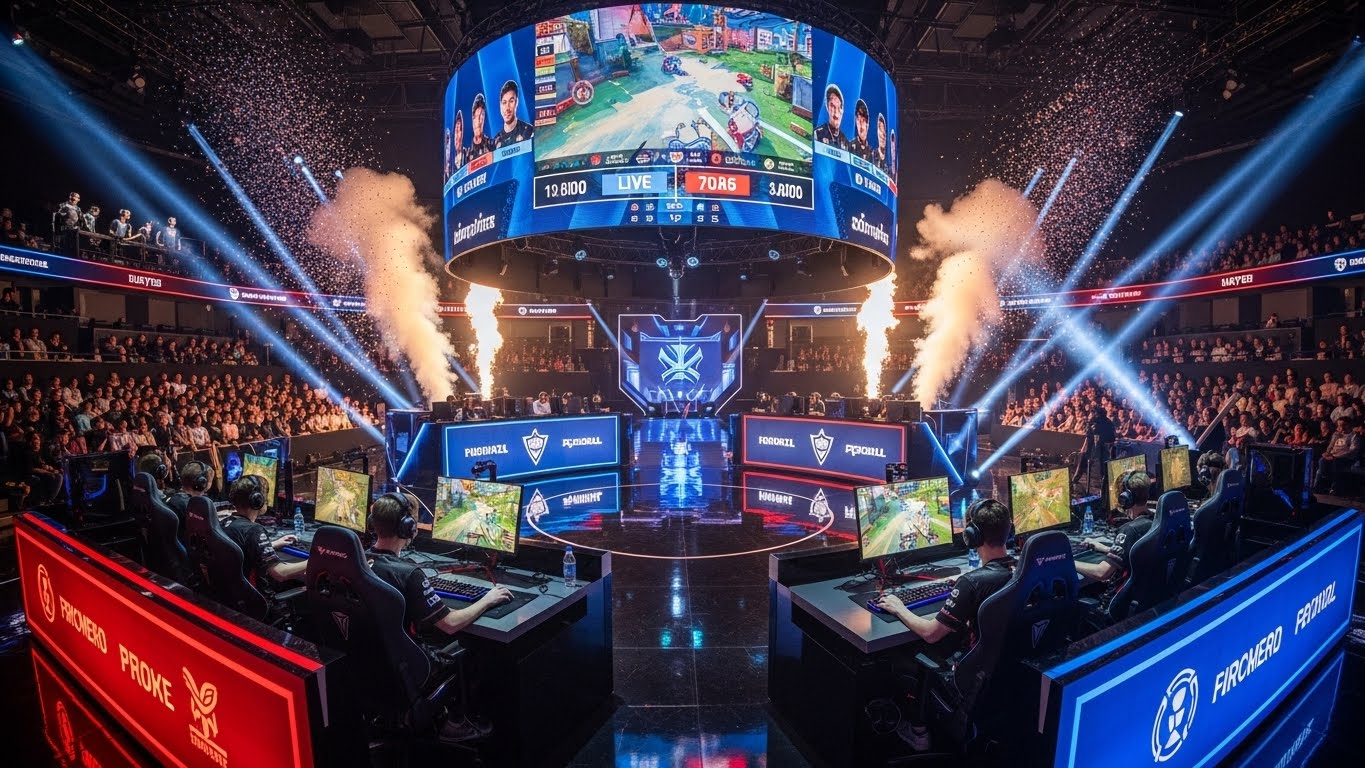
Esports has emerged as one of the fastest-growing industries in the world, captivating millions of players, fans, and brands across the globe. From humble beginnings in local LAN tournaments to massive international events broadcast to millions of viewers, competitive gaming has evolved into a multi-billion-dollar phenomenon. In just a few years, esports has transformed from a niche hobby to a mainstream entertainment industry, drawing attention from not only gaming enthusiasts but also investors, broadcasters, and even traditional sports organizations.
In this blog post, we will explore how esports has gained prominence, what factors contribute to its growth, and why it is reshaping the future of entertainment.
The Origins of Esports
The history of esports dates back to the early 1970s, when competitive gaming first began to take shape. One of the earliest examples of gaming competitions occurred in 1972 with the “Intergalactic Spacewar Olympics,” held at Stanford University. Players competed in the popular arcade game Spacewar, marking the first known esports tournament. While this was a small-scale event, it laid the foundation for the competitive gaming scene that would later blossom in the following decades.
However, it wasn’t until the late 1990s and early 2000s that esports began to gain real momentum. With the rise of the internet and online gaming, tournaments for games like StarCraft, Quake, and Warcraft started to attract larger audiences. Professional players and teams emerged, and the first major esports leagues were established. As technology improved, live streaming platforms like Twitch were created, providing gamers and fans with the ability to watch tournaments from anywhere in the world.
The Explosion of Esports in the 2010s
The 2010s marked the beginning of esports’ mainstream rise. As streaming platforms like Twitch, YouTube Gaming, and Facebook Gaming gained traction, esports reached a global audience like never before. Viewership for major esports events skyrocketed, with millions tuning in to watch tournaments for games such as League of Legends, Dota 2, Counter-Strike: Global Offensive, and Fortnite.
The success of these games was driven by several factors. First, they featured a highly competitive nature that attracted top-tier players and offered deep strategic elements that kept both players and fans engaged. Second, the development of esports infrastructure—such as dedicated arenas, sponsorship deals, and media partnerships—helped elevate the profile of esports tournaments.
The League of Legends World Championship, for example, became one of the most-watched esports events in the world, surpassing the viewership of traditional sports finals like the Super Bowl. In 2019, the League of Legends World Championship Finals attracted over 100 million viewers globally, a testament to the growing global appeal of esports.
Esports as a Multi-Billion Dollar Industry
Esports is no longer just a hobby for passionate gamers; it has become a multi-billion-dollar industry. According to recent reports, the global esports market is projected to generate more than $1.5 billion in revenue by 2025. This revenue comes from various sources, including sponsorships, advertising, media rights, ticket sales, and merchandise.
A major contributor to the financial success of esports has been its partnerships with global brands. Companies from diverse industries, including technology, automotive, fashion, and even fast food, have recognized the value in associating themselves with esports. Sponsorship deals have become one of the largest revenue streams for esports organizations and players. For example, esports organizations like Cloud9 and Team Liquid have attracted high-profile sponsorships from brands like Logitech, Coca-Cola, and Intel.
Additionally, media rights have played a significant role in the growth of the esports industry. Major streaming platforms, such as Twitch and YouTube, have signed exclusive deals with esports leagues to broadcast tournaments. This has provided organizations with new revenue streams and expanded the reach of esports to millions of fans worldwide.
The Global Appeal of Esports
One of the most fascinating aspects of esports is its global appeal. While traditional sports have historically been regional or nation-based, esports transcends borders, with players and fans from every corner of the world coming together through the power of the internet.
Countries like South Korea and China were among the first to embrace esports on a large scale, and today, esports is an integral part of youth culture in these regions. In South Korea, competitive gaming is seen as a professional career, with top players enjoying the same level of recognition and respect as traditional athletes. The StarCraft scene in South Korea in the early 2000s served as a blueprint for esports’ mainstream acceptance, with televised leagues and dedicated esports channels.
In the West, esports continues to grow rapidly, with major leagues like the Overwatch League and Call of Duty League attracting millions of viewers. The rise of popular battle royale games like Fortnite and PUBG has brought a new generation of fans into the esports fold. These games appeal to a broader demographic, and their accessibility on multiple platforms, such as PC, consoles, and mobile devices, has made them even more popular.
The Role of Streaming and Social Media
Streaming platforms like Twitch, YouTube Gaming, and Facebook Gaming have played a crucial role in the growth of esports. These platforms allow gamers to broadcast their gameplay, interact with fans in real-time, and build personal brands. For many players, streaming has become an essential aspect of their careers, with top-tier streamers earning substantial income through subscriptions, donations, and sponsorships.
Twitch, in particular, has become the go-to platform for esports content. With millions of active users watching live streams of tournaments, casual play, and commentary, Twitch has established itself as a hub for competitive gaming. Professional players, teams, and tournament organizers use Twitch to broadcast live events and engage with their audiences, further fueling the growth of esports.
Social media platforms, such as Twitter, Instagram, and TikTok, also play an important role in promoting esports. Players, teams, and organizations use these platforms to share highlights, behind-the-scenes content, and news about upcoming events. Social media has made it easier for fans to connect with their favorite players and stay up to date on all things esports.
Esports as a Career Path
One of the most significant aspects of esports’ growth is the professionalization of gaming. What was once considered a casual pastime is now a legitimate career for many individuals. Professional esports players, coaches, analysts, and casters (commentators) all have opportunities to make a living through their involvement in competitive gaming.
Top esports players can earn substantial salaries through tournament prize money, sponsorship deals, and streaming revenue. Some players have even built successful businesses and brands around their gaming persona, creating YouTube channels, launching merchandise, and engaging in other entrepreneurial endeavors. For example, Tyler “Ninja” Blevins, a former Fortnite player, became one of the most famous esports figures in the world, earning millions of dollars through streaming, sponsorships, and media deals.
Beyond players, esports also offers career opportunities for individuals in areas such as event management, content creation, marketing, and technology. The demand for skilled professionals in the esports ecosystem continues to grow, with universities and colleges now offering specialized degrees and programs focused on esports management and broadcasting.
The Future of Esports
The future of esports looks incredibly bright. As technology continues to advance, the gaming experience will become even more immersive, with virtual reality (VR) and augmented reality (AR) playing an increasingly important role. New games and genres will emerge, pushing the boundaries of what is possible in competitive gaming.
One of the most exciting developments in the world of esports is the increasing recognition of esports as a legitimate form of entertainment. In some countries, esports is already being integrated into traditional sports networks, with major broadcasters like ESPN and Fox Sports airing live esports events. The inclusion of esports in major sports events, such as the Asian Games, is a significant step toward recognizing esports as an official sport.
Moreover, esports is expected to continue growing in terms of global participation. The accessibility of gaming on various platforms and the increasing popularity of mobile esports will help expand the reach of competitive gaming even further.
Conclusion
Esports has come a long way since its humble beginnings. What started as a small niche activity has blossomed into a global entertainment powerhouse that is reshaping the way we view competition, entertainment, and careers. With its growing audience, massive revenue potential, and cultural impact, esports is not just a trend—it’s a revolution.
As esports continues to evolve, one thing is certain: the future of entertainment will not be complete without it. Whether you’re a player, a fan, or someone interested in the booming industry, esports is here to stay, and its influence will only continue to grow. The world of competitive gaming is just getting started, and its impact on the global entertainment landscape will be felt for years to come