
 esportsmastersarena62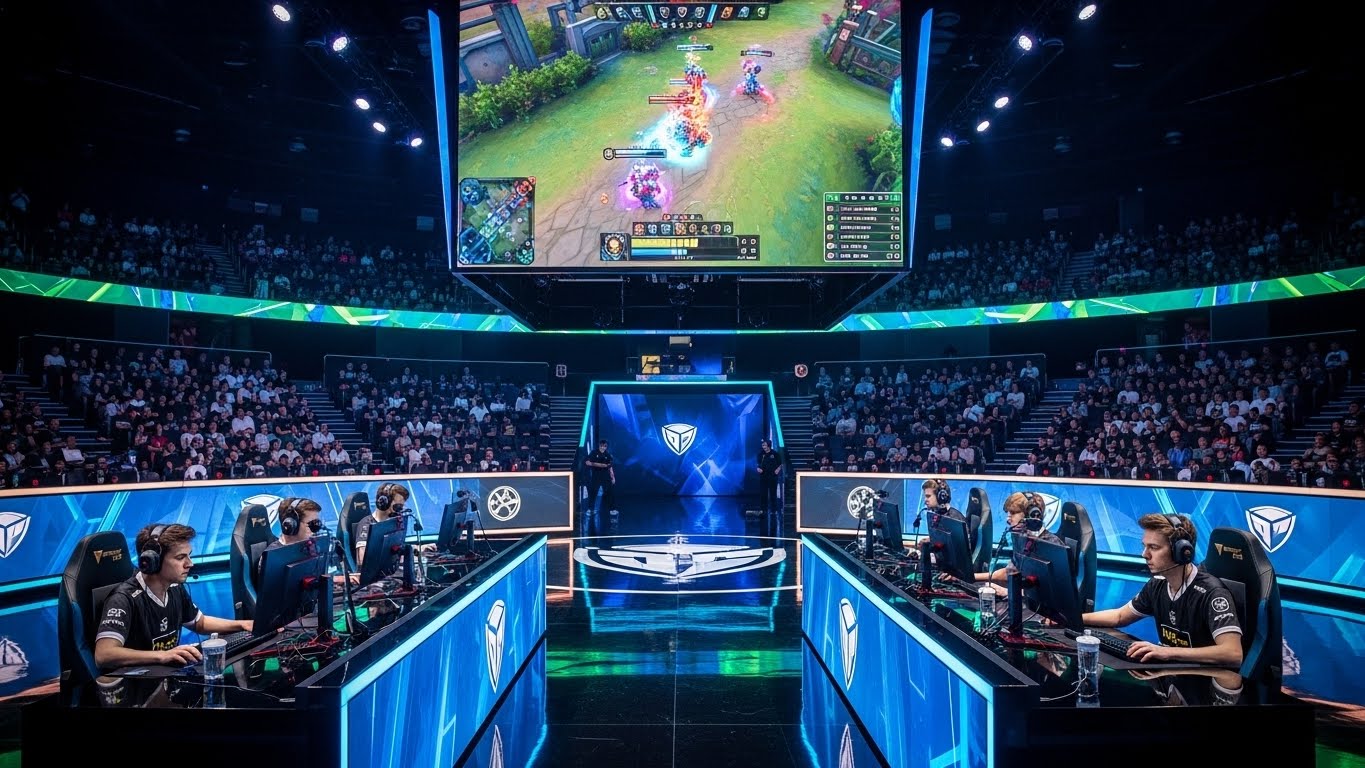
Esports, or electronic sports, has transformed the world of competitive gaming into a global phenomenon. What started as casual gaming competitions among friends has evolved into a professional arena that rivals traditional sports in terms of audience, revenue, and influence. From small local tournaments to massive international championships, esports now occupies a prominent position in entertainment, technology, and culture. This blog explores the rise of esports, its impact on players and audiences, and what the future holds for this rapidly growing industry.
The Evolution of Esports
The history of esports can be traced back to the late 1970s and early 1980s when arcade gaming gained popularity. Games such as Space Invaders and Pac-Man led to the first competitive tournaments, though these were small-scale and largely local. The 1990s witnessed the emergence of multiplayer online games like Quake and StarCraft, which laid the foundation for modern competitive gaming. With the advent of the internet, players could compete against each other in real-time across the globe, giving esports the platform it needed to grow.
By the early 2000s, esports had started to develop its own ecosystem. Professional teams began forming, sponsors showed interest, and online streaming platforms emerged, making it easier for fans to watch competitions live. This period marked the transition of esports from hobbyist events to a structured industry with global appeal.
Popular Esports Genres
Esports encompasses a wide range of game genres, each attracting its own unique fan base. Multiplayer Online Battle Arena (MOBA) games such as League of Legends and Dota 2 are among the most popular. These games require strategic thinking, teamwork, and quick reflexes, making them ideal for competitive play. First-Person Shooter (FPS) games like Counter-Strike: Global Offensive and Call of Duty focus on precision, strategy, and rapid decision-making.
Another rapidly growing category is Battle Royale games, including Fortnite and PUBG, which combine survival and combat elements in large-scale multiplayer environments. Sports simulation games like FIFA and NBA 2K also have competitive leagues, allowing gamers to replicate real-world sports in a virtual setting. Each genre not only entertains but also creates specialized career paths for players, coaches, analysts, and commentators.
The Esports Ecosystem
The esports ecosystem is a complex network that involves more than just the players. At the heart of this ecosystem are the professional players who dedicate hours daily to practice and refine their skills. Teams and organizations provide support through coaching, nutrition, physical training, and mental health guidance to ensure players perform at their peak.
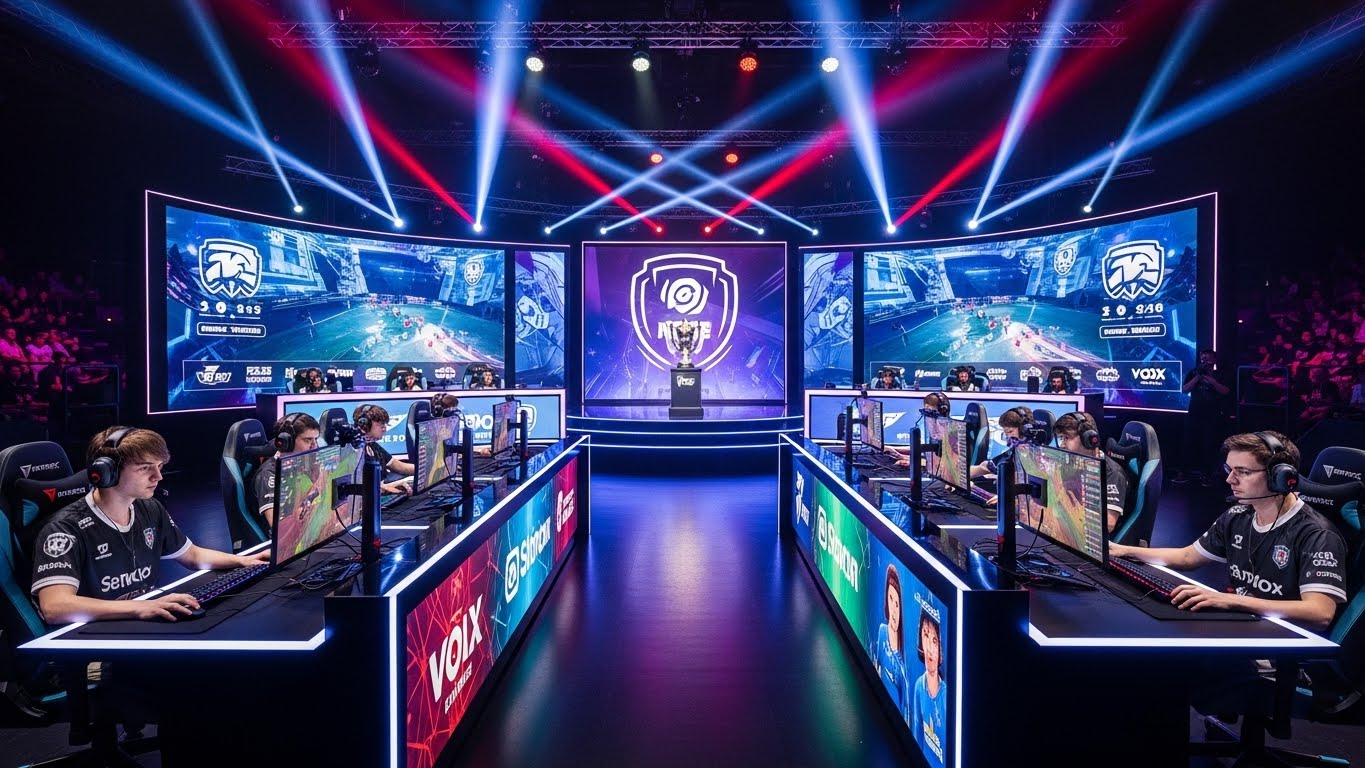
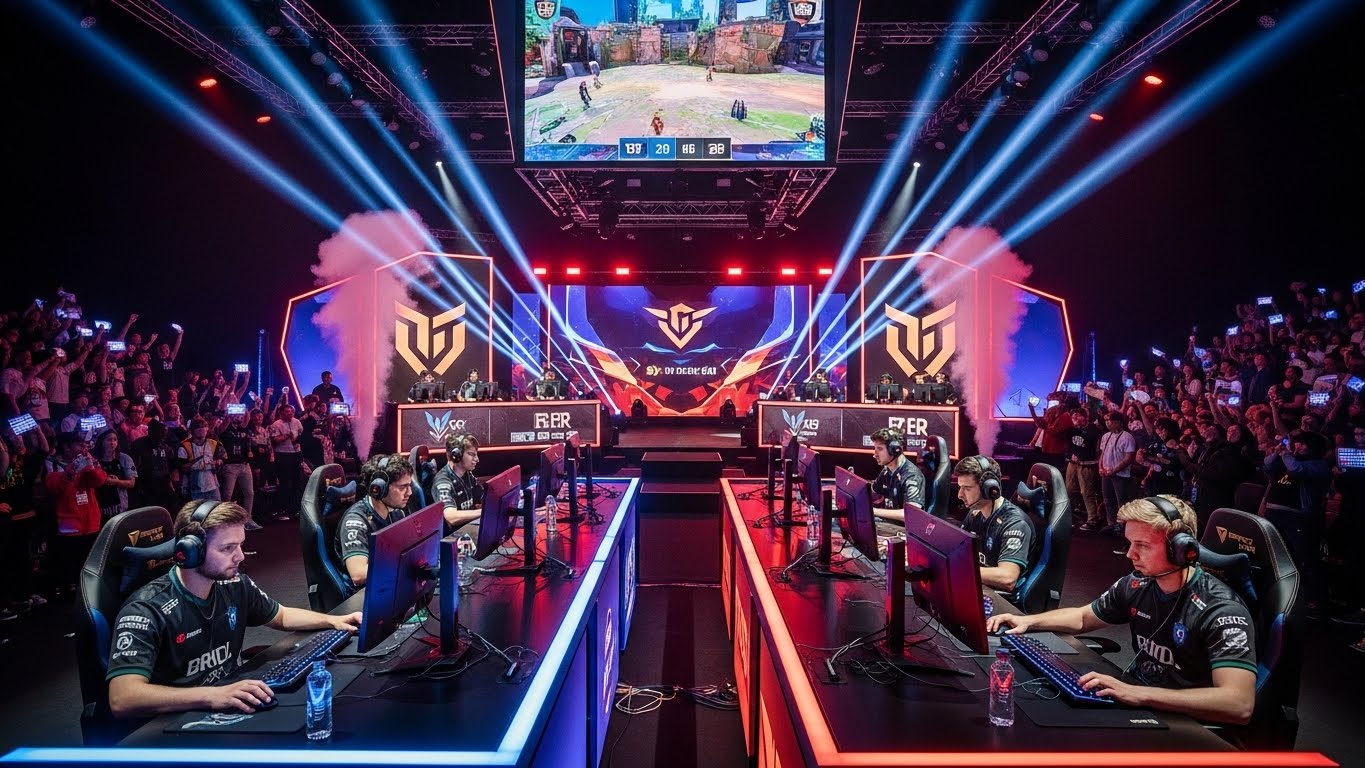
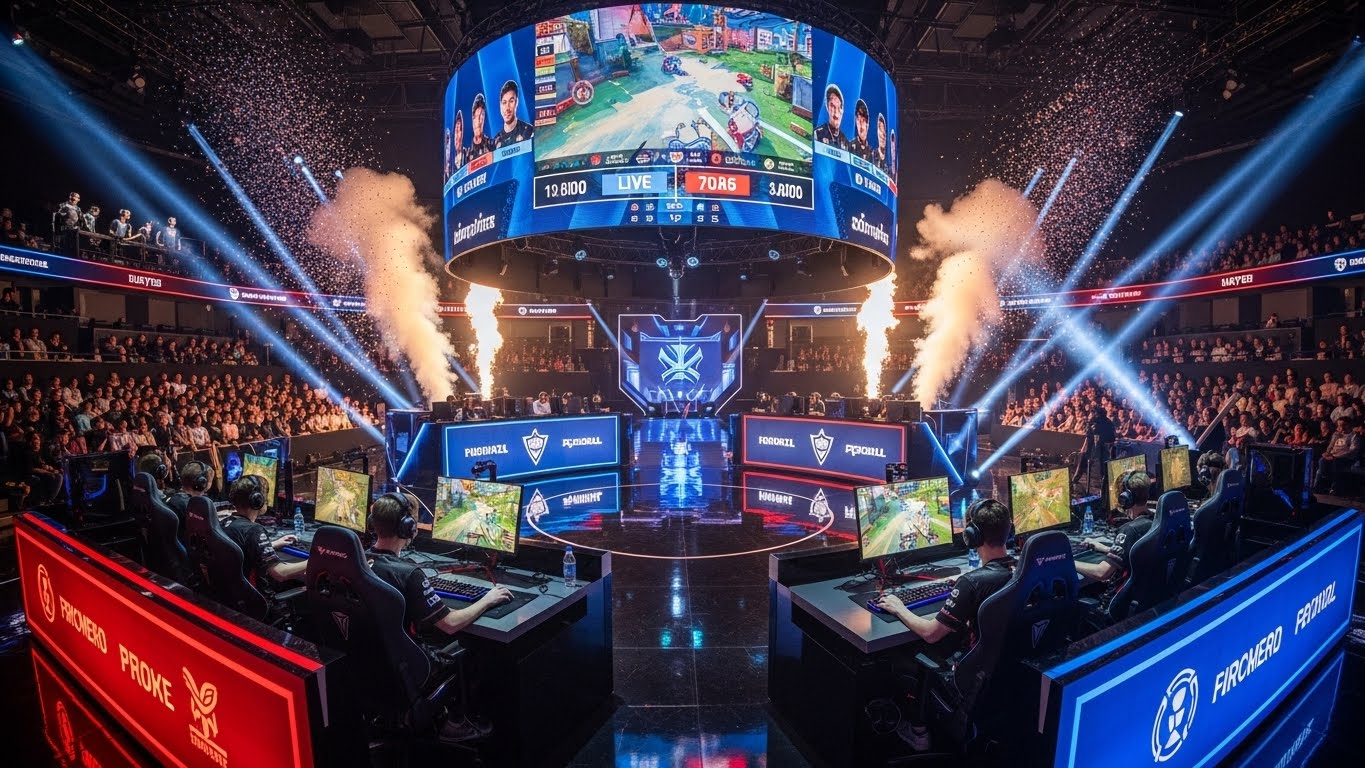
Tournament organizers and leagues host competitions that attract millions of viewers worldwide. These events are broadcast through streaming platforms, creating opportunities for advertising, sponsorships, and partnerships. Influencers and content creators also play a vital role in promoting esports by sharing gameplay, tutorials, and commentary, thereby expanding the audience and fan engagement.
The Economics of Esports
The financial growth of esports has been staggering. Revenue comes from multiple sources, including sponsorship deals, advertising, media rights, merchandise, and ticket sales for live events. Top-tier esports tournaments offer prize pools that rival traditional sports, sometimes reaching millions of dollars.
Sponsorships from major brands have also become a crucial aspect of esports economics. Companies from technology, food and beverage, and lifestyle sectors recognize the value of reaching esports’ highly engaged and often younger demographic. The proliferation of esports betting and fantasy leagues further underscores its economic potential.
Esports as a Career
While playing games professionally might seem unconventional to some, esports has emerged as a legitimate career path. Professional players can earn substantial incomes through tournament winnings, salaries from esports organizations, and streaming revenue. However, success requires exceptional skill, discipline, and commitment.
Beyond playing, there are numerous career opportunities within esports. Coaches, analysts, shoutcasters, content creators, and event managers all contribute to the industry. Additionally, roles in marketing, public relations, and game development support the growth and sustainability of esports as a business. As the industry matures, the professional landscape continues to expand, providing diverse avenues for aspiring esports professionals.
Impact on Society and Culture
Esports has had a profound impact on modern culture. It has challenged traditional notions of sports and athleticism, proving that cognitive skills, strategy, and precision can be as competitive as physical prowess. Esports also fosters communities where individuals connect over shared interests, transcending geographical boundaries.
Streaming platforms and social media have amplified esports’ cultural reach. Fans not only watch live matches but also interact with players, comment on gameplay, and participate in fan communities. This interaction has created a sense of belonging and engagement that traditional sports often struggle to replicate. Moreover, esports has become a vehicle for inclusivity, offering opportunities for people from diverse backgrounds to participate and compete on a global stage.
Challenges Facing the Esports Industry
Despite its rapid growth, esports faces several challenges. One major concern is player burnout. The rigorous training schedules and constant pressure to perform can lead to physical and mental health issues. Organizations are increasingly recognizing the need for wellness programs, but sustainable practices are still evolving.
Another challenge is regulation. Unlike traditional sports with established governing bodies, esports often operates with inconsistent rules and standards. This can lead to disputes over contracts, player transfers, and tournament integrity. Furthermore, the rapid pace of technological change requires constant adaptation, from hardware upgrades to new game releases, adding complexity to the industry.
The Future of Esports
The future of esports looks promising, with continued growth expected in audience, revenue, and global reach. Advances in virtual reality and augmented reality could redefine the esports experience, making it even more immersive for players and viewers. Mobile esports is also on the rise, expanding accessibility and enabling new forms of competition in regions where console or PC gaming is less prevalent.
Esports may also integrate more closely with traditional sports and entertainment. Collaborations between game developers, sports leagues, and entertainment companies are already creating hybrid experiences that appeal to wider audiences. Additionally, educational institutions are beginning to offer esports programs and scholarships, further legitimizing it as a career path.
Conclusion
Esports has come a long way from its humble beginnings in arcades and small online matches. Today, it is a thriving global industry that combines skill, strategy, and entertainment in a way few other mediums can match. With a robust ecosystem, diverse career opportunities, and a passionate community, esports is no longer just a pastime—it is a cultural force.
As technology continues to advance and audiences grow, esports will likely continue to reshape the landscape of entertainment, competition, and social interaction. The journey of esports is a testament to how innovation, passion, and community can transform a simple idea into a worldwide phenomenon. For players, fans, and businesses alike, the game is far from over—it is only getting started.