
 esportsmastersarena62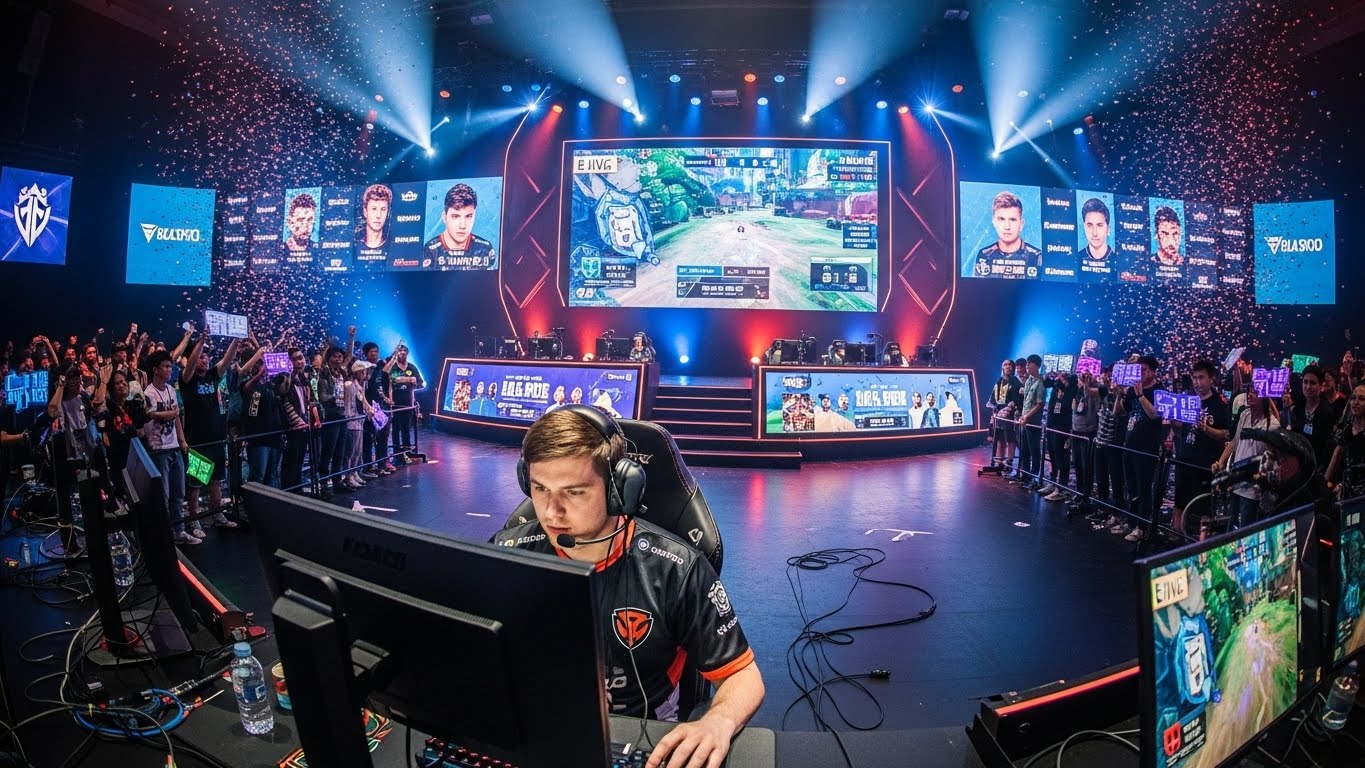
Esports, short for electronic sports, has transformed from a niche hobby into a global phenomenon, attracting millions of fans, players, and investors. Once seen as just another form of video gaming, esports now rivals traditional sports in terms of viewership, sponsorship deals, and cultural impact. In this blog post, we will explore the evolution of esports, its influence on society, the careers it has created, and the challenges it faces in the coming years.
The Origins of Competitive Gaming
Competitive gaming has existed almost as long as video games themselves. In the late 1970s and early 1980s, video game tournaments were primarily local events held in arcades. Games like Space Invaders and Pac-Man were popular at small competitions, often with modest prizes and limited audiences. These early competitions laid the foundation for what would eventually become esports.
The 1990s marked a pivotal era with the rise of networked gaming. Titles like Doom and Quake introduced multiplayer modes over local area networks (LANs), allowing players to compete in real time. These LAN tournaments became a breeding ground for professional players and fans, building communities that thrived on competition, skill, and strategy.
The Explosion of Online Gaming
With the widespread adoption of the internet in the 2000s, competitive gaming experienced exponential growth. Online gaming allowed players from different cities, countries, and continents to compete without geographical limitations. Multiplayer online battle arenas (MOBAs) such as League of Legends and first-person shooters (FPS) like Counter-Strike became central to the esports scene.
Streaming platforms and video-sharing services further fueled the growth of esports. Gamers could now broadcast their matches live to global audiences, cultivating massive fanbases. The emergence of professional gaming teams and sponsorships transformed esports from a hobby into a legitimate career path for skilled players.
The Structure of Modern Esports
Modern esports operates much like traditional sports leagues. There are professional teams, tournaments, leagues, and seasonal competitions. Games are often categorized by genre, including MOBAs, FPS, fighting games, and real-time strategy games. Each genre attracts unique audiences and creates distinct competitive environments.
Professional players typically specialize in one game, dedicating hours of daily practice to mastering strategies, techniques, and teamwork. Coaching, analytics, and mental conditioning have become integral components of a professional esports team’s success. Just as in conventional sports, teamwork, leadership, and strategy are essential, making esports a sophisticated and demanding profession.
The Global Audience and Cultural Impact
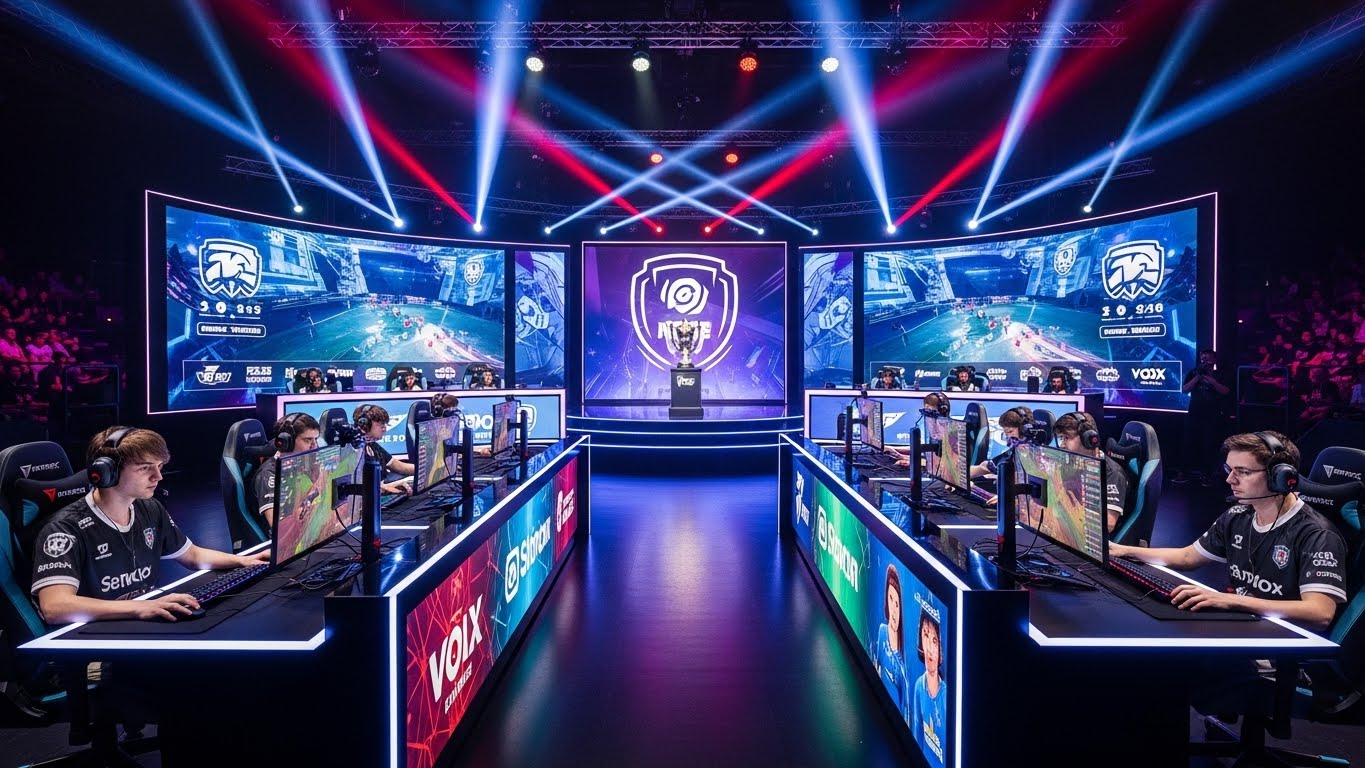
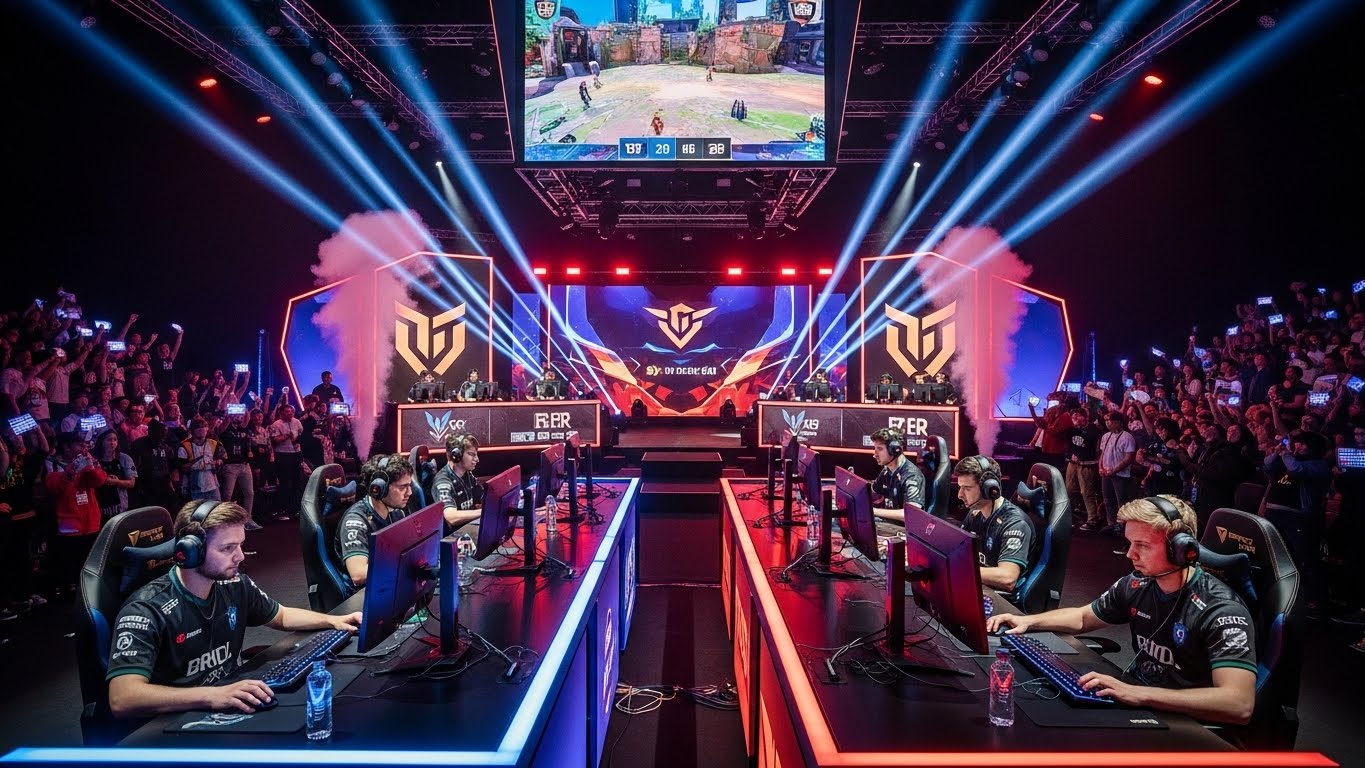
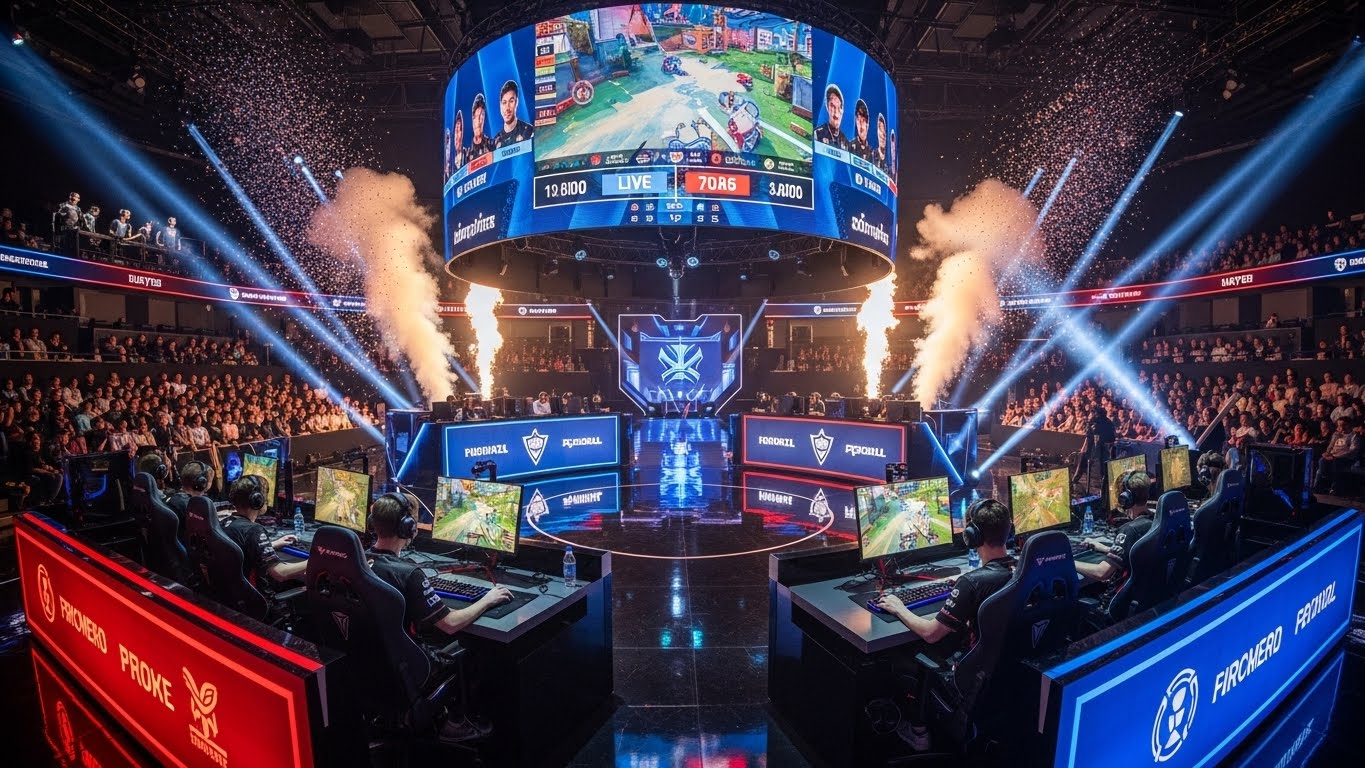
Esports has a massive and diverse audience, spanning all age groups, genders, and regions. Major tournaments attract viewership comparable to some of the most-watched traditional sports events. Esports events are streamed live on digital platforms, with some tournaments drawing tens of millions of viewers globally.
Culturally, esports has influenced fashion, music, and entertainment. Professional players often become celebrities, endorsing brands, appearing on television, and participating in public events. Gaming culture has penetrated mainstream society, with esports-related content appearing in movies, TV shows, and music videos. This cultural integration has helped legitimize esports as a mainstream form of entertainment.
Career Opportunities in Esports
Esports offers more than just professional player opportunities. The industry encompasses a wide range of careers, including game development, marketing, event management, commentary, coaching, and content creation. Analysts and strategists study gameplay to optimize team performance, while commentators provide live insights and entertainment for audiences. Event organizers plan large-scale tournaments that attract global attention, combining entertainment and competitive integrity.
Content creation has also become a significant revenue stream. Players and influencers can monetize their skills and personalities through live streaming, tutorials, and social media engagement. Sponsorships and endorsements further increase the financial potential for individuals within the esports ecosystem.
The Role of Technology
Technology is the backbone of esports. High-performance computers, consoles, and gaming peripherals ensure players can compete at the highest level. Advanced software for streaming, analytics, and communication enhances both player performance and audience engagement. Virtual reality (VR) and augmented reality (AR) technologies are gradually introducing new dimensions to competitive gaming, creating immersive experiences for players and spectators alike.
Artificial intelligence (AI) and data analytics are increasingly used to study gameplay, predict outcomes, and optimize strategies. These technologies are helping esports evolve into a highly competitive and professionally managed industry, blending human skill with technological innovation.
Challenges Facing the Esports Industry
Despite its rapid growth, esports faces several challenges. One major concern is the lack of standardized regulations. Unlike traditional sports, esports does not have a single governing body, which can lead to inconsistencies in rules, tournament formats, and player contracts. Additionally, issues such as cheating, account hacking, and performance-enhancing software continue to threaten the integrity of competitions.
Another challenge is the physical and mental well-being of players. Long hours of practice and intense competition can lead to burnout, repetitive strain injuries, and mental health issues. The industry is beginning to recognize the importance of player support systems, including physical training, psychological counseling, and healthy work-life balance.
The perception of esports also remains a barrier in some regions. While acceptance is growing, skepticism about esports as a legitimate career persists, especially among older generations. Education and outreach are necessary to change societal attitudes and support young professionals pursuing esports careers.
The Economic Impact of Esports
Esports is a multi-billion-dollar industry that continues to grow year after year. Revenue streams include sponsorships, advertising, ticket sales for live events, merchandise, and media rights. Top-tier players earn substantial salaries, often supplemented by tournament winnings and brand deals. Investors and companies are increasingly recognizing esports as a lucrative opportunity, funding teams, tournaments, and infrastructure development.
Local economies benefit as well. Hosting large esports events stimulates tourism, creates jobs, and boosts related industries such as hospitality, transportation, and media production. The financial footprint of esports is expanding rapidly, making it an influential player in the global entertainment market.
The Future of Esports
The future of esports looks bright, with continued innovation and expansion expected across multiple fronts. Emerging technologies such as virtual reality, augmented reality, and cloud gaming are likely to redefine how games are played and watched. Educational institutions are incorporating esports programs and scholarships, providing a pathway for young talent to enter the industry professionally.
Global connectivity and the rise of mobile gaming are making esports more accessible to a wider audience. Mobile esports, particularly in regions with limited access to high-end gaming equipment, are gaining popularity and generating significant fan engagement. As technology and accessibility improve, esports will continue to break barriers and attract new players and viewers.
The professionalization of esports will also continue. Structured leagues, standardized rules, and player welfare programs will make the industry more sustainable and credible. Partnerships with traditional sports organizations, entertainment companies, and media platforms will further integrate esports into mainstream culture, solidifying its place in the global entertainment landscape.
Conclusion
Esports has evolved from modest arcade competitions to a global entertainment powerhouse. It offers a unique blend of skill, strategy, technology, and culture, creating opportunities for players, fans, and businesses alike. While challenges such as regulation, player well-being, and societal acceptance remain, the industry’s growth and innovation suggest a bright future.
As esports continues to gain prominence, it is reshaping how we think about competition, entertainment, and digital culture. It is no longer just about playing games; it is about building communities, fostering talent, and embracing a digital revolution that transcends traditional boundaries. Esports represents the next frontier of competitive entertainment, where skill, technology, and passion converge to create experiences that captivate millions around the world.