
 esportsmastersarena62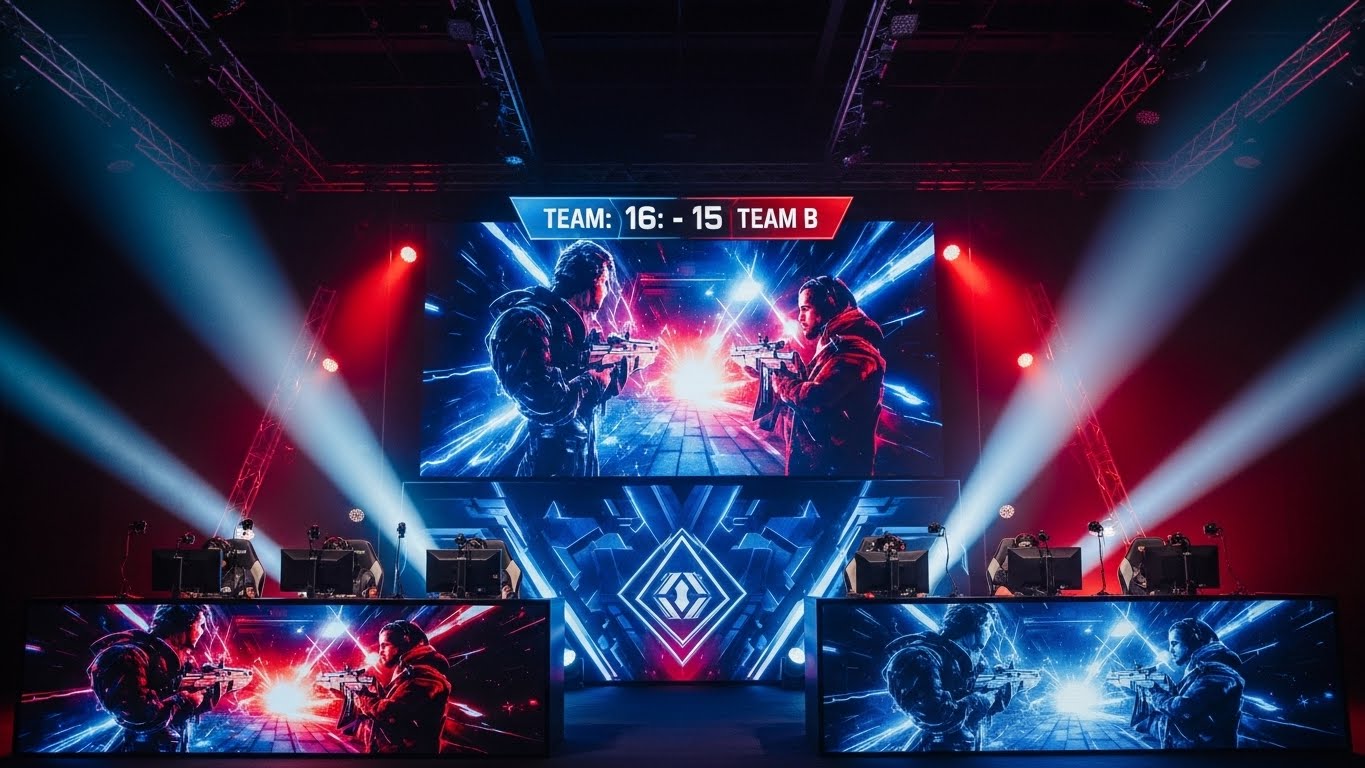
Esports, short for electronic sports, has grown from a niche pastime into a global phenomenon that rivals traditional sports in popularity, audience size, and economic impact. Once dismissed as a hobby for enthusiasts, competitive gaming is now a legitimate profession, a cultural movement, and a multi-billion-dollar industry. From grassroots competitions in local gaming cafes to massive international tournaments, esports has redefined the way we think about sports, competition, and digital entertainment. In this blog, we will explore the history of esports, its growth, popular games, cultural impact, economic significance, challenges, and the future of this dynamic industry.
The Origins of Esports
The concept of competitive gaming is not entirely new. In the early 1970s and 1980s, video games like Pong, Space Invaders, and Pac-Man inspired local competitions and high-score challenges. The 1980 Space Invaders Championship, often cited as the first large-scale gaming competition, attracted thousands of participants across the United States, setting the stage for future esports tournaments.
During the 1990s, personal computers and local area networks (LANs) enabled more organized competitions. Games like Quake, StarCraft, and Counter-Strike allowed players to compete in team-based and individual matches that required skill, strategy, and coordination. LAN parties became popular, bringing together communities of gamers who honed their abilities and formed the early esports culture.
The emergence of the internet in the late 1990s and early 2000s accelerated esports growth. Online multiplayer games allowed competitions to reach players across the globe, creating the first international esports communities. Competitive gaming began to be recognized not just as a hobby but as a platform for showcasing skill, strategy, and teamwork.
The Evolution and Global Growth of Esports
Esports has experienced exponential growth over the past two decades. The combination of high-speed internet, advanced gaming hardware, and streaming platforms has transformed competitive gaming into a spectator-driven industry. Today, professional esports teams operate similarly to traditional sports franchises, with players receiving salaries, sponsorships, and training facilities.
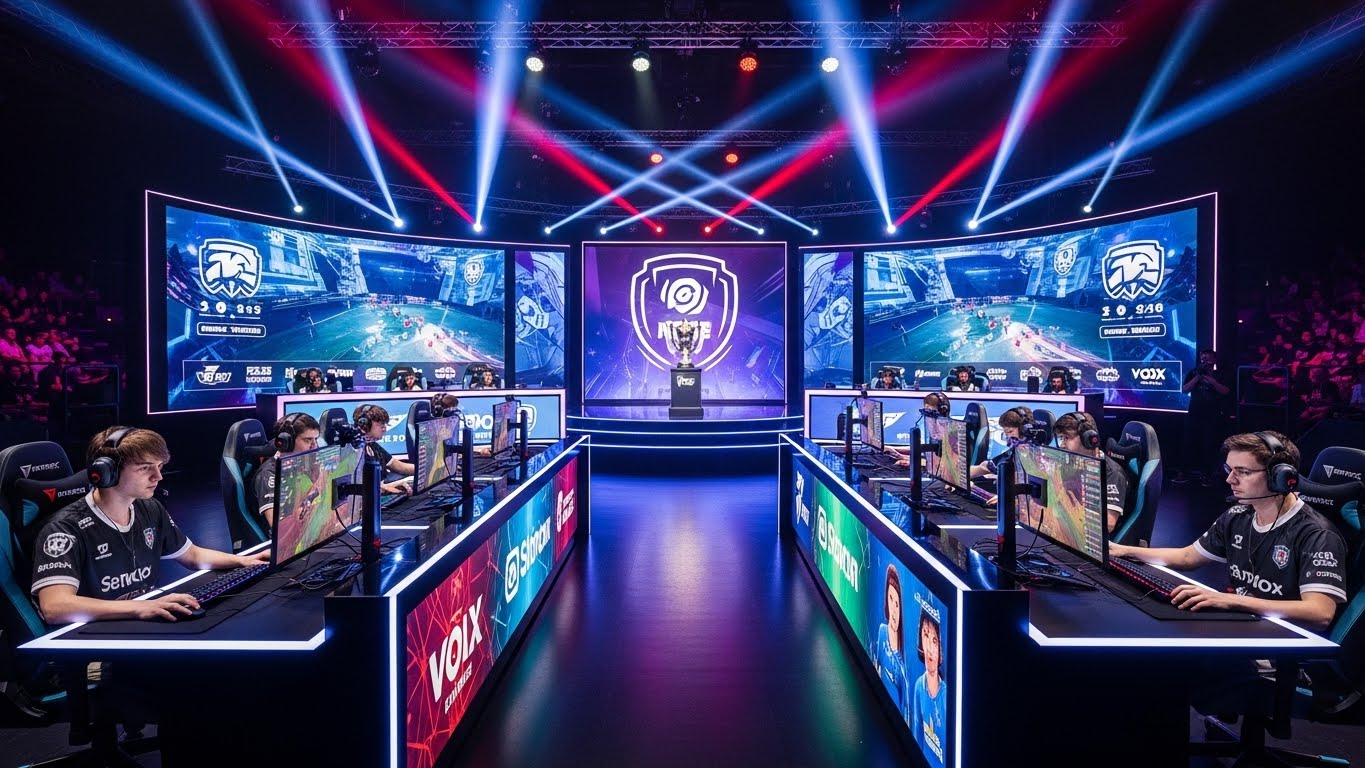
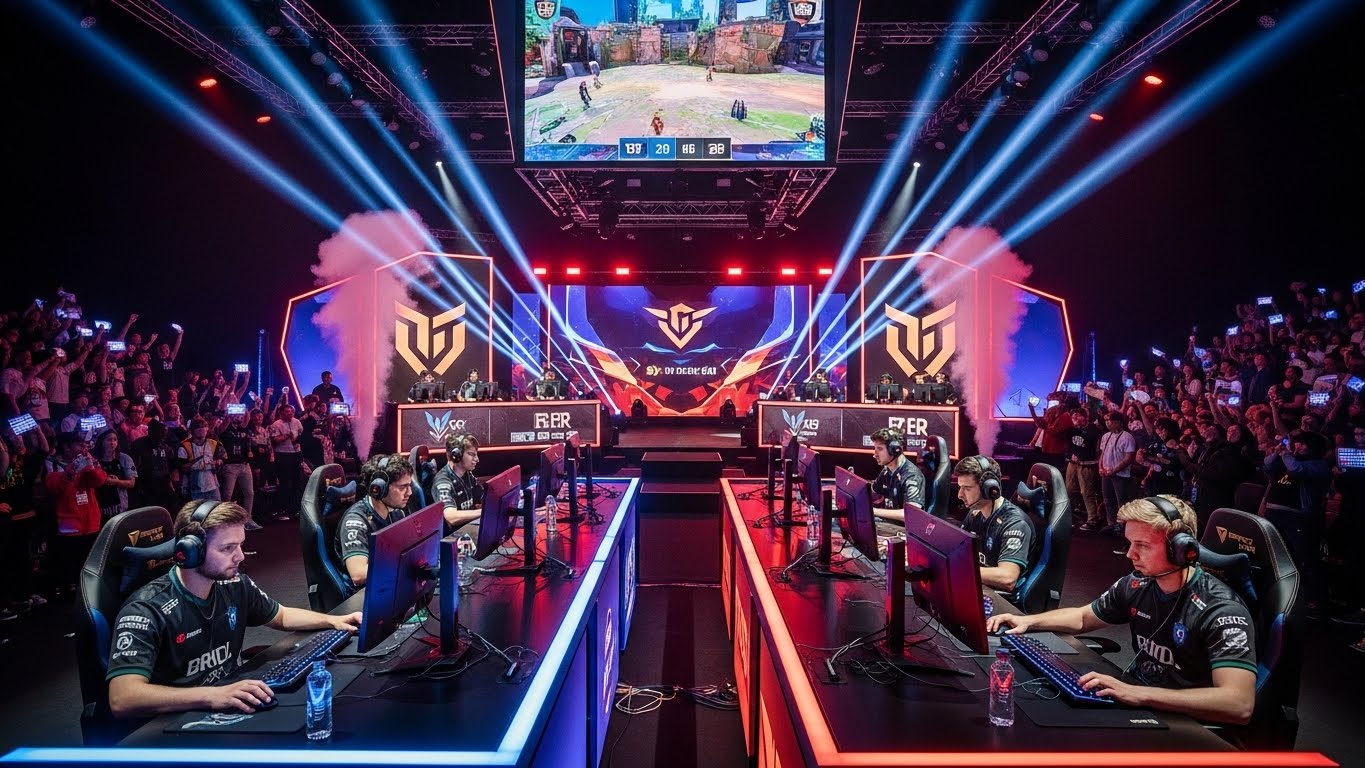
Major tournaments such as The International for Dota 2, the League of Legends World Championship, and the Fortnite World Cup feature prize pools reaching millions of dollars. These competitions attract audiences in the tens of millions, comparable to traditional sports events such as the Super Bowl or the FIFA World Cup.
Streaming platforms like Twitch, YouTube Gaming, and others have played a pivotal role in the rise of esports. Fans can watch live gameplay, follow professional players, and interact with communities in real time. This combination of competition and spectator engagement has transformed esports into both a participatory and consumable form of entertainment.
Popular Esports Games and Genres
Esports spans multiple genres, each with distinct competitive mechanics and fan bases.
Multiplayer Online Battle Arenas (MOBAs), such as League of Legends and Dota 2, are among the most popular esports games. These games require teamwork, strategic thinking, and real-time decision-making. Players coordinate roles, choose characters with unique abilities, and execute intricate strategies to defeat opponents. MOBAs demand both mental agility and precision, making them highly engaging for competitive play and spectatorship.
First-Person Shooters (FPS) like Counter-Strike: Global Offensive, Call of Duty, and Valorant focus on reflexes, accuracy, and tactical coordination. FPS esports emphasize fast-paced action, split-second decisions, and teamwork, creating a high-intensity viewing experience for fans.
Sports simulation games such as FIFA, NBA 2K, and Madden NFL combine traditional athletic sports with digital competition. These games attract fans of real-world sports, bridging the gap between physical and virtual competitions.
Real-Time Strategy (RTS) games, including StarCraft, remain foundational to esports history. RTS games require players to manage resources, units, and terrain strategically, emphasizing cognitive skill and forward planning. Fighting games such as Street Fighter and Tekken, although niche, maintain a dedicated following and highlight skill-based one-on-one competition.
Esports as a Cultural Phenomenon
Esports is more than just a competitive activity; it is a cultural movement. Millions of young people around the world not only play esports games but also follow professional tournaments, idolize top players, and participate in fan communities. Esports has created shared identities and social bonds that transcend geographic boundaries.
The rise of esports influencers and content creators has also shaped digital culture. Professional gamers are admired not just for skill but for personality, creativity, and engagement with fans. Merchandise, streaming channels, social media content, and live events have made esports a lifestyle for many enthusiasts.
Additionally, esports has influenced education and professional pathways. Schools and universities now offer esports programs, scholarships, and clubs, recognizing the cognitive, social, and technical skills that gaming can develop. These programs prepare students for careers in gaming, content creation, and game design, demonstrating the legitimacy of esports as a professional domain.
Economic Impact of Esports
Esports has grown into a multi-billion-dollar industry, contributing significantly to global economies. Revenue is generated through tournament prize pools, team sponsorships, advertising, merchandise, streaming subscriptions, and event hosting. Organizations operate similarly to professional sports teams, recruiting talented players, managing contracts, and marketing their brand to fans.
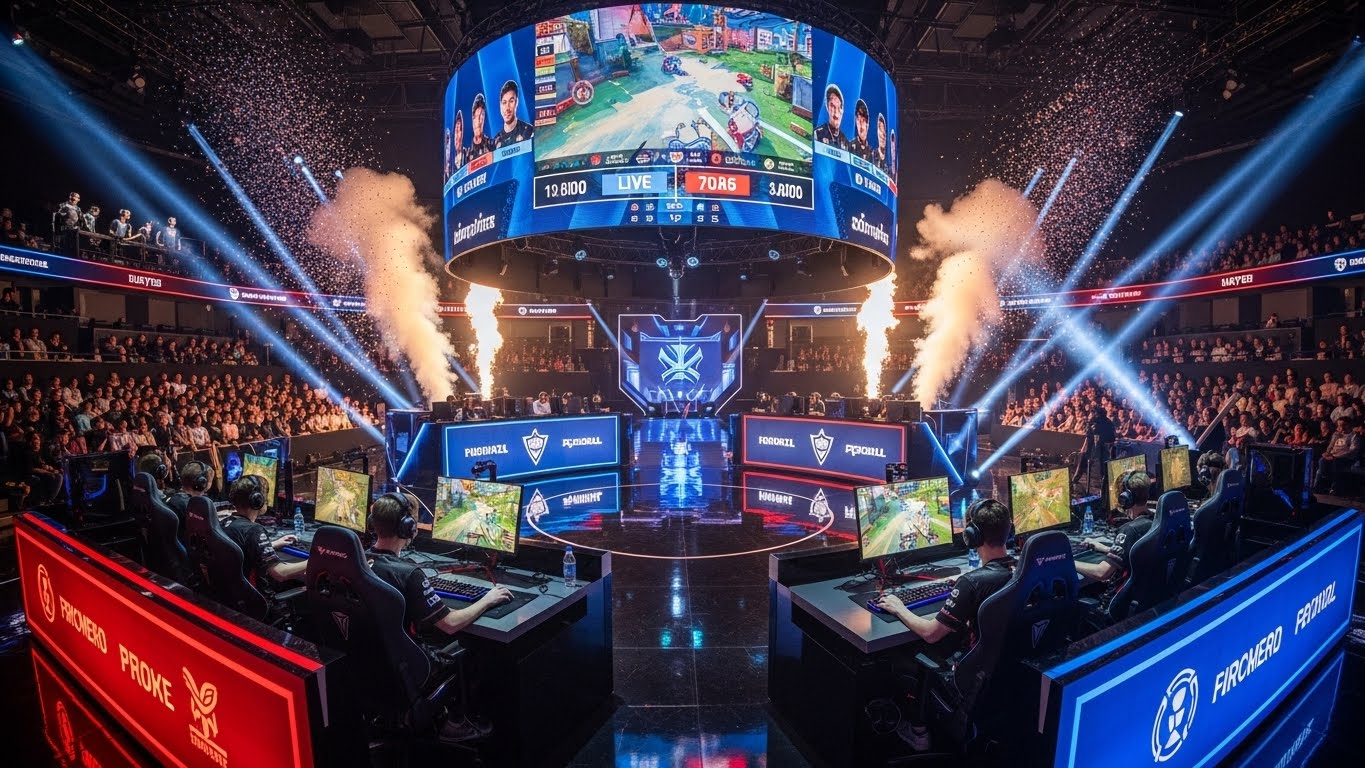
Major esports events also stimulate local economies. Hosting tournaments attracts thousands of fans, boosting tourism, hospitality, and retail sectors. Sponsorship deals from technology companies, apparel brands, and entertainment firms further reinforce esports as a profitable investment. The financial success of esports demonstrates that digital competitions can be as lucrative and influential as traditional sports.
Technology and Training in Esports
Technology is at the core of esports. High-performance gaming PCs, consoles, peripherals, and low-latency internet connections are essential for competitive play. Players often use mechanical keyboards, high-precision mice, and high-refresh-rate monitors to gain even minor advantages in gameplay.
Training for esports professionals is rigorous and systematic. Players engage in hours of daily practice, analyzing gameplay footage, refining strategies, and collaborating with teammates. Mental preparation is also critical; focus exercises, stress management, and maintaining physical health are integral to sustaining performance. Teams use software analytics to evaluate reaction times, decision-making, and coordination, blending technology and strategy to maximize results.
Emerging technologies such as virtual reality and augmented reality are beginning to influence esports. These innovations create immersive experiences, redefine gameplay mechanics, and expand opportunities for both players and audiences.
Challenges in the Esports Industry
Despite its growth, esports faces several challenges. The intense schedules and long practice hours can lead to physical and mental health issues, including eye strain, repetitive strain injuries, and burnout. Maintaining player welfare is a critical concern for the sustainability of professional esports.
Regulation and governance are also ongoing challenges. Unlike traditional sports, esports lacks universally recognized governing bodies to enforce rules, manage tournaments, and standardize contracts. Ethical issues such as cheating, match-fixing, and sponsorship exploitation require oversight to maintain credibility and integrity.
Accessibility remains another concern. Many aspiring esports players lack access to high-quality gaming equipment, stable internet connections, and professional training, creating disparities that limit opportunities for talent from underrepresented regions. Addressing these barriers will be essential to ensuring the continued growth and inclusivity of esports.
The Future of Esports
The future of esports is promising and full of innovation. With continued advances in technology, esports will expand into virtual reality, mobile gaming, and new competitive formats. Professional organizations will invest further in training, facilities, and scouting programs to nurture talent globally.
Integration with traditional sports and entertainment industries is also expected. Collaborative events, cross-platform competitions, and hybrid tournaments will create new experiences for fans. Artificial intelligence and advanced analytics will elevate strategy, training, and viewer engagement, making esports even more sophisticated.
As esports becomes increasingly recognized as a legitimate career and cultural phenomenon, it will continue to attract new players, audiences, and investors. The digital age has created a landscape where skill, strategy, and entertainment converge, and esports sits at the center of this revolution.
Conclusion
Esports has transformed from humble beginnings in arcades and LAN parties into a global industry with millions of players, fans, and professionals. It combines skill, strategy, entertainment, and community in ways that redefine traditional notions of sports. Beyond gameplay, esports impacts culture, education, and the economy, reflecting the evolving nature of competition in the digital age.
For players and spectators alike, esports is more than a game. It is a platform for growth, innovation, and connection. With its dynamic evolution, expanding global audience, and technological integration, esports represents the future of competitive entertainment, proving that the world of sports is no longer confined to fields and arenas but extends into the digital realm where skill and strategy reign supreme.