
 esportsmastersarena62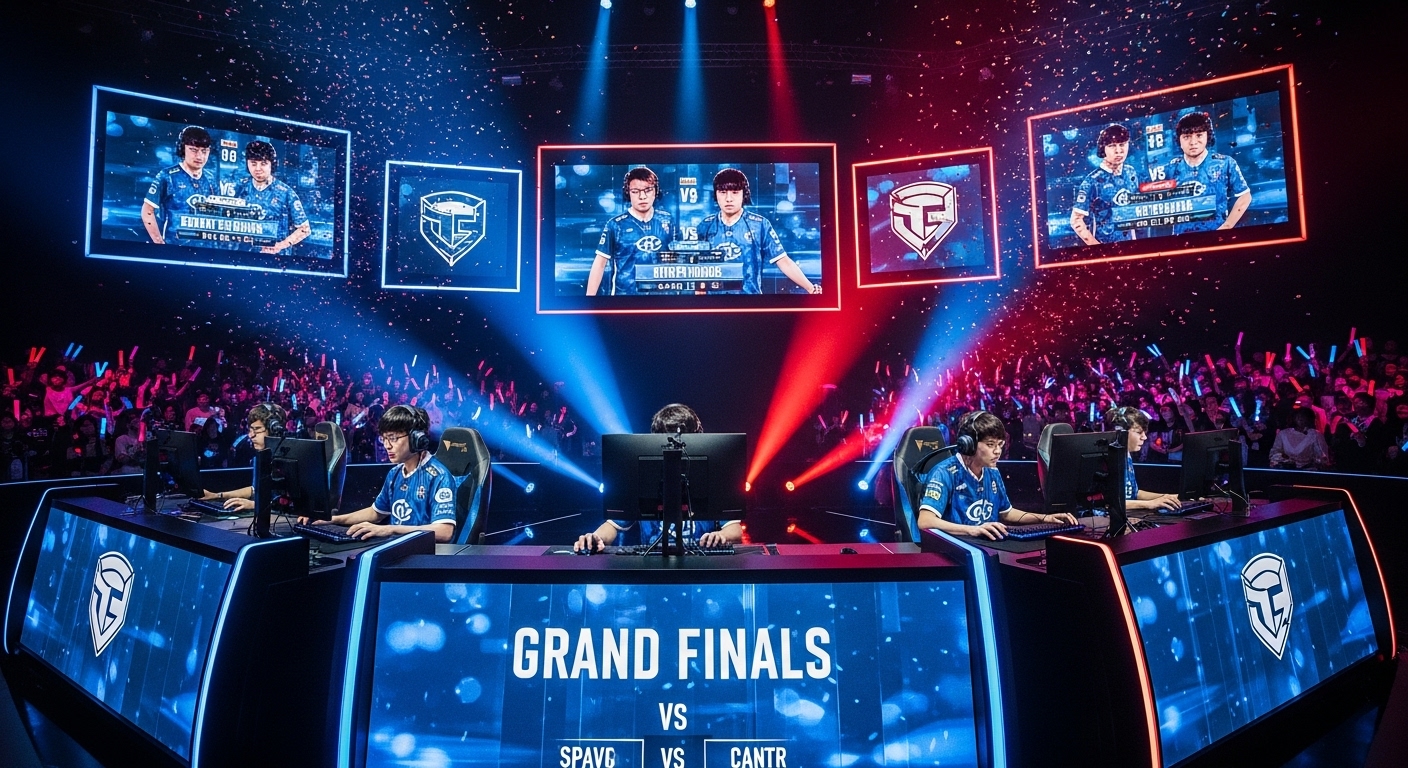
Esports has transformed from a quiet underground scene into one of the fastest-growing entertainment sectors in the world. What once seemed like a simple hobby for gamers has evolved into a competitive, organized, and highly profitable industry. Today, esports brings together millions of fans, professional players, corporate sponsors, and massive global tournaments. This blog explores how esports rose to prominence, why it captivates so many people, and what the future may hold for this dynamic and rapidly expanding ecosystem.
The Beginning of Competitive Gaming
Competitive gaming did not begin with modern titles or high-tech systems. Its origins date back to early arcade competitions where players gathered to test their high-score skills on classic games. These small events laid the foundation for what would eventually become esports. The arrival of home consoles further encouraged friendly competition, while local tournaments built early gaming communities.
However, the real turning point came with the growth of personal computers and the rise of internet connectivity. Suddenly, players no longer needed to gather physically to compete. They could challenge opponents from across the world, and this accessibility helped shape the earliest forms of online competitive play.
The Growth of Online Communities
As internet speeds improved, online gaming communities expanded rapidly. Games that supported multiplayer modes allowed players to connect, form teams, and establish strategies. Online forums and chat groups became places where gamers shared tips, organized matches, and developed a deeper sense of belonging.
These communities played a crucial role in shaping esports culture. Players who stood out for their skill became early stars. Teams formed naturally, built around friendship, competition, and shared passion. Slowly, gaming transitioned from a casual pastime into a more structured and competitive pursuit.
The Rise of Major Esports Titles
Several iconic games were pivotal in shaping esports into what it is today. Strategic titles encouraged teamwork and planning, while action-oriented games tested reflexes and timing. The diversity of games allowed the industry to attract players with different skill sets and interests.
Esports titles also benefited from constant updates and developer support. Expansions, patches, and balance changes kept games fresh and challenging. Developers began hosting official tournaments, offering prizes, and promoting esports as part of their long-term vision. These efforts turned games into competitive platforms rather than simple entertainment products.
Professional Players and Organized Teams
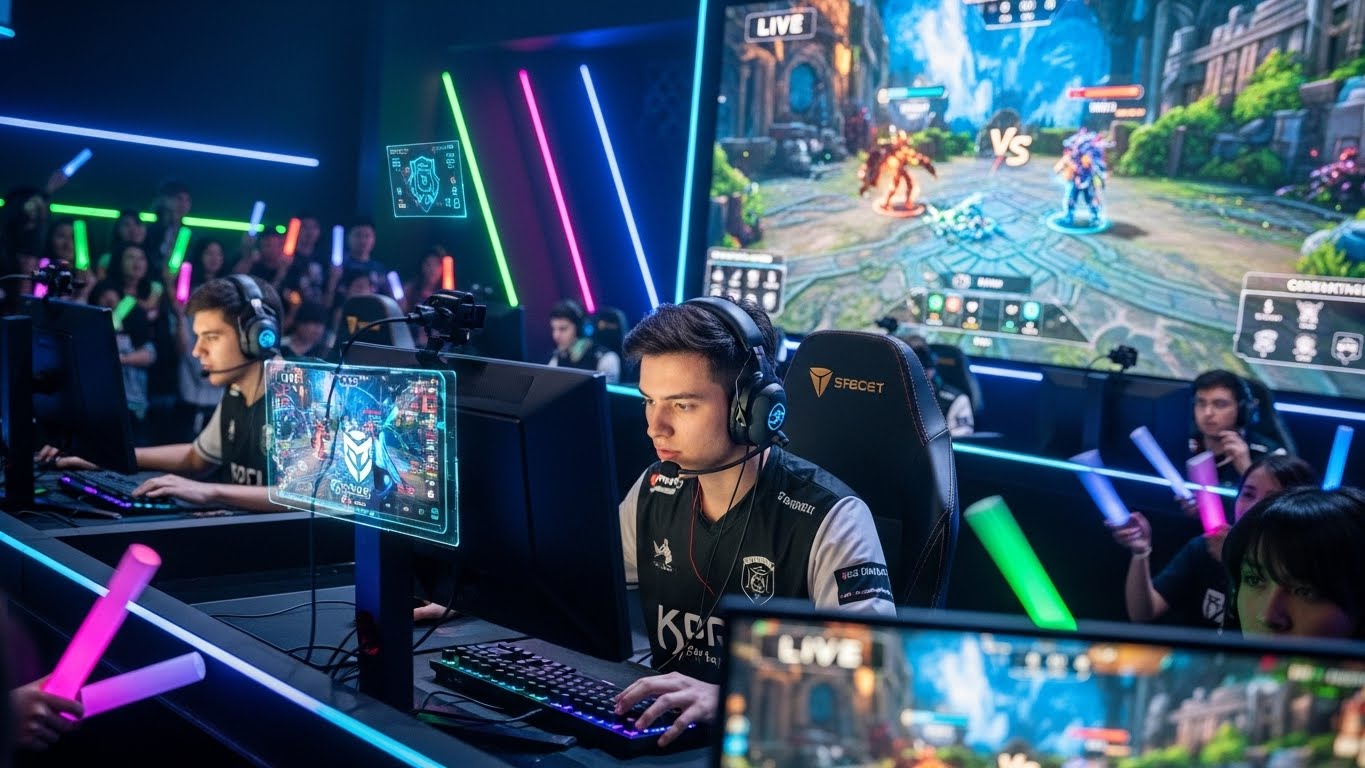
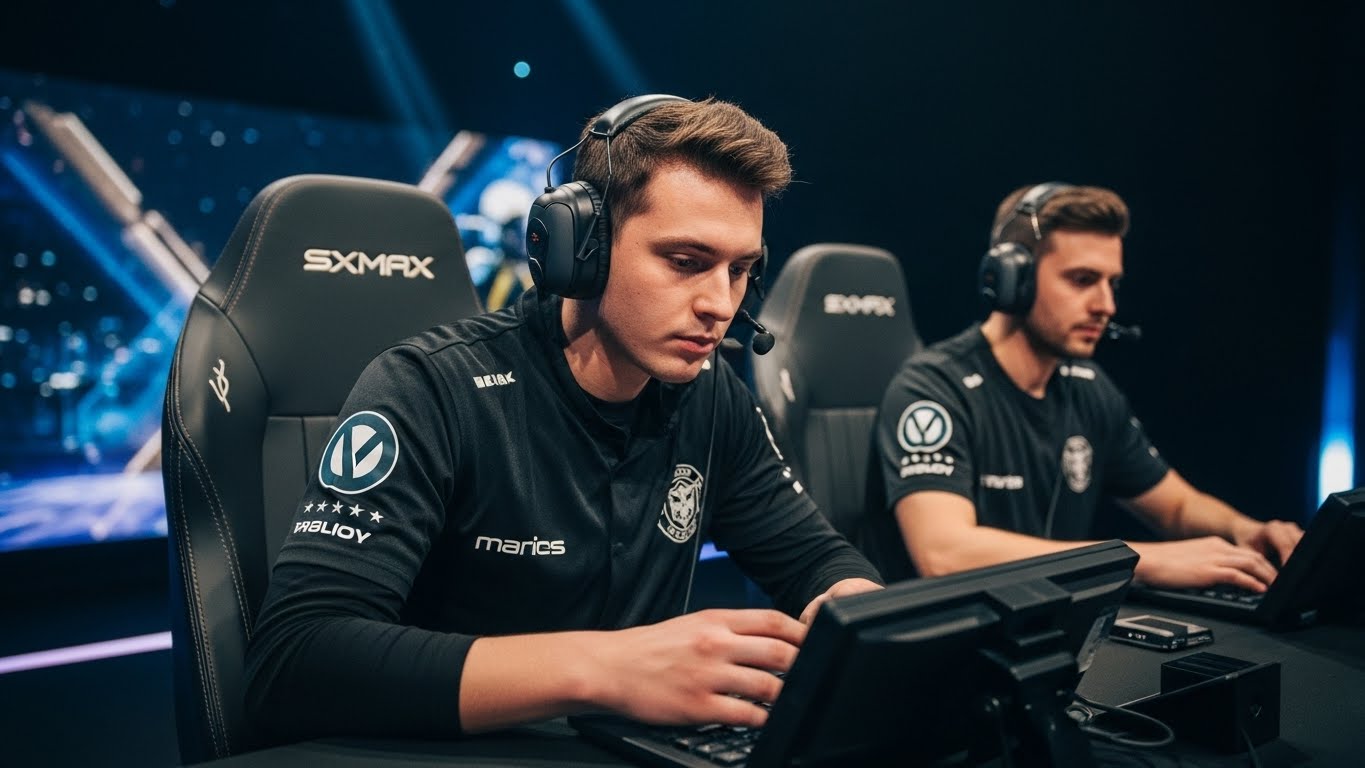
As esports gained popularity, players began dedicating themselves to full-time training. Professional gaming teams formed with coaching staff, analysts, fitness trainers, and managers. This structure mirrored traditional sports organizations and provided the support players needed to reach peak performance.
Training for esports involves far more than just playing games. Professionals study strategies, analyze opponents, practice reflex drills, and work on communication skills. They live structured lives focused on improvement, teamwork, and maintaining mental sharpness. The discipline required for success reveals why esports athletes deserve the same respect given to professional athletes in other fields.
Tournaments and Global Competitions
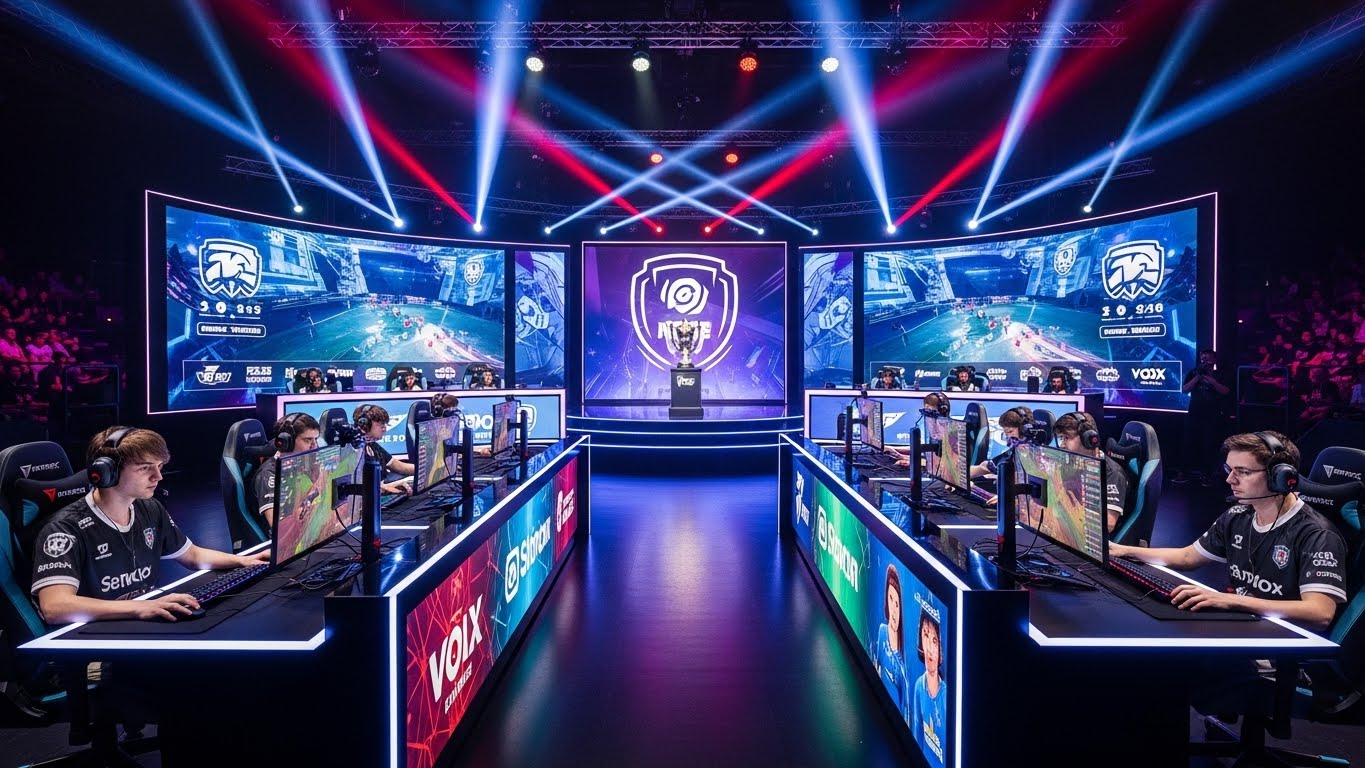
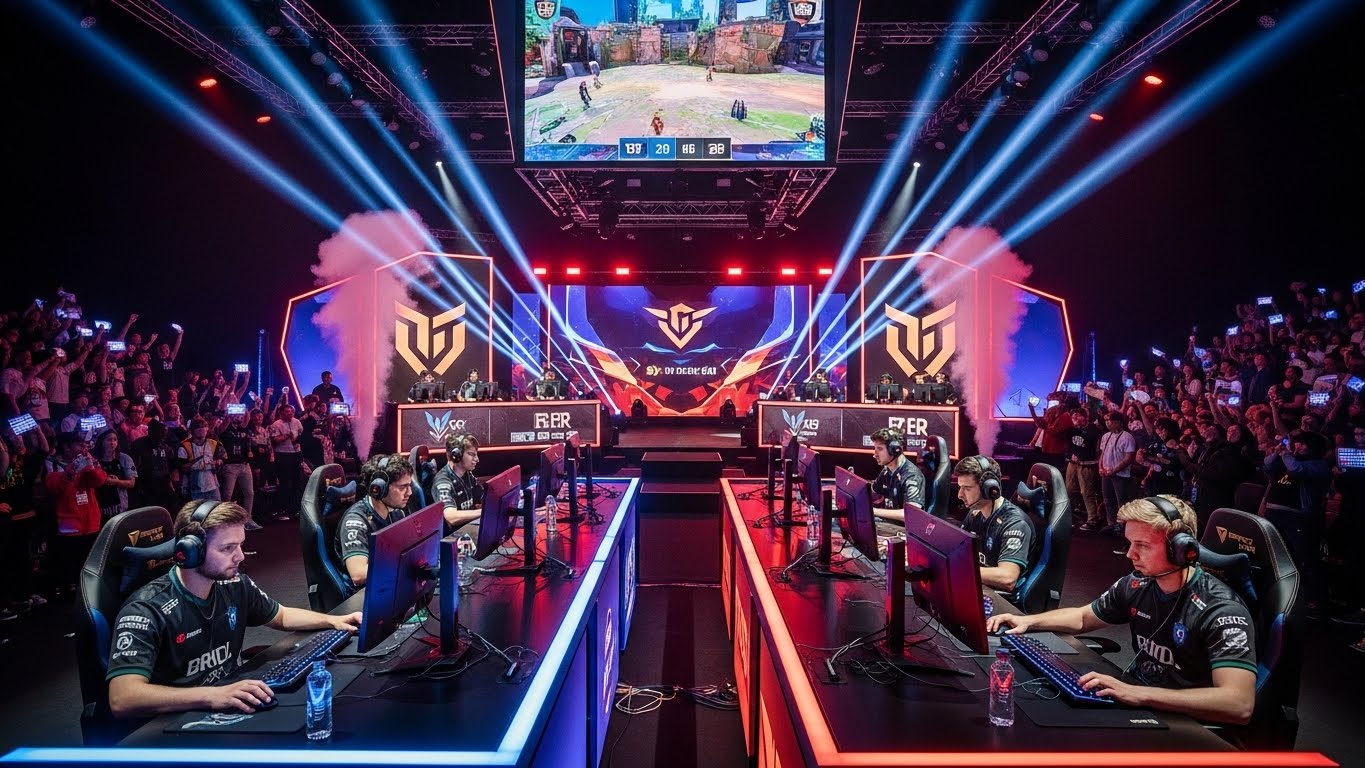
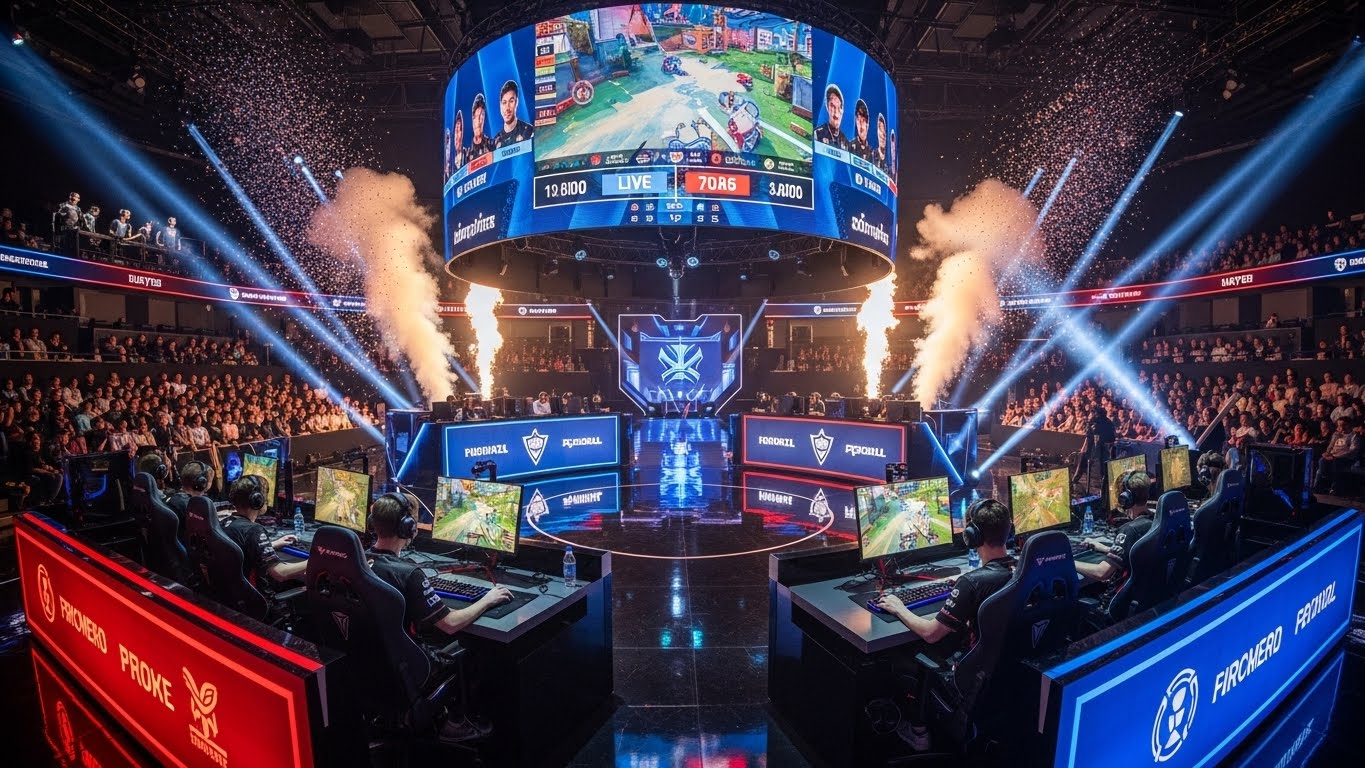
Esports tournaments have grown into major global events, drawing millions of viewers and offering enormous prize pools. These competitions take place both online and in stadiums filled with cheering fans. Spectators watch their favorite teams battle through bracket stages, semifinals, and grand finals with intense excitement.
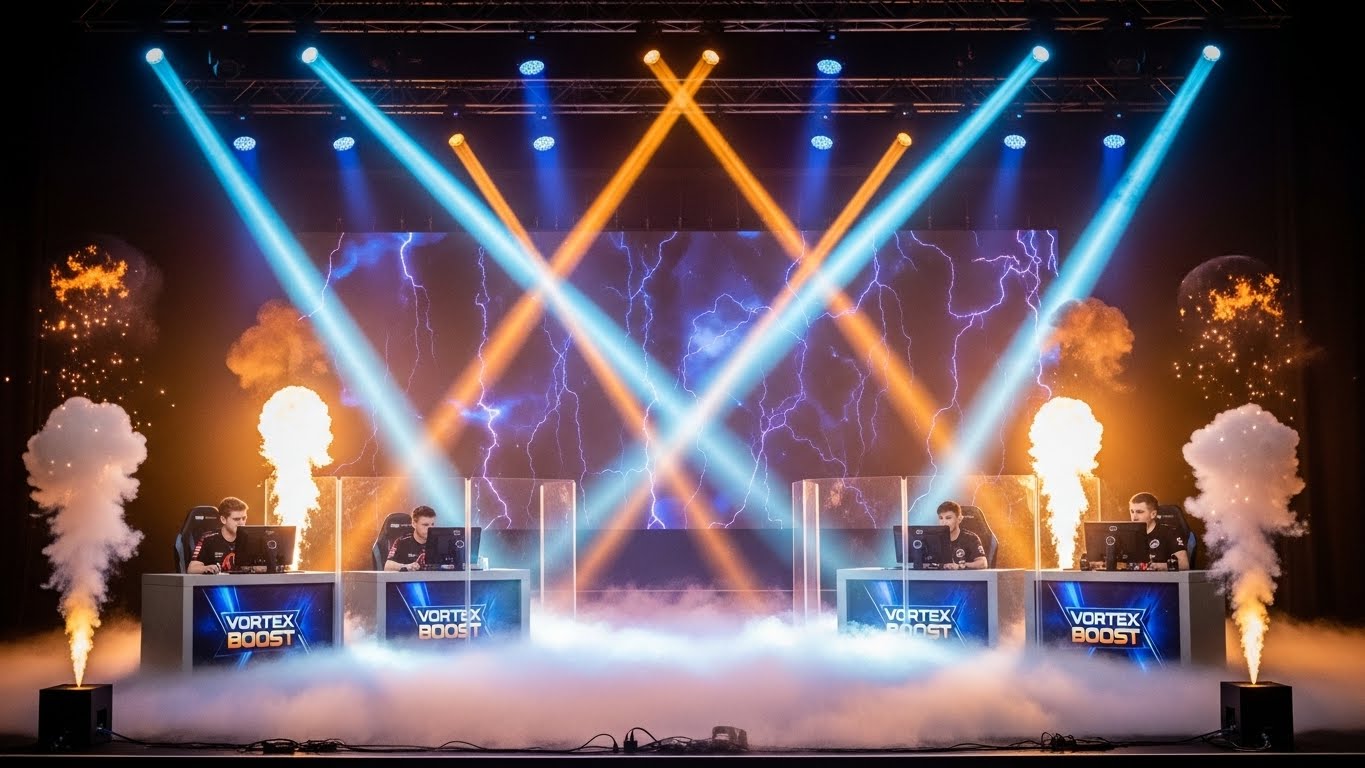
Tournament organizers invest heavily in production quality, using advanced cameras, commentary teams, and creative stage designs to provide an unforgettable experience. The energy in these events rivals that of traditional sports championships, demonstrating the emotional power of competitive gaming.
The Influence of Streaming and Content Creation
Streaming platforms played a critical role in the explosive growth of esports. They enabled fans to watch live matches, follow their favorite players, and even learn strategies through player streams. This direct connection between players and fans helped esports build a strong and loyal community.
Content creation also contributed to the rise of esports personalities. Many professional gamers stream their practice sessions, creating behind-the-scenes content and sharing insights into their daily routines. This transparency makes esports more relatable and helps fans feel more connected to the people behind the screens.
Esports as a Career Path
What was once viewed as an unstable hobby has now become a legitimate career option. Players earn income through tournament winnings, sponsorships, streaming revenue, and team salaries. Coaches, analysts, commentators, and event organizers also benefit from the expanding industry.
Colleges and universities around the world have started offering esports scholarships, recognizing the dedication and skill required to excel. Educational programs focused on esports management, game development, and digital broadcasting are becoming increasingly common. This academic support shows how deeply esports has integrated into modern society.
The Role of Technology in Esports Expansion
Esports thrives on technological innovation. Better graphics, faster internet speeds, and powerful gaming hardware have elevated the experience for both players and viewers. Virtual reality, augmented reality, and enhanced broadcasting tools are shaping the next generation of esports entertainment.
Technology also ensures fairness and consistency in competitive play. Anti-cheat systems, server monitoring, and performance analysis tools maintain the integrity of matches. As technology continues to advance, esports will become even more immersive and dynamic.
The Social and Cultural Impact of Esports
Esports has created a global community that transcends borders, language, and background. Players from different countries come together on digital battlefields, forming friendships and rivalries. Fans unite to support their favorite teams and share excitement during tournaments.
Esports also challenges stereotypes by highlighting the intellectual and strategic demands of gaming. It encourages teamwork, communication, problem-solving, and resilience. These qualities make esports not only entertaining but also beneficial for personal development.
Challenges Facing the Esports Industry
Despite its success, esports faces several challenges. Maintaining player health is one of the most significant concerns. Long hours of practice can lead to burnout, stress, and physical strain. Teams and organizations must prioritize well-being to ensure sustainable careers for their players.
The industry also grapples with issues such as fair competition, regulation, and the need for standardized rules. As esports continues to grow, stakeholders must work together to establish structures that protect both players and organizations.
The Future of Esports
The future of esports looks incredibly promising. With continued technological advancements, wider acceptance, and growing investment, esports is on track to rival traditional sports in popularity and influence. Stadiums dedicated exclusively to esports are being built, and more brands are embracing gaming culture.
Virtual reality competitions, expanded global leagues, and cross-platform tournaments are likely to become more common. Esports is entering an era where innovation and community engagement will play major roles in shaping its identity.
Conclusion: A New Era of Digital Competition
Esports has redefined what competitive entertainment means in the modern world. It combines technology, creativity, strategy, and passion into an experience that captivates millions. From humble arcade beginnings to massive international tournaments, esports has come a long way—and its journey is far from over.
As it continues to grow, esports will reshape entertainment, education, career opportunities, and global culture. The digital age has given rise to a new kind of champion, and the world is watching. Esports is not just a trend; it is a revolution that will continue shaping the future for generations.