
 esportsmastersarena62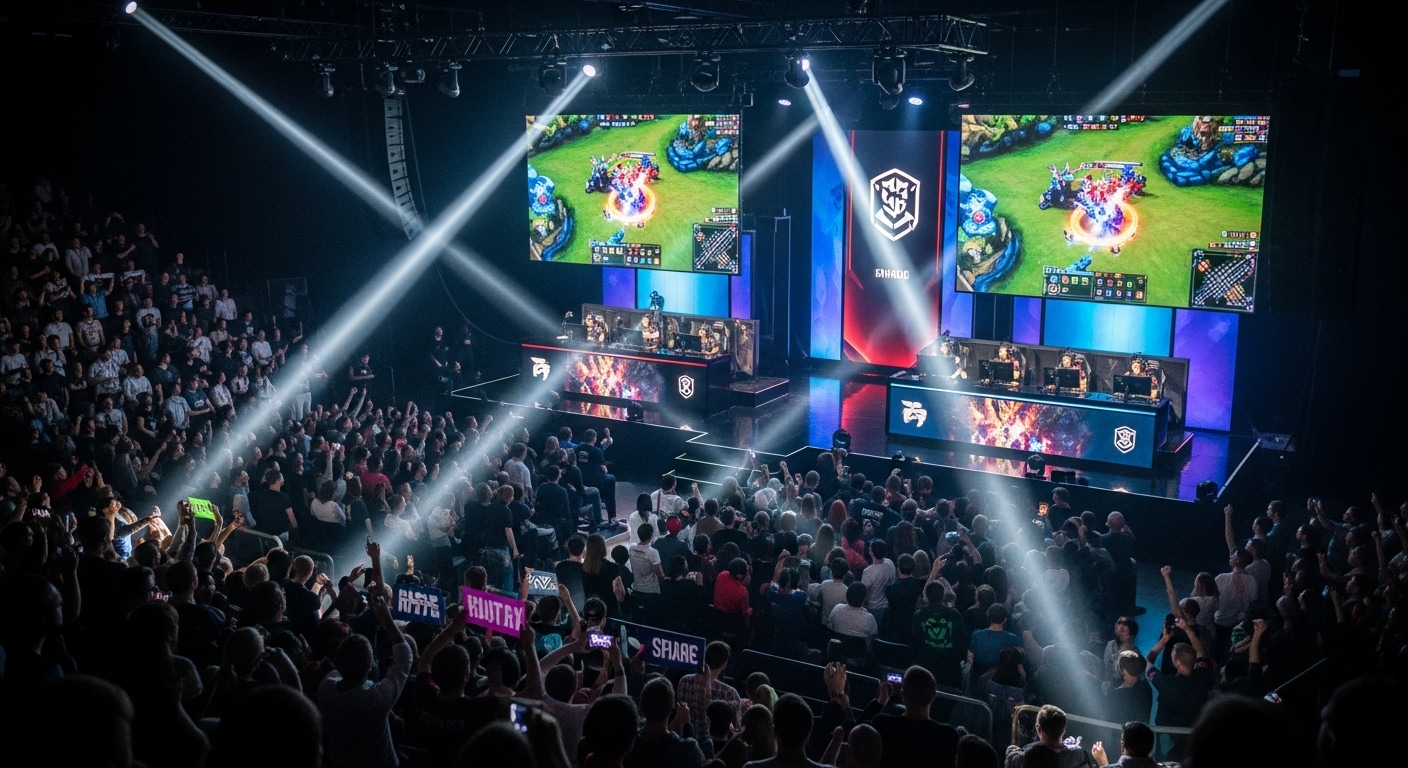
Introduction: The Emergence of Esports
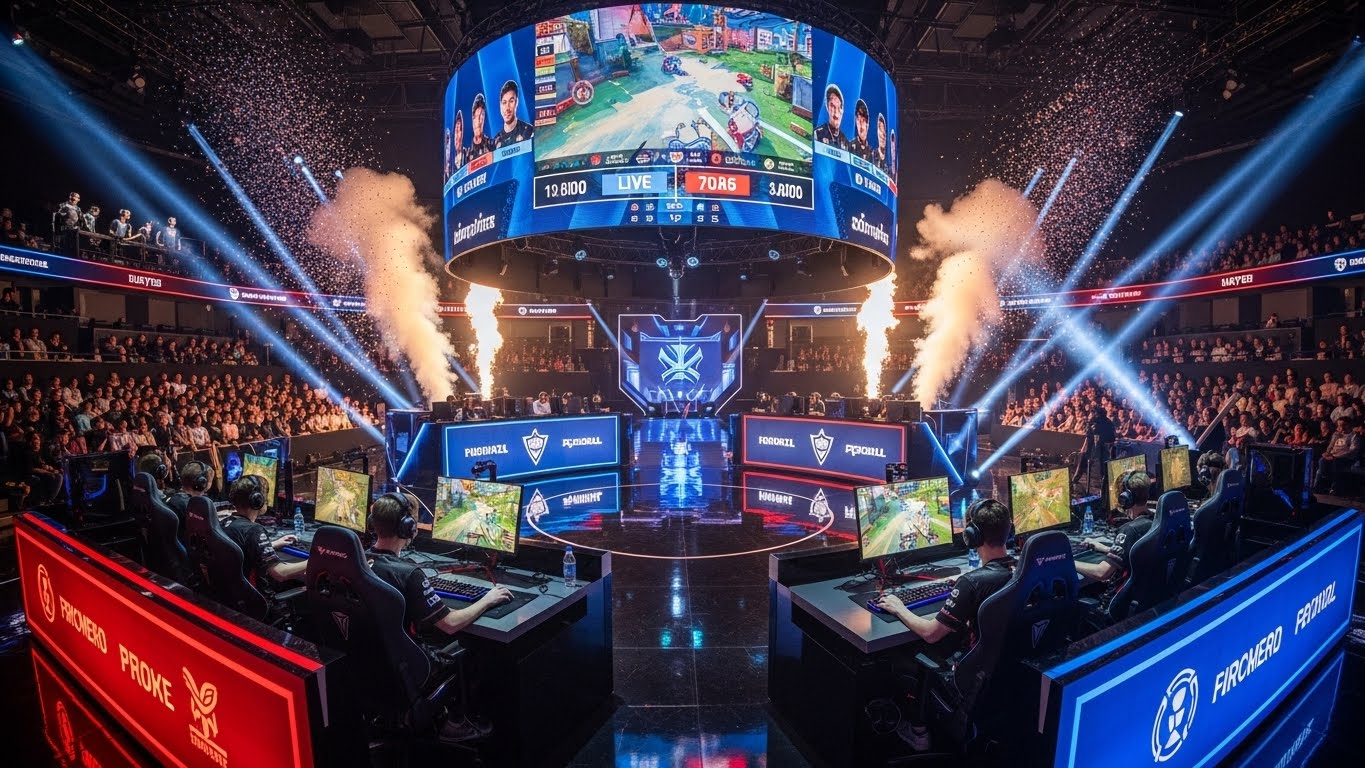
Esports, or electronic sports, has grown from a niche hobby into a global cultural phenomenon that is reshaping the entertainment and competitive landscape. What began as informal video game competitions among friends has evolved into a multi-billion-dollar industry attracting millions of players, spectators, and investors worldwide. Today, esports encompasses professional leagues, international tournaments, streaming platforms, and a thriving community of fans and content creators. This blog explores how esports has transformed competition, social interaction, and the career landscape, making it one of the most influential sectors in the digital age.
The History and Evolution of Esports
The roots of esports can be traced back to the early 1980s with arcade tournaments and early home console competitions. Games like Space Invaders and Pac-Man introduced the concept of high-score competitions, while titles such as Street Fighter and StarCraft in the 1990s brought competitive gameplay to a professional level. The rise of high-speed internet and online multiplayer platforms enabled players to connect and compete globally. The 2000s saw the emergence of professional leagues, live streaming platforms, and massive international tournaments, turning esports into a spectator-driven phenomenon. Over the years, esports has grown from a hobbyist activity to a structured, professional industry with standardized rules, sponsorship deals, and dedicated infrastructure.
Why Esports Appeals to Millions
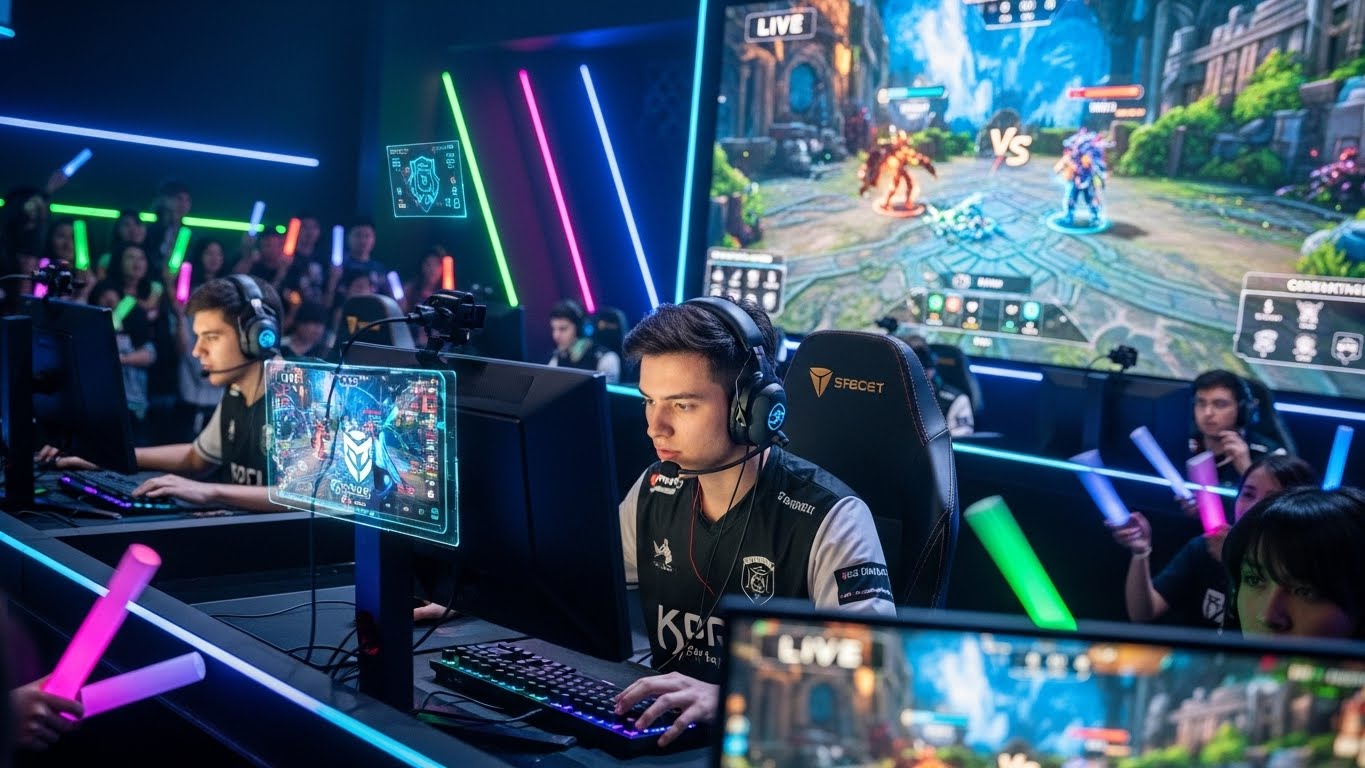
Esports attracts millions of players and fans because it combines strategy, skill, and entertainment in a highly engaging way. Unlike traditional sports, esports is accessible to anyone with a computer, console, or mobile device, making it inclusive and widely available. It offers both mental and physical challenges, requiring quick decision-making, hand-eye coordination, and teamwork. Fans are drawn to the excitement of live competition, the drama of rivalries, and the spectacle of high-level gameplay. Esports also provides social connection, allowing players and viewers to form communities, share experiences, and celebrate achievements collectively.
Skills Developed Through Esports
Competitive gaming is not just about reflexes; it demands complex skill sets that enhance personal development. Players develop strategic thinking, problem-solving, multitasking, and adaptability. Team-based games teach collaboration, communication, and leadership, while solo competitions emphasize focus, perseverance, and self-discipline. Many professional esports players follow rigorous training schedules, much like traditional athletes, incorporating practice, analysis, and strategy planning. These skills are transferable to other aspects of life, including education, business, and creative pursuits, demonstrating that esports contributes to cognitive, emotional, and social growth.
The Professional Esports Landscape
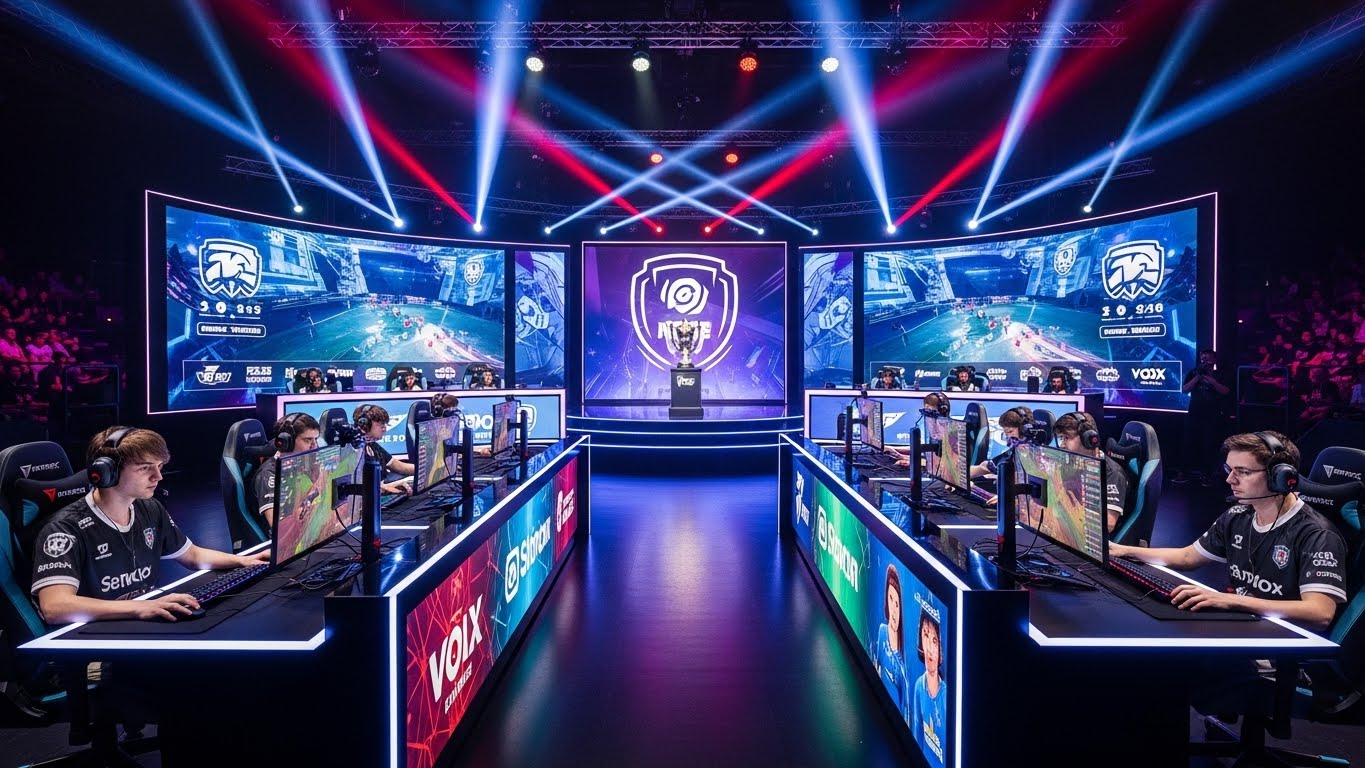
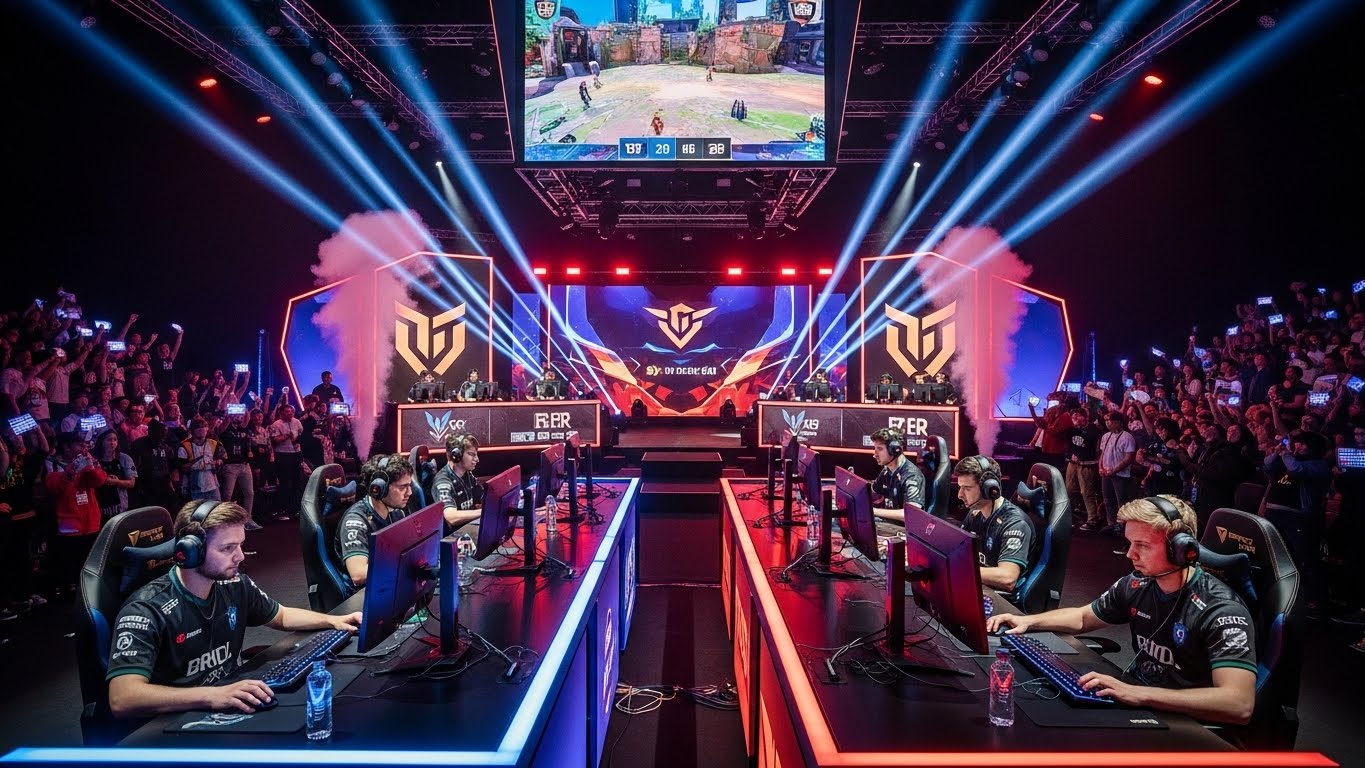
The professional esports ecosystem includes leagues, tournaments, teams, sponsors, and media platforms. Players compete for substantial prize pools, often earning income from salaries, streaming revenue, and sponsorship deals. Esports organizations operate like traditional sports franchises, employing coaches, analysts, marketing professionals, and support staff to enhance performance and visibility. Major tournaments draw audiences comparable to traditional sporting events, with millions of viewers watching live online. The professionalization of esports has created a career path not only for players but also for content creators, commentators, analysts, and event organizers.
Community and Social Impact
One of esports’ most significant impacts is its ability to build communities. Online platforms, forums, and streaming services allow players and fans to connect globally, sharing strategies, stories, and experiences. These communities provide a sense of belonging and identity, often transcending cultural, geographic, and social barriers. Esports also promotes inclusivity, as people of all ages, genders, and abilities can participate. For many individuals, esports serves as a social hub where friendships are formed, mentorships are established, and collaborative teamwork is celebrated.
Women and Diversity in Esports
Although esports has historically been male-dominated, increasing numbers of women and underrepresented groups are making their mark. Female gamers now compete professionally, stream content to millions, and inspire younger generations to pursue competitive gaming. Diversity initiatives aim to create safe, equitable environments, promoting inclusivity at all levels. By welcoming players from different backgrounds, esports is fostering creativity, collaboration, and new perspectives within the competitive gaming ecosystem. The growth of women and diverse participants strengthens the community and demonstrates that esports is evolving into an inclusive global phenomenon.
Challenges Facing Esports
Despite its rapid growth, esports faces unique challenges. The pressure to perform at elite levels can lead to mental health issues such as stress, burnout, and anxiety. Extended screen time and repetitive movements can cause physical problems like eye strain, posture issues, and repetitive strain injuries. Cheating, hacking, and toxicity in online communities are also persistent concerns. Addressing these challenges requires structured training, mental health support, responsible gameplay, and a commitment to ethical practices. Leading esports organizations increasingly prioritize holistic wellness, combining physical exercise, proper rest, and psychological support to sustain long-term performance.
Technology and Innovation in Esports
Technology drives the expansion and evolution of esports. High-speed internet, advanced gaming hardware, and sophisticated software enable seamless competition across continents. Performance analytics help players and teams improve strategies, while streaming technology connects millions of viewers in real-time. Emerging technologies such as virtual reality and augmented reality are redefining gameplay and immersive experiences. Additionally, artificial intelligence is increasingly used to analyze performance metrics, enhance coaching, and simulate training environments. Technology continues to make esports more competitive, accessible, and engaging for both players and audiences.
Esports as a Career Path
Esports offers diverse career opportunities beyond competitive play. Players can become professional athletes, while others pursue careers in content creation, commentary, coaching, analysis, event management, and game development. Educational institutions are recognizing esports as a legitimate field, offering programs in management, marketing, and performance psychology. Salaries, sponsorship deals, and streaming revenue allow many professionals to sustain full-time careers. The professionalization of esports has created a structured pathway, allowing passionate gamers to turn their skills into meaningful, long-term vocations.
The Global Reach of Esports
Esports has a global presence, with major hubs in South Korea, China, the United States, and Europe. International tournaments bring together top players from around the world, fostering competition, collaboration, and cultural exchange. Governments and corporations are increasingly recognizing esports’ economic and social potential, investing in infrastructure, sponsorship, and youth programs. The global reach of esports demonstrates its power to unite people, create opportunities, and inspire innovation across diverse communities and regions.
The Future of Esports
The future of esports is bright, characterized by growth, inclusivity, and technological innovation. Adaptive esports programs will make competitive gaming accessible to individuals with disabilities, while new game genres and formats will attract broader audiences. Collaborations with traditional sports, entertainment companies, and educational institutions will further integrate esports into mainstream culture. As technology continues to evolve, esports will provide immersive, interactive, and engaging experiences that redefine competition and entertainment. Its potential as a platform for social connection, personal development, and global engagement is virtually limitless.
Conclusion: Why Esports Matters
Esports is far more than a digital pastime; it is a transformative force shaping culture, competition, and careers in the 21st century. It develops critical skills, fosters social connection, promotes inclusivity, and drives economic growth. Through professional leagues, global tournaments, and vibrant communities, esports inspires passion, dedication, and innovation. Challenges such as mental health concerns and ethical issues exist, but with careful management, esports can thrive sustainably. In the digital era, esports represents not just the future of competition but a new way of connecting, learning, and achieving, leaving a lasting impact on society worldwide.