
 esportsmastersarena62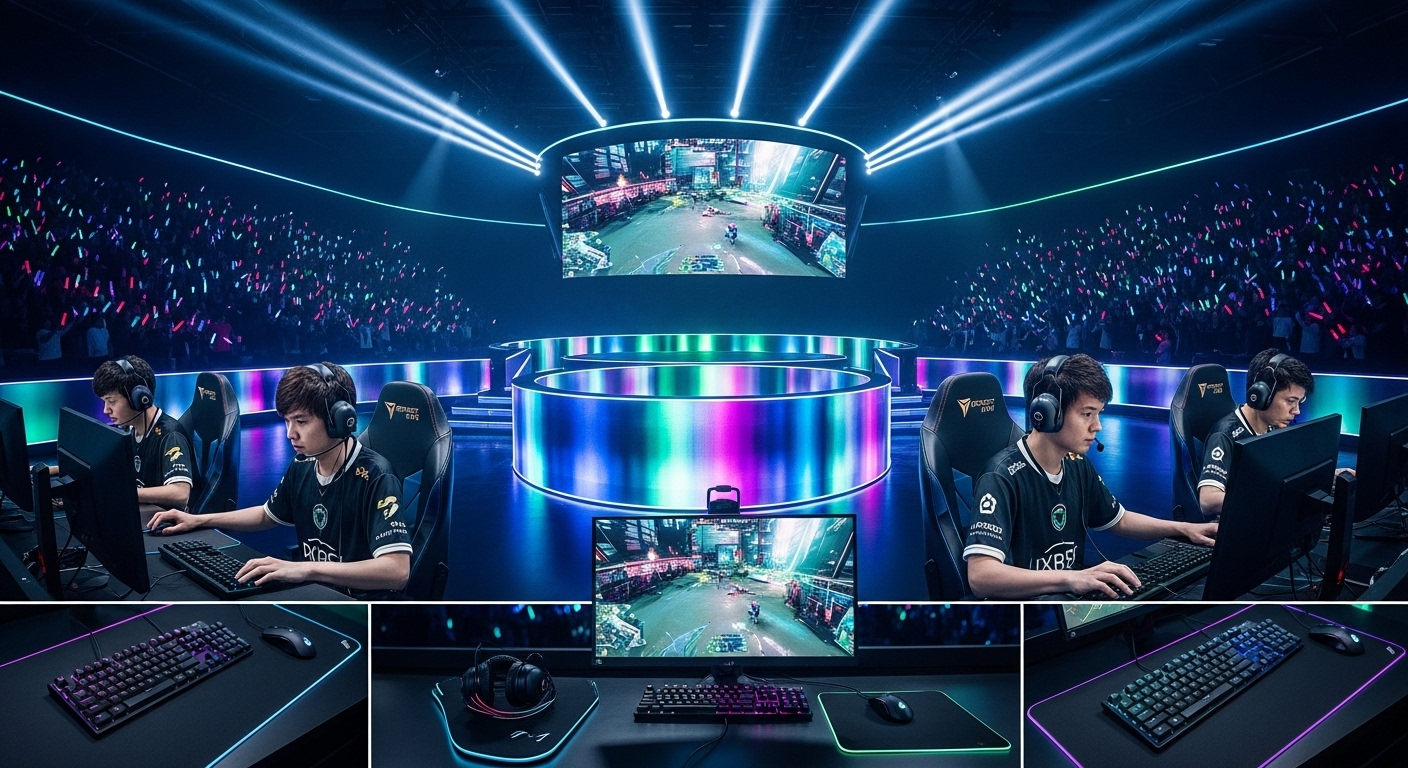
Introduction
The world of competitive gaming, commonly known as esports, has evolved from a niche pastime into a global phenomenon. What began as friendly competitions among small groups of players has transformed into a professional, billion-dollar industry attracting millions of viewers, players, and investors worldwide. Esports is not just about playing video games; it is about strategy, teamwork, skill, and entertainment on a massive scale. Its rise is redefining what it means to compete, how audiences consume content, and how gaming intersects with culture and technology.
The Origins of Esports
Esports has roots that trace back to the 1970s and 1980s when simple arcade games and early home consoles first appeared. Players competed in games like Space Invaders and Pac-Man, often in local arcades or school tournaments. The real surge in competitive gaming came with the rise of networked computers and online gaming in the 1990s. Games like Quake, StarCraft, and Counter-Strike enabled players from around the world to compete in organized tournaments.
These early competitions set the foundation for modern esports. They demonstrated that gaming could be more than individual entertainment; it could foster communities, rivalries, and shared excitement similar to traditional sports. The professionalism and structure of these early tournaments laid the groundwork for today’s global esports ecosystem.
The Growth of Esports as a Professional Industry
The past decade has seen esports evolve into a fully professional industry. Major tournaments now offer multi-million-dollar prize pools, and professional players earn substantial salaries, sponsorships, and endorsements. Teams are organized like traditional sports franchises, complete with coaches, analysts, and dedicated training regimens.
Esports organizations operate across multiple titles and regions, investing in brand development, marketing, and fan engagement. Streaming platforms and social media amplify the reach of competitions, turning players into global celebrities and fans into highly engaged communities. Esports has transformed from hobbyist competitions to a legitimate career path, attracting young talent and investors eager to capitalize on its explosive growth.
Popular Esports Titles and Their Impact
Esports is diverse, spanning multiple genres including first-person shooters, real-time strategy, multiplayer online battle arenas, and fighting games. Titles like League of Legends, Dota 2, Fortnite, and Counter-Strike: Global Offensive dominate the scene, drawing millions of viewers to live tournaments. Each game has its own competitive culture, rules, and fanbase, creating unique ecosystems within the broader esports industry.
The impact of these games extends beyond competition. They influence popular culture, fashion, music, and even language. Iconic moments from esports tournaments are shared widely across social media, and professional players inspire new generations of gamers. These titles have not only defined the competitive landscape but have also shaped the way people perceive gaming as a serious and respectable pursuit.
The Role of Streaming and Content Platforms
Streaming platforms have been a driving force behind the esports revolution. Platforms like Twitch, YouTube Gaming, and regional streaming services allow fans to watch live matches, follow players, and engage with the community in real time. The interactive nature of streaming has created a new type of spectator experience, where viewers can comment, react, and even influence the content they watch.
Content creators and streamers have become central figures in esports culture, bridging the gap between casual audiences and professional competition. Their commentary, personality, and interaction with fans make esports tournaments more accessible and engaging, turning events into entertainment spectacles comparable to traditional sports broadcasts.
Esports as a Global Phenomenon
Esports is truly global. South Korea, China, North America, and Europe have emerged as major hubs for competitive gaming, but the phenomenon is spreading rapidly to regions such as Latin America, Southeast Asia, and the Middle East. Each region brings unique styles, strategies, and cultural approaches to competition, enriching the diversity of the esports scene.
International tournaments like the League of Legends World Championship and The International for Dota 2 highlight the global reach of esports. These events draw millions of viewers across different time zones, languages, and cultures, demonstrating that competitive gaming is not confined by borders. The globalization of esports has created a shared digital culture that connects players and fans worldwide.
The Social and Cultural Impact of Esports
Esports is more than competition; it has become a cultural movement. Professional players serve as role models, inspiring fans with their skill, dedication, and discipline. Esports also fosters social connections, allowing players and fans to engage with others who share their passion. Online communities, forums, and fan clubs create spaces where people exchange ideas, strategies, and experiences.
The cultural impact of esports extends into education and personal development. Schools and universities are offering esports programs and scholarships, teaching students teamwork, strategic thinking, and problem-solving skills. Esports is reshaping how society views gaming, highlighting its potential to teach, inspire, and connect.
Training, Discipline, and the Athlete Mindset
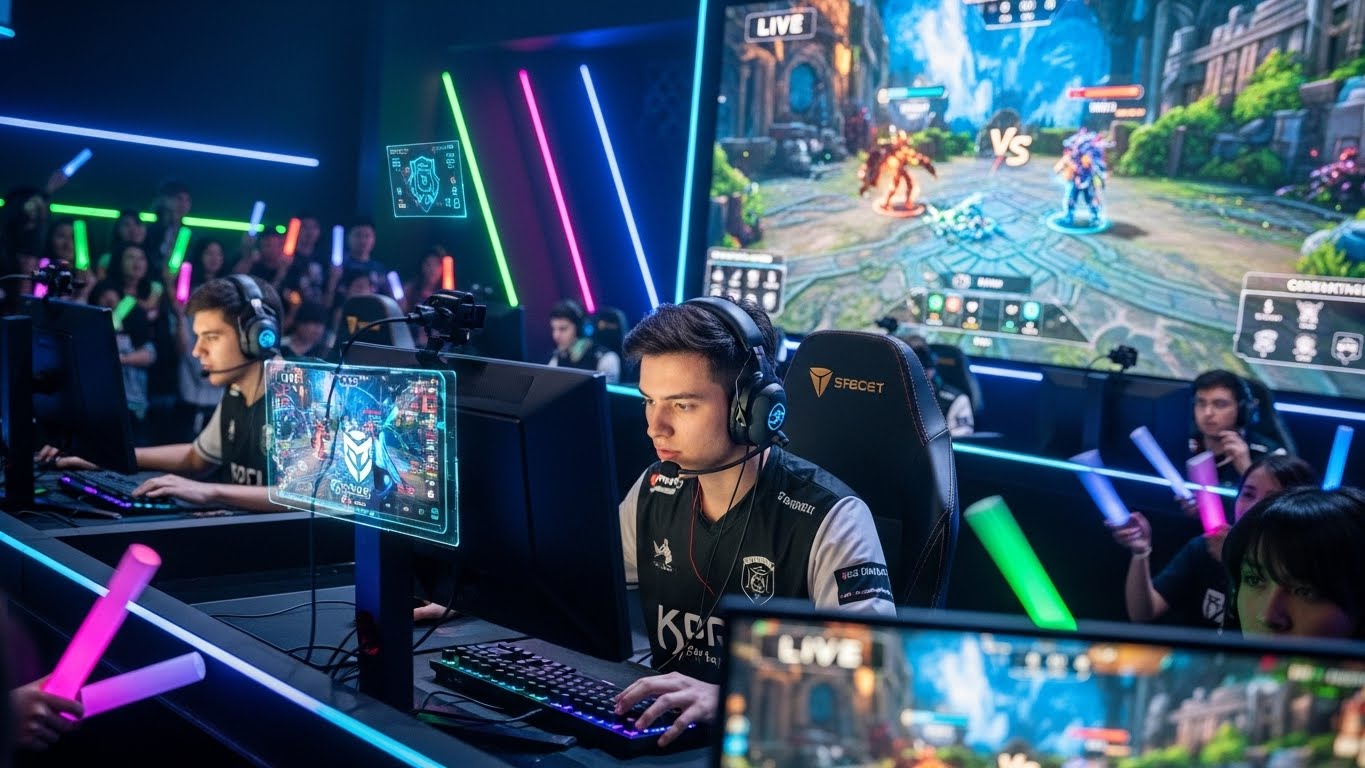
Professional esports players are often misunderstood as casual gamers, but the reality is far more rigorous. Competitive gaming demands intense focus, strategic thinking, quick reflexes, and mental endurance. Top players maintain strict training schedules, including practice matches, strategy sessions, physical fitness routines, and mental conditioning.
The discipline required in esports mirrors that of traditional athletes. Reflexes, decision-making speed, teamwork, and adaptability are all crucial skills. Coaches and analysts study gameplay data, devise strategies, and optimize performance, demonstrating that esports is not just a hobby but a professional field requiring dedication and precision.
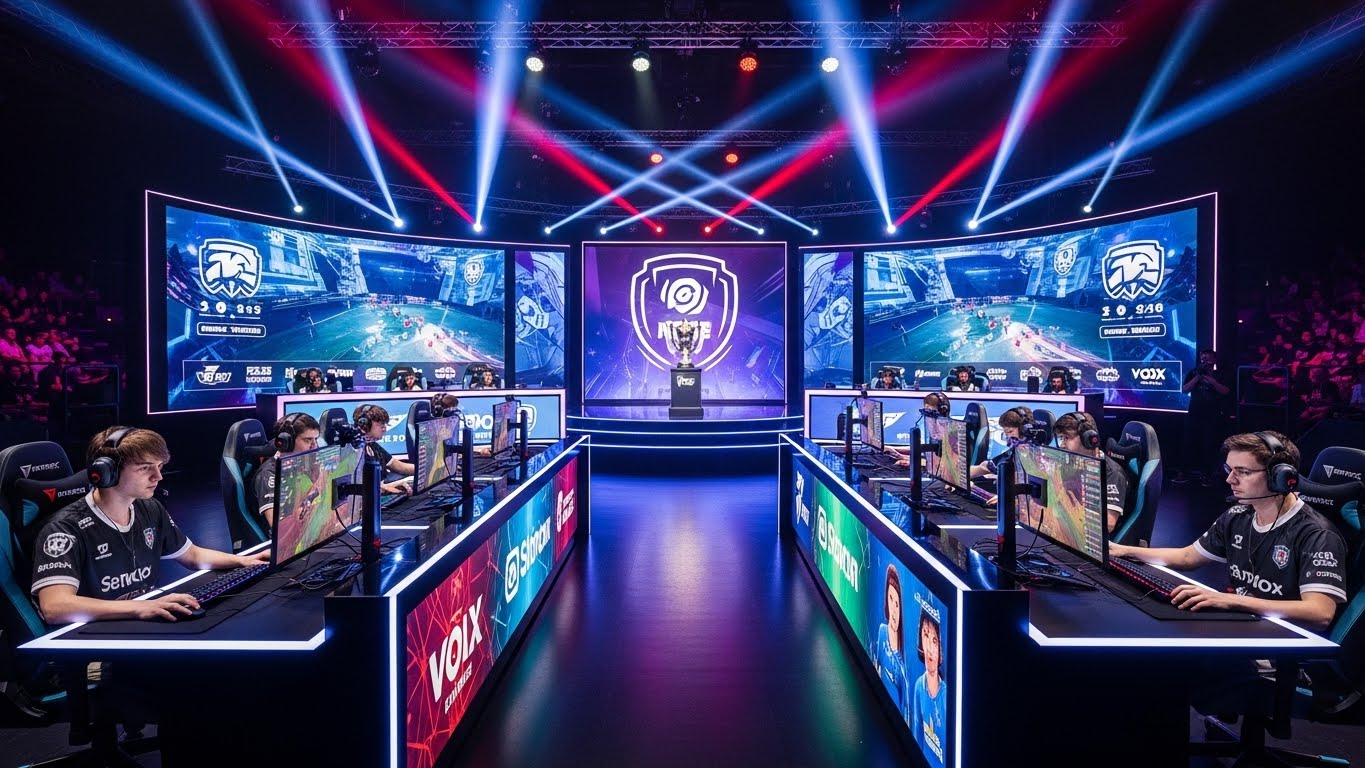
Esports Tournaments: The Modern Arenas
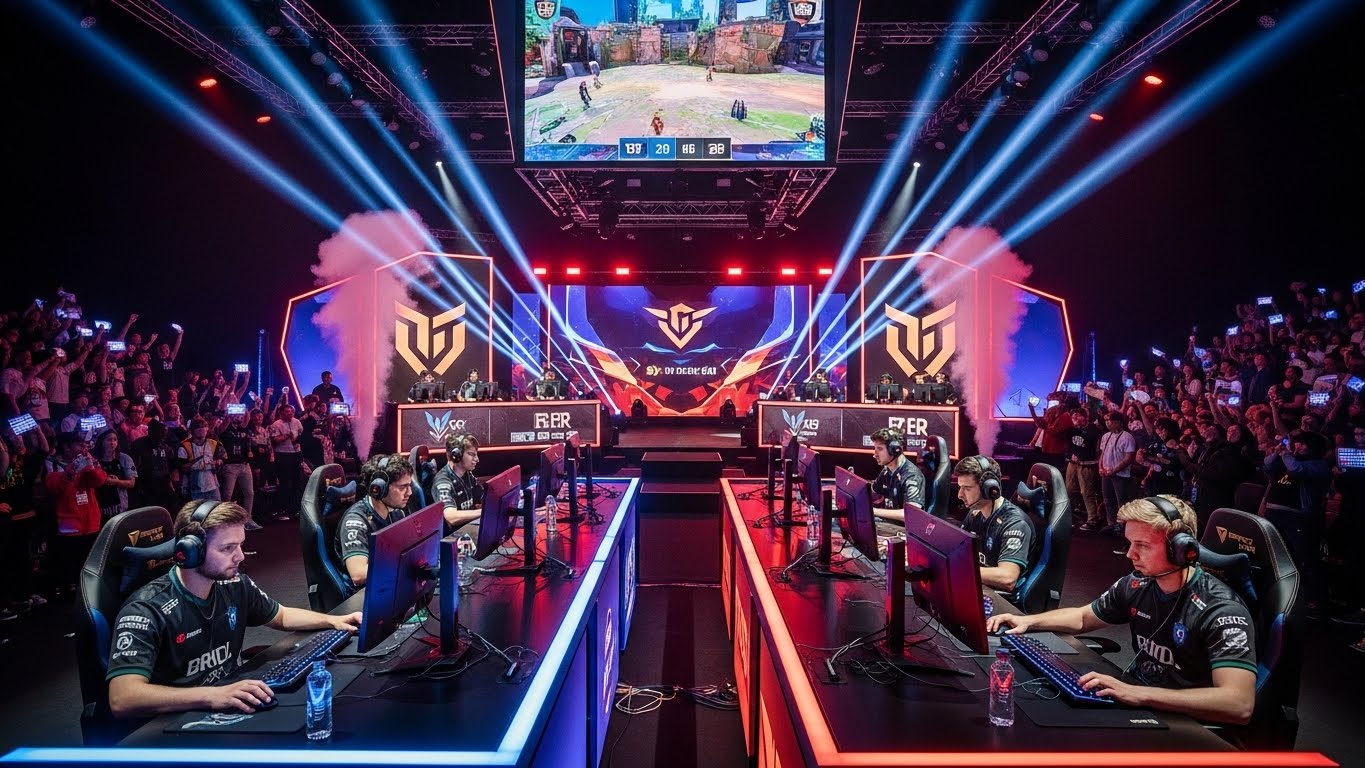
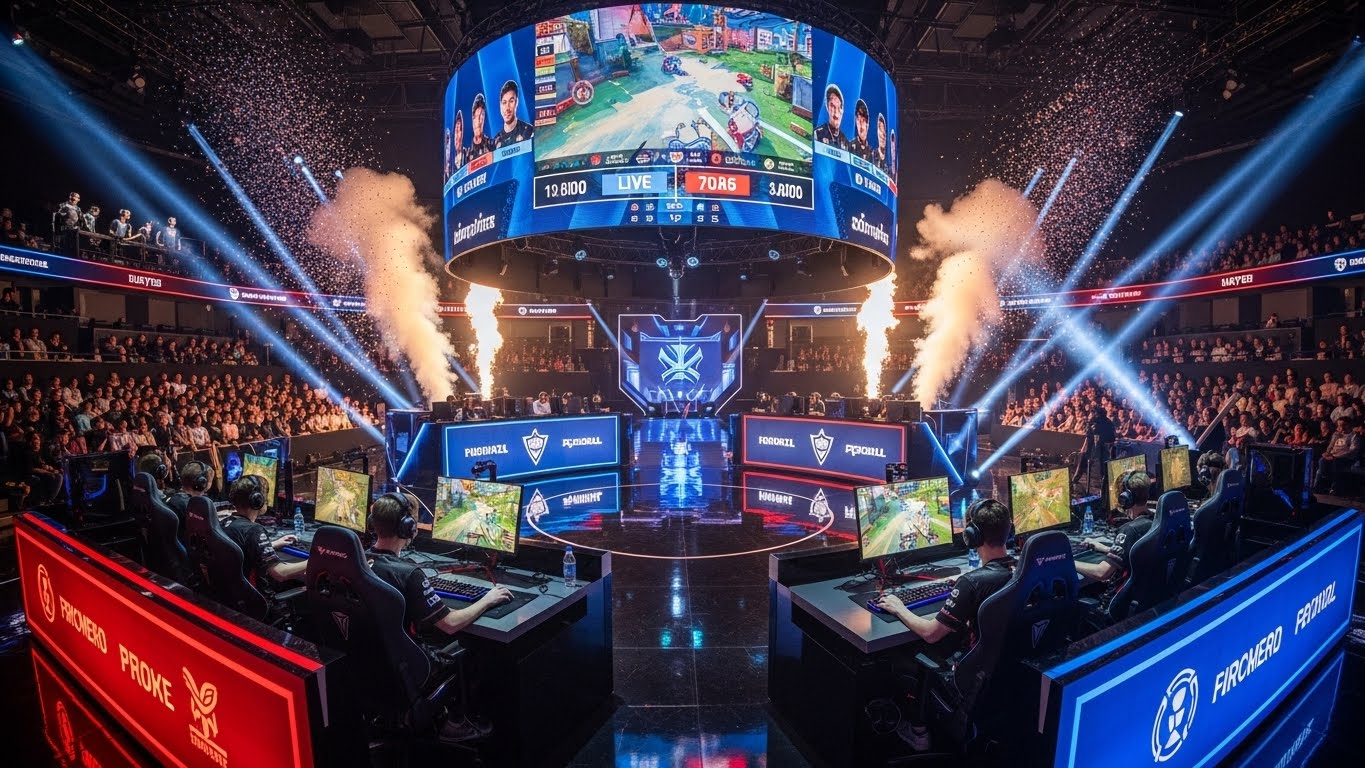
Tournaments are the heartbeat of esports. They offer players the chance to prove their skill, teams the opportunity to gain prestige, and fans a spectacle of entertainment. Major events like the Fortnite World Cup, Intel Extreme Masters, and Overwatch League playoffs fill arenas, attract global audiences, and generate millions in revenue.
These tournaments are meticulously produced, blending live broadcasting, commentary, audience interaction, and high-quality production values. They showcase the entertainment potential of esports while reinforcing its legitimacy as a competitive sport. For many fans, attending or watching these tournaments is an immersive experience that rivals traditional sports events.
The Economic Influence of Esports
Esports is a powerful economic force. Revenue streams include sponsorships, merchandise, ticket sales, broadcasting rights, and digital content monetization. Major brands recognize the marketing potential of esports, partnering with teams, players, and events to reach highly engaged audiences.
The industry has also created employment opportunities beyond playing professionally. Coaches, event organizers, marketing experts, video editors, and analysts all contribute to the esports ecosystem. Its economic impact demonstrates that esports is not just a niche interest; it is a significant sector driving innovation, employment, and revenue worldwide.
Challenges Facing the Esports Industry
Despite its rapid growth, esports faces challenges. Issues such as player burnout, online harassment, inconsistent regulation, and cheating can undermine the competitive environment. Teams and organizers are increasingly investing in player wellness, mental health support, and fair play policies to address these concerns.
Another challenge is standardization. With multiple games, leagues, and governing bodies, creating uniform rules and global recognition can be complex. The industry continues to evolve, working toward sustainability, professionalization, and ethical standards that ensure long-term growth.
The Future of Esports
The future of esports is both exciting and transformative. Advances in technology, including virtual reality, augmented reality, and AI-driven gameplay analysis, will create new dimensions of competition and spectator engagement. Cloud gaming will make high-quality esports more accessible, while innovations in broadcasting and interactive platforms will enhance fan experiences.
Esports is likely to continue merging with mainstream entertainment, education, and social media, further solidifying its role in culture and society. As more institutions recognize esports as a legitimate career and recreational pursuit, its influence will expand, shaping the way future generations interact with games, competition, and digital communities.
Conclusion
Esports has grown from simple gaming competitions into a global, professional, and cultural phenomenon. It blends technology, skill, strategy, and entertainment in ways that redefine traditional notions of sports and competition. Players are athletes, tournaments are spectacles, and fans are participants in a shared, dynamic digital culture.
The rise of esports reflects broader societal trends, including the integration of technology into everyday life, the globalization of entertainment, and the desire for interactive, immersive experiences. With continued innovation, growing accessibility, and increasing recognition, esports is poised to shape the future of competitive entertainment, making it an enduring and transformative force in the digital age.
Esports is more than a game; it is a global arena where talent, strategy, and passion collide, offering players and fans a shared journey into the digital frontier.