
 esportsmastersarena62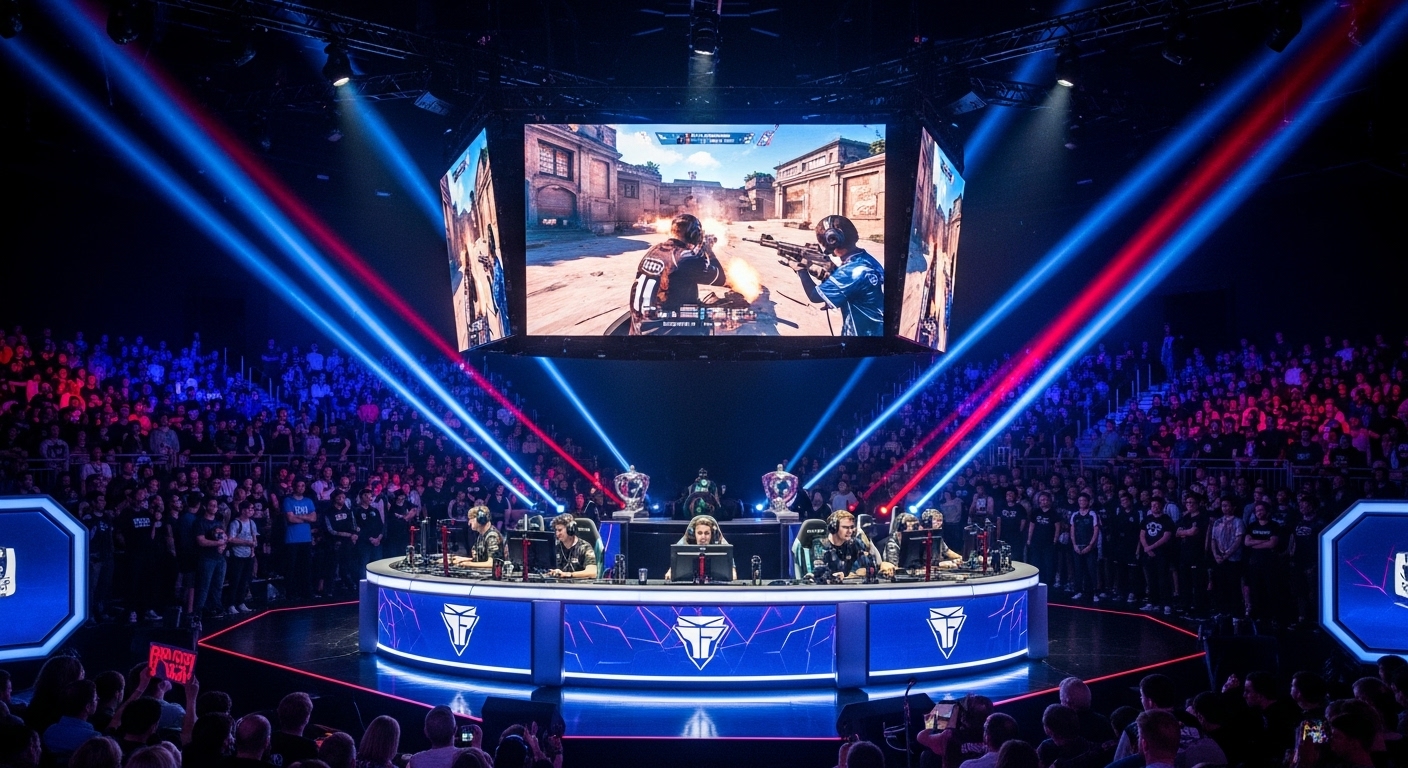
Esports has transcended its humble beginnings in arcades and dorm rooms to become a global phenomenon. What was once considered a niche hobby is now a billion-dollar industry, drawing millions of viewers and participants alike. The world of esports has captured the attention of gamers, investors, and media organizations worldwide, and it’s only getting bigger.
In this blog post, we’ll explore the history, evolution, cultural impact, and economic influence of esports. We’ll also look into the different aspects that make esports a unique and dynamic field, from the games themselves to the growing role of professional players and the integration of technology in competition.
The Origins of Esports
Early Beginnings: Competitive Gaming in the 1990s
The roots of esports can be traced back to the 1990s when video games began incorporating competitive elements. The first major tournament widely recognized as an esports event was the Red Annihilation tournament held in 1997. It was a Quake competition where the winner took home a Ferrari 328 GTS, showcasing the potential for competitive gaming to attract serious players and fans.
In the same period, StarCraft, a real-time strategy game, became a pillar of competitive gaming, especially in South Korea. By the late ’90s and early 2000s, South Korea was already seeing professional gamers rise to prominence, with events like the Korean Pro League establishing a foundation for what would become a global esports ecosystem.
The Rise of the Internet and Online Gaming
The advent of broadband internet in the late 1990s and early 2000s played a pivotal role in the rise of esports. With faster internet speeds, online gaming became more accessible, allowing players to compete against each other from different parts of the world without leaving their homes. Games like Warcraft III and Counter-Strike led the charge for online competitive gaming, creating a virtual space where gamers could compete and form communities.
As online platforms like Battle.net and Steam gained traction, competitive gaming moved from local gatherings and LAN parties to a fully digital, global stage. This shift enabled players to participate in global competitions, and it also led to the emergence of professional gaming organizations, streamers, and sponsorships.
The Evolution of Esports: From Hobby to Industry
The Professionalization of Esports
One of the defining moments in the history of esports was the establishment of the first major professional leagues and tournaments. In the early 2000s, the gaming community began to shift from grassroots competitions to more formalized events with professional organizations, sponsors, and prize money.
The World Cyber Games (WCG) and the Electronic Sports World Cup (ESWC) were some of the first international tournaments that brought together top players from around the world. These events were not only a celebration of skill but also a testament to the potential of esports as a serious sport.
In the mid-2000s, the creation of professional teams and the growing presence of esports organizations started to mirror traditional sports leagues. Teams were formed with coaches, analysts, and even trainers, giving esports a sense of structure akin to other professional sports.
The Explosion of Streaming and Online Viewership
The emergence of platforms like Twitch in 2011 revolutionized the way esports was consumed. Twitch, initially a platform for general game streaming, quickly became the go-to place for esports broadcasting. The platform provided a space for professional players, teams, and organizations to stream their gameplay live, and it also offered fans a way to interact with their favorite players in real-time.
This shift to streaming allowed esports to reach a broader audience. Fans could now watch tournaments live, engage with commentary, and support players in ways that were never possible before. The interactive nature of streaming also allowed for greater community building, as players and fans could communicate through chat, social media, and even fan-created content.
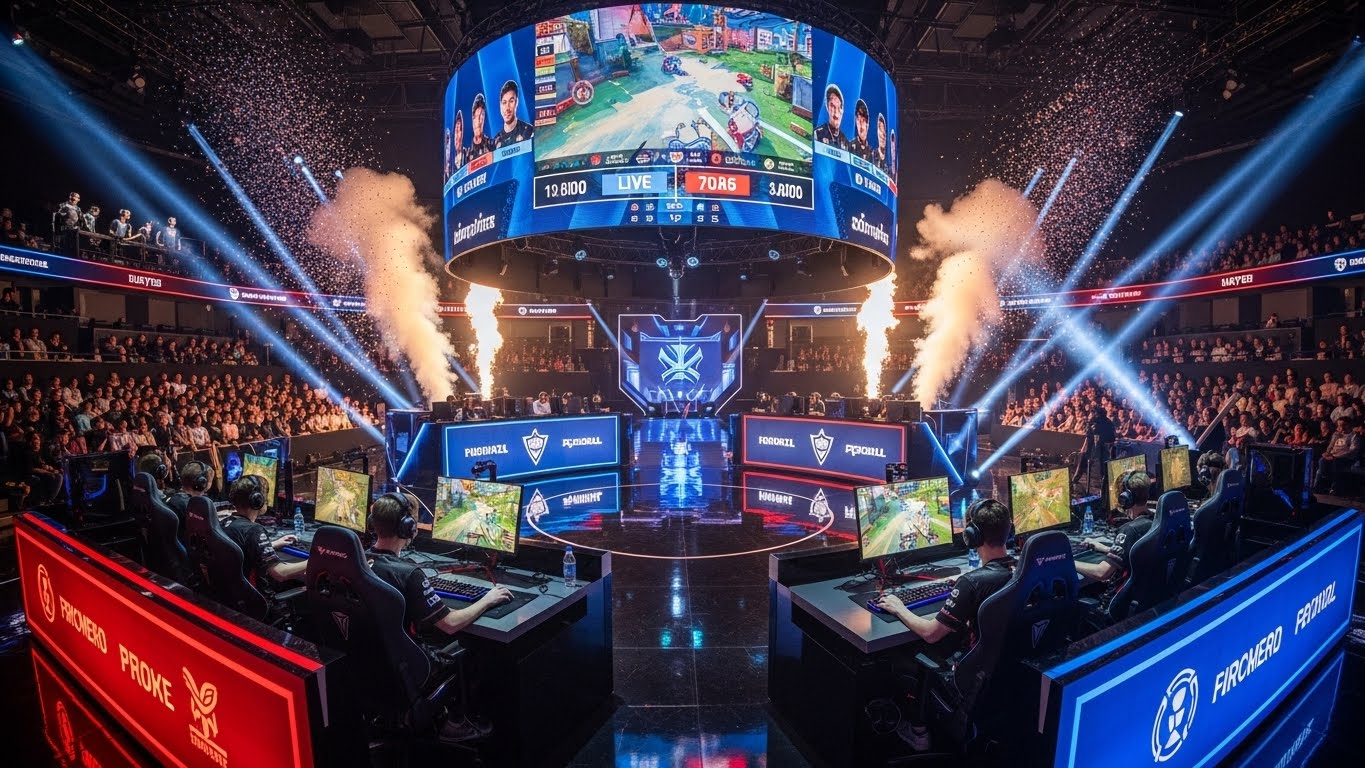
The growth of streaming has been crucial in the expansion of esports as a spectator sport. It has allowed individuals from all corners of the world to watch events live, increasing viewership exponentially. High-profile events such as The International (Dota 2’s annual tournament) or League of Legends World Championship now draw millions of viewers, rivaling the viewership of traditional sports.
The Cultural Impact of Esports
A New Era of Gamers and Fandom
Esports has not only redefined the gaming community but has also created a new wave of fandom. Professional players, once mere avatars on the screen, have become celebrities in their own right. Fans now follow their favorite players, teams, and events just like they would with traditional sports teams.
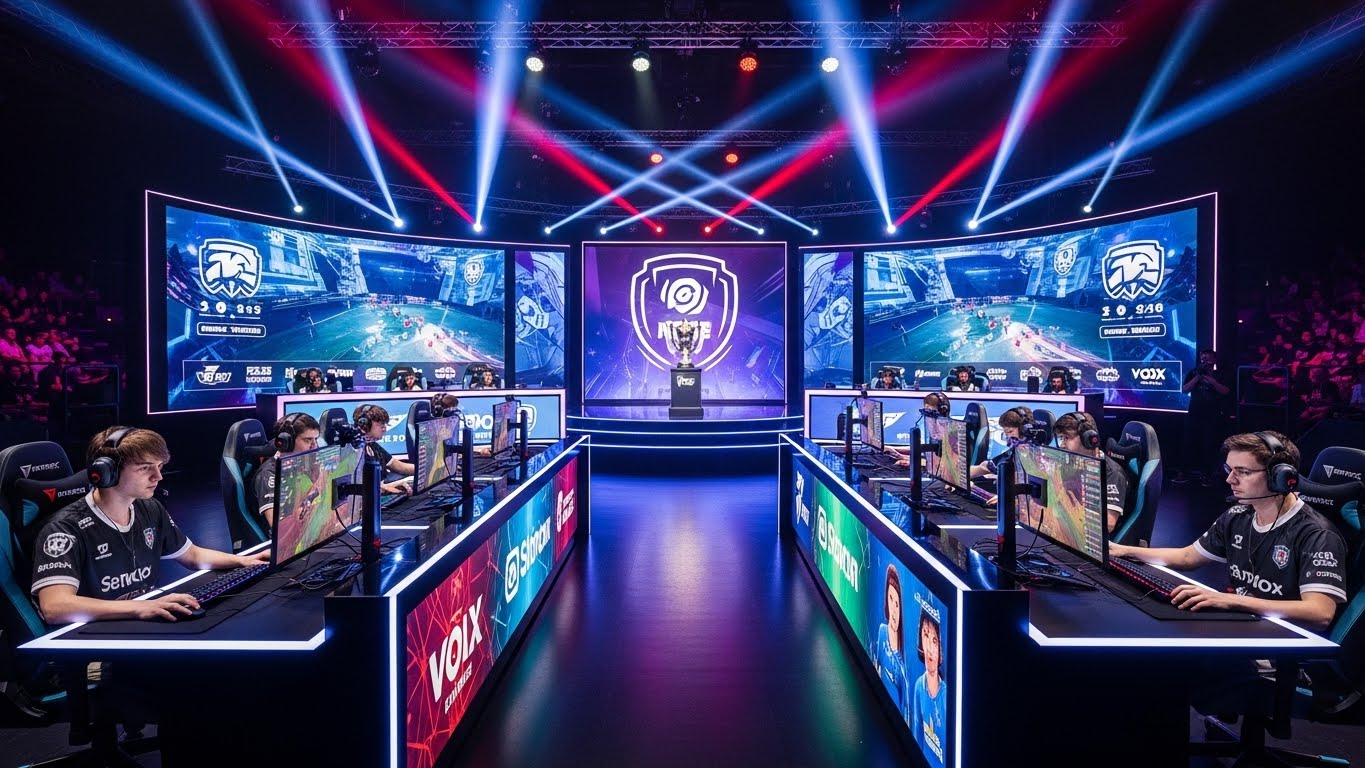
This shift has brought about a change in the way people perceive gaming as a hobby. Once considered an isolated activity, gaming is now a social event that people share with friends, families, and communities. Esports tournaments and competitions have become cultural touchstones, with events like BlizzCon or E3 drawing huge crowds of fans and attendees eager to celebrate their love for gaming.
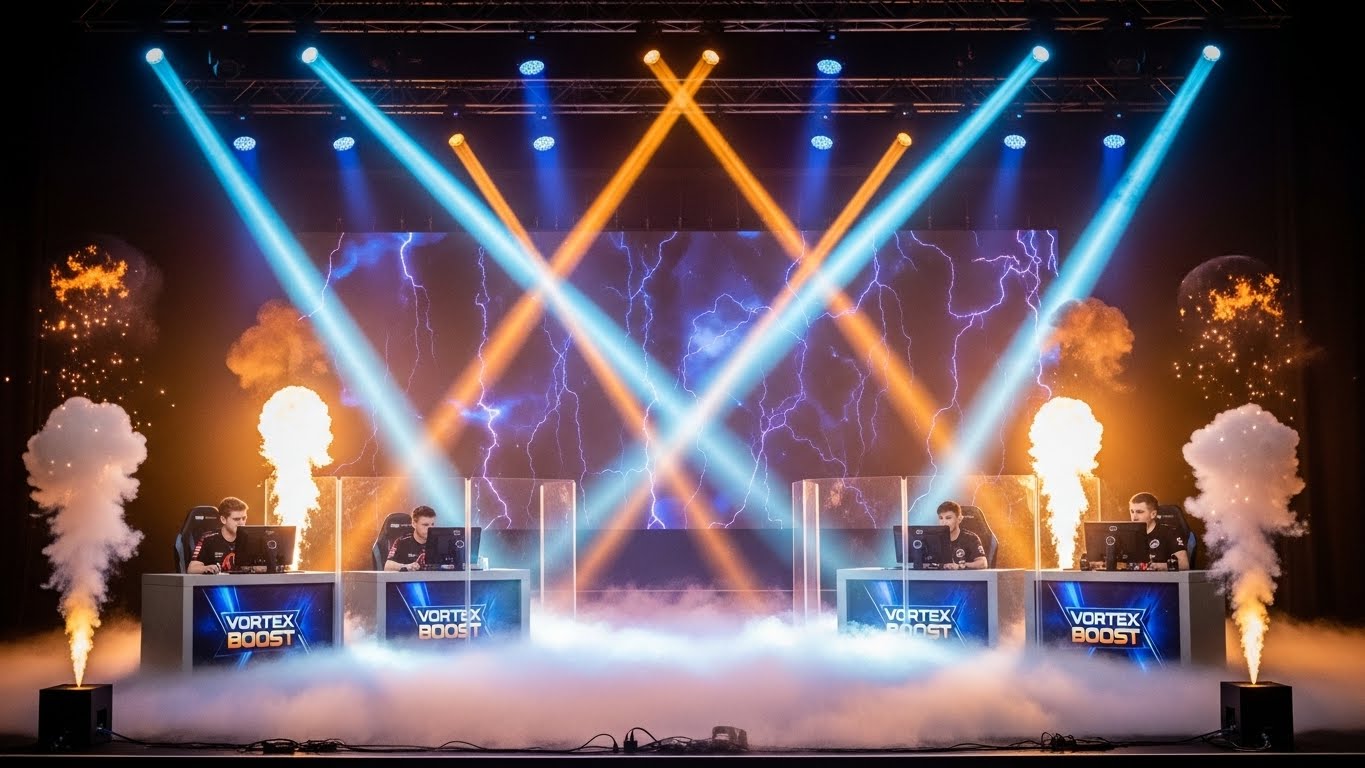
Moreover, esports has started to blend with other areas of entertainment. Many esports tournaments now feature musical performances, celebrity appearances, and even crossovers with popular media franchises. This fusion of gaming and pop culture has made esports more mainstream, helping it transcend the boundaries of traditional gaming culture.
Esports as a Career Path
For many young gamers, esports has transformed from a hobby into a viable career path. As the industry grew, the opportunities for professional players expanded beyond just playing in tournaments. Many top players now make a living from sponsorships, streaming, merchandise, and content creation.
Esports organizations have adopted models similar to those seen in traditional sports, where players receive salaries, benefits, and travel accommodations. This professionalization has created an ecosystem in which players can dedicate themselves full-time to their craft, honing their skills and competing in high-stakes tournaments.
Additionally, esports has created jobs in areas such as coaching, broadcasting, marketing, and event management. From analysts who break down matches to content creators who produce behind-the-scenes footage, the rise of esports has led to the growth of various professional opportunities in the gaming world.
Education and Esports Scholarships
As the demand for esports talent continues to grow, universities and colleges have begun offering scholarships and degrees in esports. Many institutions now have dedicated esports programs where students can study game design, tournament organization, and even esports management.
These programs not only teach the technical aspects of gaming but also provide students with a broader understanding of the esports industry, preparing them for careers in a field that shows no signs of slowing down. Some universities even have competitive esports teams, further integrating esports into mainstream education.
The Economic Impact of Esports
Esports as a Billion-Dollar Industry
The economic impact of esports cannot be overstated. According to recent reports, the global esports industry is expected to surpass $1.5 billion in revenue by 2025. This revenue comes from various sources, including tournament sponsorships, advertising, media rights, merchandise sales, and ticket sales for live events.
Major companies from various industries, including technology, energy drinks, and automobiles, have entered the esports market through sponsorships and partnerships. Brands like Intel, Coca-Cola, Red Bull, and Nike have all made significant investments in esports, recognizing the value of reaching younger, tech-savvy audiences through gaming.
In addition to sponsorships, streaming platforms like Twitch and YouTube also generate substantial revenue through subscriptions, ad revenue, and viewer donations. These platforms have become key players in the monetization of esports, further fueling its growth.
The Role of Professional Leagues and Tournaments
Esports tournaments have become major economic events in their own right. Some of the most prestigious tournaments, like The International, League of Legends World Championship, and CS:GO Major Championships, offer millions of dollars in prize money, attracting the best players from around the globe.
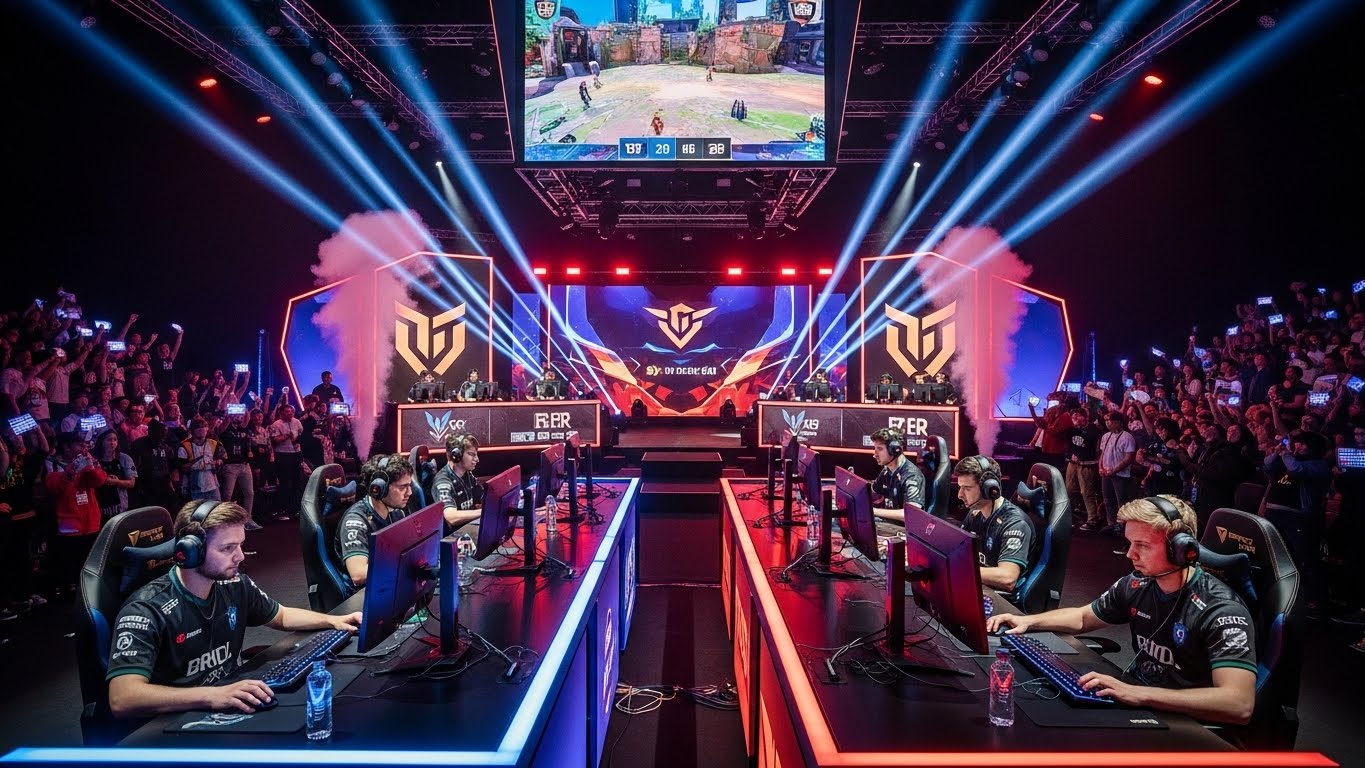
These events not only generate direct revenue through ticket sales but also drive local economies by attracting tourists, media coverage, and sponsorship deals. The live-event component of esports, where fans gather to watch their favorite teams and players, is similar to traditional sports events and has contributed significantly to the growth of the industry.
The Future of Esports: A Billion-Dollar Industry in the Making
The future of esports is bright, with continued investment from both traditional sports organizations and tech giants. The growing integration of virtual reality (VR) and augmented reality (AR) technologies promises to enhance the viewer experience, making esports even more immersive and interactive.
Moreover, the expansion of mobile gaming has opened new doors for esports competitions. Games like PUBG Mobile and Mobile Legends have brought esports to new markets, particularly in regions like Southeast Asia and India, where mobile gaming is a dominant force.
As esports continues to evolve, it’s clear that it will play a central role in the future of entertainment. Whether it’s through live streaming, traditional sports broadcasting, or immersive VR experiences, esports is here to stay, and its influence on gaming and pop culture will only continue to grow.
Conclusion: The Impact of Esports on Society
Esports has grown from a niche hobby into a global industry, with its cultural and economic impact resonating across the world. From the rise of professional players and teams to the increasing integration of esports into mainstream media, the landscape of competitive gaming has evolved in ways that were once unimaginable.
The future of esports is filled with potential, as technology, entertainment, and culture continue to converge. For gamers, fans, and professionals alike, the esports industry offers a world of opportunities and experiences that are transforming how we perceive and participate in competitive gaming. Whether you’re a casual player, a competitive gamer, or an esports enthusiast, one thing is certain: the rise of esports is reshaping the entertainment industry for years to come.